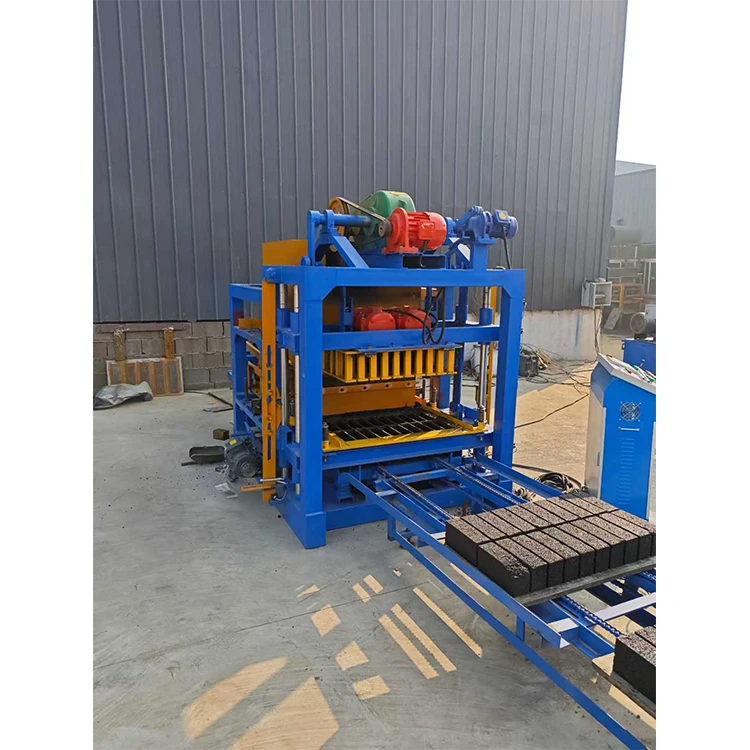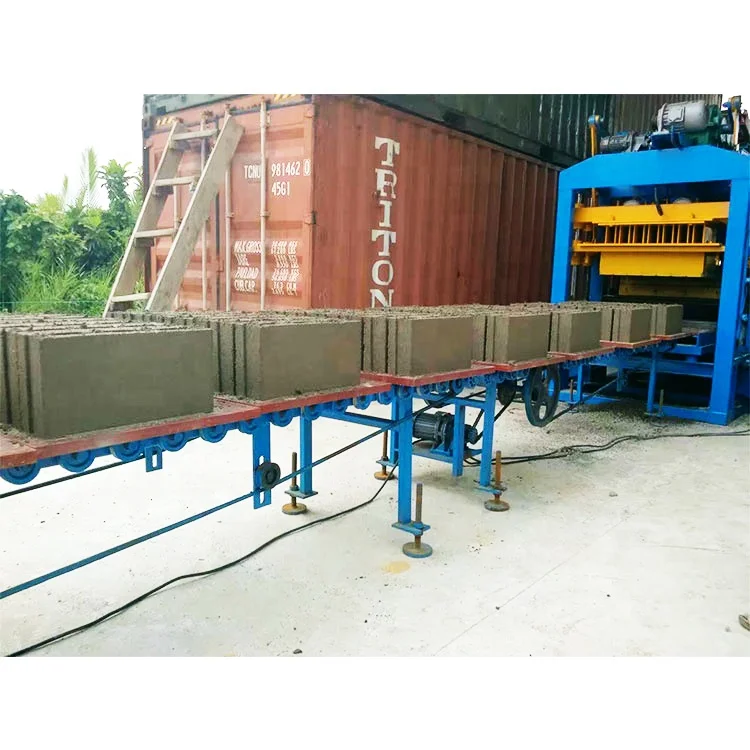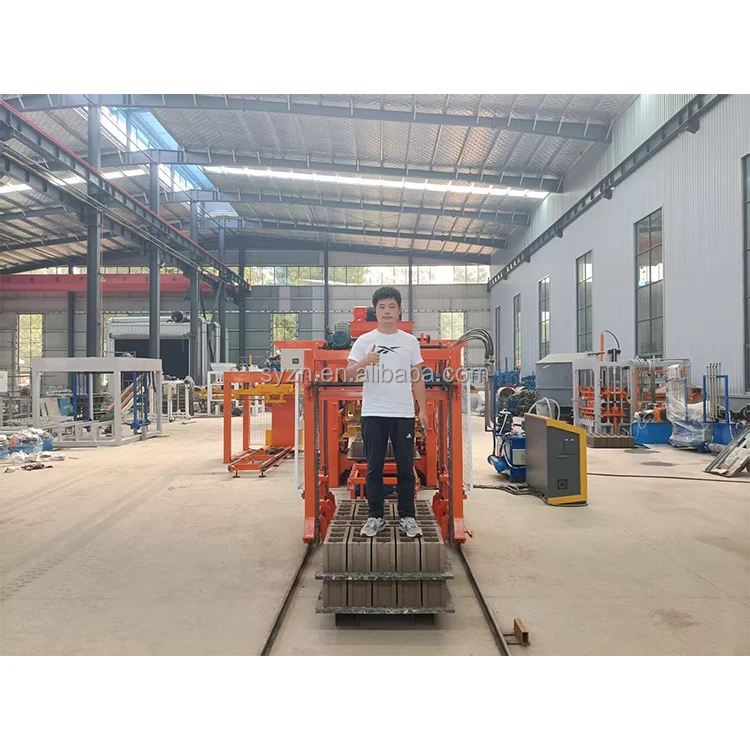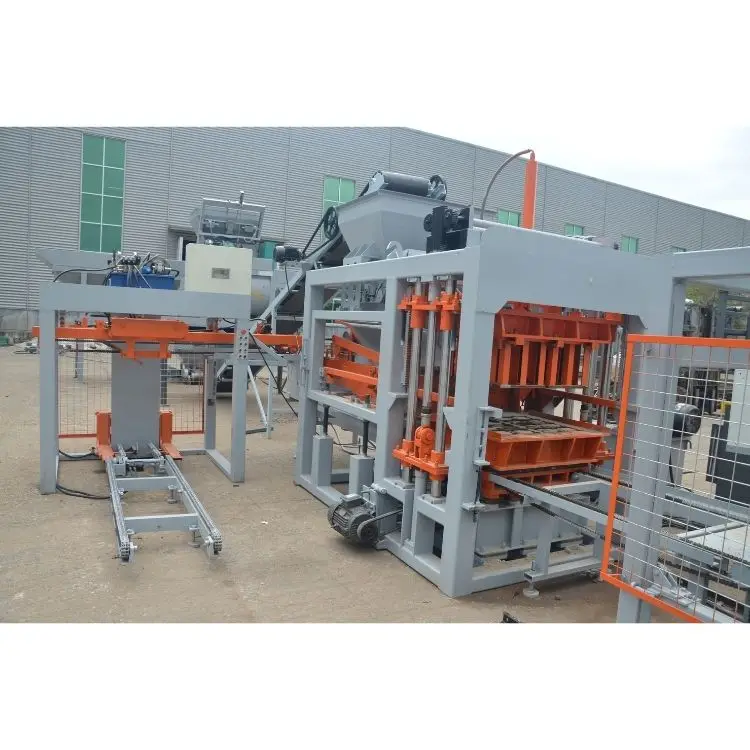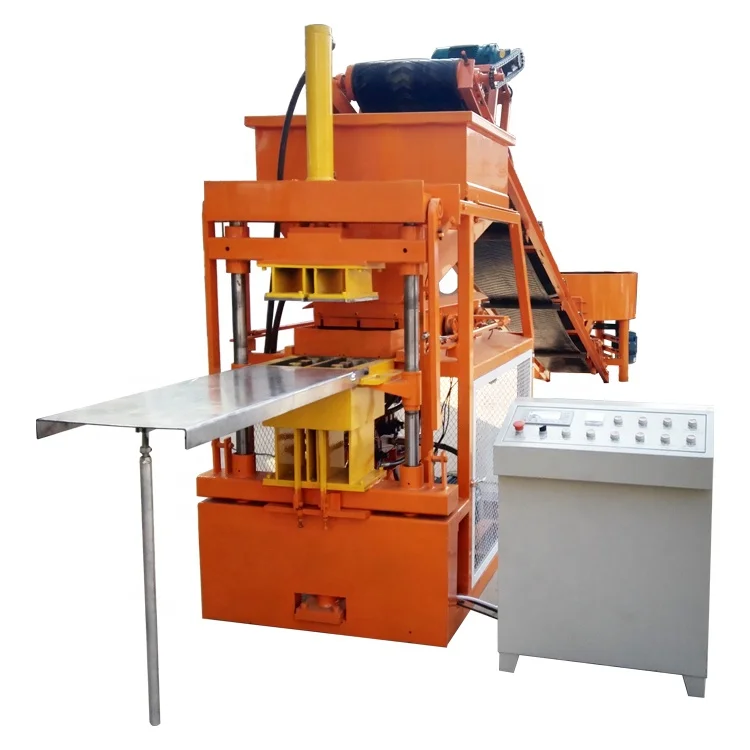
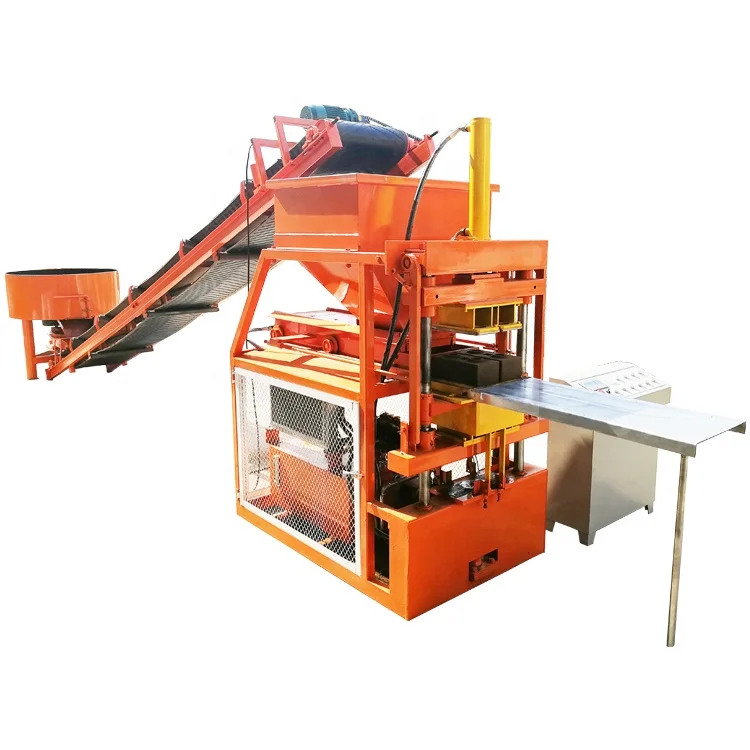
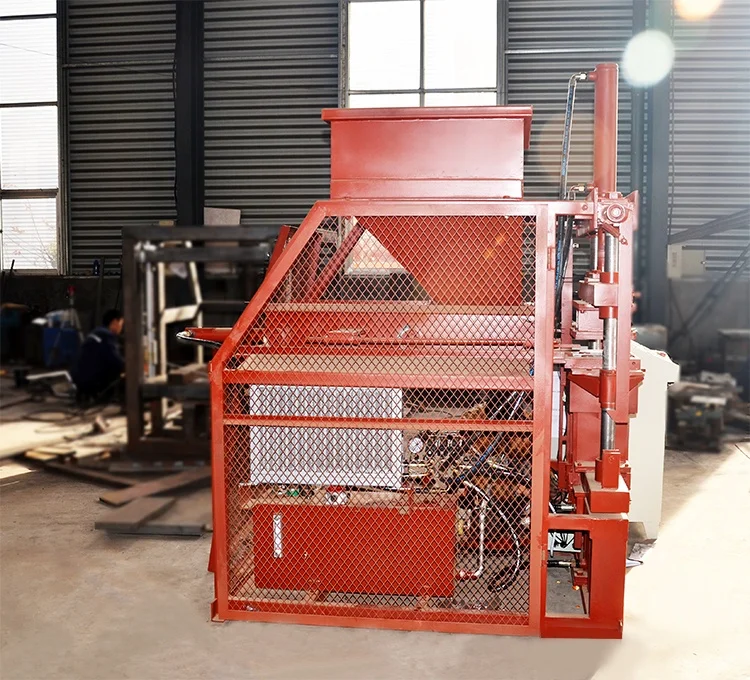
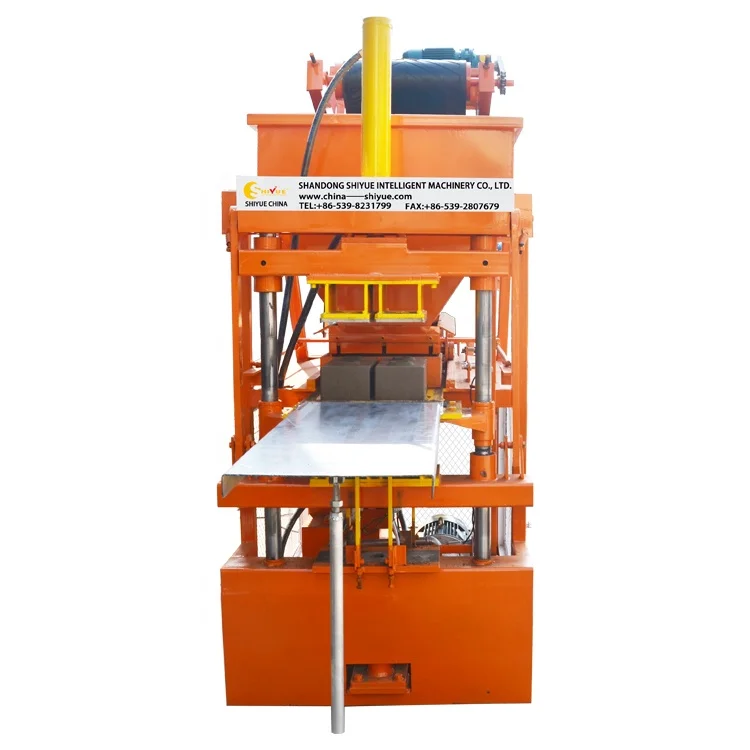
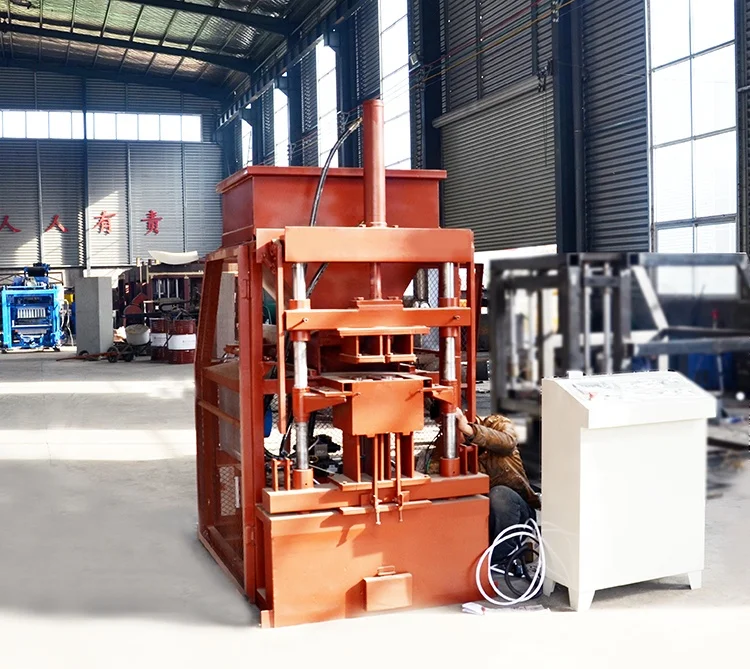
Description
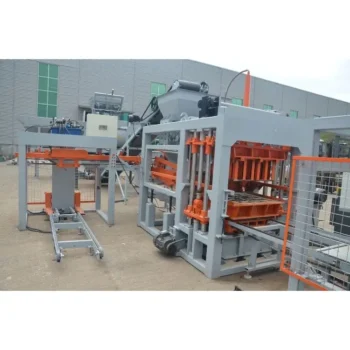
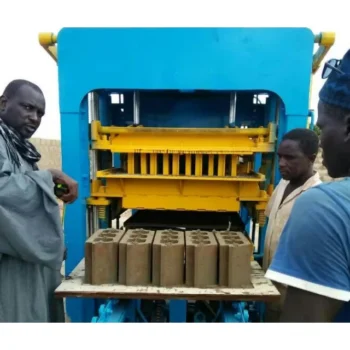
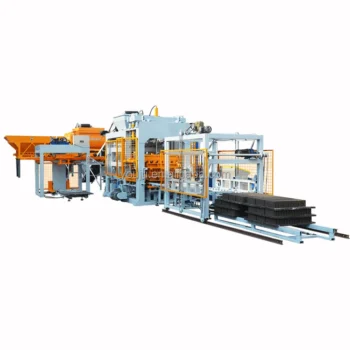
Format-Matched Capacity — the LY2-10 hydraulic interlocking clay brick machine is specified against the actual block profile your market sells, with output stated per mould size rather than a catalogue default.
Technical Specifications
| Parameter | Value |
|---|---|
| Model | LY2-10 |
| Product Type | Hydraulic Interlocking Clay Brick Making Machine |
| Overall Dimensions (L×W×H) | 1300×1800×2400mm |
| Net Weight | 1200kg |
| Power Source | Electric motor or Diesel engine |
| Rated Power | 7.5kW or 12HP |
| Voltage & Frequency | 380V, 3-phase, 50Hz (configurable to local standard) |
| Hydraulic Pressure | 16MPa |
| Cycle Time | 10s per press |
| Productivity per Format | 720 pcs/h for 300×150×100mm; 720 pcs/h for 250×125×60mm (2 pcs/mould) |
| Daily Output Capacity | 5,760 pcs/day (8h) (basis not stated in source — confirm block format and material) |
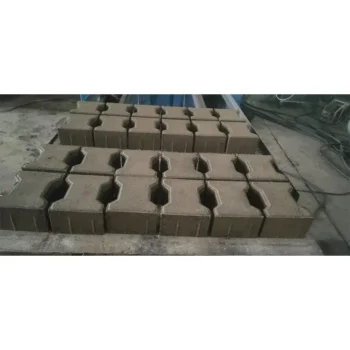
| Mould Format Options | 300×150×100mm and 250×125×60mm interlocking profiles |
| Pallet Requirement | None (pallet-free interlocking brick production) |
| Automation Level | Semi-automatic or automatic (configurable) |
| Motor Brand Option | Chinese Siemens Brand |
| Raw Materials | Clay + Cement (6–8% cement, 80–90% clay, 3% water) or Full Clay (97% clay, 3% water) |
| Warranty | 1 year (excluding quick-wear parts) |
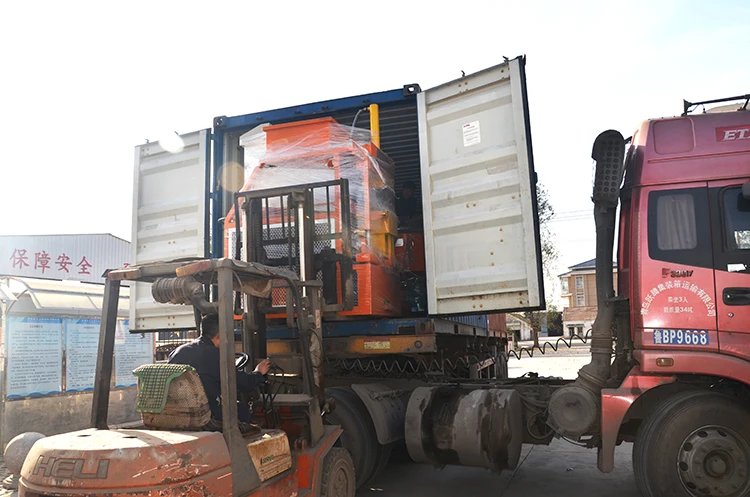
| Assembly State | Fully assembled |
Application Suitability
| Application | Material or Output |
|---|---|
| On-site interlocking wall brick production for housing projects | Clay-cement mix (6–8% cement) or full clay, pallet-free |
| Small brick plant targeting interlocking paver market | 300×150×100mm and 250×125×60mm formats from local clay |
| Construction contractors producing bricks on their own project site | Full clay or clay-cement using site-available aggregate |
| Existing clay product manufacturers adding interlocking formats | Interchangeable moulds on a single machine footprint |
What "5,760 Pieces per Day" Actually Means for Your Brick Format
Capacity only matters when tied to the exact interlocking brick size you intend to sell.
Quoting daily output without naming the block format is the most common reason buyers arrive on site and discover the machine produces far fewer saleable bricks than expected. The LY2-10 delivers 720 pieces per hour on both listed mould formats — but that figure assumes a consistent 10-second cycle with clay or clay-cement feed available at the press without interruption. In real production, material delivery gaps, mould change intervals, and operator pace all compress actual throughput [NEED_CITE: common causes of throughput shortfall in small clay brick plants]. Understanding the Hydraulic Interlocking Clay Brick Machine specifications against your target format is the only way to plan a realistic production schedule.
Pallet-Free Production and What It Removes from Your Investment
The LY2-10 presses interlocking bricks directly onto the ground or a prepared curing surface, eliminating pallets from the entire workflow. This means no pallet purchase, no pallet return system, and no curing rack infrastructure tied to a specific pallet dimension. For a first-time brick producer or a contractor setting up on a project site, the reduction in supporting equipment simplifies both capital outlay and daily handling. The trade-off is that curing area preparation and brick spacing become manual tasks, which must be factored into site planning before the machine arrives.
Matching Hydraulic Pressure to Your Clay Mix Design
The 16MPa hydraulic pressure rating on this machine is set for clay-based mixes — either full clay at 97% clay with 3% water, or a clay-cement blend with 6–8% cement content. Hydraulic pressure must compress the mix to a density that produces consistent interlocking strength without cracking the brick edges. If your local clay has a higher sand fraction or lower plasticity than the mix the machine was configured for, the pressure setting may need adjustment during commissioning. Confirming your raw material proportion against the machine’s hydraulic range before production prevents weak batches that fail compressive strength tests [NEED_CITE: relationship between hydraulic pressure and clay brick density in interlocking brick production].
Cycle Time, Mould Format, and Honest Daily Output
The 10-second cycle time applies to each press stroke across both available mould formats — 300×150×100mm and 250×125×60mm — each producing 2 bricks per cycle. At sustained operation, this yields 720 pieces per hour per format. The Hydraulic Interlocking Clay Brick Machine specifications list a daily capacity of 5,760 pieces over an 8-hour shift, but this figure carries no stated format assumption. Buyers should treat it as a theoretical maximum and plan actual output against their specific brick size, material feed reliability, and crew shift pattern. Mould change between formats also introduces downtime that compresses the productive window within a shift.
When the Wrong Voltage Reaches Your Site
Specifying voltage and frequency after the machine has shipped is a recurring cause of delayed commissioning. The LY2-10 is listed at 380V three-phase 50Hz, but many markets operate at different standards [NEED_CITE: voltage and frequency standards by export market]. A motor wound for 380V running on a 415V supply will overheat and shorten its service life, while a 50Hz motor on a 60Hz grid will run at a higher RPM than the hydraulic pump was rated for. Confirming the exact voltage, frequency, and phase at your site before production starts avoids rewinding or replacing the motor after the machine has already been dispatched.
Why Source the LY2-10 Through This Supply Channel
Block machinery is our single focus, which means the LY2-10 is specified as a matched system — press, mould, and material feed — rather than assembled from unrelated suppliers. Mould design covers the interlocking profiles your local market actually builds with, and custom mould drawings are available when standard formats do not match regional building practice. The automation level is selectable, allowing a buyer to start semi-automatic and add automation stages later as production volume justifies the investment. Configuration is set against the buyer’s local clay type and cement availability, not a catalogue default. Installation support includes operator training at the machine, and wear parts lists are built around the buyer’s actual shift pattern and local dust conditions.
Documentation & Verification
- Line layout with capacity calculation stated per interlocking brick format
- Mould drawing and format list confirming exact interlocking profile dimensions
- Hydraulic and electrical schematic for the 7.5kW motor and 16MPa circuit
- Voltage and control language confirmation sheet before production release
- Factory test record on your specified clay-cement or full clay mix
- Operation and maintenance manual covering mould change and wear part replacement
Installation, Commissioning & Support
- Foundation pad must support the 1200kg net weight and 1300×1800mm footprint on level ground
- Dedicated three-phase circuit matching confirmed voltage and frequency before machine energisation
- Machine ships fully assembled; only power connection and material feed setup required on site
- Hydraulic pressure verified at 16MPa during first-run commissioning against your clay mix
- Operator training covers 10-second cycle pacing, mould change procedure, and daily lubrication points
- Wear parts list includes mould springs and liners spec’d against your shift hours and dust exposure
Before You Request a Quotation
Provide the exact interlocking brick dimensions your market requires, the daily output you need to meet project or sales targets, and a sample or description of your local clay source. Confirm the voltage and frequency available at your site, along with the preferred control language for the operator interface. If you already have curing space or material handling equipment, share those details so the line layout accounts for what is already in place.
Frequently Asked Questions
Q: How is the 5,760 pieces per day figure calculated, and which brick format does it assume?
A: The daily capacity figure is derived from 720 pieces per hour over an 8-hour shift, but the source does not state which of the two available mould formats it assumes. Both the 300×150×100mm and 250×125×60mm formats produce 2 bricks per 10-second cycle at 720 pcs/h. Buyers should request a per-format output sheet to match capacity planning against the specific brick size their market demands.
Q: What mould formats are available, and how long does a mould change take?
A: The LY2-10 supports 300×150×100mm and 250×125×60mm interlocking profiles, each producing 2 bricks per cycle. Mould change time is not stated in the current specification sheet, so buyers who plan to run multiple formats in a single shift should request the changeover procedure and estimated duration before confirming configuration.
Q: Can the machine be configured for my local clay type and cement availability?
A: Yes. The LY2-10 is designed for clay-cement mixes (6–8% cement, 80–90% clay, 3% water) or full clay (97% clay, 3% water). The hydraulic pressure and cycle parameters should be validated against your specific clay source during commissioning to ensure brick density meets local building standards.
Q: What voltage and frequency options are available for my country’s grid?
A: The standard configuration is 380V three-phase at 50Hz, but the motor and control circuit can be configured to match local voltage and frequency standards. Confirming the exact supply at your site before production prevents motor overheating or hydraulic pump speed mismatch after delivery.
Q: What is the difference between semi-automatic and automatic configuration on this model?
A: The LY2-10 can be supplied in either semi-automatic or automatic configuration. Semi-automatic requires manual material feeding and brick removal, while automatic configuration handles these stages mechanically, reducing labour requirements per shift. The choice depends on your available workforce, target daily output, and budget for supporting equipment.