
Description
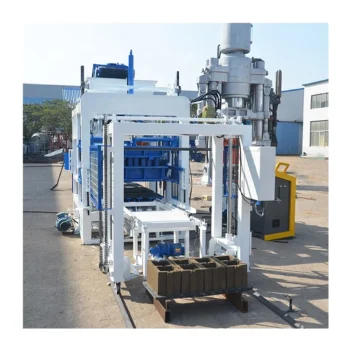
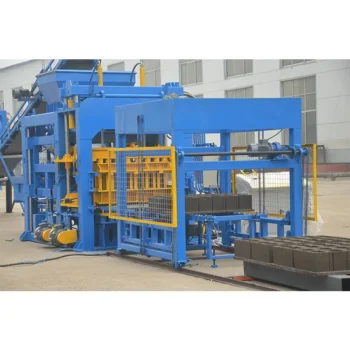
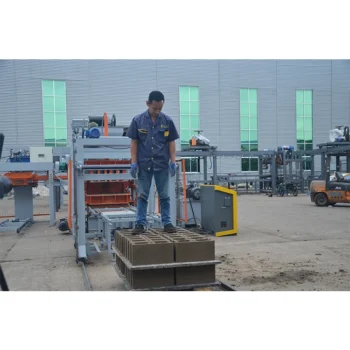
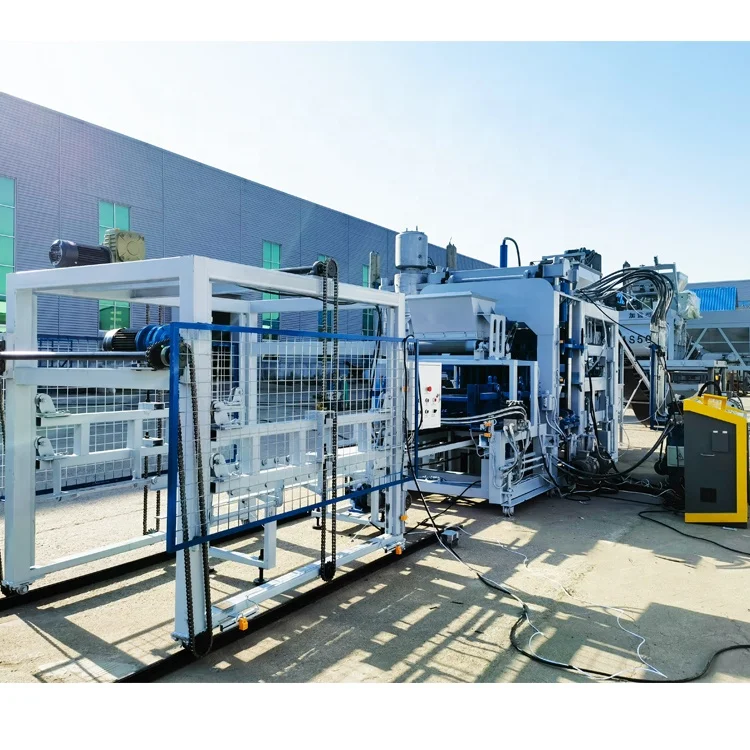
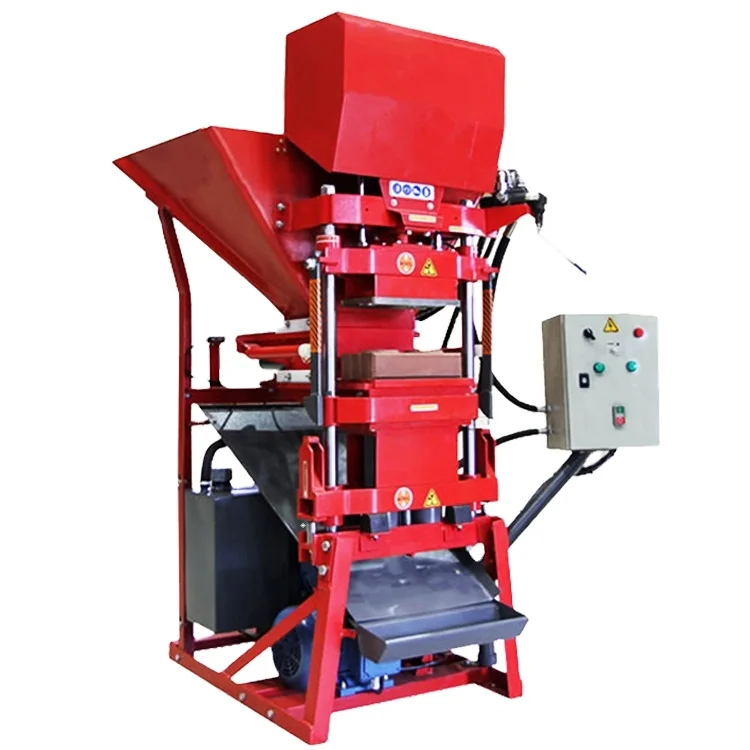
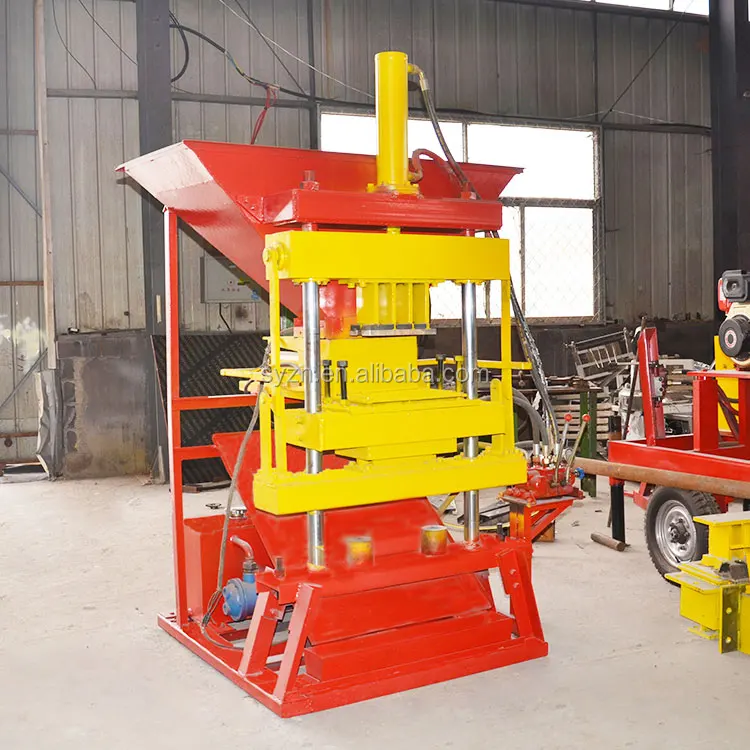
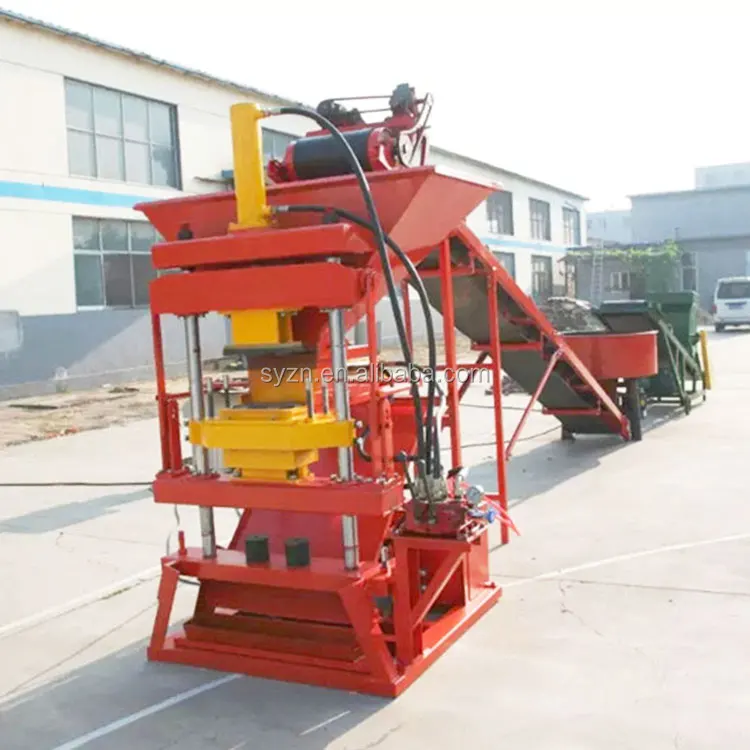
Configuration set against the buyer’s actual mix design, local aggregate and target block format — the ECO 2700 interlocking clay brick machine is specified to your project’s material reality rather than a generic catalogue default.
Technical Specifications
| Parameter | Value |
|---|---|
| Model | ECO 2700 |
| Product Type | Interlocking Clay Brick Machine |
| Rated Power | 7.5 kW (electric motor) or 12 HP (diesel engine) |
| Voltage & Frequency | 380V, 3-phase, 50Hz (customizable to local voltage) |
| Control System | Manual / Semi-automatic / Automatic options available |
| Overall Dimensions | 1000 × 1000 × 1800 mm |
| Net Weight | 1000 kg |
| Rated Pressure | Hydraulic 16 MPa |
| Cycle Time | 10–15 s |
| Output Capacity | 2500–3000 pcs/day (8h) (basis not stated in source — confirm block format / material / thickness) |
| Mould Format | 300 × 150 × 100 mm or 250 × 125 × 60 mm |
| Pallet Requirement | No pallets required (egg-laying / mobile type) |
| Raw Material | Clay + cement (clay 80–90%, cement 6–8%, water 3%) or full clay (clay 97%, water 3%) |
| Power Source | Electric motor or diesel engine (buyer selectable) |
| Motor Brand Option | Chinese Siemens brand |
| Warranty | 1 year (excluding wearing parts) |
Application Suitability
| Application | Material or Output |
|---|---|
| On-site interlocking brick production for housing projects | Locally sourced clay mixed with cement at 6–8% ratio |
| Small-scale block plants adding interlocking format | Clay + cement or full clay mix depending on compressive strength requirement |
| Infrastructure contractors producing bricks at remote sites | Diesel engine option for locations without stable grid supply |
| First-time brick production entrepreneurs | Low capital entry with pallet-free egg-laying design |
What "2500 Bricks Per Day" Actually Means for Your Format
Daily output on the ECO 2700 depends entirely on which interlocking brick format you run and what clay mix feeds the machine.
I have watched buyers receive an interlocking clay brick machine based on a headline capacity number, only to discover the figure assumed a block format their market does not buy. The ECO 2700 carries a 10–15 second cycle time, but that cycle produces one brick per press with the 300 × 150 × 100 mm mould and one brick with the 250 × 125 × 60 mm mould. When you multiply by an eight-hour shift and subtract mould change, material delays and operator breaks, the realistic daily count shifts considerably. The quoted 2500–3000 pieces per day needs to be confirmed against your exact format and local clay behaviour. [NEED_CITE: block output calculation methods by format and shift pattern]
Mould Format and Output Reality
The two available mould sizes — 300 × 150 × 100 mm and 250 × 125 × 60 mm — each produce one brick per cycle at 320–400 pieces per hour. Those hourly figures assume uninterrupted material feed and no mould switching. When sizing an interlocking clay brick machine, the buyer should state which of the two formats their local construction market requires, because running the wrong profile means unsellable inventory.
Pallet-Free Production and Site Layout
The egg-laying design means bricks cure directly on the ground where the machine deposits them. This removes pallet purchase cost and pallet handling labour from the operation, but it demands a flat, prepared curing area large enough to hold a full day’s output. Buyers working on uneven terrain or confined project sites need to plan the curing footprint before the machine arrives. [NEED_CITE: site preparation standards for mobile egg-laying block machines]
Hydraulic Pressure and Brick Density
The 16 MPa rated hydraulic pressure compacts the clay-cement mix into the interlocking profile. Higher pressure drives denser bricks with greater compressive strength, but only if the mix moisture and clay-to-cement ratio are matched to that pressure. A wetter mix under 16 MPa will squeeze out of the mould cavity rather than form a clean edge. The raw material specification — clay 80–90% with cement 6–8% and water at 3%, or a full clay option at 97% clay with 3% water — sets the boundary within which the hydraulic pressure produces a structurally sound interlocking brick.
When the Mix Does Not Match the Machine
I have seen clay brick machines specified for river-washed clay arrive at sites where the only available material was high-silt floodplain soil. The bricks crumbled after demoulding because the local clay lacked the plasticity the hydraulic cycle expected. With the ECO 2700, the dual mix option gives some flexibility, but the buyer must test their actual clay source before committing to a production schedule. Confirming the raw material behaviour during the inquiry stage prevents costly reformulation after the machine is on-site. [NEED_CITE: clay plasticity testing standards for compressed earth block production]
Why Procurement Decisions Here Reduce Specification Risk
Block machinery as a single focus means the ECO 2700, its mould, and the supporting handling approach are specified as one matched system. The machine configuration is set against the buyer’s actual clay type and target interlocking profile rather than pulled from a default table. Mould design covers the two interlocking formats listed and can be extended with custom drawings for additional profiles. The automation level is selectable between semi-automatic and automatic, allowing a buyer to start with a lower capital outlay and upgrade later. Installation support includes operator training on the specific mix and format the buyer will run.
Documentation & Verification
- Line layout and capacity calculation stating the interlocking brick format assumed for daily output
- Mould drawing confirming the interlocking profile matches the buyer’s local construction standard
- Hydraulic and electrical schematic with confirmed voltage, frequency and control language
- Factory test record using the buyer’s specified clay-cement ratio before dispatch
- Operation and maintenance manual with wear parts and mould replacement schedule
Installation, Commissioning & Support
- Ground preparation for the 1000 × 1000 mm footprint on a level curing surface
- Electrical connection to a dedicated 3-phase 380V circuit or diesel engine fuel supply setup
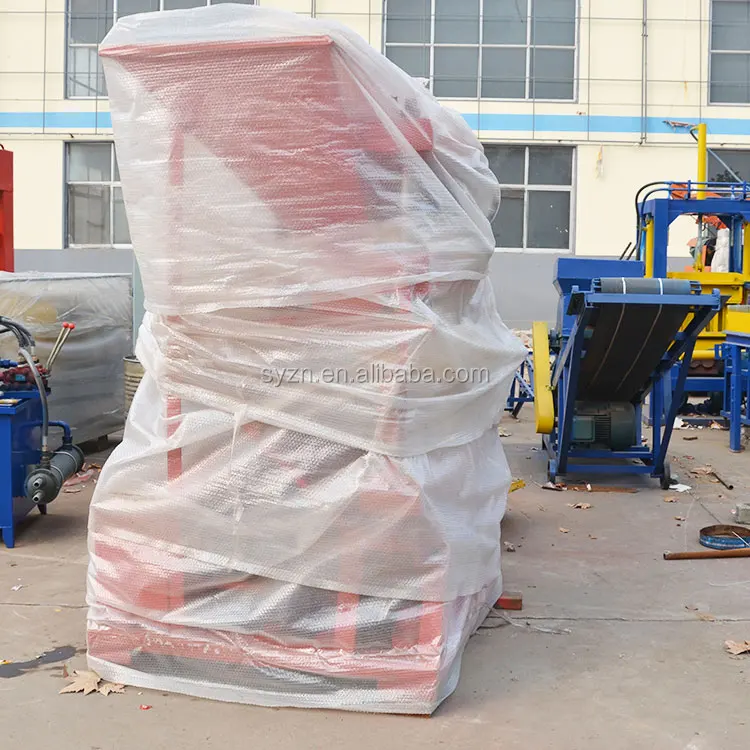
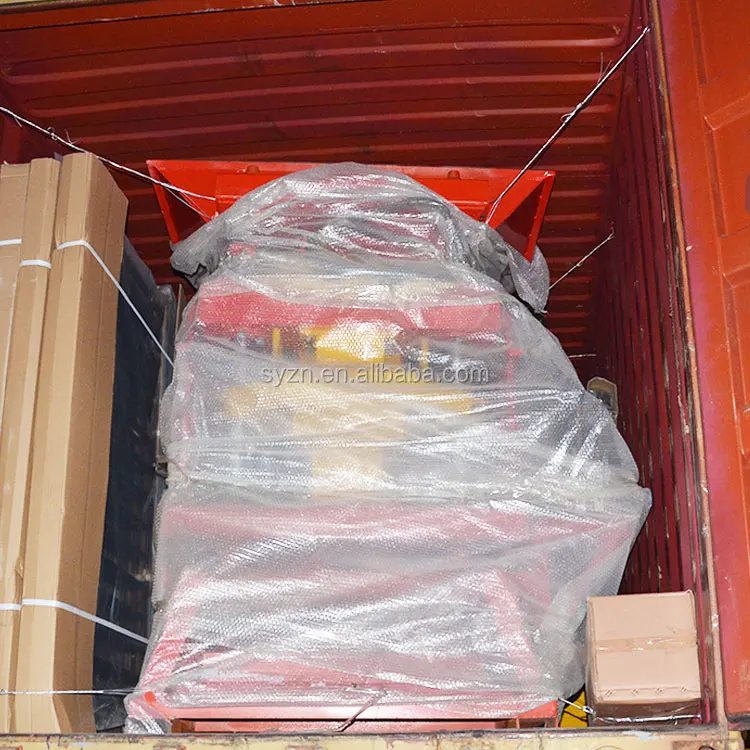
- Machine arrives fully assembled as a single mobile unit requiring no structural assembly
- First-run commissioning with mix ratio adjustment to the buyer’s local clay source
- Operator training on mould change procedure between the two interlocking formats
- Wear parts list and mould maintenance schedule provided at handover
What to Prepare Before Requesting a Quote
To size the ECO 2700 accurately, share the interlocking brick format your local market sells, the clay type available at your project site, and whether grid electricity at the correct voltage is accessible. If you are working in a remote area, specify the diesel engine option and confirm local fuel availability. Note your available curing area dimensions so the pallet-free layout can be planned around your site constraints.
Frequently Asked Questions
Q: How is daily output calculated and which interlocking brick format is it based on?
A: The 2500–3000 pieces per day figure needs confirmation against your chosen format. The ECO 2700 produces one brick per 10–15 second cycle on either the 300 × 150 × 100 mm or 250 × 125 × 60 mm mould. Real output must factor in material feed continuity, mould changes and shift breaks. We calculate capacity per format before quoting.
Q: What clay type does the ECO 2700 require and can it work with my local aggregate?
A: The machine accepts a clay-cement mix at 80–90% clay with 6–8% cement and 3% water, or a full clay mix at 97% clay. Your local clay plasticity and silt content affect brick integrity after demoulding. We request a sample description of your available clay before finalizing the configuration to ensure the 16 MPa pressure produces clean interlocking profiles.
Q: How long does a mould change take and can I order additional profiles later?
A: Mould change time on the ECO 2700 depends on the operator’s familiarity and the interlocking profile complexity. Additional moulds can be ordered to custom drawings if your market requires a profile beyond the two standard formats. We provide the mould drawing and format list at the proposal stage so you can confirm compatibility before production begins.
Q: What hydraulic pressure is applied and how does that affect block strength?
A: The ECO 2700 operates at 16 MPa rated hydraulic pressure. This pressure compacts the clay-cement mix to produce interlocking bricks with sufficient compressive strength for load-bearing or infill wall applications, provided the mix moisture stays within specification. Overly wet material will extrude from the mould cavity instead of forming a clean brick edge under this pressure.
Q: What voltage options are available and is the control display in my language?
A: The standard configuration is 380V three-phase at 50Hz, but voltage is customizable to match your local grid supply. Control system options include manual, semi-automatic and automatic modes. The PLC display language must be confirmed before production starts so operators can read parameters in their working language at commissioning.