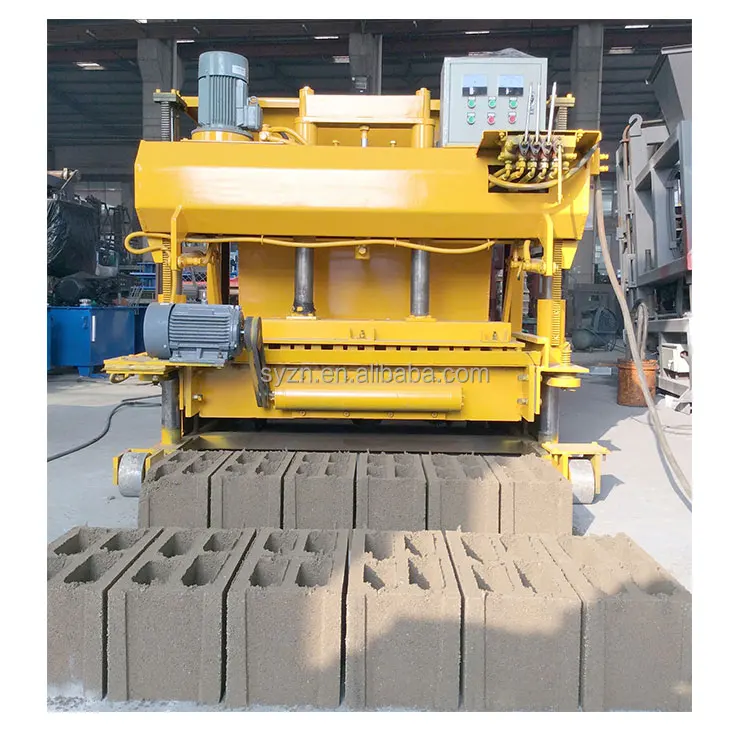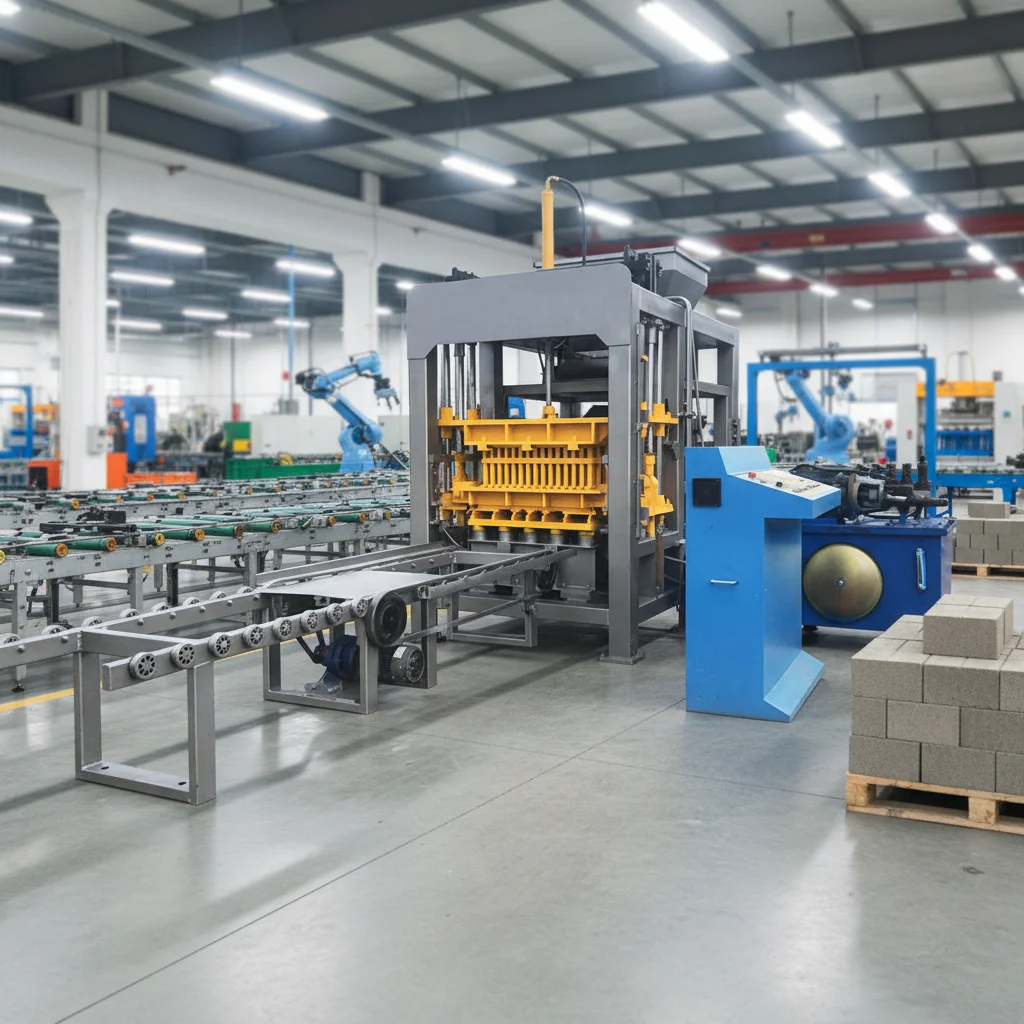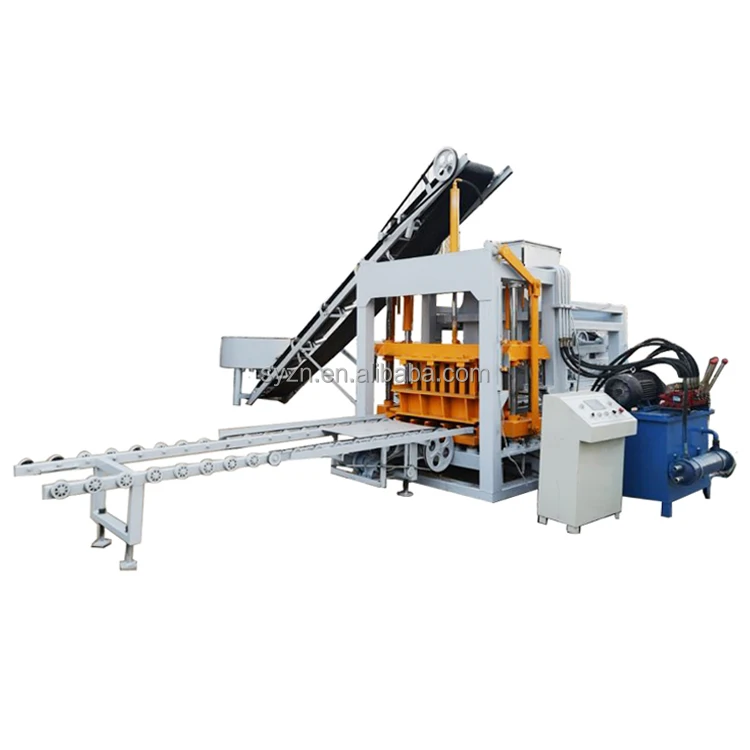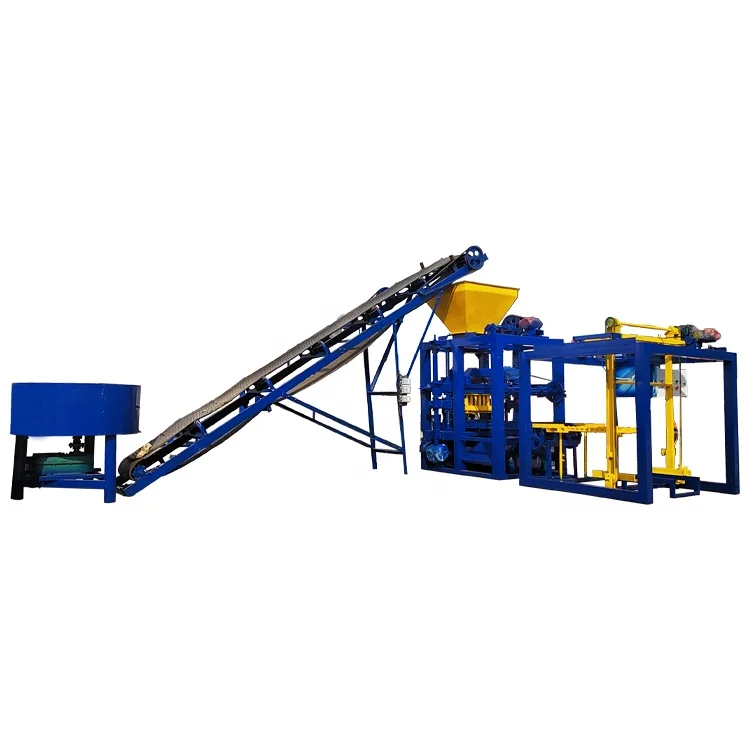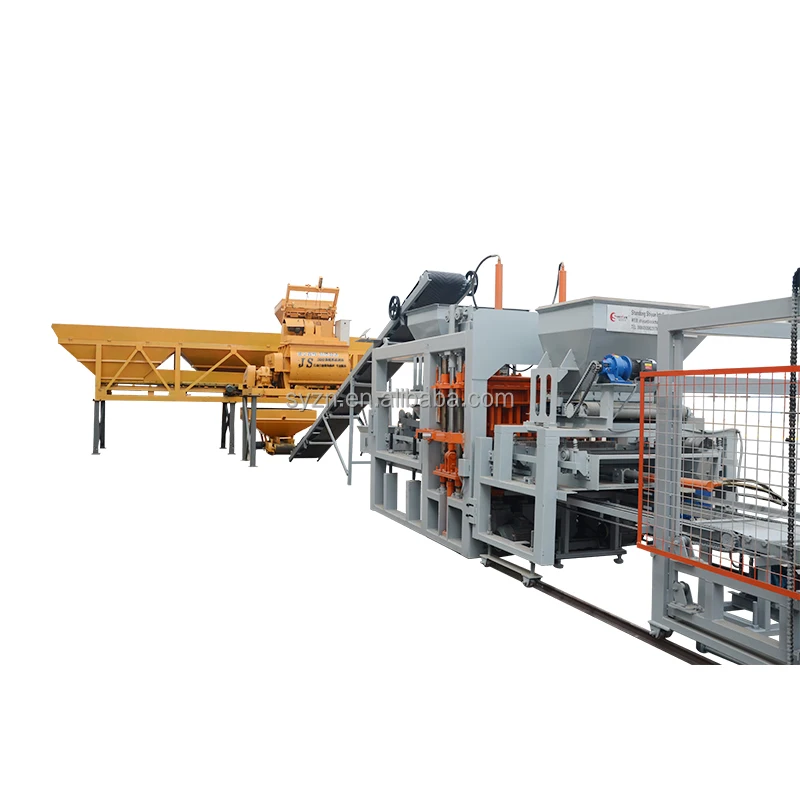
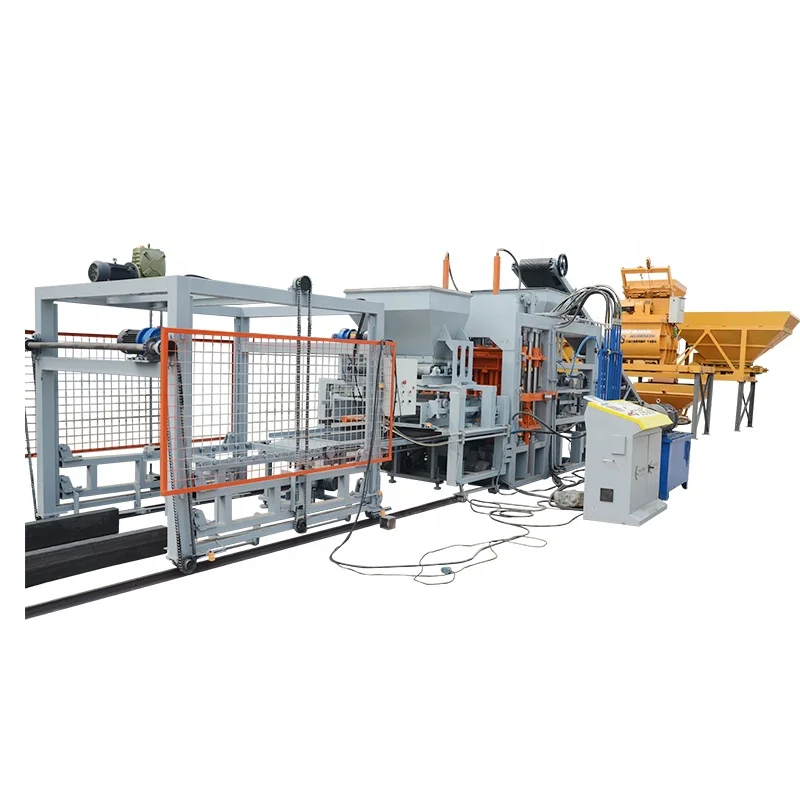
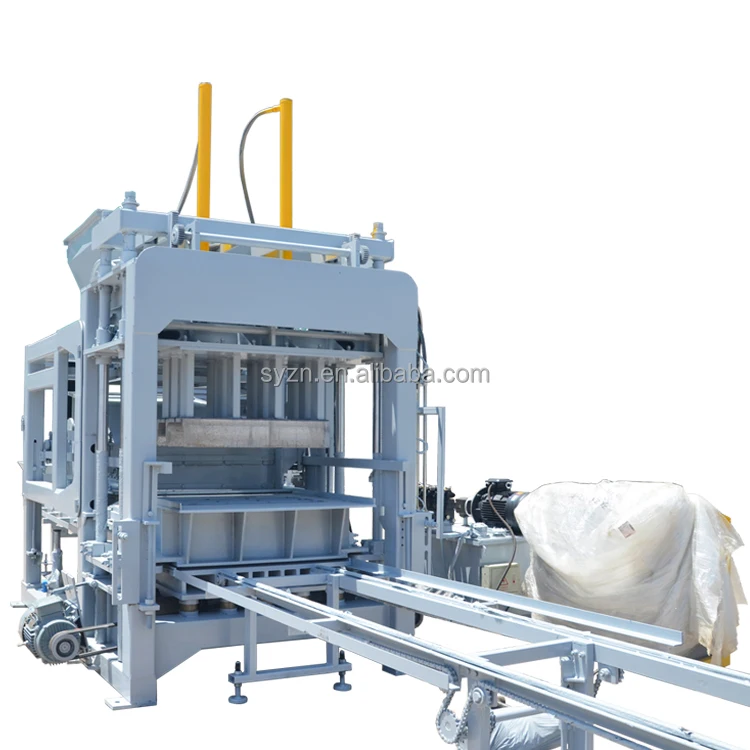
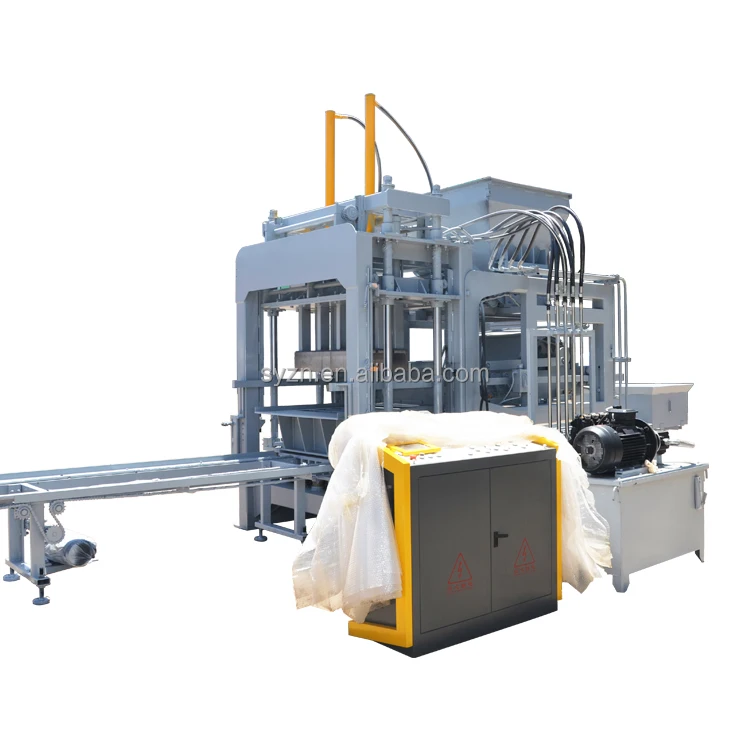
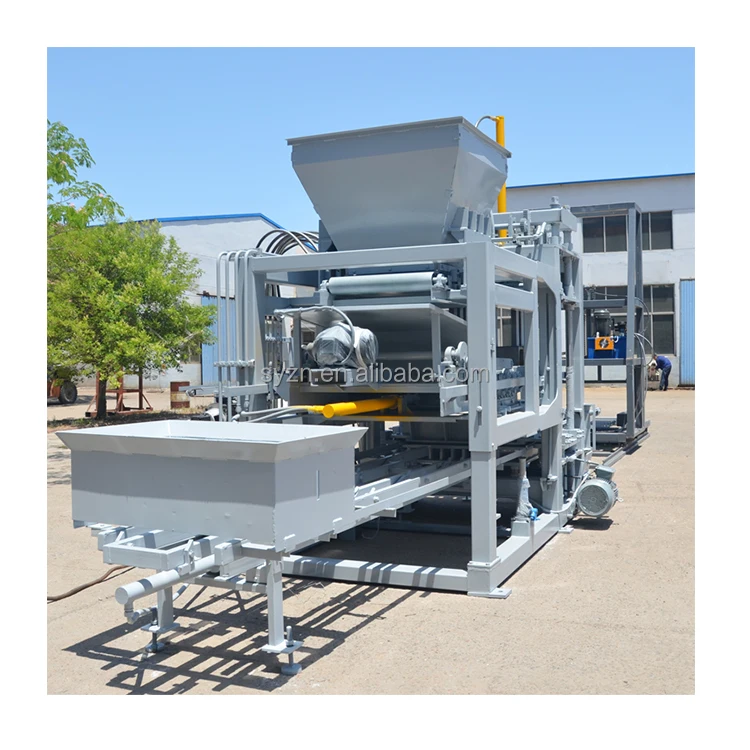
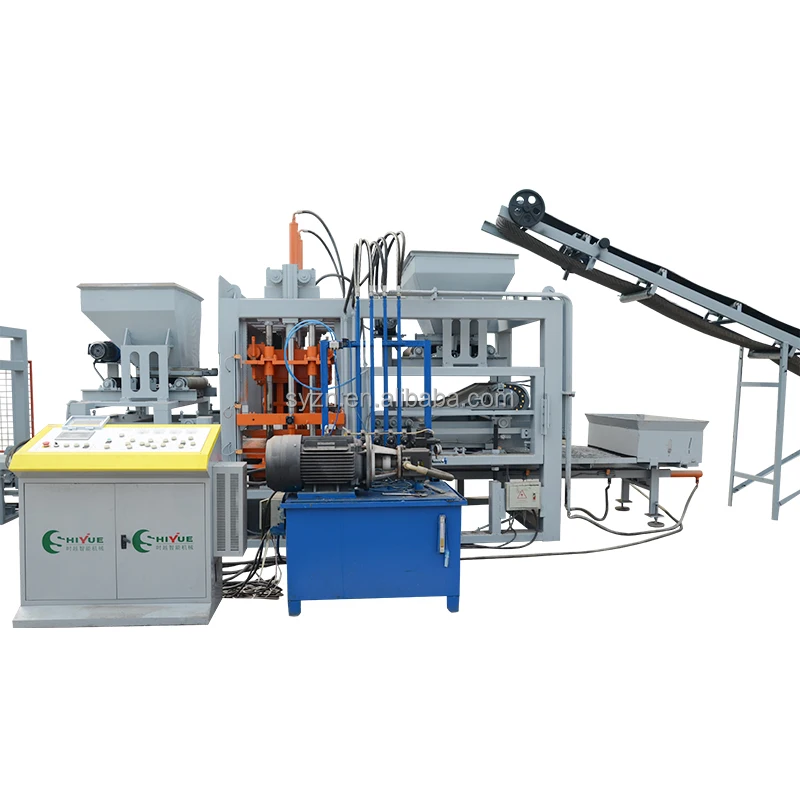
Description
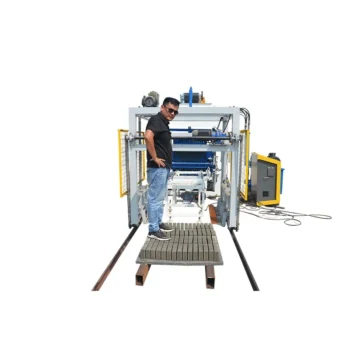
Matched System Design — Every QT7-15 block machine configuration is set against your actual mix design, target block format and local aggregate rather than a catalogue default.
Technical Specifications
| Parameter | Value |
|---|---|
| Model | QT7-15 |
| Product Type | Hydraulic Concrete Block Making Machine |
| Brand | Shiyue |
| Pallet Size | 1150 × 700 mm |
| Molding Cycle | 15–20 s (format dependent) |
| Overall Power | 45 kW |
| Vibration Force | 100 kN |
| Vibration Frequency | 0–60 Hz (adjustable) |
| Vibration Form | Platform Vibration |
| Total Mass | 8 T |
| Demolding Method | Hydraulic |
| Control System | PLC with touch screen interface, remote fault diagnosis capable |
| Output Capacity (Hollow Block 400×200×200 mm) | 10,080–13,440 pcs / 8 hr (based on 7 pcs/mould, 15–20 s cycle) |
| Output Capacity (Hollow Block 400×150×200 mm) | 11,520–15,360 pcs / 8 hr (based on 8 pcs/mould, 15–20 s cycle) |
| Output Capacity (Rectangular Paver 200×100×60 mm) | 31,104–38,880 pcs / 8 hr (based on 27 pcs/mould, 20–25 s cycle) |
| Mould Change System | Quick replacement for multi-format production |
| Automation Level | Automatic with PLC intelligent control |
| Voltage & Frequency | Configurable — must be confirmed before ordering (basis to be confirmed) |
| CE Declaration | Available where applicable (specific certification for this model to be confirmed) |
Application Suitability
| Application | Material or Output |
|---|---|
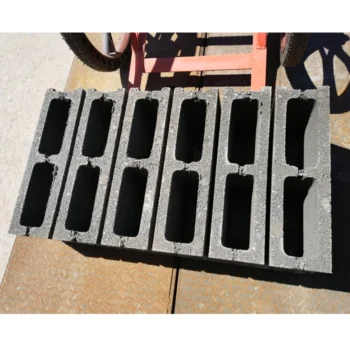
| Hollow block production | 400×200×200 mm and 400×150×200 mm formats from crushed stone, sand and cement |
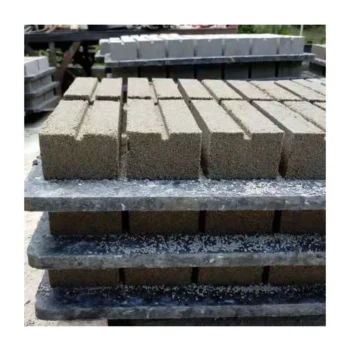
| Solid block production | Standard and custom wall block formats from local aggregate and cement |
| Rectangular paving brick | 200×100×60 mm pavers from fine aggregate, cement and pigment where required |
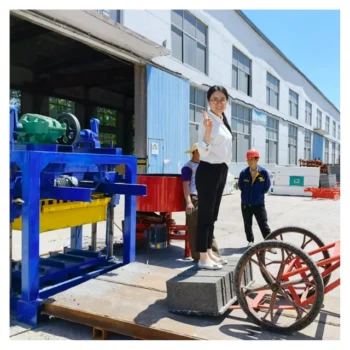
| On-site contractor production | Construction blocks produced locally for housing and development projects |
| Existing range expansion | Building material distributors adding paver or interlocking formats to current lines |
What "10,000 Blocks per Day" Actually Means on the QT7-15
Output only matters when tied to the exact block format and cycle time you will run.
I learned this the hard way early in my career. I once specified a hydraulic block machine based on a sample capacity figure, signed the contract, and watched the buyer’s real daily output come in at barely half of what the brochure promised. The problem was not the machine — it was that the quoted figure assumed a standard hollow block while the buyer’s market ran a denser format with a different aggregate. That experience shaped how I approach every QT7-15 block machine specifications proposal now: every capacity number must carry its format, mould count and cycle time as part of the same sentence [NEED_CITE: block format and cycle time assumptions in capacity quoting].
Honest Capacity Breakdown by Block Format
When a technical buyer evaluates the QT7-15 block machine specifications, the first question should be which block format the capacity figure assumes. For a 400×200×200 mm hollow block at seven pieces per mould with a 15–20 second cycle, realistic output sits between 10,080 and 13,440 pieces across an eight-hour shift. Switch the mould to a 400×150×200 mm hollow block at eight pieces per mould and the same machine delivers 11,520 to 15,360 pieces. These numbers are not interchangeable — they belong to their specific format.
Why Paver Output Looks Different from Block Output
Rectangular pavers at 200×100×60 mm fit 27 pieces per mould, but the cycle extends to 20–25 seconds because the smaller format requires a denser compaction phase. That gives 31,104 to 38,880 pieces per eight-hour shift on the QT7-15 block machine. Buyers who compare this figure directly to the hollow block number without accounting for cycle time and mould count end up with a distorted picture of what the press can actually deliver [NEED_CITE: cycle time variation across block and paver formats].
Reading the Vibration and Pressure Numbers Together
Platform vibration at up to 100 kN with an adjustable 0–60 Hz frequency is the core compaction mechanism on the QT7-15. The vibration force and hydraulic demolding pressure must be matched to the buyer’s specific mix design and local aggregate. If the aggregate is lightweight volcanic ash, the vibration profile needs to differ from one built around dense crushed basalt. Getting this wrong does not just reduce block strength — it produces inconsistent output across the same production run, which is exactly what a technical buyer cannot afford when supplying blocks to a structural specification.
The Hidden Cost of Skipping the Mix Design Conversation
I have seen buyers receive a block machine configured for a standard river-sand mix, only to discover their local aggregate is entirely different. The vibration force and pressure settings that work for one material produce weak, crumbling blocks with another. The result is not a machine fault — it is a specification fault. By the time the buyer realises this, the machine is on site, the moulds are cut, and reconfiguring takes time and money that was never budgeted [NEED_CITE: aggregate mismatch and block strength inconsistency].
Why This Machine Is Specified, Not Just Sold
Every QT7-15 proposal starts with the buyer’s target block format, daily output requirement and local raw material conditions. The pallet size of 1150 × 700 mm is checked against the buyer’s existing curing racks and forklift capacity before the order is placed. Voltage, frequency and PLC display language are confirmed before production begins — not after the container arrives. The mould drawing and format list are shared so the buyer knows exactly which formats are standard and which require custom tooling. This is how a machine, mould, pallet and handling system end up working as one matched line instead of a collection of mismatched components.
Documentation & Verification
- Line layout and capacity calculation naming the block format behind each output figure
- Mould drawing and format list confirming standard versus custom tooling included
- Pallet specification matched to your curing rack dimensions and forklift load rating
- Voltage, frequency and PLC display language written into the production order before build
- Factory test record showing cycle time and block release on your confirmed mix design
- Operation and maintenance manual with wear parts and mould replacement schedule
Installation, Commissioning & Support
- Foundation layout provided for the 8 T machine mass and 1150 × 700 mm pallet footprint
- Dedicated power circuit planned around the 45 kW overall power draw and confirmed voltage
- PLC touch screen configured in the buyer’s language before the machine leaves the factory
- On-site mould change procedure trained so format switches do not consume a full shift
- Hydraulic demolding system calibrated to the buyer’s mix during first-run commissioning
- Wear parts and mould list supplied so the first replacement order is planned, not urgent
What to Include with Your Inquiry
To size the QT7-15 correctly, we need your target block format and daily volume, the local aggregate type you will be using, your existing curing area dimensions and forklift capacity, and the voltage and frequency standard at your site. If you already run a block line, let us know the pallet size and handling equipment in place so the configuration aligns with what you have.
Frequently Asked Questions
Q: How is capacity verified for each block format on the QT7-15?
A: Each output figure is calculated from the specific mould cavity count and cycle time for that format. For hollow blocks at 400×200×200 mm, seven cavities and a 15–20 second cycle produce 10,080–13,440 pieces per eight-hour shift. The capacity proposal names the format, mould count and cycle assumption so there is no guesswork.
Q: What mould formats are available, and how does a change work?
A: The QT7-15 supports hollow block, solid block and rectangular paver moulds with a quick replacement system. Standard formats are listed on the mould drawing provided with the proposal. Custom formats can be designed to buyer drawings. Mould change time depends on the specific format pair and should be confirmed during specification.
Q: How should local aggregate influence vibration and pressure settings?
A: Lightweight aggregates like volcanic ash require different vibration frequency and force profiles compared to dense crushed stone. The QT7-15 vibration system adjusts from 0–60 Hz to accommodate this. Settings must be matched during specification using the buyer’s actual mix design, not a default catalogue profile.
Q: What pallet size and material should be chosen?
A: The standard pallet size is 1150 × 700 mm. Before ordering, this must be verified against the buyer’s existing curing rack spacing and forklift fork dimensions. Pallet material is selected based on the curing environment and expected handling frequency across the production shift.
Q: Which electrical and control details must be confirmed before shipment?
A: Voltage, frequency and PLC display language are not standard defaults — they vary by export market. These must be confirmed in writing before production begins so the machine arrives ready for commissioning without electrical rework or an unreadable control screen.