


Description
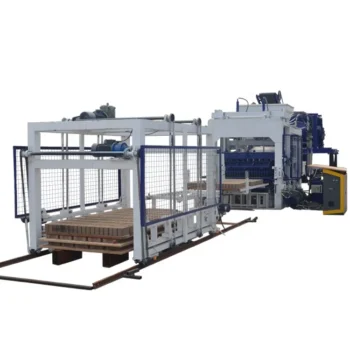
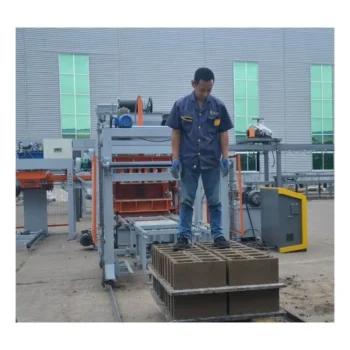
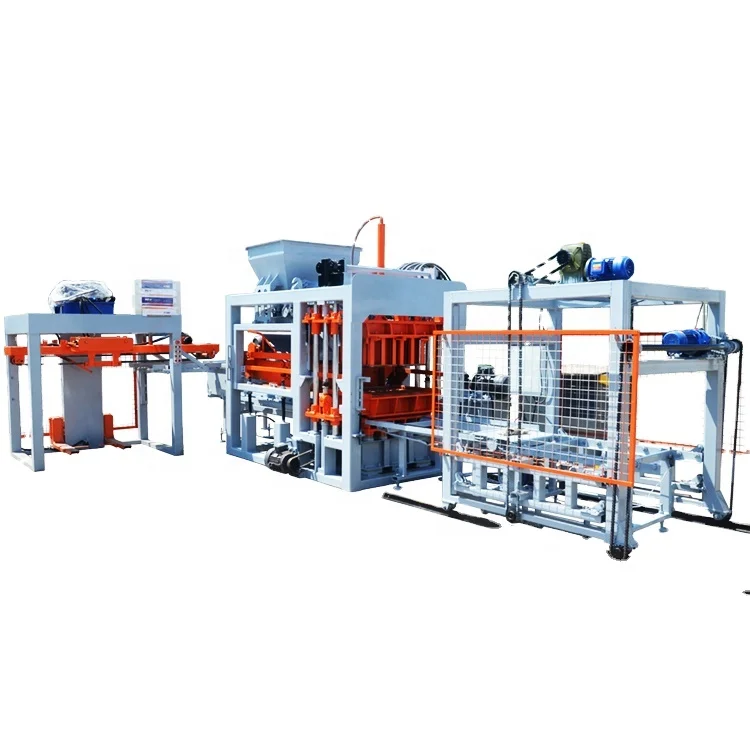
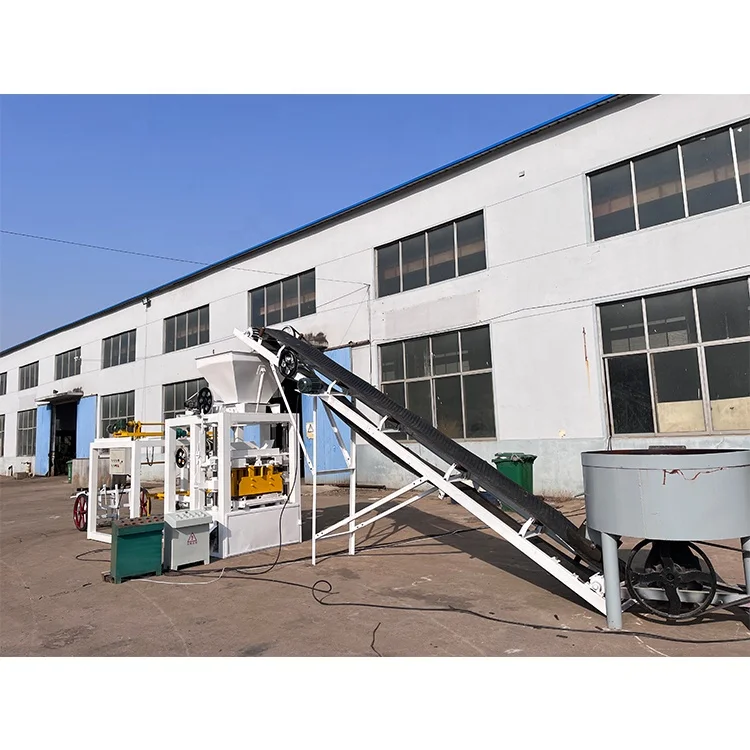
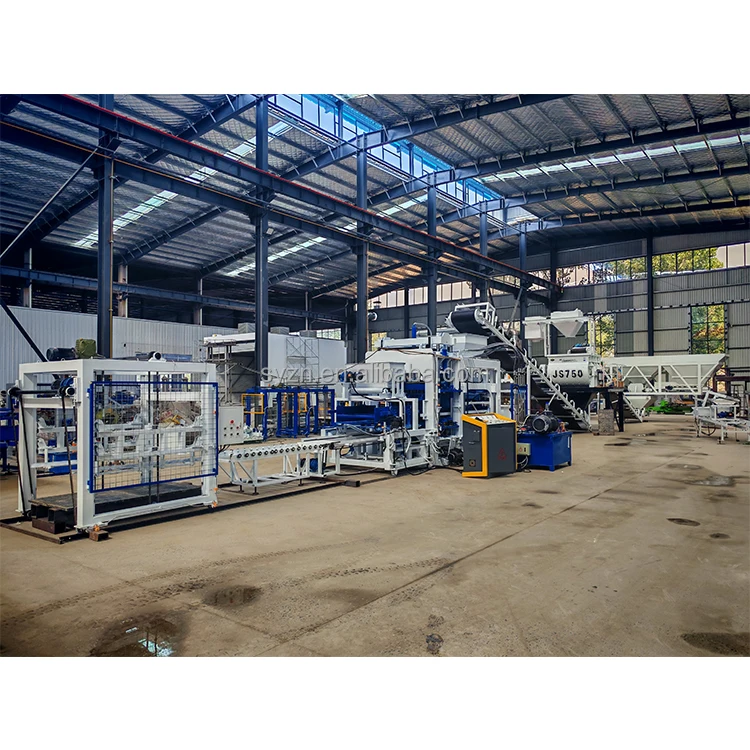
Configuration Locked to Market — every QT8-15 block machine is sized against your specific block format, local aggregate, and required strength rather than a generic catalogue output figure.
Technical Specifications
| Parameter | Value |
|---|---|
| Product Type | Full Automatic Hydraulic Block Making Machine |
| Model | QT8-15 |
| Overall Dimensions (L×W×H) | 8300 × 1860 × 3000 mm |
| Total Mass | 8 T |
| Rated Pressure | 21 MPa |
| Main Vibration Form | Platform Vibration |
| Vibration Frequency | 2800–4500 r/min |
| Vibration Force | 45 kN |
| Pallet Size | 950 × 900 mm |
| Molding Cycle | 15–20 s (basis not stated in source — confirm block format and material) |
| Overall Power | 55.5 kW |
| Demolding Method | Hydraulic |
| Factory Area Required | 300 m² |
| Automation Level | Full Automatic |
| Voltage & Frequency | Configurable to buyer’s site supply (to be confirmed) |
| Control System | PLC-based (language to be confirmed) |
| Container Loading | 1 × 40HQ (basic equipment) |
Application Suitability
| Application | Material or Output |
|---|---|
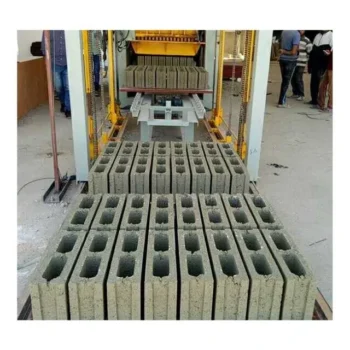
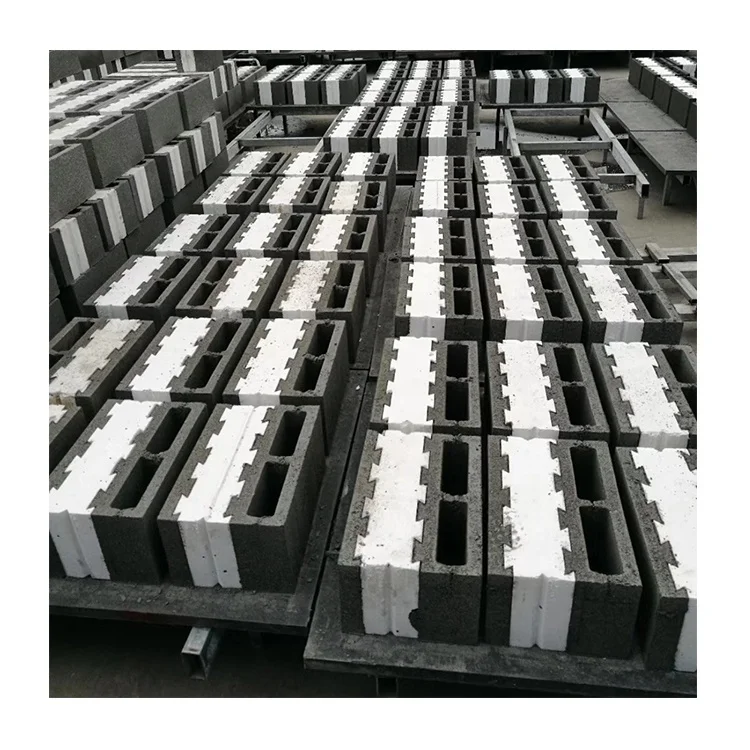
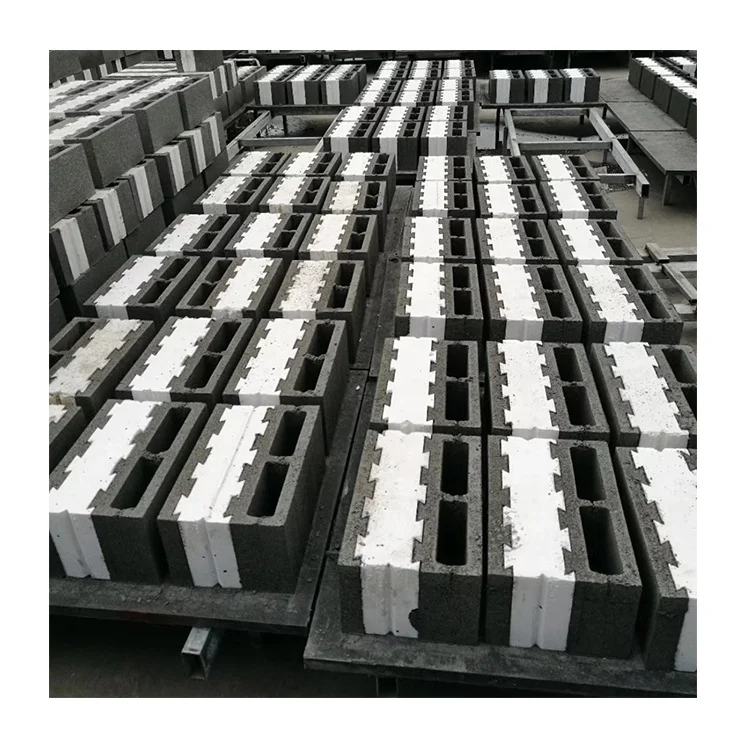
| Hollow block production for load-bearing walls | Crushed stone, sand, cement, fly ash |
| Solid block manufacturing for structural masonry | Gravel, sand, cement blends |
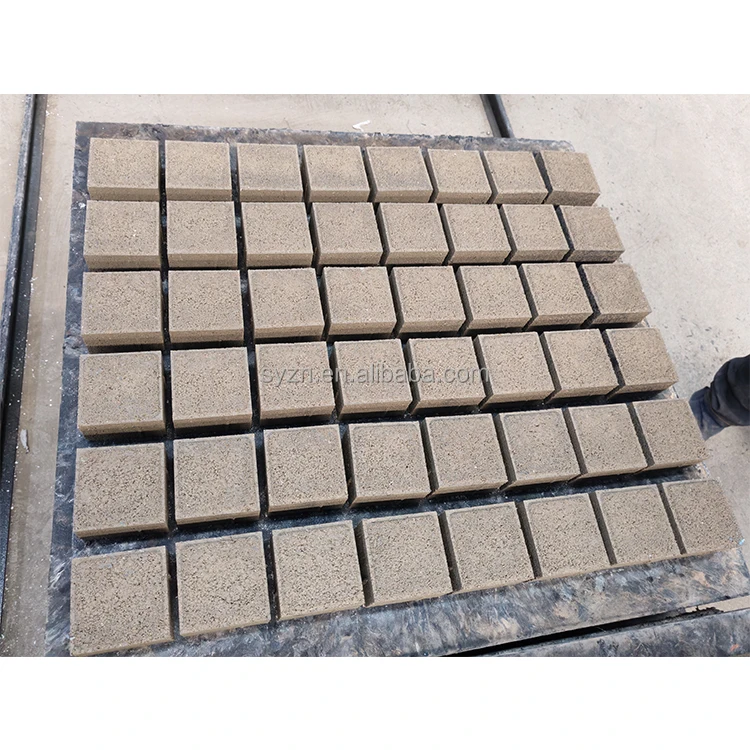
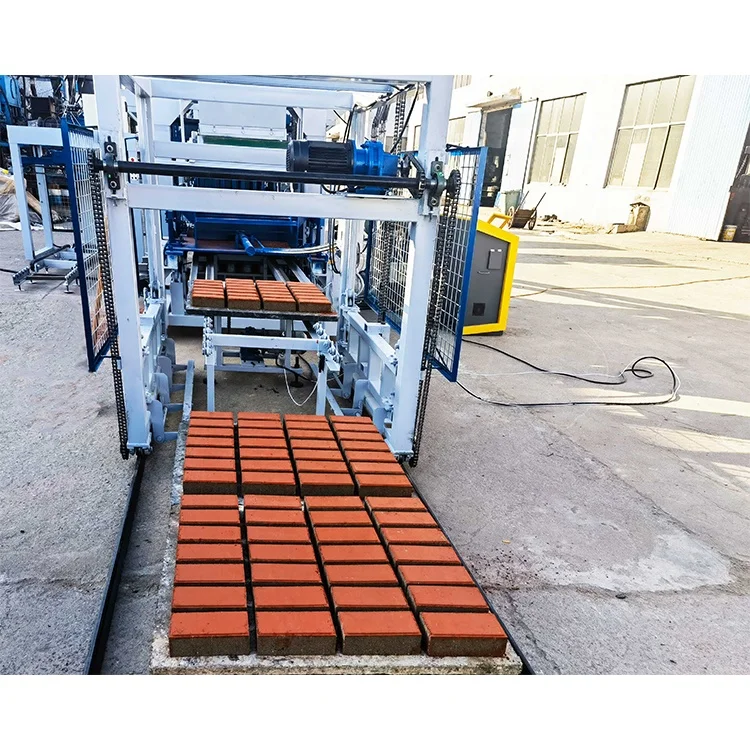
| Paving block and colored paver runs | Fine aggregate with cement and pigments |
| Interlocking block and curbstone forming | Dense mix designs with slag or dust |
| On-site production for housing projects | Locally sourced sand and crushed stone |
What "15–20 Seconds per Cycle" Actually Means for Your Output
Cycle time only translates to real output when you know which block format sits on the pallet.
The QT8-15 block machine specifications list a 15–20 s molding cycle, but that figure shifts depending on whether you are pressing standard hollow blocks, dense interlocking pavers, or tall curbstone. A buyer who quotes daily capacity from the fastest cycle without checking the format will find the press idle while the pallet feeder catches up, or worse, producing blocks that crack during curing because the cycle was rushed. I have seen project timelines slip because the capacity calculation assumed a format the buyer never intended to sell. The honest approach is to confirm the exact mould, the mix design, and the target strength before any output figure is written down [NEED_CITE: block format impact on cycle time and daily throughput].
Matching Vibration Force to Your Aggregate Profile
Platform vibration at 45 kN with adjustable frequency between 2800 and 4500 r/min gives the QT8-15 enough range to compact both lightweight fly ash mixes and dense crushed-stone blends. The frequency must be matched to the particle size of your local aggregate — too high on coarse gravel causes segregation, too low on fine sand leaves voids. Every QT8-15 block machine specifications sheet we issue records the vibration setting validated during the factory test with your sample mix.
Pallet Size as a Line Constraint, Not a Machine Detail
The 950 × 900 mm pallet determines how many blocks fit per cycle, but it also dictates the curing rack spacing, the forklift tine width, and the stacking pattern in your yard. A buyer who confirms pallet size only after the machine arrives will spend weeks rearranging the curing area [NEED_CITE: pallet and curing area compatibility in block plants]. We check your existing handling equipment and yard layout before the QT8-15 enters production so the pallet specification aligns with the rest of your operation.
Reading the Specs That Matter for Block Density
Hydraulic demolding at 21 MPa rated pressure works together with the 45 kN vibration force to determine the final block density and compressive strength. Higher pressure compacts the mix more tightly but requires a stiffer mix to avoid sticking in the mould. The 55.5 kW total power draw reflects the combined load of the hydraulic pump, vibration motor, and pallet feeder — a figure your site electrical supply must accommodate with a dedicated circuit. Molding cycle variation between 15 and 20 s directly reflects the block height and the compaction resistance of the chosen raw material blend.
The Cost of Skipping Format-Level Capacity Checks
When the capacity quote omits the block format, the buyer typically discovers the gap during the first production week. Output targets slip, overtime shifts pile up, and the project contractor starts questioning the entire equipment choice. I have watched a housing project in West Africa lose an entire curing cycle because the machine was set to produce hollow blocks at a rate calculated for smaller solid pavers. Those losses compound — late block delivery delays masonry crews, which delays plastering, which pushes the handover date [NEED_CITE: production delays caused by incorrect capacity assumptions in block projects].
Why Buyers Specify the QT8-15 Through This Channel
Machine, mould, pallet, and handling equipment are specified as one matched system, so the QT8-15 arrives configured for your exact block format and mix design. Mould drawings are reviewed against your market’s selling formats, including custom shapes drawn to buyer specifications. Automation level is selectable — a buyer can start with the full automatic configuration and plan an upgrade path for stacking or cubing later. Installation support includes on-site commissioning with operator training, and every control panel language is confirmed before the PLC is loaded. Voltage, frequency, and display language are locked in before production starts, preventing the three-day commissioning standstill I witnessed when an English interface met a French-speaking crew.
Documentation & Verification
- Line layout with capacity calculated per confirmed block format
- Mould drawing and format list showing cycle time per product
- Pallet specification matched to your curing rack dimensions
- Voltage and control language confirmation sheet signed before production
- Factory test record on your sample mix and target block strength
- Operation and maintenance manual with hydraulic and electrical schematics
Installation, Commissioning & Support
- Foundation pad sized to the 8300 × 1860 mm footprint with anchor bolt plan
- Dedicated 55.5 kW supply circuit with voltage and frequency confirmed pre-shipment
- Machine arrives dismantled for 40HQ loading; reassembly supervised on site
- PLC language and parameters set before commissioning begins
- Operator training covers mould change procedure and vibration tuning
- Wear parts list and hydraulic seal kit provided for first replacement cycle
What to Prepare Before Requesting a Proposal
Send us the block formats your market actually sells, the daily volume you need for each, and a sample of your local aggregate. Include your site voltage and frequency, the curing rack system you already use, and whether your operators will need a specific control panel language. If you have an existing pallet size in stock, let us know so the QT8-15 pallet specification can be cross-checked before the line is finalized.
Frequently Asked Questions
Q: How is QT8-15 capacity calculated per block format, and what is realistic daily output?
A: Capacity is calculated by multiplying the confirmed cycle time for your chosen block format by the number of blocks per pallet, then adjusted for shift length and pallet return speed. We provide a written capacity sheet per format rather than a single blanket figure, so you know exactly what to expect before the machine is ordered.
Q: Which mould formats are available, and how long does a mould change take?
A: The QT8-15 supports hollow blocks, solid blocks, pavers, interlocking blocks, and curbstone through dedicated moulds. Mould change time depends on the format and whether quick-release fittings are specified. We confirm the changeover procedure during commissioning so your team can execute it within a planned maintenance window.
Q: How is vibration force matched to my local aggregate and mix design?
A: We request a sample of your local aggregate and cement blend, then run a factory test adjusting vibration frequency between 2800 and 4500 r/min. The setting that produces the target block strength without segregation is recorded and programmed into the PLC before the QT8-15 ships.
Q: Is the 950 × 900 mm pallet compatible with my existing curing and handling setup?
A: We check your curing rack spacing, forklift tine width, and stacking pattern before confirming the pallet specification. If your existing setup requires a different dimension, the pallet size and mould layout are adjusted accordingly so the QT8-15 integrates with your current yard.
Q: What voltage, frequency, and PLC language options are confirmed before shipment?
A: We confirm your site voltage, frequency, and preferred PLC display language during the proposal stage and lock them into the production order. This step prevents commissioning delays caused by language mismatches or electrical incompatibility after the machine arrives.