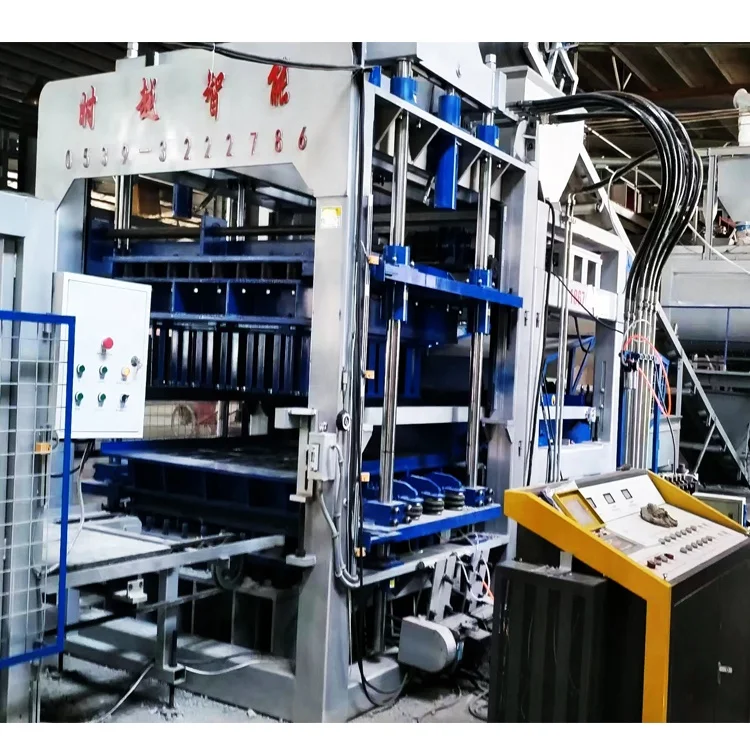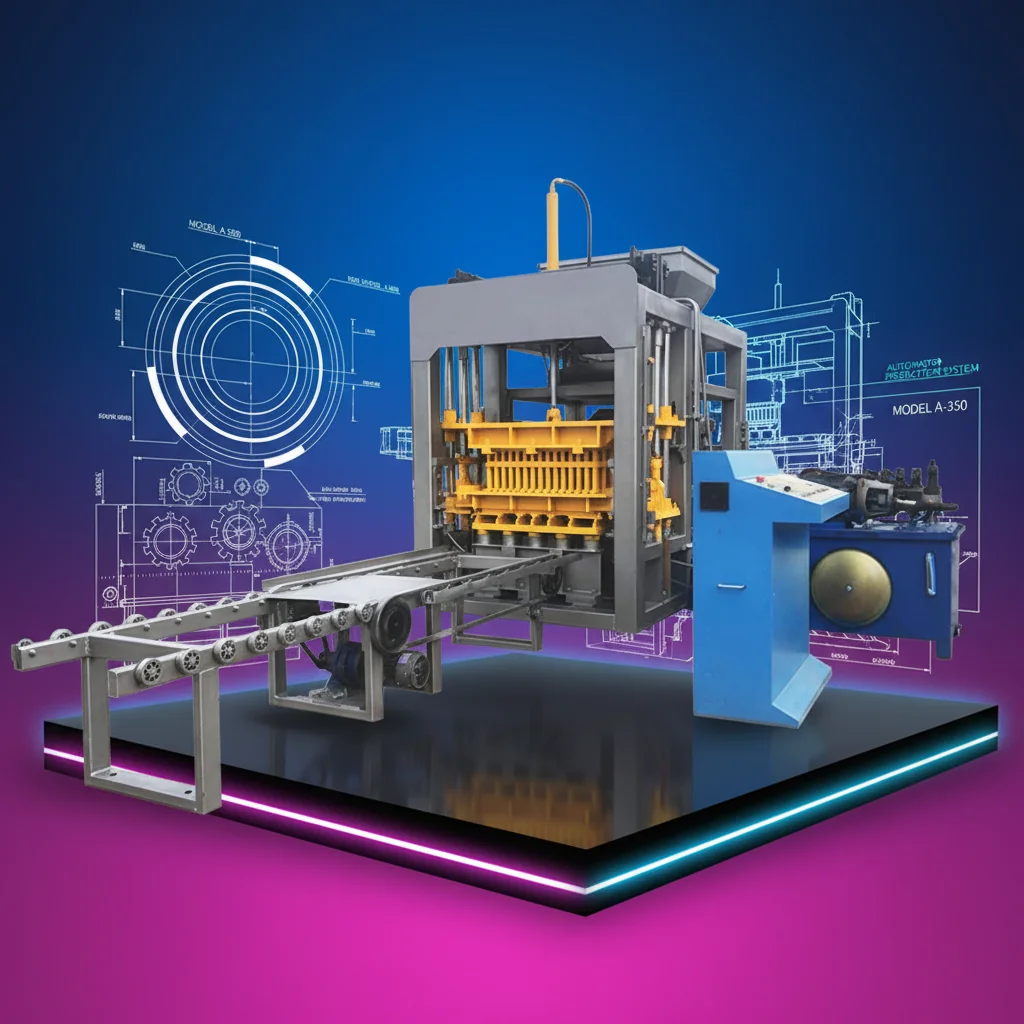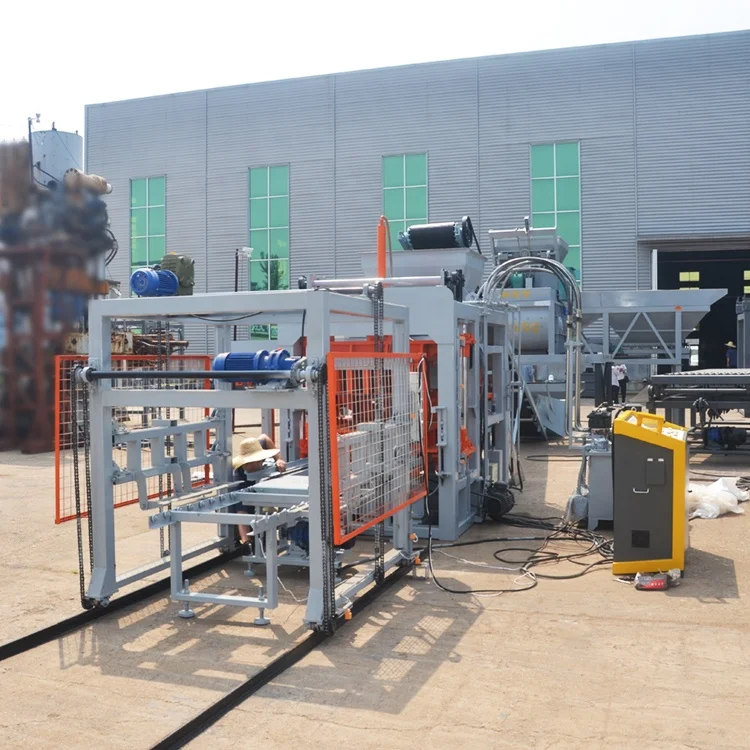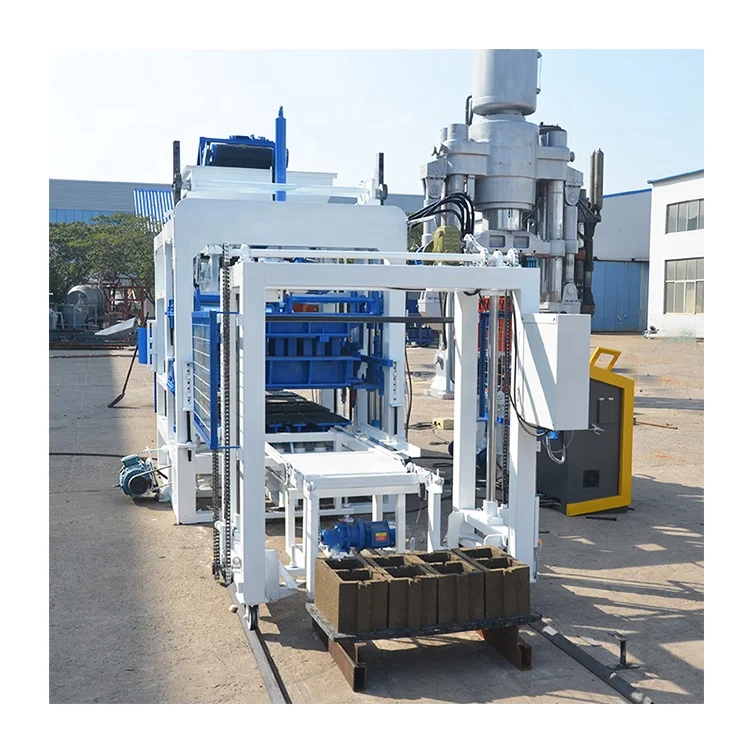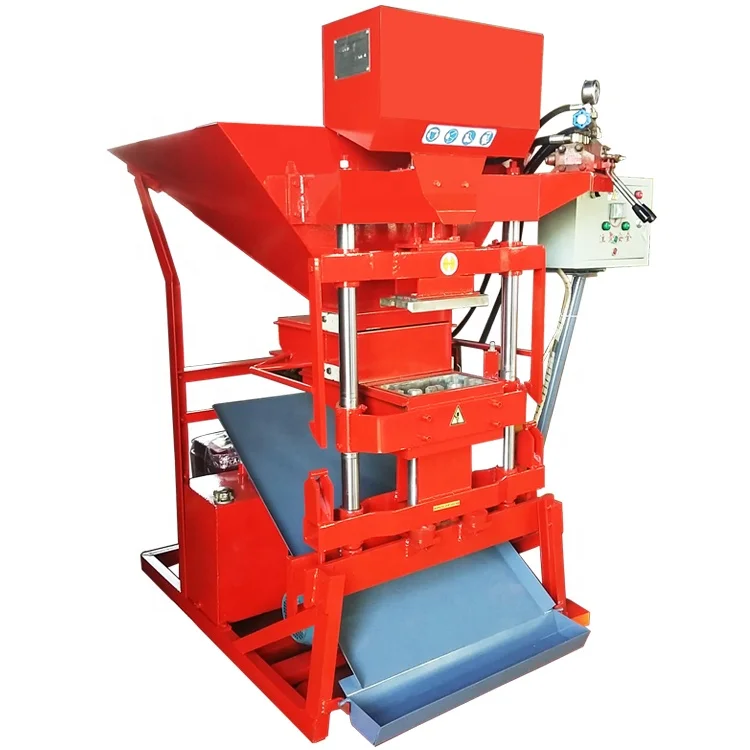

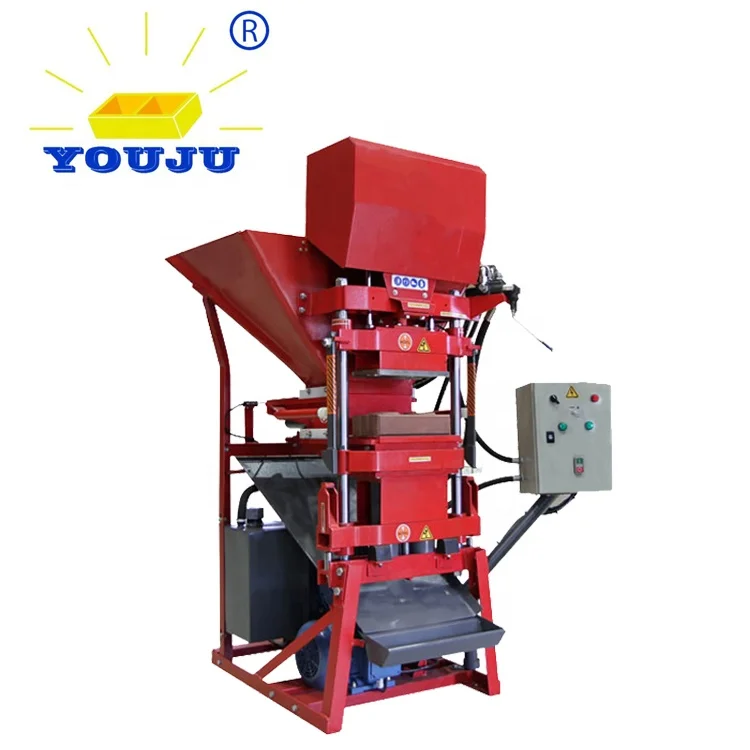

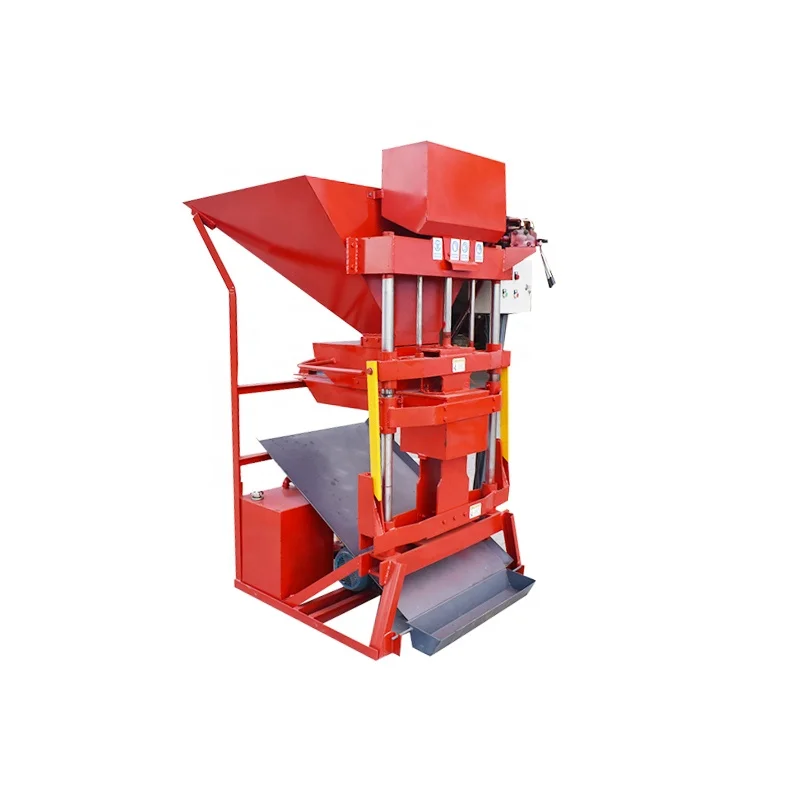
Description
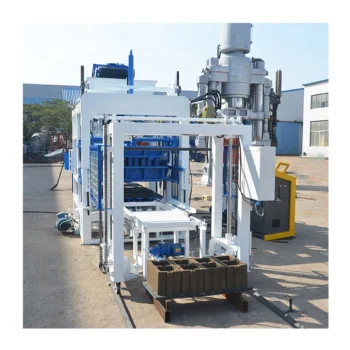
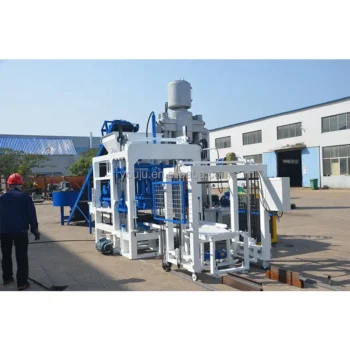
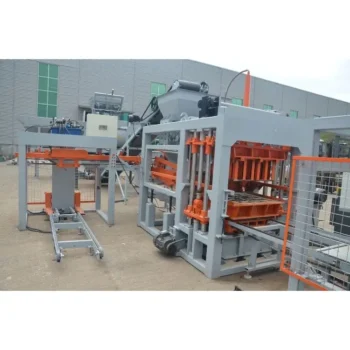
Matched Mould and Pressure to Your Mix — the ECO 2700 is specified against the clay block format and local aggregate you actually run, so quoted cycle times reflect real production conditions rather than catalogue defaults.
Technical Specifications
| Parameter | Value |
|---|---|
| Model | ECO 2700 |
| Product Type | Clay Block Making Machine |
| Overall Dimensions (L×W×H) | 1000×1000×1800 mm |
| Shaping Cycle | 15–20 seconds (basis not stated in source — confirm block format) |
| Rated Power | 5.5 kW |
| Hydraulic Pressure | 16 MPa |
| Total Weight | 1000 kg |
| Voltage & Frequency | 380V, 3-phase, 50Hz (configurable to local grid) |
| Motor Brand | Siemens |
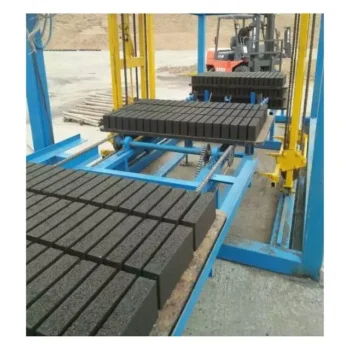
| Stacking Method | Manual |
| Automation Level | Manual operation |
| Warranty | 1 year |
Application Suitability
| Application | Material or Output |
|---|---|
| Small-scale brick manufacturing | Local clay with appropriate moisture content |
| On-site construction production | Clay block forming at project locations with minimal infrastructure |
| Workshop-level block forming | Standard clay and soil blends for interlocking or solid formats |
| Startup block plants | Entry-level production where investment footprint must remain small |
Why the Block Format Question Must Come Before the Quotation
A cycle time of 15–20 seconds only becomes meaningful when you know which block format it applies to.
I once watched a Middle East customer take delivery of a machine whose quoted output assumed a standard hollow block, only to find their local clay aggregate was weathered sand that demanded entirely different vibration parameters. Daily production came in at barely half the promised figure. It took two weeks on site to recalibrate the mould and pressure settings to match the actual material. The clay block making machine specifications on paper had been accurate for the test material, but irrelevant to the buyer’s reality [NEED_CITE: impact of local aggregate variation on block press cycle times]. That experience shaped how every ECO 2700 configuration is now approached — the block format, clay composition, and target dimensions are confirmed before any output figure is stated.
Mould Selection and Format Matching
The ECO 2700 is supplied with mould options matched to the block dimensions and shapes your local market actually sells. A clay block making machine configured for a format you cannot move locally is a capital cost with no return, so the specification process begins with the buyer’s product range and works back to the press. Mould design can follow standard dimensions or be drawn to buyer-supplied specifications, ensuring the machine produces what the market demands rather than what a default catalogue suggests.
Cycle Time Stated Per Format, Not in Isolation
The 15–20 second shaping cycle is quoted as a range because the actual figure depends on the block format being pressed, the clay density, and the hydraulic pressure applied. Stating cycle time without the format it applies to creates a production expectation that rarely survives contact with real material [NEED_CITE: block press cycle time variation across different mould formats]. Every ECO 2700 proposal includes a capacity calculation that names the specific block dimension and wall thickness assumed, giving the buyer an honest basis for daily output planning.
Hydraulic Pressure, Clay Mix, and Forming Density
The 16 MPa hydraulic pressure on the ECO 2700 must be matched against the clay mix design and local aggregate characteristics to achieve consistent block strength. Too little pressure against a dense clay blend leaves blocks that crumble before curing is complete. Too much pressure against a light, sandy mix can cause delamination or edge spalling at demoulding. The 5.5 kW rated power drives the hydraulic pump at a rate sufficient for this pressure class, but the actual pressing force that reaches the mould cavity depends on how the valve settings are tuned to the specific clay blend being fed. The Siemens motor provides the drive consistency needed for repeatable pressing cycles across long production runs.
The Hidden Cost of Specifying Without the Local Material in Mind
When a machine is configured for a mix the buyer cannot source locally, the result is either a costly material substitution or weeks of on-site recalibration. Blocks that crack during curing, fail compression tests, or break during pallet handling all trace back to a mismatch between the press settings and the clay that was actually available [NEED_CITE: block failure causes linked to material and pressure mismatch]. The ECO 2700 avoids this by requiring the buyer’s clay sample analysis before the hydraulic valve settings and mould clearance are finalized at the factory.
Why This Configuration Approach Exists
The ECO 2700 is treated as one matched system — machine, mould, and pressing parameters specified together rather than assembled from separate catalogue pages. Configuration is set against the buyer’s actual clay composition and target block format, not a generic default. Mould design covers the formats the buyer’s market demands, including custom drawings where standard dimensions do not apply. The 1000×1000×1800 mm footprint keeps the machine accessible for small workshops and on-site production without requiring a dedicated plant building. A one-year warranty covers the hydraulic and mechanical assemblies, with wear parts and mould replacement availability addressed before the first order ships.
Documentation & Verification
- Line layout showing the block format assumed for cycle time and output claims
- Mould drawing and format list confirming exact block dimensions the ECO 2700 will produce
- Hydraulic and electrical schematic for local maintenance and fault diagnosis
- Voltage and frequency confirmation document signed off before dispatch
- Factory test record demonstrating actual cycle time and block strength with the buyer’s specified clay mix
- Operation and maintenance manual covering daily checks and hydraulic fluid intervals
Installation, Commissioning & Support
- The 1000×1000 mm footprint requires a level concrete pad with adequate clearance for manual pallet handling on all sides
- 380V 3-phase 50Hz supply with dedicated circuit breaker rated for the 5.5 kW motor inrush current
- Machine ships assembled; hydraulic connections and motor wiring completed on site
- First-run commissioning includes hydraulic pressure adjustment to match the buyer’s confirmed clay mix
- Operator training covers mould change procedure, daily hydraulic checks, and safe manual stacking practices
- Wear parts list and mould replacement schedule provided at handover
Before You Request a Quotation
To specify the ECO 2700 accurately, we need the block format and dimensions you intend to produce, a sample analysis of the local clay or soil material available, and your target daily output. Confirm your site voltage and frequency, the language required for any control interface, and whether existing pallets or curing racks will be used alongside this press. This information allows the configuration to be built around your actual production conditions rather than an assumption.
Frequently Asked Questions
Q: What block formats can the ECO 2700 produce, and what is the realistic daily output for each format?
A: The ECO 2700 accepts moulds for various clay block formats including solid, interlocking, and standard rectangular shapes. Realistic daily output depends on the specific block dimensions, clay density, and operator cycle rhythm. We provide a capacity calculation that names the exact format and cycle time assumed, so the figure you plan against reflects actual production conditions rather than a catalogue maximum.
Q: How is the 16 MPa hydraulic pressure matched to my local clay mix and aggregate?
A: Before the machine is configured, we request a sample analysis of the clay and aggregate available at your site. The hydraulic valve settings and mould clearance are then adjusted at the factory to match that specific material. This ensures blocks achieve adequate density and strength without cracking or delamination, and is verified during the factory test before shipment.
Q: What voltage and frequency options are available for my country?
A: The ECO 2700 is supplied at 380V 3-phase 50Hz as standard but can be configured to match your local grid requirements. Voltage, frequency, and motor specifications are confirmed in writing before production begins, preventing commissioning delays caused by electrical mismatch when the machine arrives at your site.
Q: How long does a mould change take, and can I order custom moulds to my drawings?
A: Mould change time on the ECO 2700 depends on the format and the operator’s familiarity with the procedure. We provide training covering the full changeover process. Custom moulds can be manufactured to buyer-supplied drawings, allowing you to produce block formats specific to your local market that are not covered by standard mould dimensions.
Q: What block strength can I expect, and how is it verified before shipment?
A: Block strength from the ECO 2700 depends on the clay mix, hydraulic pressure applied, and curing conditions at your site. A factory test is conducted using your specified mix before dispatch, and the test record — including measured block strength and cycle time — is shared with you. This provides a baseline that your local production should match once the machine is commissioned.