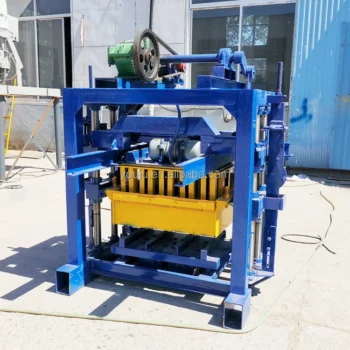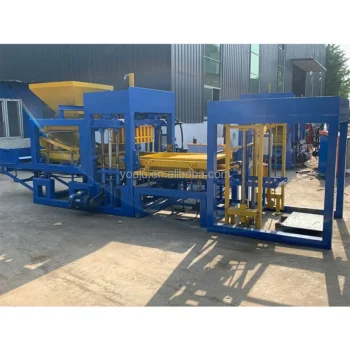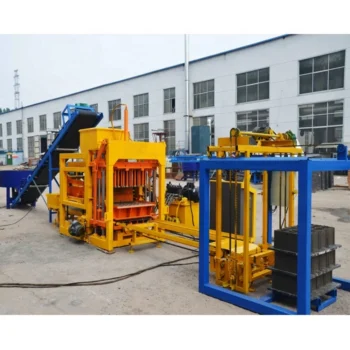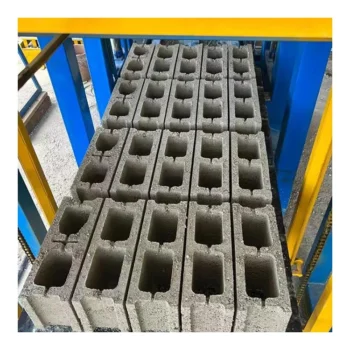


Description
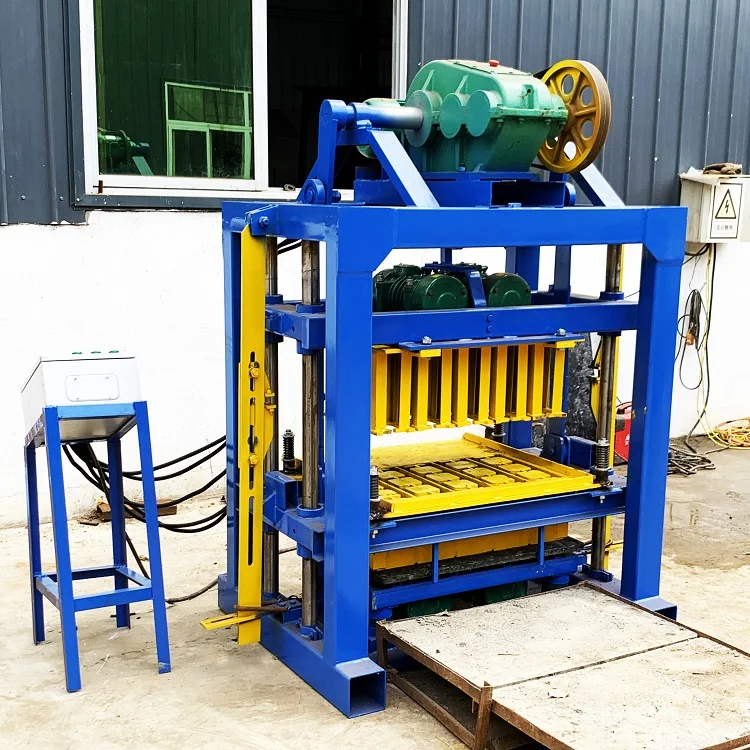
Mould-to-Machine Matching — every capacity figure for the QT5-15 block machine specifications ties directly to a named block format and measured cycle time, so buyers can validate output against their actual product mix rather than a single headline number.
Technical Specifications
| Parameter | Value |
|---|---|
| Model | QT5-15 |
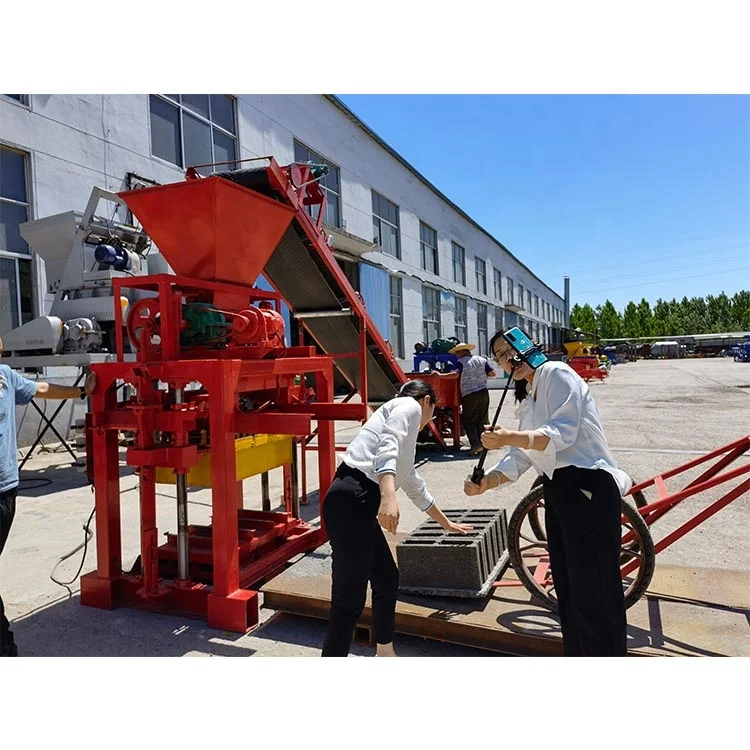
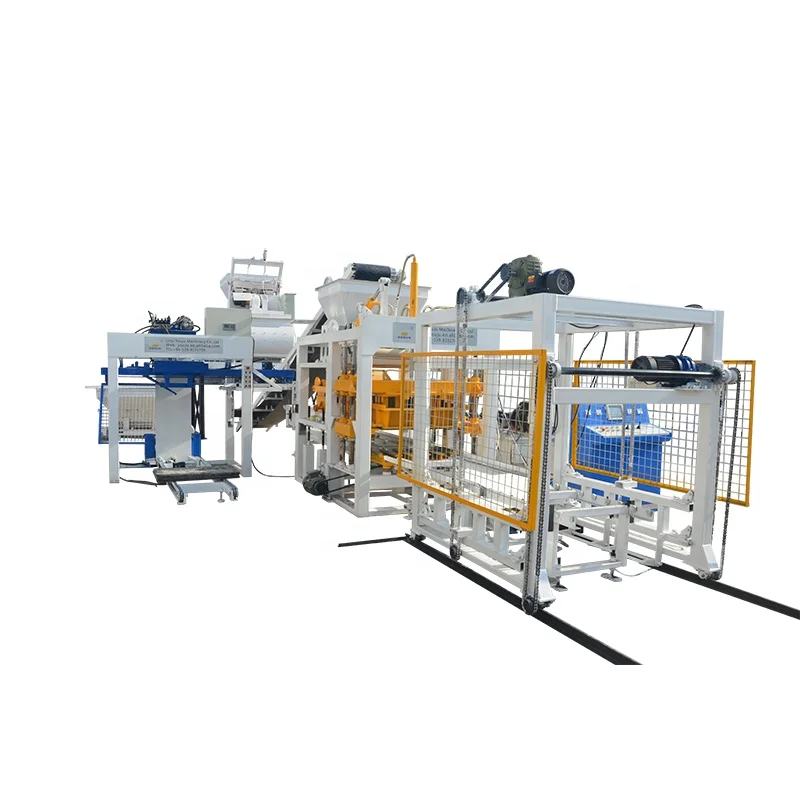
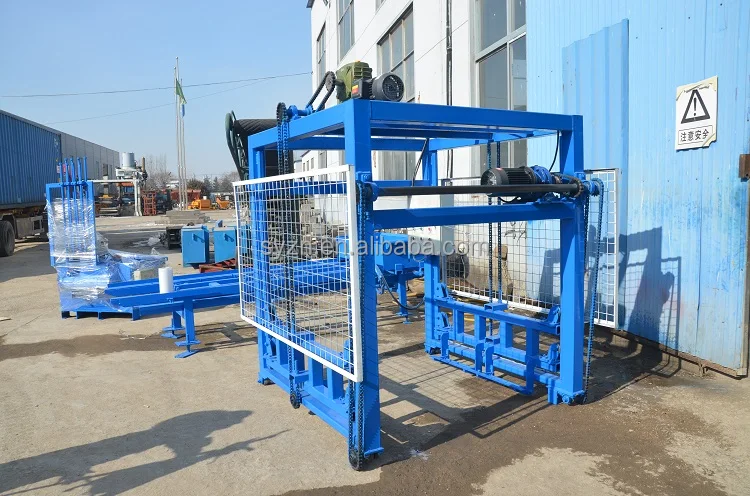
| Product Type | Fully Automatic Hydraulic Block Making Machine |
| Overall Dimensions | 7400 × 1950 × 2800 mm |
| Rated Pressure | 21 MPa |
| Main Vibration Form | Platform Vibration |
| Vibration Frequency | 2800–4500 r/min |
| Pallet Size | 1100 × 550 mm |
| Molding Cycle | 15–25 s |
| Overall Power | 26.5 kW |
| Demolding Method | Hydraulic |
| Control System | PLC |
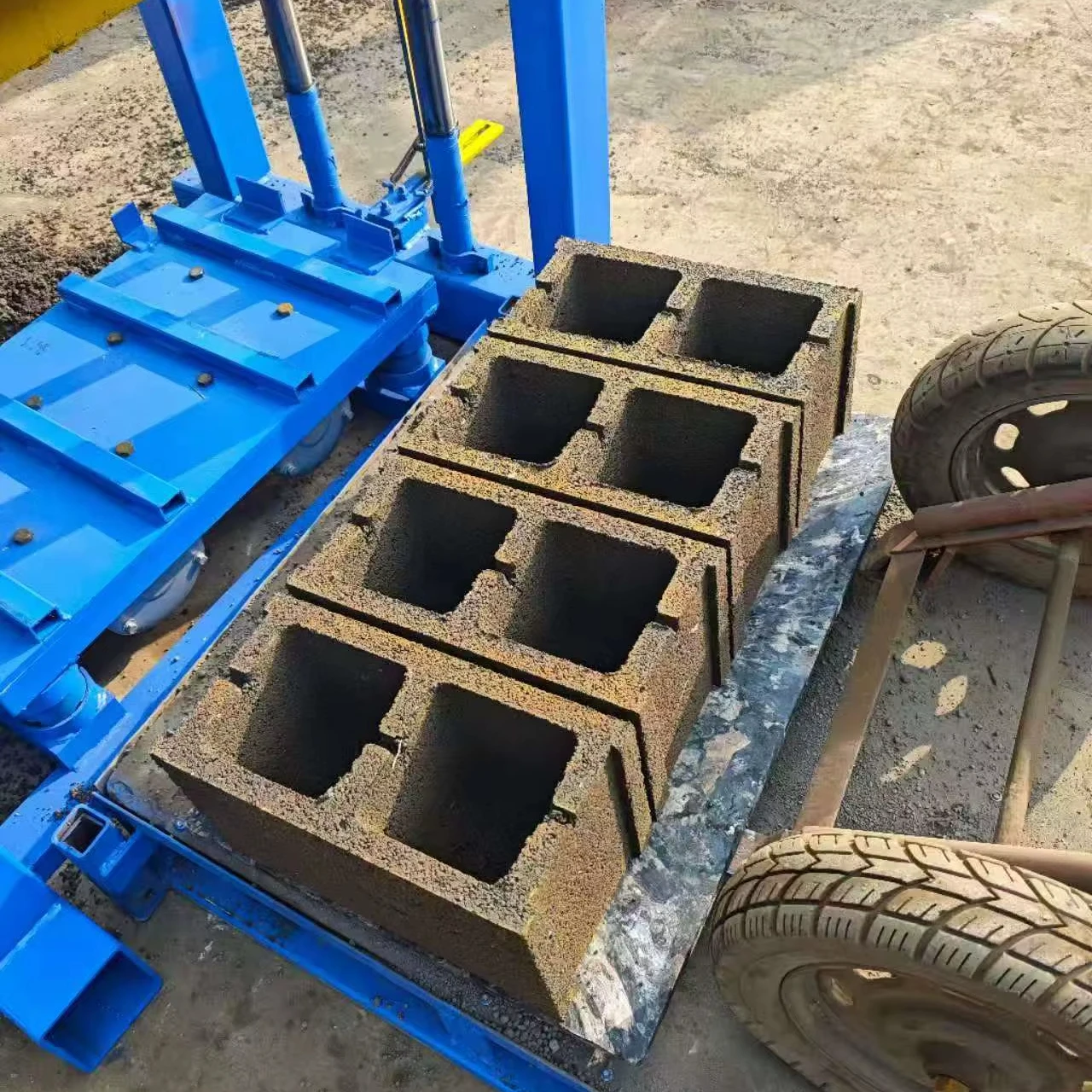
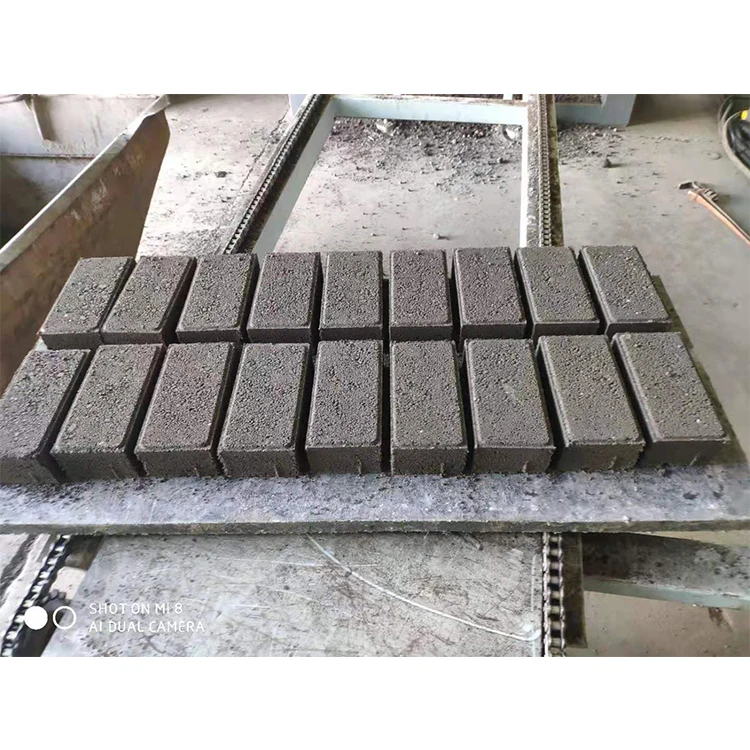
| Output — Hollow Brick 400×200×200 mm | 5 pcs/mold, 16–20 s cycle, 1800 pcs/h |
| Output — Hollow Block 400×150×200 mm | 6 pcs/mold, 15–20 s cycle, 1300 pcs/h |
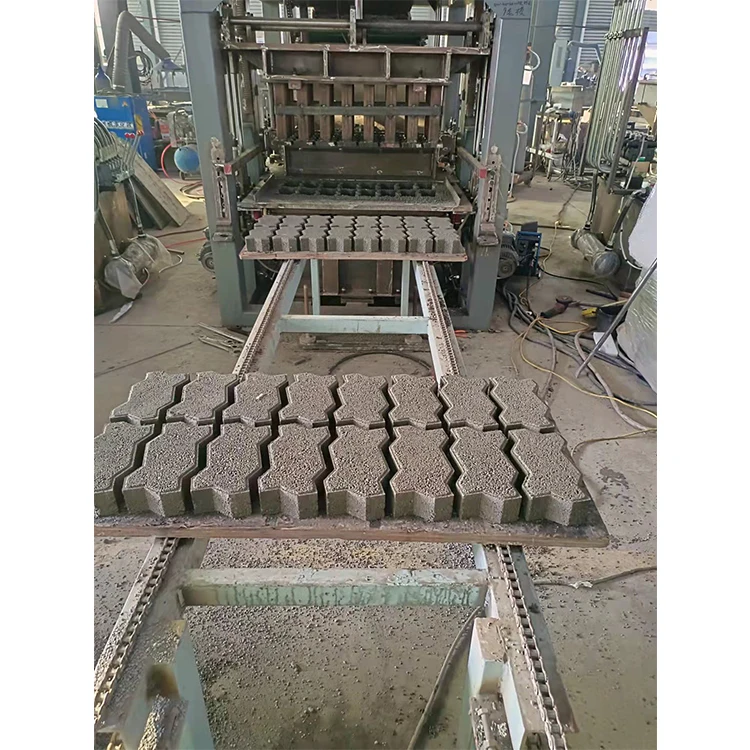
| Output — S Paver 225×112.5×60 mm | 16 pcs/mold, 15–17 s cycle, 3700 pcs/h |
| Raw Materials | Crushed stone, sand, cement, dust, fly ash, gravel, slag |
| Automation Level | Fully Automatic |
| CE Declaration | Where applicable (confirm for destination market) |
Application Suitability
| Application | Material or Output |
|---|---|
| Hollow block production for load-bearing walls | Crushed stone, cement, sand at 400×200×200 mm or 400×150×200 mm |
| Solid block production for partition walls | Fly ash, cement, gravel blended to local specification |
| Paving block production for walkways and yards | Cement, fine aggregate, pigment for colored S pavers at 225×112.5×60 mm |
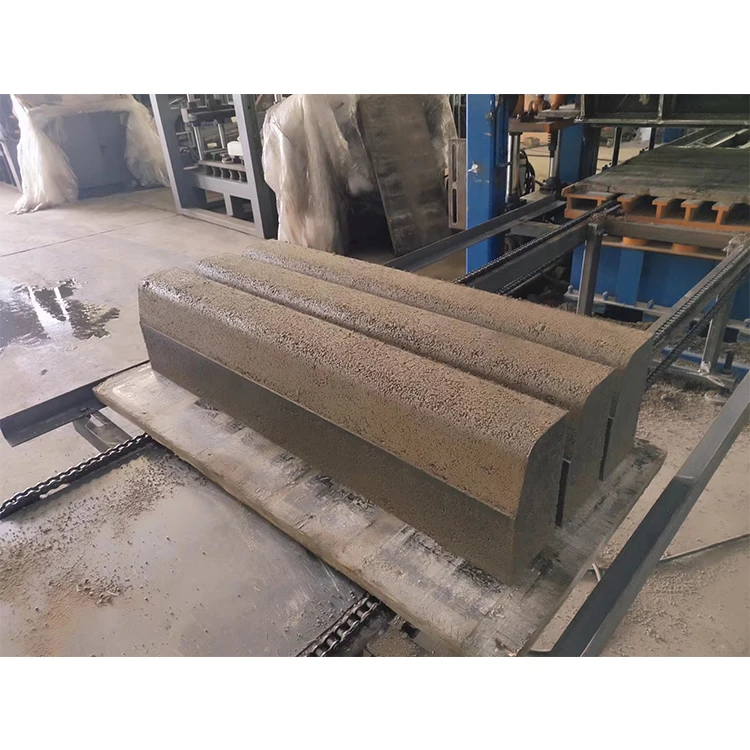
| Interlocking brick and kerbstone manufacture | Slag, dust, sand with hydraulic pressure tuned for dense edges |
| On-site block production for construction contractors | Locally sourced aggregate with PLC cycle adjustment per format |
What the QT5-15 Block Machine Specifications Actually Mean for Your Daily Output
Capacity numbers only matter when you know which block size they assume.
A buyer once ordered a mid-tier block machine rated at a headline figure that looked solid on paper. When the line arrived, the local volcanic aggregate — heavy and low-flow — forced the vibration frequency and hydraulic pressure to be retuned from scratch. The first month’s output fell well below what the brochure had suggested, simply because the original capacity was measured on a completely different mix design. That gap between quoted cycles and real daily throughput is the single most common complaint I hear from technical buyers who sized their plant on incomplete data. The QT5-15 block machine specifications avoid this trap by stating output per named format with the corresponding molding cycle, so you can calculate your actual shift volume before the machine ships. [NEED_CITE: common causes of capacity shortfall in block production]
Matching Vibration Force to Your Local Aggregate
Different raw materials demand different vibration behaviour. The platform vibration system on this unit runs between 2800 and 4500 r/min, giving the operator room to dial in the right frequency for everything from fine fly ash blends to coarse crushed stone. On a 400×200×200 mm hollow brick, the 16–20 second cycle reflects the longer vibration window needed to consolidate a deep cavity wall. Switch to a thinner 60 mm S paver and the cycle drops to 15–17 seconds because the thinner profile consolidates faster under the same vibration envelope. Getting this wrong — running a high frequency on a lightweight mix, for example — produces blocks that chip at the edges during demolding. The QT5-15 block machine specifications list the frequency range so buyers can confirm their aggregate falls within it before committing to a mould set.
Pallet Size and Its Effect on Curing Area Layout
The 1100 × 550 mm pallet dimension governs more than just the number of blocks per cycle. It determines the racking pitch in your curing area, the fork pocket spacing on your forklift, and the width of the conveyor that carries wet blocks from the press to the stacking station. A buyer who already operates a curing yard built around a different pallet size faces an expensive retrofit or a second set of handling equipment. Always cross-check this pallet dimension against your existing infrastructure. [NEED_CITE: block plant pallet handling compatibility standards]
How Rated Pressure and Cycle Time Shape Block Density
The 21 MPa rated pressure works together with the vibration platform to compact the mix into a dense, consistent unit. For hollow blocks, where wall thickness is thin and structural integrity depends on uniform compaction, the hydraulic system must hold pressure steady throughout the 15–25 second molding window. If pressure drops mid-cycle — a symptom of undersized hydraulic capacity — the bottom of the block ends up weaker than the top. The demolding method is also hydraulic, which means the mould lifts off the green block with controlled force rather than a mechanical jerk, reducing surface damage on fresh pavers and kerbstones. When you review the QT5-15 block machine specifications against your strength target, pay attention to both the pressure rating and the demolding method as a paired system.
The Hidden Cost of Choosing the Wrong Mould Format
A plant that orders a machine without confirming which moulds fit the 1100 × 550 mm pallet often discovers after delivery that a requested block size is either impossible or requires a pallet change. Mould design is constrained by pallet real estate: a large kerbstone may need the full pallet surface, leaving no room for multi-cavity production, while a small interlocking brick can fill the pallet with dozens of cavities per cycle. If your market sells three different formats and only two moulds were quoted, the missing format either gets skipped or forces a second machine purchase. Confirm the complete format list and mould drawings before production begins. [NEED_CITE: mould compatibility verification for stationary block presses]
Why Buyers Source This Class of Machine from Shiyue
Block machinery is the single product focus here, which means the press, mould, pallet and handling equipment are specified as one matched system rather than assembled from unrelated suppliers. The configuration is set against your actual mix design and target block format — not pulled from a catalogue default. Mould design covers the formats your market actually sells, including custom drawings when standard options do not fit. The automation level is selectable, so a buyer can start with the fully automatic cycle and plan future line expansions. Installation and commissioning support includes operator training at the plant, which matters when your local crew is seeing a PLC-controlled press for the first time. [NEED_CITE: stationary block machine installation and commissioning scope]
Documentation & Verification
- Line layout and capacity calculation stating the block format assumed for each output figure
- Mould drawing and format list confirming products producible on the 1100 × 550 mm pallet
- Voltage, frequency and PLC display language confirmation sheet signed before production
- Factory test record showing cycle time and block density on the buyer’s specified mix
- Hydraulic and electrical schematic for local maintenance teams
Installation, Commissioning & Support
- Foundation pad sized for the 7400 × 1950 mm footprint with vibration isolation provisions
- Dedicated power circuit rated for 26.5 kW overall draw at confirmed voltage and frequency
- Machine shipped partially assembled with on-site re-erection and alignment by factory technicians
- First-run parameter tuning of vibration frequency and hydraulic pressure to the buyer’s aggregate
- Operator training on PLC interface, mould change procedure and daily maintenance checklist
- Wear parts and mould replenishment list provided at handover for planning first reorder
What to Include in Your Inquiry
To get an accurate configuration, share the exact block formats your market sells along with target daily output per format. Provide a sample or lab analysis of your local aggregate so vibration and pressure settings can be matched before the machine is built. Confirm your site voltage, frequency and preferred PLC display language to prevent commissioning delays after arrival. If you already operate a curing yard or forklift fleet, send the pallet dimensions and rack spacing so the 1100 × 550 mm pallet can be validated against your existing handling setup.
Frequently Asked Questions
Q: How is the QT5-15 output capacity calculated per block format and what are the cycle time assumptions?
A: Each capacity figure in the QT5-15 block machine specifications is tied to a named block size and its measured molding cycle. The 1800 pcs/h figure, for example, assumes the 400×200×200 mm hollow brick at a 16–20 second cycle with five cavities per mould. Actual daily output depends on shift length, raw material flow and pallet handling speed upstream and downstream of the press.
Q: Which mould formats are available for the 1100×550 mm pallet and how long does a mould change take?
A: The pallet accommodates hollow blocks, solid blocks, S pavers, interlocking bricks and kerbstones within its surface area. Mould change time depends on whether the machine is fitted with a quick-clamp system or a bolt-on arrangement. Confirm the exact changeover method during configuration so it matches your planned format rotation frequency.
Q: How should vibration frequency and hydraulic pressure be set to match my local aggregate?
A: The platform vibration range of 2800–4500 r/min and the 21 MPa hydraulic system must be tuned as a pair. Dense, heavy aggregate like volcanic stone typically needs lower frequency and higher pressure, while lightweight fly ash blends respond better to higher frequency. Request a factory test with your actual raw material sample to lock in the settings before shipment.
Q: What voltage, frequency and PLC language options are available and how are they confirmed?
A: Voltage and frequency are configurable to match your local grid, and the PLC display language is set before production. These parameters must be confirmed in writing before the machine enters assembly, because changing them after wiring is complete causes commissioning delays. The confirmation sheet becomes part of your dispatch documentation.