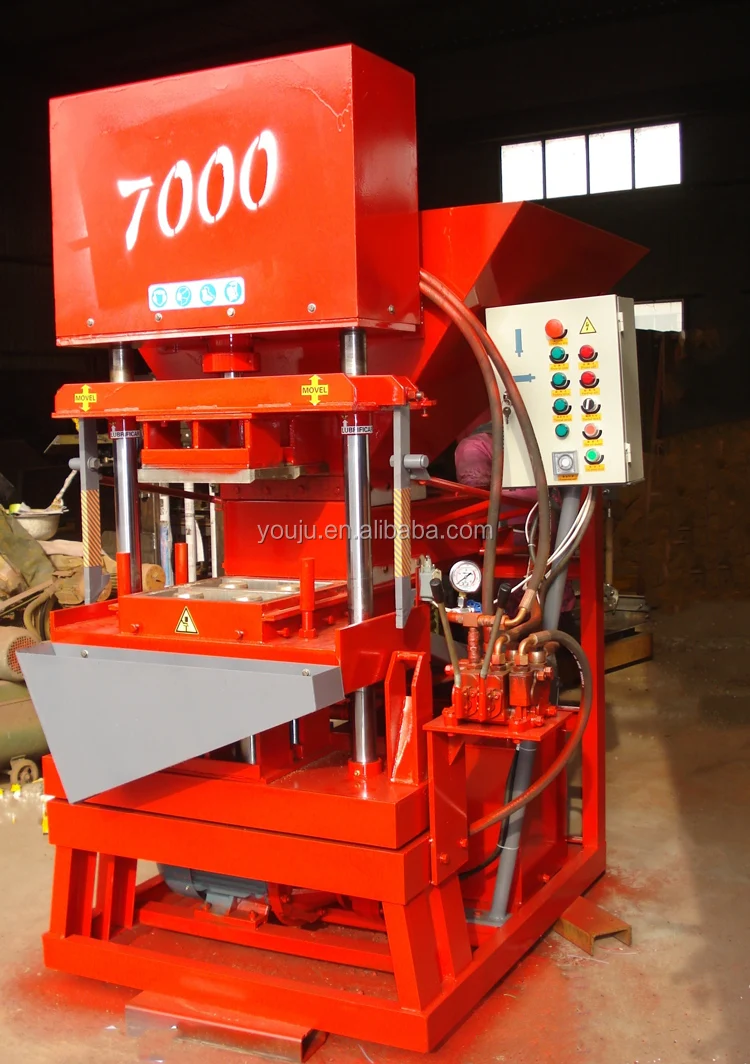
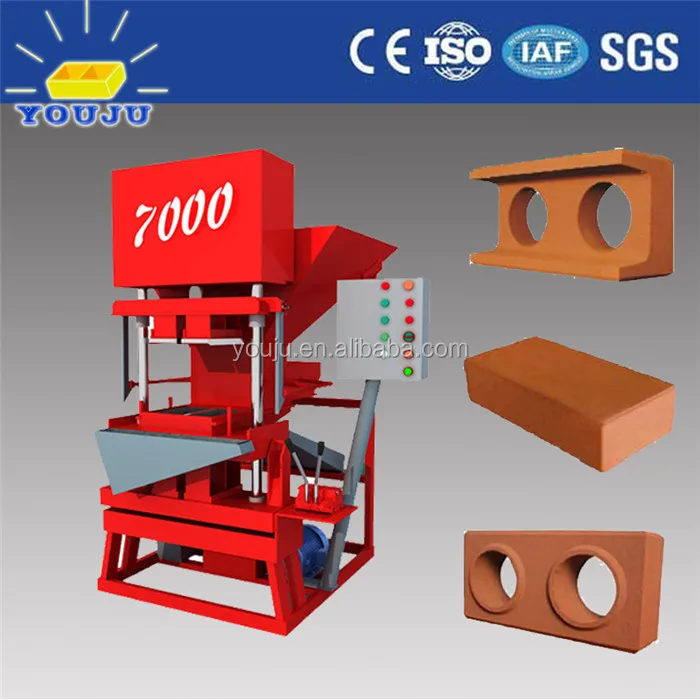
Description
Mould and Mix Matched — every ECO 7000 configuration is set against your local clay sample and target brick format before the press is built, so cycle time and pressure reflect the earth brick your market actually sells.
Technical Specifications
| Parameter | Value |
|---|---|
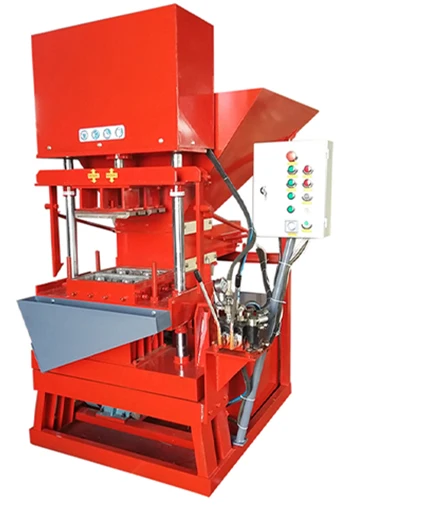
| Product Type | Automatic Compressed Earth Block Making Machine |
| Power Source | Electric |
| Automation Level | Automatic |
| Raw Material | Earth / Clay |
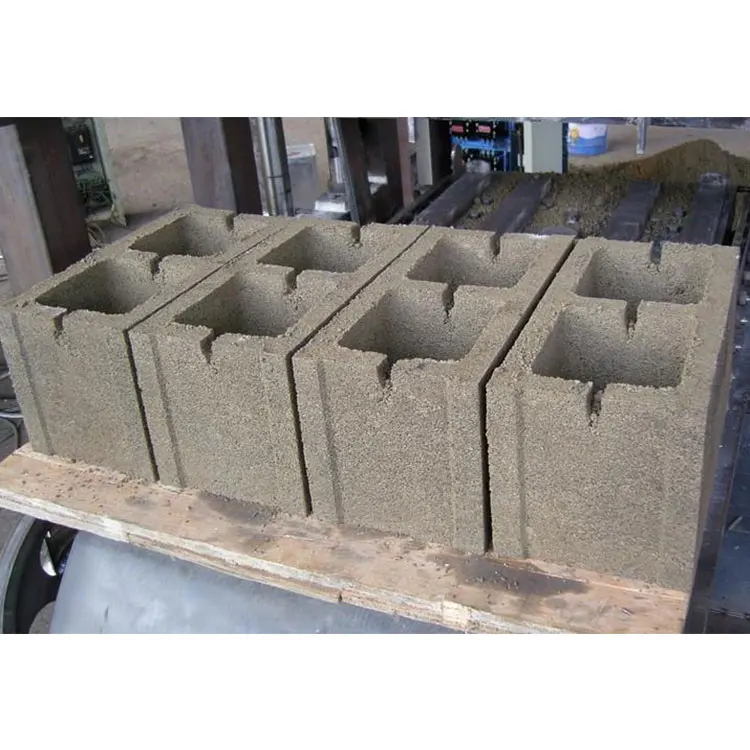
| Block Type | Ecological Brick / Compressed Earth Block |
| Hydraulic Pressure (MPa) | basis to be confirmed |
| Vibration Force (kN) | basis to be confirmed |
| Pallet Size | basis to be confirmed |
| Mould Format | basis to be confirmed |
| Mould Change Time | basis to be confirmed |
| Cycle Time per Format | basis to be confirmed |
| Output Capacity | basis to be confirmed |
| Stacking Method | basis to be confirmed |
| Voltage & Frequency | configurable — confirm with manufacturer |
| Control System | PLC or MCC — confirm with manufacturer |
| Overall Dimensions (L×W×H) | basis to be confirmed |
| Net Weight | basis to be confirmed |
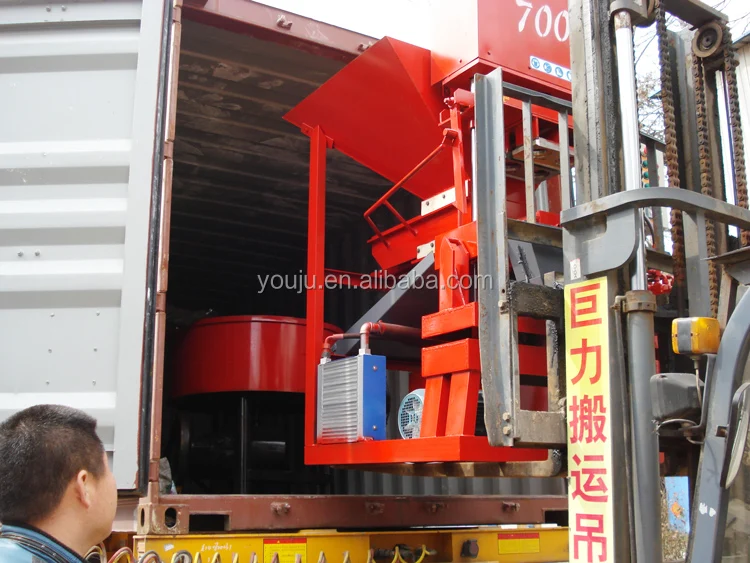
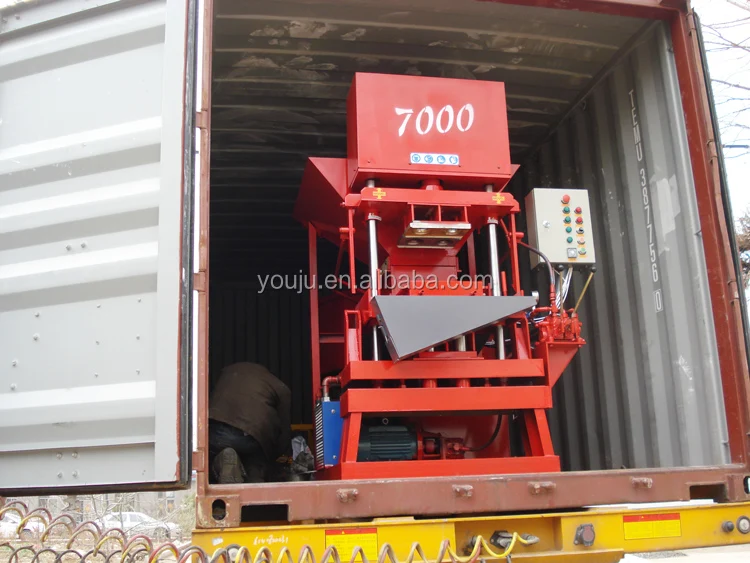
| Shipping Method | LCL or FCL sea shipping |
| Package Option | Nude loading or seaworthy wood carton package |
Application Suitability
| Application | Material or Output |
|---|---|
| Compressed earth block production | Local clay, laterite, or stabilised earth blends |
| Ecological brick manufacturing for housing projects | Earth-cement mixtures for load-bearing or infill walls |
| Small-to-medium brick plant operations | Interlocking and solid earth bricks for regional construction markets |
| On-site production for development contractors | Site-excavated soil processed into compressed earth blocks |
What "Automatic" Really Means for Your Earth Brick Output
The label "automatic" only matters if the cycle time and mould match the exact earth brick format you sell.
I have stood in brick yards where the daily tally was barely half what the brochure promised. The reason is almost always the same: the automatic compressed earth block machine specifications were quoted for a standard brick size, but the buyer’s market demands a different format — thicker, interlocking, or stabilised with a higher cement ratio that lengthens the compression cycle. The automation runs fine; it is the format assumption that was wrong. Buyers deserve to know the cycle time for their actual brick, not a catalogue average [NEED_CITE: capacity calculation standards for compressed earth block equipment].
Matching the Press to Your Clay, Not a Catalogue Default
Earth is not a uniform feedstock. A laterite-rich soil in West Africa behaves differently under hydraulic pressure than a sandy loam in South Asia, and the automatic compressed earth block machine specifications must reflect that difference. Before configuration is locked in, the local clay sample should be tested for plasticity, moisture sensitivity, and stabiliser demand. Only then can the vibration force and pressure be paired to the mix so the bricks hold density through curing without cracking under the sun.
Why Format Dictates the Line Around the Press
A compressed earth block line is not just the press. Pallet size determines how many bricks travel per cycle and must match the curing rack spacing and the forklift the plant already operates. When the pallet specification is treated as an afterthought, bricks get stacked by hand before they have cured, and daily throughput drops regardless of what the press itself can produce. Every station upstream and downstream of the ECO 7000 needs to cycle at the same tempo [NEED_CITE: line balancing principles for masonry production equipment].
Reading the Specs That Actually Matter
Hydraulic pressure and vibration force work together to compact earth into a dense, consistent block. Too little pressure on a high-clay mix leaves voids that weaken the brick after drying; excessive vibration on a sandy mix can cause segregation, pushing fines to the surface and leaving the core friable. Pallet size is not just a footprint number — it governs how many bricks per cycle and how the output aligns with your curing racks. Mould change time tells you whether producing two brick formats in one shift is realistic or whether you will lose most of a working day swapping tooling. Control system selection between PLC and MCC affects how easily operators can adjust parameters when the clay batch changes between wet and dry seasons.
The Cost of Configuring by Default
When a machine arrives set for a soil-cement ratio the buyer cannot source locally, the choices are costly: import the specified stabiliser, or re-engineer the mix and re-test brick strength from scratch. I have watched entire shipments of compressed earth blocks crumble because the vibration frequency was tuned to a clay the factory back home used during testing, not the laterite sitting in the yard outside the plant. The repair bill is not the worst part — the lost construction season is [NEED_CITE: common failure modes in compressed stabilised earth block production].
Why This Procurement Path Is Different
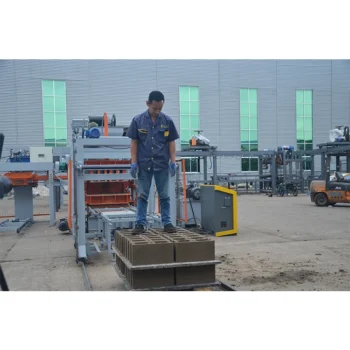
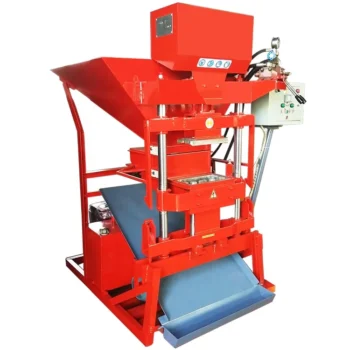
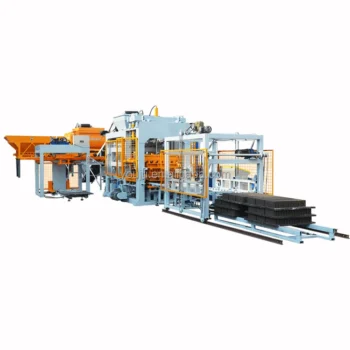
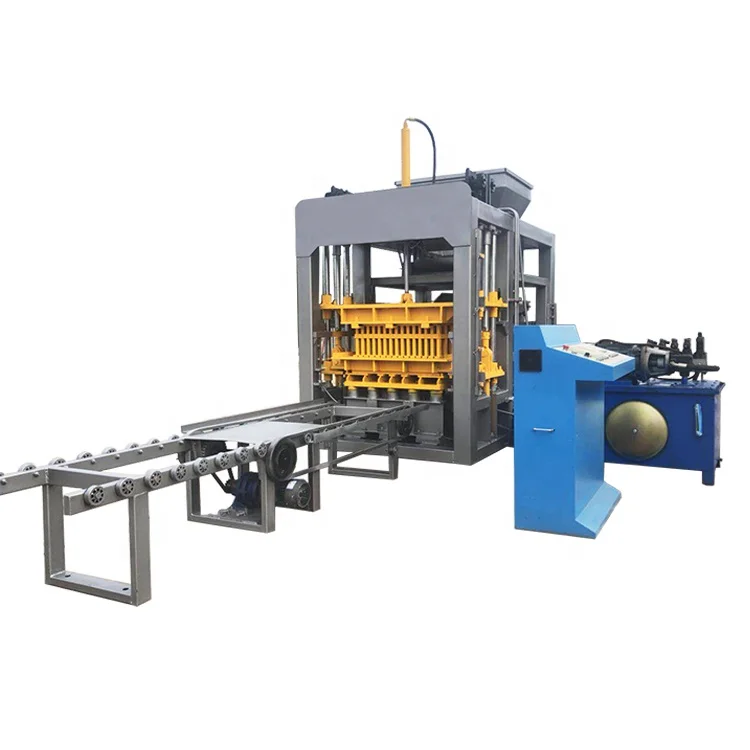
Block machinery is the single focus here, so the ECO 7000 press, its moulds, pallets, and handling equipment are specified as one matched system rather than assembled from unrelated suppliers. Configuration starts from the buyer’s actual mix design and local aggregate, not a catalogue default. Mould design covers the formats the buyer’s market demands, including custom drawings. Automation level is selectable, allowing a semi-automatic start with a clear upgrade path. Installation and commissioning support includes operator training on the specific clay and brick format in use.
Documentation & Verification
- Line layout showing capacity per earth brick format
- Mould drawing and format list with cycle times
- Factory test record run on buyer-specified clay mix
- Hydraulic and electrical schematic for on-site maintenance
- Voltage and PLC language confirmation sheet before dispatch
Installation, Commissioning & Support
- Foundation plan aligned to ECO 7000 footprint and vibration load
- Dedicated power circuit sized to the confirmed electric motor rating
- Press assembled and levelled on-site after container discharge
- First-run parameter tuning with the buyer’s local earth sample
- Operator training on mould change procedure and cycle adjustment
- Wear parts and mould inventory list supplied at commissioning
Preparing a Useful Enquiry
To receive a configuration that reflects your actual production conditions, share the brick format your market sells most, the local clay or soil type available, and the target daily output tied to that specific format. Include the voltage and frequency standard at your site, the preferred PLC display language, and whether you need pallets and curing racks included in the scope.
Frequently Asked Questions
Q: How is output capacity verified and what block format does it assume?
A: Capacity is calculated per brick format, not quoted as a single number. The ECO 7000 proposal includes a line layout that states which compressed earth block size, stabiliser ratio, and cycle time each output figure assumes, so buyers can compare against their own market demand honestly.
Q: Which mould formats are available and can custom earth brick sizes be designed?
A: Standard interlocking and solid compressed earth block moulds are available, and custom mould design to buyer drawings is offered. Each mould option comes with its own cycle time and output figure so the buyer knows the trade-off before committing.
Q: How is the machine configured to match local clay mix and aggregate?
A: Configuration starts with the buyer’s local clay sample. Plasticity, moisture content, and stabiliser demand are tested, and the hydraulic pressure and vibration force are then paired to that specific mix rather than a generic earth setting.
Q: What is the mould change time and how does it affect format flexibility?
A: Mould change time determines whether producing two brick formats in one shift is practical. The ECO 7000 proposal states the estimated swap duration for the moulds selected, so buyers can plan production runs without losing most of a working day.
Q: What voltage, frequency, and control language options are confirmed before shipping?
A: Voltage and frequency are confirmed to match the buyer’s site electrical standard, and the PLC display language is agreed before production. A written confirmation sheet is issued so commissioning is not delayed by a mismatch on arrival.