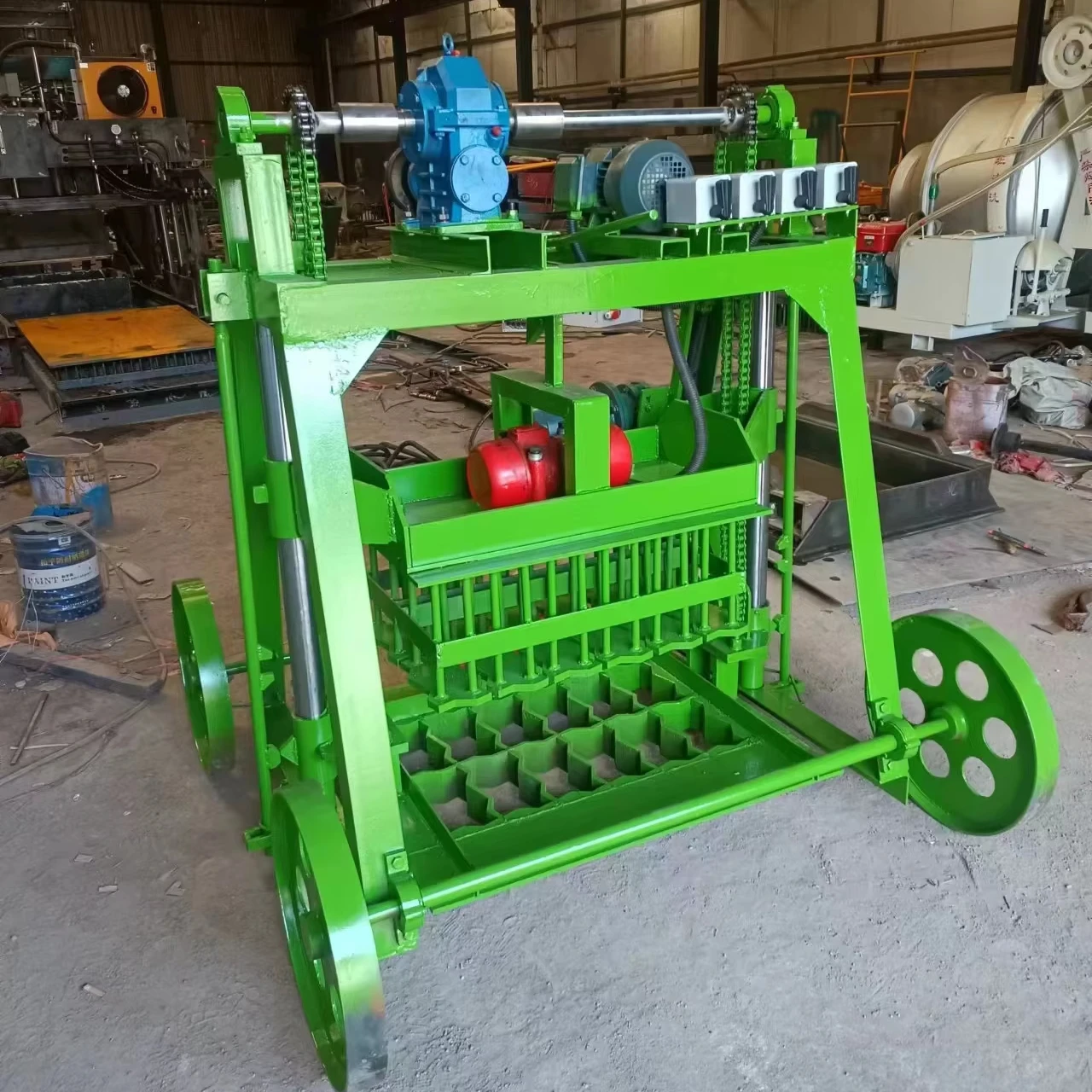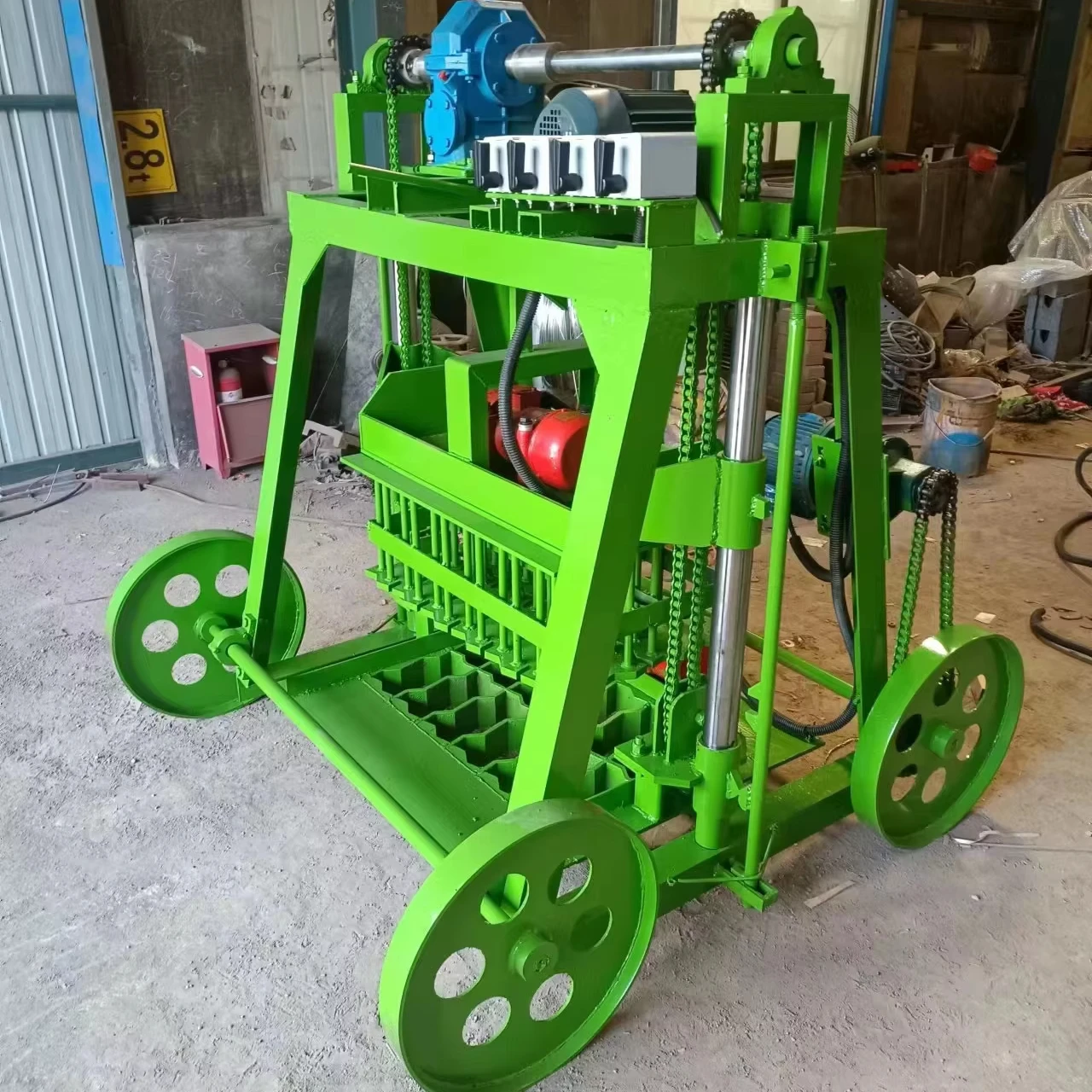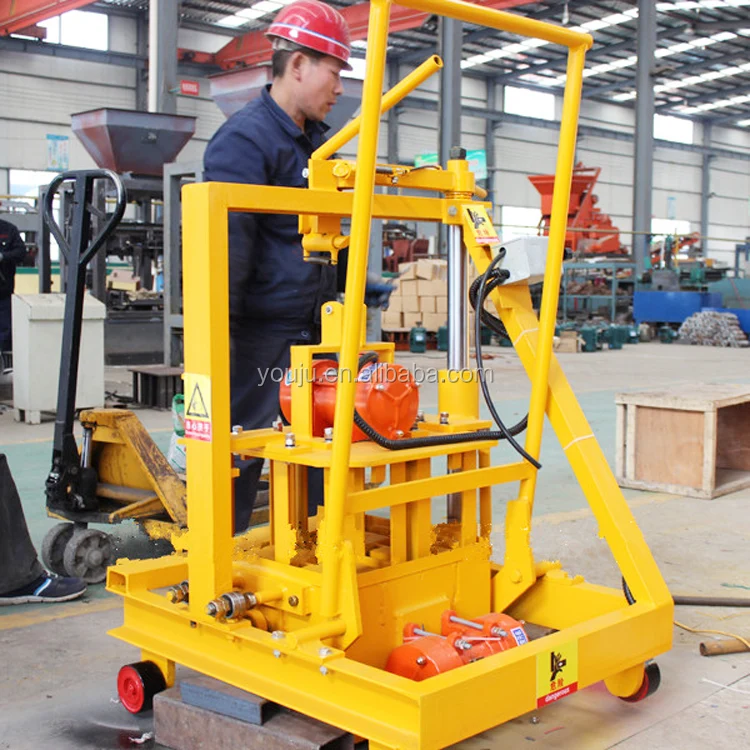
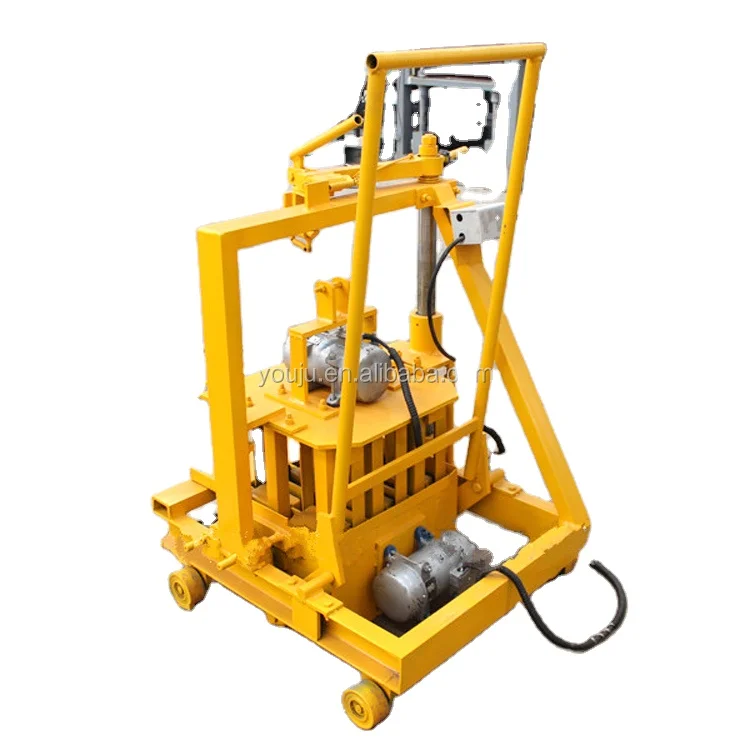
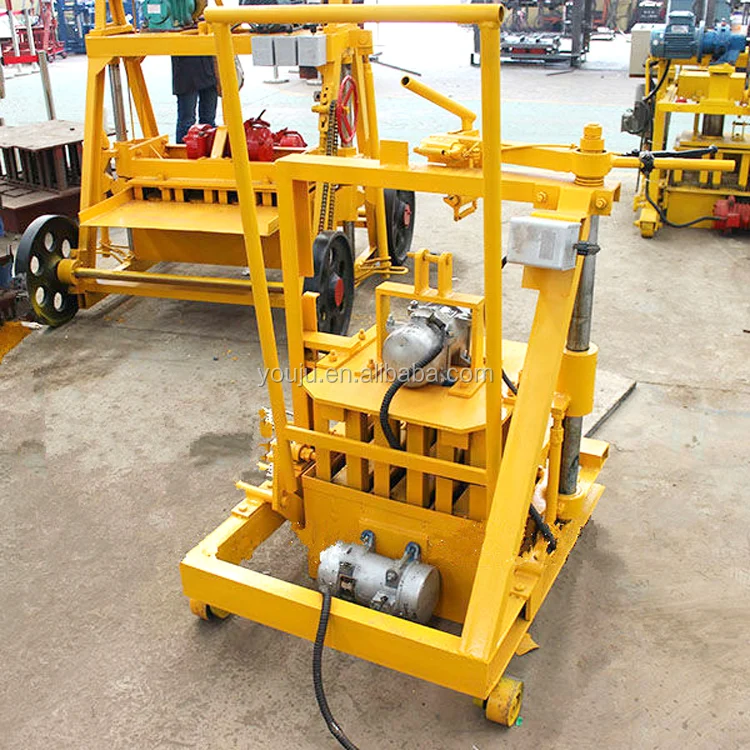


Description
Matched System Integrity — block machine, mould and ground-curing workflow are specified together so the daily output you plan for actually happens on your site.
Technical Specifications
| Parameter | Value |
|---|---|
| Model | QMJ2-45 |
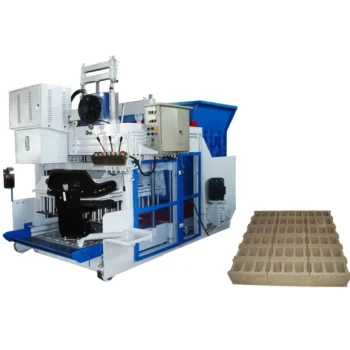
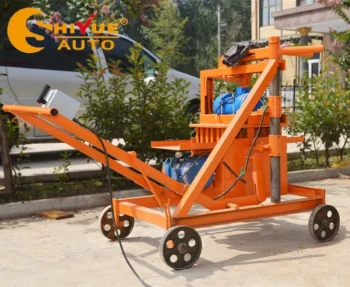
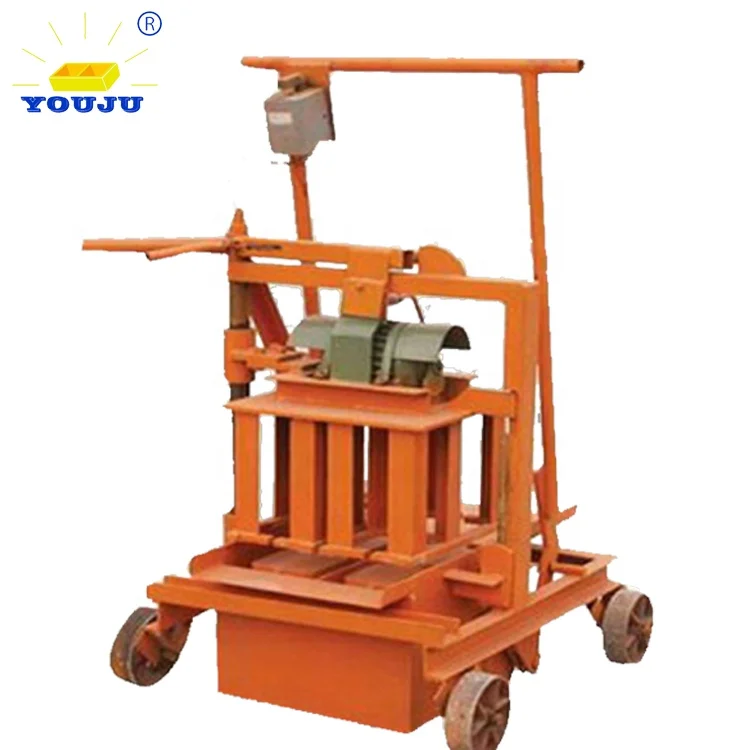
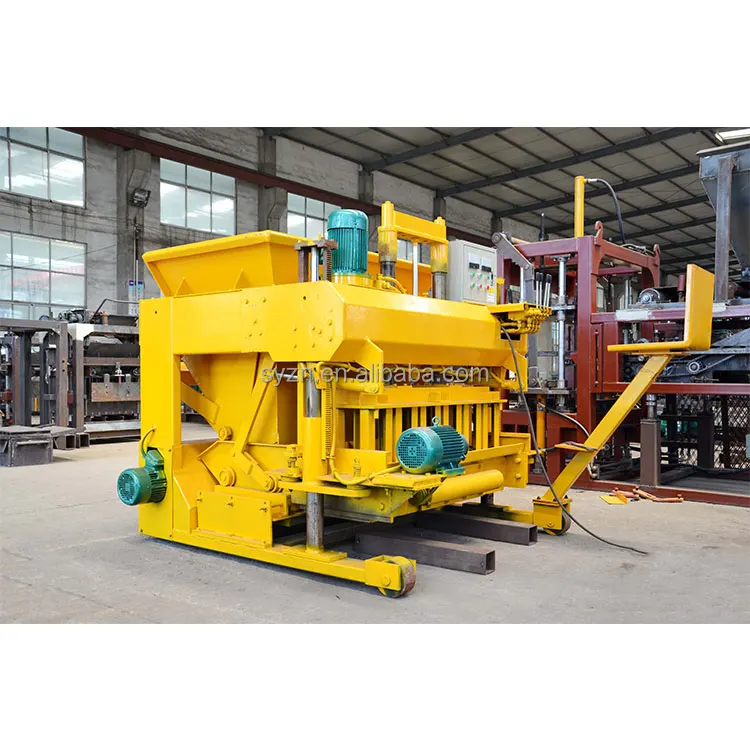
| Product Type | Mobile Concrete Block Making Machine |
| Machine Operation | Manual egg-laying type (pallet-free) |
| Mould Change Method | Manual swap, multiple hollow formats supported |
| 400×200×200 mm Output | 2 pcs/mould, 25-30 s cycle, approx. 160 pcs/h, 1280 pcs/8 hr |
| 400×150×200 mm Output | 3 pcs/mould, 25-30 s cycle, approx. 240 pcs/h, 1920 pcs/8 hr |
| 400×100×200 mm Output | 4 pcs/mould, 25-30 s cycle, approx. 320 pcs/h, 2560 pcs/8 hr |
| Pallet Requirement | None — blocks laid directly on ground |
| Power Source | Electric motor |
| Labor Requirement | 1 to 3 workers per shift |
| Control System | Manual operation, no PLC |
| Vibration System | Electric motor-driven vibration |
| Hydraulic Pressure | Not applicable (manual machine) |
| Stacking Method | Manual, ground curing |
| Standards Claimed | ISO 9001:2000, CE |
Application Suitability
| Application | Material or Output |
|---|---|
| On-site hollow block production for building contractors | Cement, crushed stone, sand, water |
| First-stage block plant for entrepreneurs | Local aggregate with standard cement ratio |
| Remote housing projects without fixed plant access | River sand, quarry dust, gravel with cement binder |
| Small-scale paver and solid block runs (with mould swap) | Concrete mix matched to local aggregate grading |
What "Daily Output" Actually Means for the QMJ2-45
Every capacity figure here is tied to a specific block dimension and cycle time, not a single blanket number.
Many buyers of mobile block making machine specifications discover after delivery that the "pieces per hour" on the quotation assumed the smallest block format, while their market mainly sells the largest hollow block. The gap between the quoted capacity and real daily throughput then becomes a project scheduling problem. With the QMJ2-45, the 400×200×200 mm hollow block — the most common walling unit across African and Southeast Asian construction sites — produces 2 pieces per mould at a 25–30 second cycle. That means realistic daily output for that format sits around 1,280 blocks per 8-hour shift. The smaller 400×100×200 mm partition block yields more per cycle because four fit in the same mould, but if your market does not buy that size, the higher number is irrelevant [NEED_CITE: typical block format demand by regional construction market]. The honest question to ask any supplier is: which exact block format was assumed when they wrote down the capacity?
Pallet-Free Ground Curing and What It Changes
The egg-laying design of this machine removes the entire pallet investment from the project budget. Blocks are vibrated, formed, and then the machine moves forward, leaving the block directly on a flat ground surface. This means no pallet purchasing, no pallet storage racks, no forklift moving pallets to a curing area. For a first-time block entrepreneur or a contractor producing on a remote site, this simplifies the operation significantly. The trade-off is that the ground must be level, compacted, and large enough to hold a full day’s output laid out for initial curing before the blocks are moved.
Mould Format Range and Changeover Reality
The QMJ2-45 supports three hollow brick formats from a single chassis: 400×200×200, 400×150×200, and 400×100×200 mm. The mould change is manual — workers unbolt the current mould and bolt on the replacement. On a manual machine of this class, a format swap typically takes a noticeable portion of a shift if the crew has not practised it, so planning production in single-format batches rather than switching daily makes more sense [NEED_CITE: manual mould change time on small mobile block machines]. Confirm with the supplier that the mould drawings match the exact block dimensions your local construction standards require, including wall thickness and core void percentage.
How Vibration Force and Mix Design Shape Block Strength
On a manual mobile block making machine, there is no hydraulic pressure to assist compaction — the electric vibration motor and the weight of the mix are the only forces forming the block. If the local sand contains high clay or silt content, the vibration energy gets absorbed by the fines instead of compacting the aggregate, and the resulting block crumbles at the edges. Before committing to a configuration, send samples of the local sand and crushed stone to the supplier so a trial mix can establish the right water-to-cement ratio and vibration duration for acceptable compressive strength. The cycle time of 25–30 seconds per mould may need adjustment upward if the aggregate grading is poor, which reduces hourly output but prevents breakage losses.
The Hidden Cost of Skipping a Site Voltage Check
Voltage and frequency at the destination site are easy to overlook when ordering a small electric machine, but an incorrect motor winding means the unit either will not start or will burn out within the first week. Construction sites in regions with unstable grid supply may experience voltage drops that reduce vibration force below the level needed for proper compaction, producing weak blocks without any visible machine fault. Confirming the exact voltage, frequency, and plug type before production begins avoids commissioning delays and motor replacement costs after the machine has already been shipped [NEED_CITE: common electrical mismatch issues in exported construction machinery].
Why Source This Machine Here
Block machinery is the sole product focus of this factory, so the QMJ2-45 is not assembled from generic sub-components but specified as a matched system — machine, mould, and ground-curing workflow designed together. Every configuration proposal starts with the buyer’s actual target block format and local raw material rather than a catalogue default. Mould designs cover the formats the buyer’s local market sells, and custom mould drawings are available for non-standard wall thicknesses. The automation level can be selected independently, so a buyer can begin with this manual unit and later add a semi-automatic line without changing suppliers. Installation guidance and operator training are provided, along with ongoing mould and wear parts support.
Documentation & Verification
- Line layout sketch showing ground area needed for daily curing output
- Capacity calculation sheet listing output per block format, not a single figure
- Mould drawing pack with exact cavity dimensions and wall thickness
- Voltage and frequency confirmation document signed before production
- Factory test record on buyer’s specified block format before dispatch
- Operation and maintenance manual with illustrated wear parts list
Installation, Commissioning & Support
- Flat, compacted ground surface required; no concrete foundation needed for the machine itself
- Electric supply must match confirmed voltage and frequency with a dedicated circuit breaker
- Machine arrives assembled; only mould mounting and motor wiring on site
- First-day production supervised remotely or on-site to set vibration duration for local mix
- Operator training covers manual mould change procedure and daily greasing points
- Wear parts list provided at delivery with recommended first-order spare mould edges
What to Share When You Enquire
To get a configuration that matches your actual project, provide the exact hollow block dimensions your local market requires, including wall thickness and core shape. Share a sample or lab report of the local sand and aggregate you plan to use, along with the cement brand and ratio you normally work with. Confirm the site voltage, frequency, and the language your operators need for any labels or instructions. If you already have curing space or a forklift on site, mention the dimensions so the daily output layout can be planned around them.
Frequently Asked Questions
Q: How is realistic daily output calculated for each block format on the QMJ2-45?
A: Each format has its own pieces-per-mould count and cycle time. The 400×200×200 mm block yields 2 pieces per mould at 25–30 seconds, giving roughly 1,280 blocks per 8-hour shift. Actual output depends on crew speed, mix delivery consistency, and how often the machine pauses for mould cleaning or ground preparation.
Q: What block sizes can this machine produce, and how long does a format change take?
A: Three hollow brick sizes are supported: 400×200×200, 400×150×200, and 400×100×200 mm. Mould change is manual and involves unbolting and re-bolting the mould box. First-time crews should expect the changeover to take a meaningful part of a shift until they build repetition.
Q: What mix design works best with a manual egg-laying machine of this vibration level?
A: A clean, well-graded crushed stone and sand mix with low clay content compacts best under electric vibration alone. High fines content absorbs vibration energy and weakens the block. Sending a local aggregate sample before ordering allows the supplier to recommend a water-cement ratio suited to this machine’s force output.
Q: What voltage options are available, and how is the correct one confirmed?
A: The motor winding is built to match the buyer’s site voltage and frequency, confirmed in writing before production starts. This prevents commissioning delays and motor burnout caused by grid mismatch at the destination. Always verify actual site supply conditions, not just the national standard.
Q: How much ground space is needed for curing when no pallets are used?
A: A full 8-hour shift of 400×200×200 mm blocks requires enough flat, compacted ground to lay approximately 1,280 blocks for initial curing before they are moved. The exact area depends on block spacing for water curing and the ambient temperature at the site.