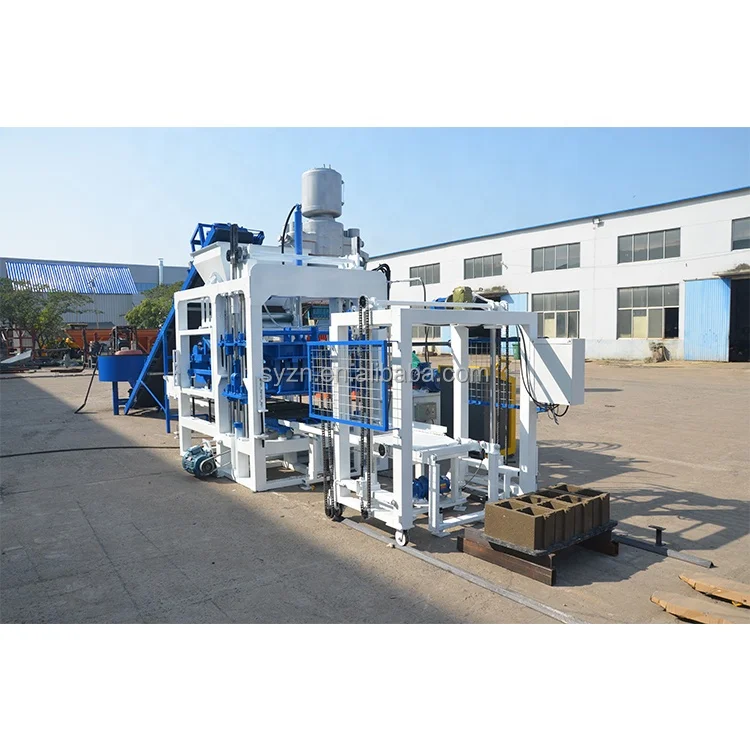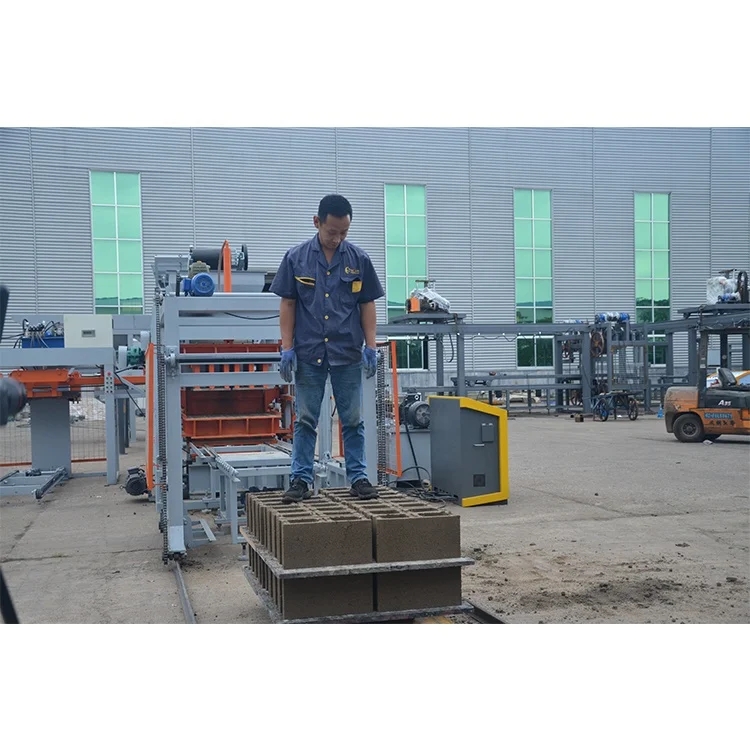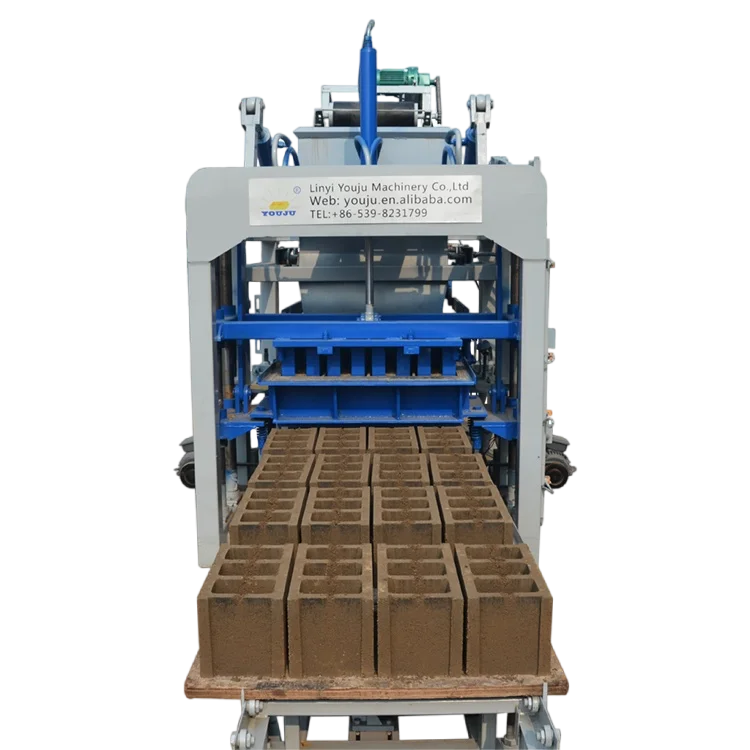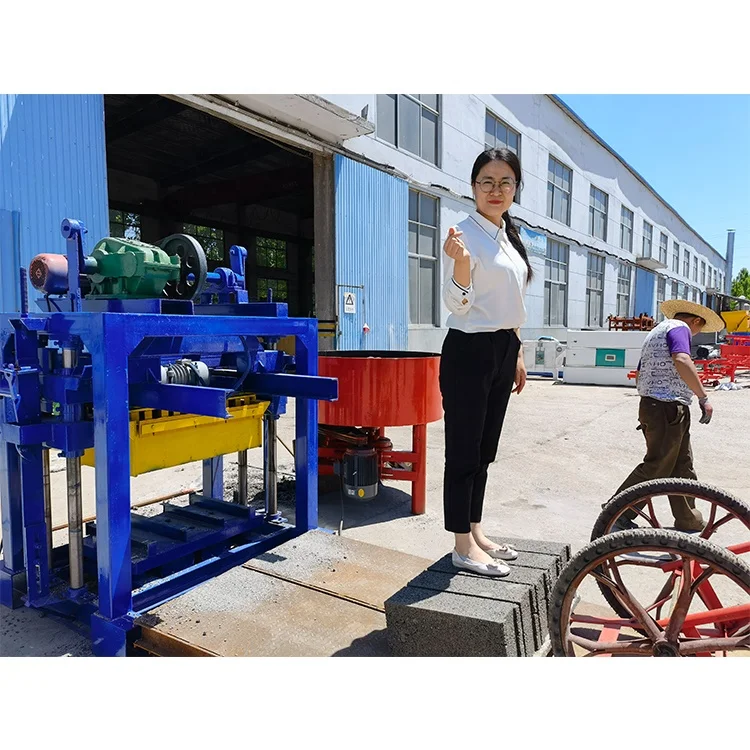
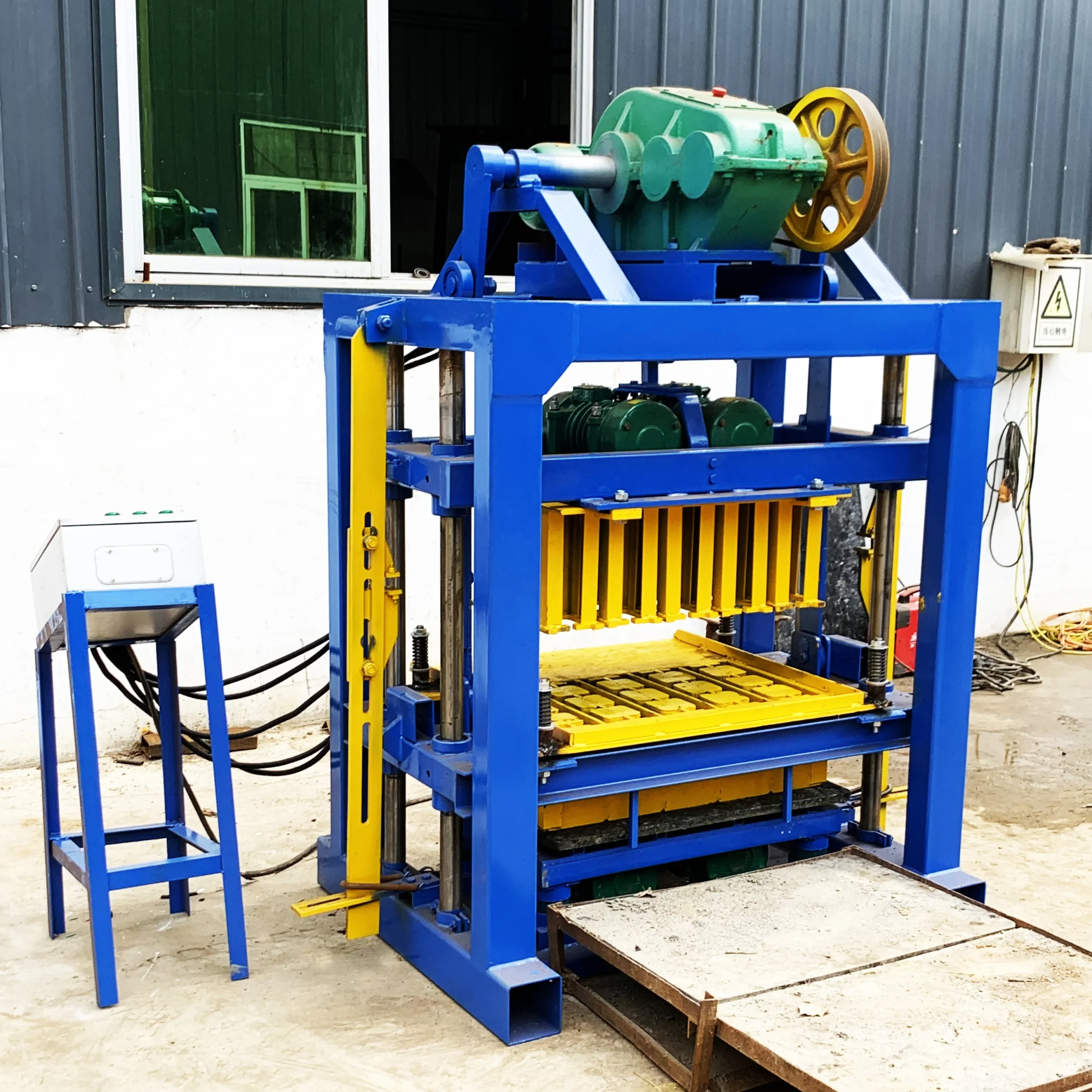


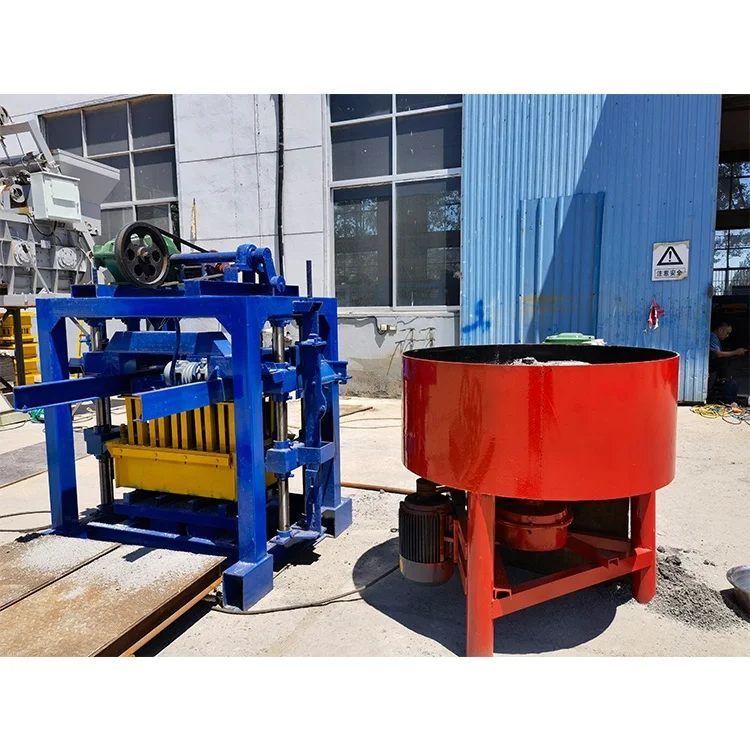

Description
Honest capacity by block format — theoretical output for the QTJ4-40 is stated per mould cavity and block dimension, not as a single headline figure, so buyers plan around what the machine actually produces on their product mix.
Technical Specifications
| Parameter | Value |
|---|---|
| Model | QTJ4-40 |
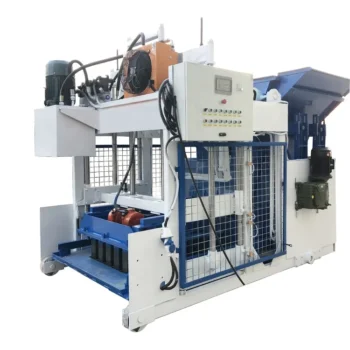
| Product Type | Semi-Automatic Concrete Block Making Machine |
| Machine Power | 10.4 kW |
| Molding Cycle | 40 s |
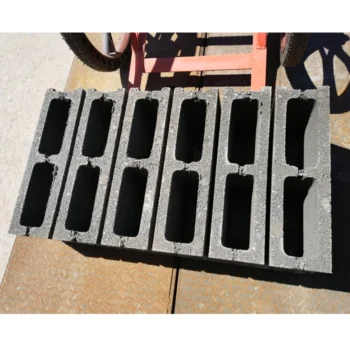
| Theoretical Productivity (400×200×200 mm hollow block, 4 pcs/mould) | 360 pcs/h, 2800 pcs/day |
| Theoretical Productivity (400×150×200 mm hollow block, 5 pcs/mould) | 450 pcs/h, 3600 pcs/day |
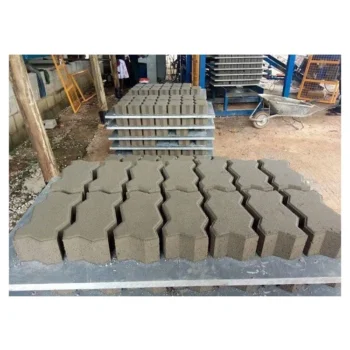
| Theoretical Productivity (225×112.5×60 mm solid/paving brick, 9 pcs/mould) | 800 pcs/h, 6400 pcs/day |
| Raw Materials | Concrete, sand, cement, fly ash, lime, gypsum |
| Vibration System | Bed mould vertical vibration + upper mould compression vibration |
| Pallet Size | 850 × 450 mm |
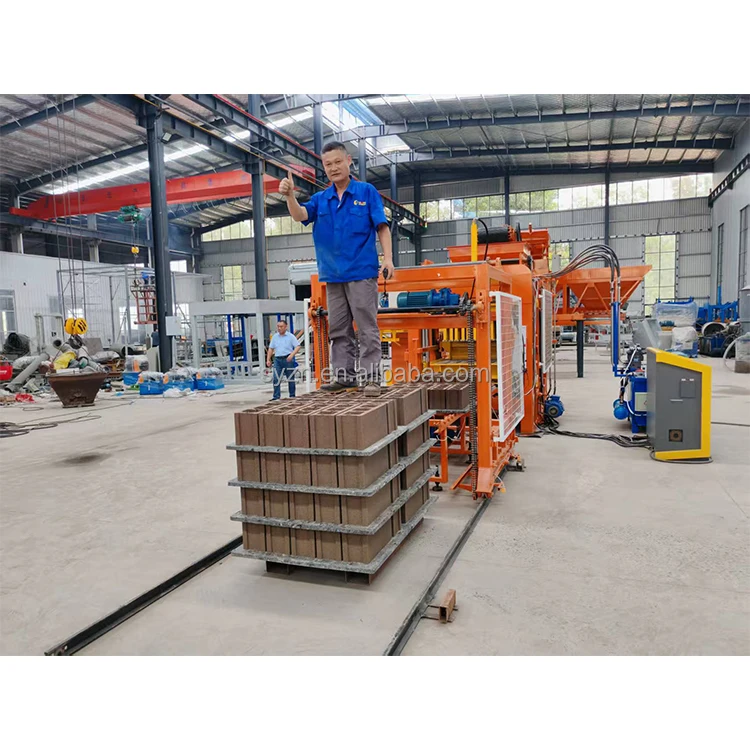
| Automation Level | Semi-automatic (top die push-pull, automatic scraper, manual pallet handling) |
| Machine Weight | 1 T |
| Overall Dimensions (L×W×H) | 1350 × 1460 × 1800 mm |
| Voltage | According to buyer’s local voltage (confirm V/Hz/phase before production) |
| Control System | To be confirmed (PLC / relay / language) |
Application Suitability
| Application | Material or Output |
|---|---|
| Small-scale hollow block plant | 400×200×200 mm and 400×150×200 mm hollow blocks from crushed stone, sand and cement |
| On-site housing project production | Solid bricks and hollow blocks using locally available aggregate and fly ash |
| Paving and kerbstone addition to existing range | 225×112.5×60 mm solid/paving bricks from cement and fine sand |
| First block plant for entrepreneurs | Low-footprint entry production using concrete, sand, cement, fly ash, lime or gypsum |
What the QTJ4-40 Block Machine Specifications Actually Mean for Your Daily Output
A 40-second cycle only becomes real daily output once the block format, pallet handling pace and curing space are aligned.
Quoting a single output number for the QTJ4-40 block machine specifications without naming the block format is where most first-time buyers get caught. A mould producing four 400×200×200 mm hollow blocks per cycle delivers a different daily total than one pressing nine solid paving bricks, yet both run on the same 40-second cycle. I have seen site supervisors in East Africa plan labour and curing racks around a headline capacity, only to find the actual format they sell cuts that number significantly. Matching the QTJ4-40 block machine specifications to the format your market actually buys is the first step toward an honest production plan [NEED_CITE: typical block format demand by regional market].
Mould Format and Pallet Matching
The 850×450 mm pallet defines which mould formats the QTJ4-40 can run. Each cavity layout — four large hollow blocks, five medium hollow blocks, or nine solid bricks — must fit within that pallet boundary. The pallet size also determines whether your existing curing racks and forklift can handle the output without modification. Confirming pallet material and dimensions against your site infrastructure before ordering prevents a situation where freshly pressed blocks have nowhere to go.
Vibration and Compression for Block Density
The QTJ4-40 uses bed mould vertical vibration combined with upper mould compression vibration. This dual action compacts the concrete mix from both directions, which influences the density and strength consistency of the finished block. On a site in Tanzania, I watched a small manual press struggle with local volcanic ash sand because the vibration force was not matched to the mix. The blocks came out crumbly and the crew had to slow the cycle. Getting the vibration and pressure right for your specific aggregate matters more than the cycle time alone [NEED_CITE: effect of vibration force on concrete block compressive strength].
Reading the Core Parameters Beyond the Brochure
The 10.4 kW machine power must be read alongside the vibration system type, because vibration motors draw significant current during each 40-second cycle. A site with unstable supply may need a dedicated circuit or voltage stabiliser. The semi-automatic configuration — top die push-pull with automatic scraper and manual pallet handling — means the operator feeds and removes pallets by hand. That labour requirement shapes your daily staffing plan. The 1 T machine weight and 1350×1460×1800 mm footprint keep the installation simple, but the foundation still needs to be level and cured before the first production run. Voltage and control language must be confirmed before the machine enters production; arriving with a 380 V/50 Hz motor in a 415 V/60 Hz region delays commissioning by weeks.
The Hidden Cost of Skipping Format Confirmation
Ordering a QTJ4-40 without confirming which mould formats match your market means you may receive a machine configured for blocks your customers do not buy. The pallet handling rhythm then breaks down because the operator is swapping moulds mid-shift instead of running a steady format. Pallet material chosen without regard to your curing method — open-air versus rack — leads to warping or breakage within the first month. These are not warranty issues; they are specification gaps that surface only after the machine is bolted to the floor [NEED_CITE: common commissioning delays in small block plants].
Why Specify This Machine Through a Format-First Approach
Block machinery is the single focus here, which means the press, mould, pallet and handling are treated as one matched system rather than sourced separately. Each configuration starts from the buyer’s actual mix design and local aggregate, not a catalogue default. Mould design covers the formats your market sells, with custom drawings available where standard options do not fit. The automation level is selectable — a buyer can begin with the semi-automatic QTJ4-40 and plan an upgrade path as volume grows. Installation support includes operator training so the crew understands cycle rhythm, mould change procedure and daily maintenance from the first shift.
Documentation & Verification
- Line layout showing pallet flow from press to curing area for the QTJ4-40 footprint
- Capacity calculation table stating block format and cavity count for each output figure
- Mould drawing and format list confirming compatibility with the 850×450 mm pallet
- Voltage, frequency and control language confirmation sheet signed before production
- Factory test record on buyer’s specified block format before dispatch
- Operation and maintenance manual with wear parts and mould replacement list
Installation, Commissioning & Support
- Level concrete foundation required to absorb 10.4 kW vibration load without resonance transfer
- Dedicated electrical circuit matching confirmed voltage and phase for the QTJ4-40 motor set
- Machine arrives assembled; pallet feed and handling stations positioned on-site during commissioning
- First production run supervised to set vibration timing and scraper alignment per mix design
- Operator training covers 40-second cycle rhythm, manual pallet handling and mould change procedure
- Wear parts list and mould spares identified before shipment for local stocking
What to Prepare Before Requesting a Quotation
Share the specific block formats your market sells, including dimensions and daily volume targets. Confirm your local voltage, frequency and preferred control panel language. Describe the raw materials available on your site — especially the type of sand or aggregate — so the mix design can be checked against the vibration system before the QTJ4-40 enters production.
Frequently Asked Questions
Q: How is the QTJ4-40 output capacity verified and which block format does each figure assume?
A: Each output figure is tied to a specific block dimension and cavity count — for example, 360 pcs/h assumes 400×200×200 mm hollow blocks at 4 pcs/mould. The capacity calculation document provided with the quotation lists every format and its corresponding cycle output so buyers can plan against their actual product mix.
Q: Which mould formats fit the 850×450 mm pallet and how long does a mould change take?
A: The pallet accommodates layouts from four large hollow blocks to nine solid paving bricks. Mould change time depends on the fastening system and operator familiarity; first-time changes take longer until the crew builds routine. A format list confirming all compatible moulds is supplied before order confirmation.
Q: How should the machine be configured for my local aggregate and mix design?
A: The vibration force and hydraulic pressure settings are adjusted based on your aggregate type and cement ratio. Providing a sample of your local sand or fly ash allows the configuration to target the block strength your market requires, rather than relying on a default setting that may not suit your material.
Q: What voltage, frequency and control language options are confirmed before shipment?
A: Voltage, phase and frequency are confirmed in writing before production begins, matching your site supply. Control panel language is agreed at the same stage. This prevents commissioning delays caused by electrical mismatch or an interface the operator cannot read.
Q: How does the 40-second cycle translate into realistic daily output once pallet handling is included?
A: The 40-second cycle is the press time only. Manual pallet feeding and removal add time between cycles, and curing rack capacity limits how many pallets can circulate. A realistic daily output calculation accounts for pallet turnaround, operator pace and scheduled mould changes across the shift.