Description
Format-Matched Output — Every QTJ4-35 capacity figure on this page names the exact block size, mould cavity count and cycle time it assumes, so buyers can match the machine to the product their market actually sells before signing anything.
Technical Specifications
| Parameter | Value |
|---|---|
| Model | QTJ4-35 |
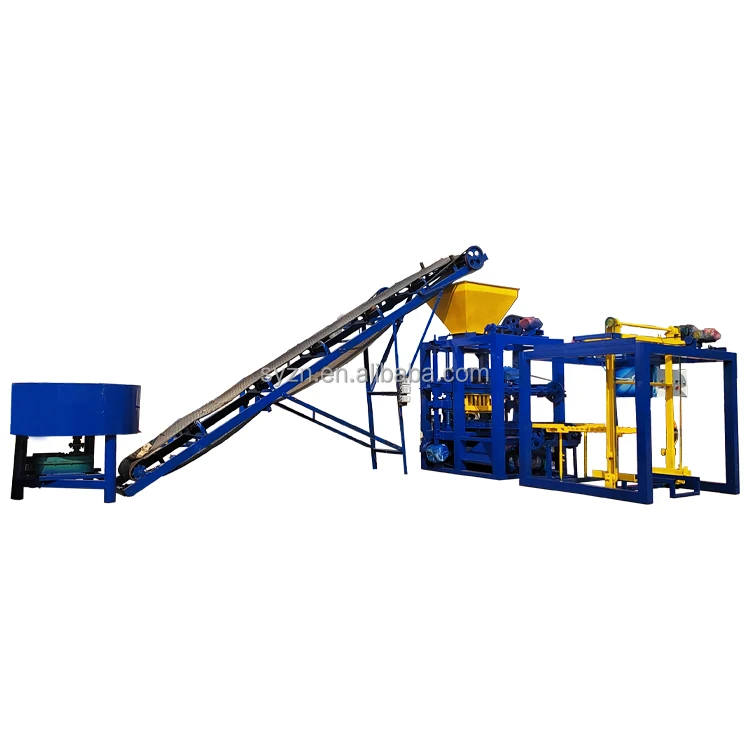
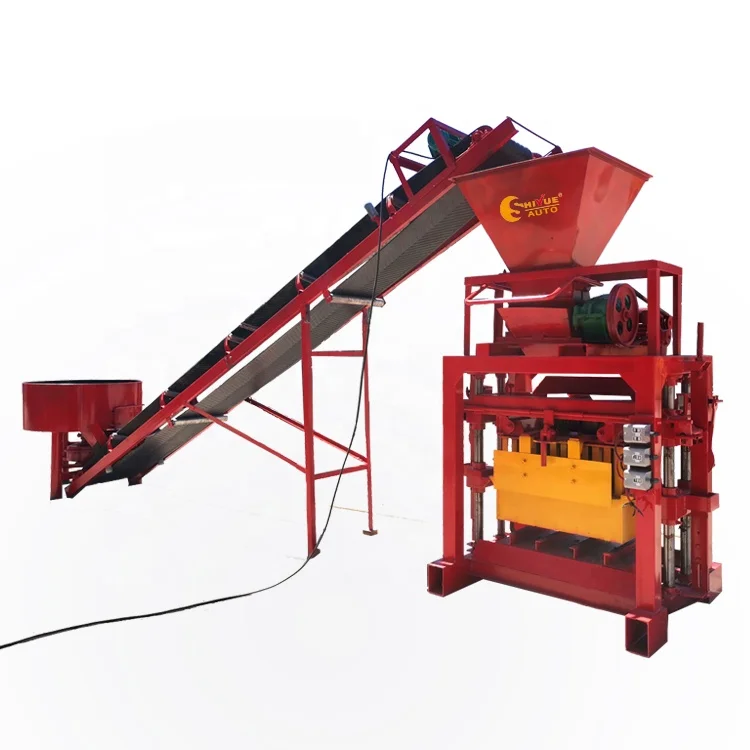
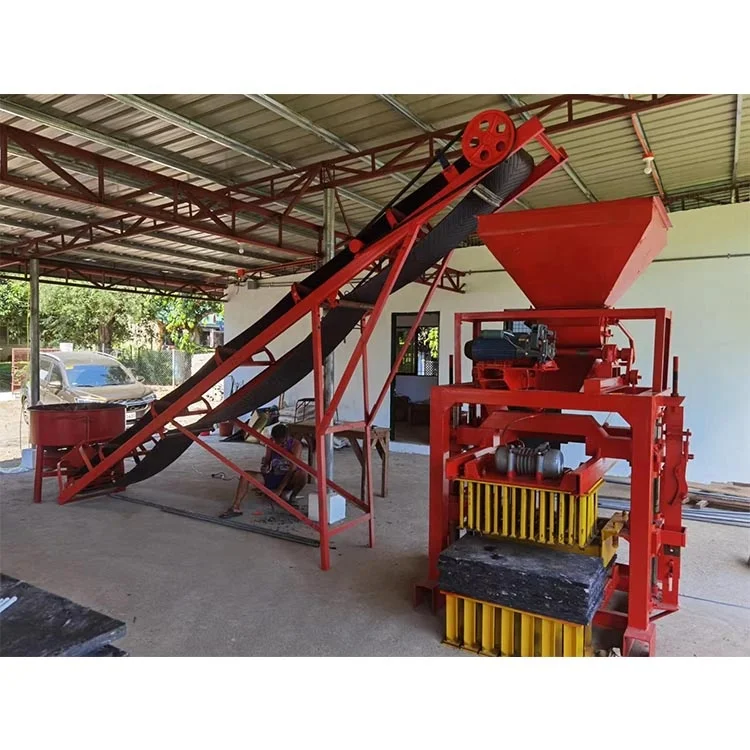
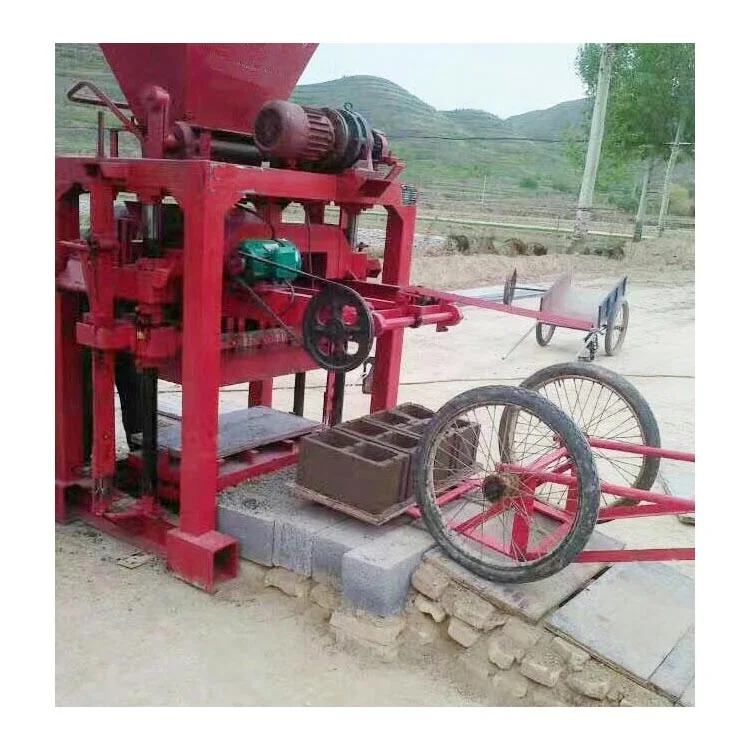
| Product Type | Small Concrete Block Making Machine |
| Overall Dimensions (L×W×H) | 1350×1460×1800 mm |
| Net Weight | 1500 kg |
| Molding Cycle | 35 s |
| Vibration Frequency | 2800 r/min |
| Vibration Force (Exciting Power) | 30 kN |
| Total Power | 11.15 kW |
| Mixer Model | JQ350 |
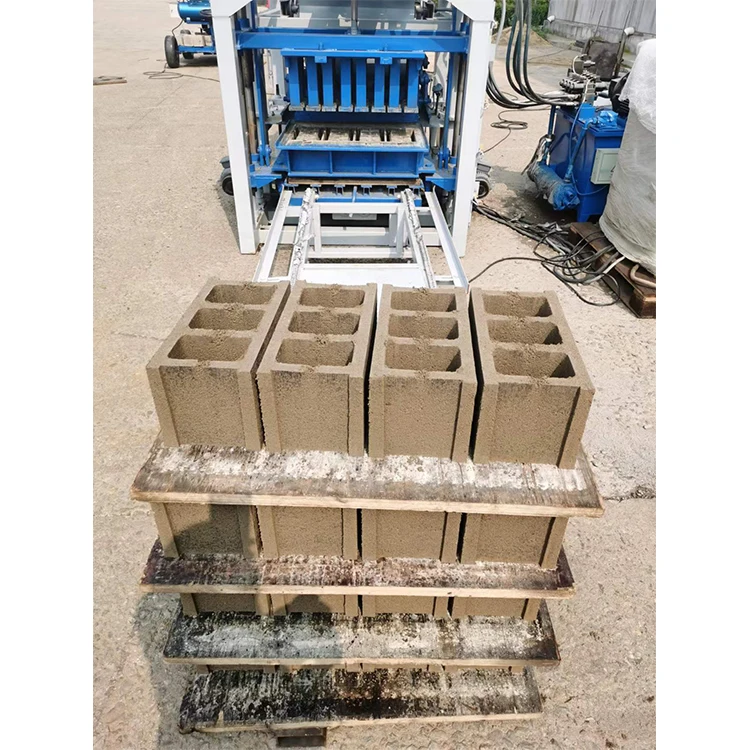
| Pallet Size | 850×450×20 mm |
| Frame Construction | Four-lead column, channel steel stand |
| Mould Compression | Upper mould and bottom mould compression |
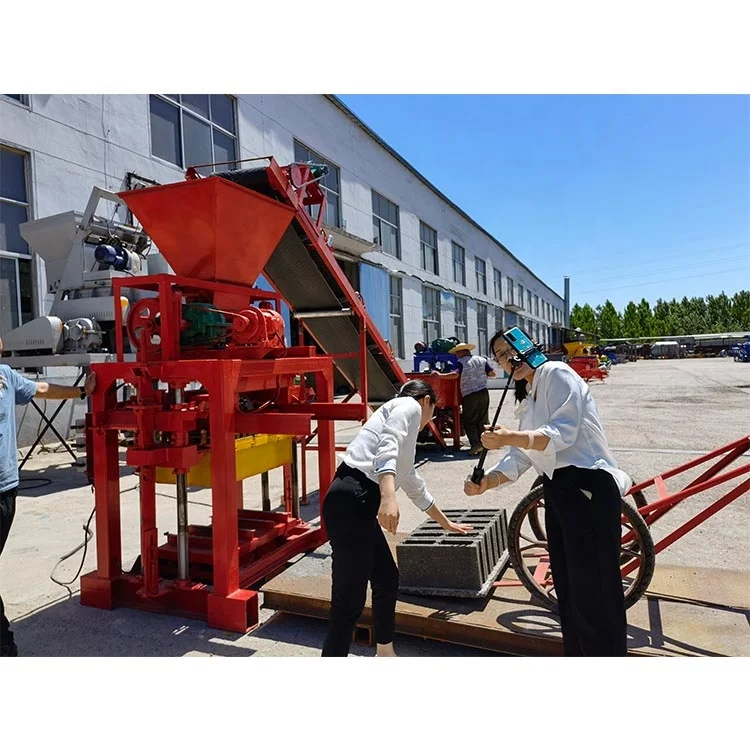
| Automation Level | Semi-automatic (manual pallet handling) |
| Output Capacity | 408 pcs/hr (based on 400×200×200 mm hollow block, 4 pcs/mould) |
| Output Capacity | 510 pcs/hr (based on 400×150×200 mm hollow block, 5 pcs/mould) |
| Output Capacity | 2100 pcs/hr (based on 240×115×53 mm solid brick, 18 pcs/mould) |
| Daily Output (8 hr) | 3264 pcs (400×200×200 mm hollow block) |
| Daily Output (8 hr) | 4080 pcs (400×150×200 mm hollow block) |
| Daily Output (8 hr) | 17000 pcs (240×115×53 mm solid brick) |
| Raw Materials | Crushed stones, sand, cement, dust, fly ash |
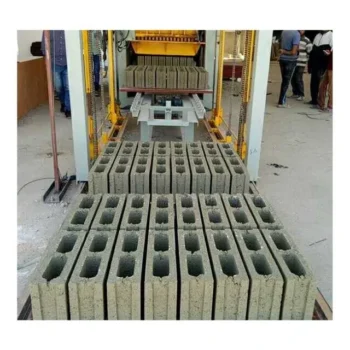
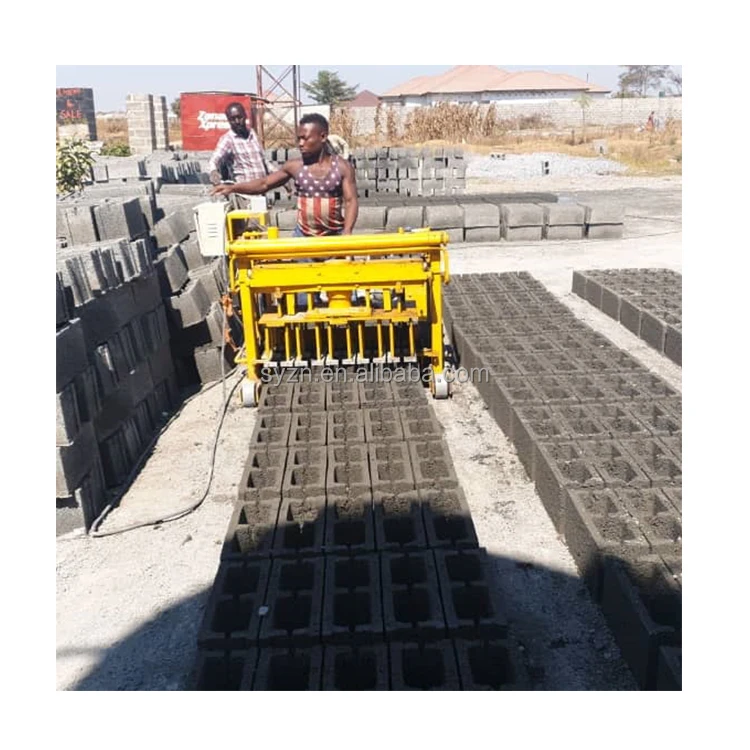
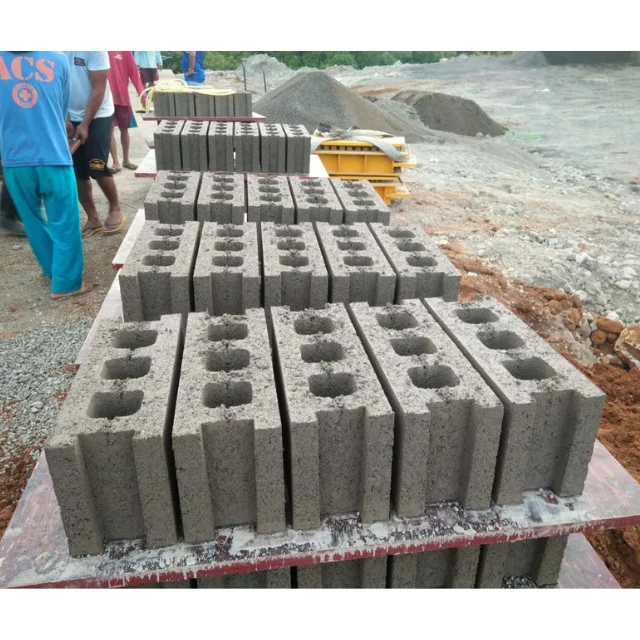
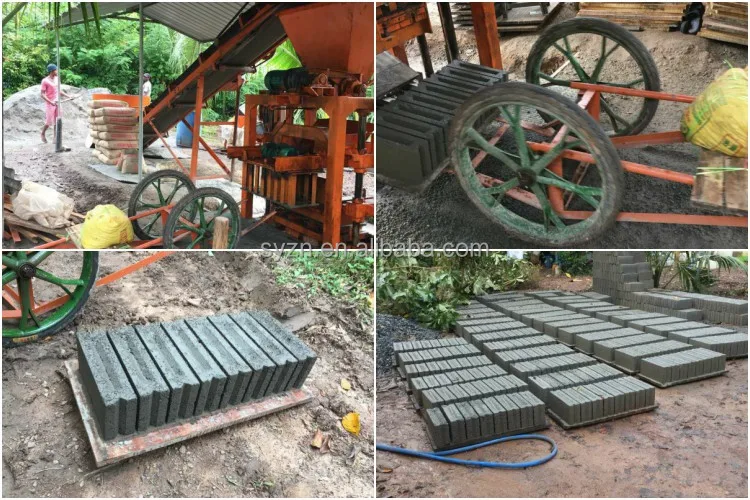
| Applied Products | Concrete blocks, hollow block (8 inch, 6 inch), solid brick |
| Voltage & Frequency | Configurable (basis to be confirmed before order) |
| Control System Language | Configurable (basis to be confirmed before order) |
Application Suitability
| Application | Material or Output |
|---|---|
| Small-scale masonry block plant | 8-inch and 6-inch hollow blocks from crushed stone, sand and cement |
| On-site housing project brick making | 240×115×53 mm solid bricks using local sand and fly ash |
| First-time entrepreneur block yard | Hollow blocks and solid bricks with manual pallet handling |
| Existing concrete product manufacturer | Adding hollow block or solid brick formats to a current range |
What "Pieces per Hour" Actually Means for the QTJ4-35
A cycle time is only useful when you know exactly what the mould is producing during that cycle.
I have watched buyers sign for a small block machine based on a single headline number, then discover on arrival that the quoted throughput assumed a solid brick mould while their market only buys 8-inch hollow blocks. The QTJ4-35 block machine specifications on this page avoid that trap by tying every output figure to a named format: 408 pieces per hour for a 400×200×200 mm hollow block at 4 cavities, 510 pieces per hour for a 400×150×200 mm hollow block at 5 cavities, and 2100 pieces per hour for a 240×115×53 mm solid brick at 18 cavities, all at a 35-second cycle. When the local aggregate is angular crushed stone rather than rounded river sand, the mix absorbs vibration differently, and actual daily output can shift noticeably from these baselines [NEED_CITE: effect of aggregate shape on block compaction and cycle consistency]. Stating the format up front lets the buyer size the curing area, pallet inventory and labour crew to what the machine will actually produce on their site.
Matching Mould Format to Local Market Demand
The QTJ4-35 ships with moulds for the hollow block and solid brick sizes that dominate small-scale masonry markets. A buyer producing 8-inch hollow blocks for load-bearing walls will run the 4-cavity mould and plan for roughly 3264 pieces across an 8-hour shift, while a contractor making solid bricks for partition work will switch to the 18-cavity mould and target 17000 pieces in the same window. Knowing the small block machine capacity by format before ordering prevents the common mistake of buying a machine that is technically capable but moulded for the wrong product.
Pallet Size and Curing Area Alignment
The 850×450×20 mm pallet is the physical link between the press and the curing yard. If the buyer already operates a forklift with a specific fork width, or has curing racks built to a different pallet dimension, the mismatch will surface on day one. Confirming pallet compatibility before production starts means the block line flows from press to rack without manual re-stacking. Buyers who overlook this detail often end up double-handling every pallet, which erodes the daily output the machine was selected to deliver [NEED_CITE: pallet handling inefficiency in semi-automatic block plants].
Vibration, Pressure and the Local Mix
The 30 kN vibration force at 2800 r/min works together with upper-and-lower mould compression to consolidate the concrete mix. In regions where the available sand carries high silt content, the mix demands more vibration energy to achieve the same block density. A machine configured for clean washed sand will under-compact a silt-heavy mix, producing blocks that chip during de-moulding or fail a compressive strength test. The QTJ4-35 block machine specifications should therefore be read alongside the buyer’s actual aggregate sieve analysis and cement proportion, not treated as a standalone guarantee.
The Cost of Skipping the Format Conversation
When a buyer orders on headline cycle time alone, the first week of production often reveals that the mould included in the quotation does not match the block their customers buy. A format swap then requires a new mould, a different pallet count and a revised curing layout, each adding delay and expense. In some cases the vibration force that was adequate for a solid brick mix proves insufficient for a hollow block with thinner webs, forcing a reformulation of the concrete blend [NEED_CITE: mismatch between vibration force and block web thickness]. These are avoidable costs that trace back to a quotation that never named the target format.
Why Sourcing This Machine Here Makes Sense
Block machinery is the sole focus of the production facility, so the QTJ4-35 press, its moulds, pallets and the JQ350 mixer are specified as one matched set rather than assembled from unrelated suppliers. Configuration starts from the buyer’s actual mix design and local aggregate, not a catalogue default. Mould design covers the formats the buyer’s market sells, with custom drawings available for non-standard sizes. The automation level is selectable, allowing a buyer to begin with semi-automatic pallet handling and add automatic stacking later. Installation support includes operator training so the crew understands cycle timing, mould change procedure and daily maintenance from the first shift.
Documentation & Verification
- Line layout drawing showing QTJ4-35 footprint and pallet flow path
- Capacity calculation sheet naming block format and mould cavity count
- Mould drawing with dimensional tolerances for chosen block size
- Factory test record confirming 35-second cycle on buyer’s format
- Voltage and control language confirmation signed before production
- Packing photographs of machine, mould and pallets before container loading
Installation, Commissioning & Support
- Level concrete pad required to support 1500 kg machine weight and vibration load
- Dedicated power circuit for 11.15 kW total draw including JQ350 mixer
- Voltage and frequency confirmed in writing to match site supply before dispatch
- On-site mould alignment and cycle timing verification during first production run
- Operator training covering manual pallet handling rhythm and mould change procedure
- Wear parts list identifying hydraulic seals and vibration components for first reorder
Starting the Conversation
To move from a general inquiry to a firm configuration, the useful starting points are the exact block format the local market buys, the daily volume required for that format, and the aggregate sources available on site. With those three details, a capacity calculation can be prepared that names the mould, pallet count and curing space needed, so the quotation reflects what the machine will actually do once it arrives.
Frequently Asked Questions
Q: How is the daily output of the QTJ4-35 calculated for each block format?
A: Each output figure is derived from the 35-second molding cycle multiplied by the number of cavities in the specific mould and the length of an 8-hour shift. For the 400×200×200 mm hollow block at 4 cavities, that gives 3264 pieces; for the 240×115×53 mm solid brick at 18 cavities, it gives 17000 pieces. No single headline number is used across all formats.
Q: Which mould formats are included and how long does a mould change take?
A: Standard supply covers moulds for 8-inch hollow block, 6-inch hollow block and 240×115×53 mm solid brick. The exact mould change time depends on the operator’s familiarity with the upper-and-lower compression mechanism, and is confirmed during on-site training so the crew can plan format changeovers within a shift.
Q: Is the vibration force matched to my local aggregate and mix design?
A: The 30 kN vibration force at 2800 r/min is a baseline. Before production, the buyer’s aggregate sieve analysis and cement ratio are reviewed to confirm that the mix will consolidate properly under these parameters, or to adjust the vibration settings if the local sand carries higher silt or clay content.
Q: What pallet size does the machine use and is it compatible with my curing setup?
A: The machine uses an 850×450×20 mm pallet. Buyers should check this dimension against existing curing racks and forklift fork widths before ordering. If the current curing area is sized for a different pallet, the layout drawing provided with the quotation will show the adjustments needed.
Q: What voltage and control language options are available for my market?
A: Voltage and frequency are configured to match the buyer’s site supply and confirmed in writing before production starts. The control display language is selected at the same stage to ensure the operator can read cycle parameters and fault messages from the first day of operation.