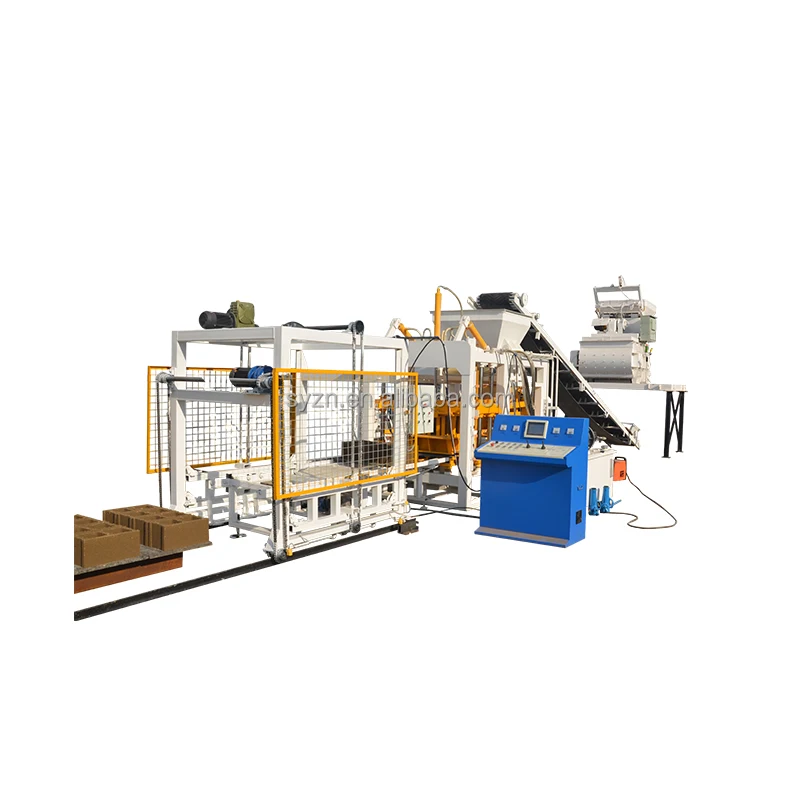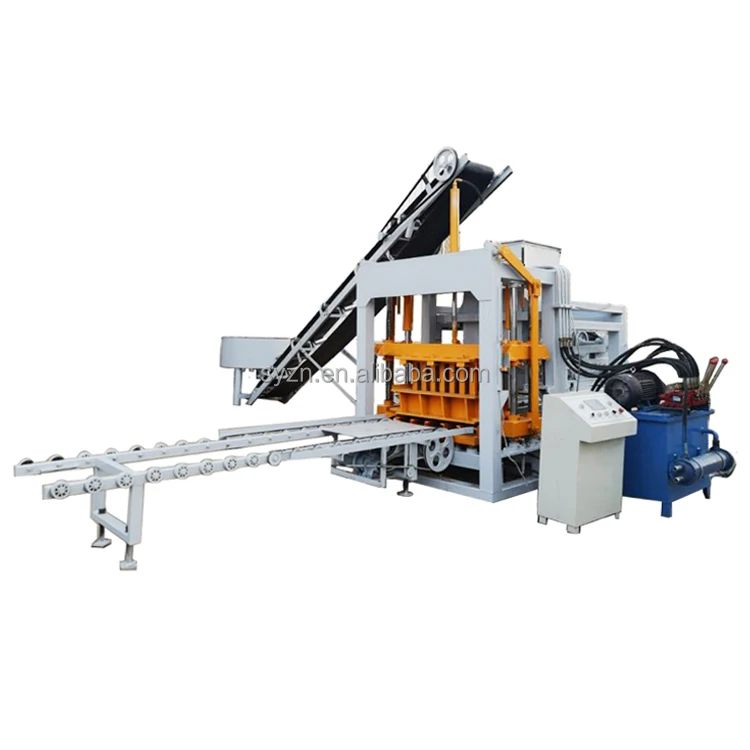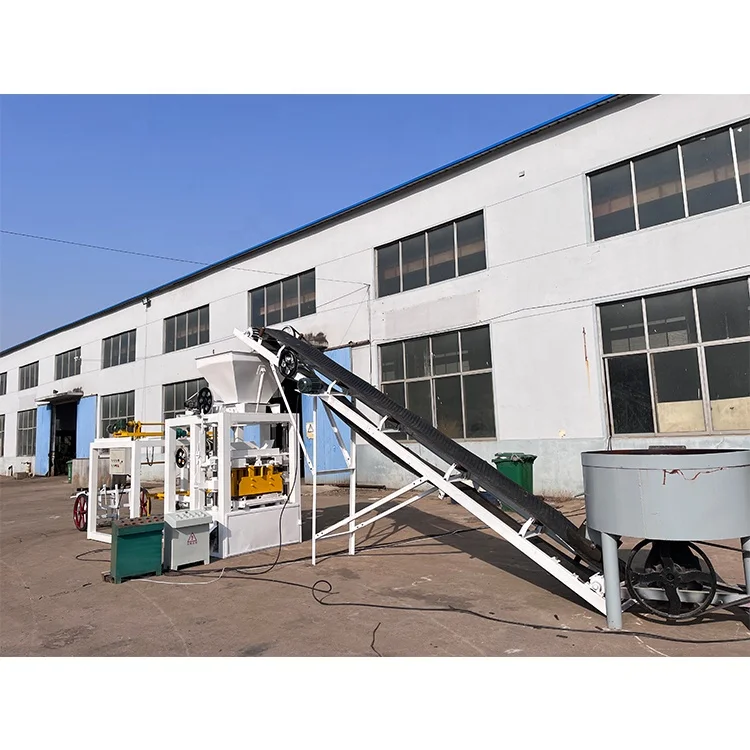
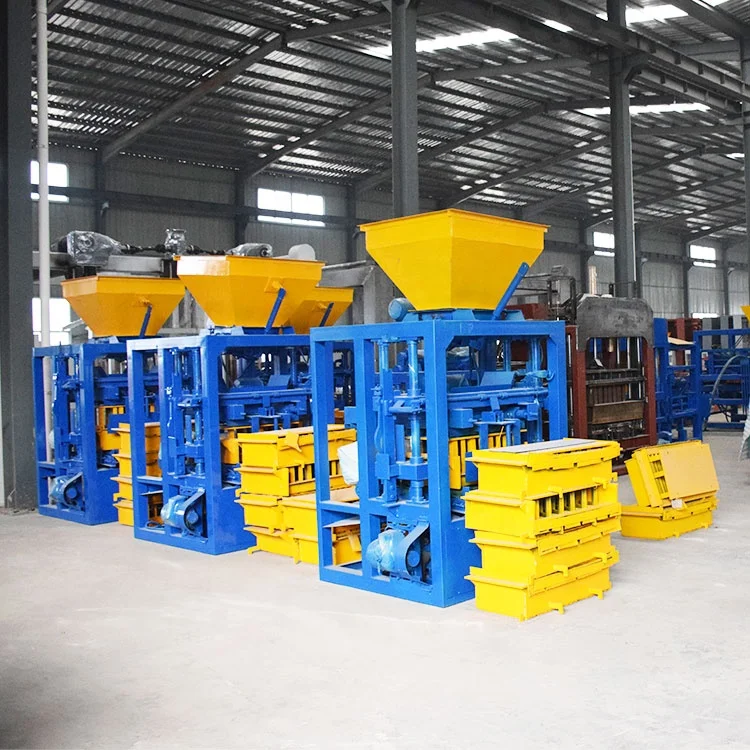
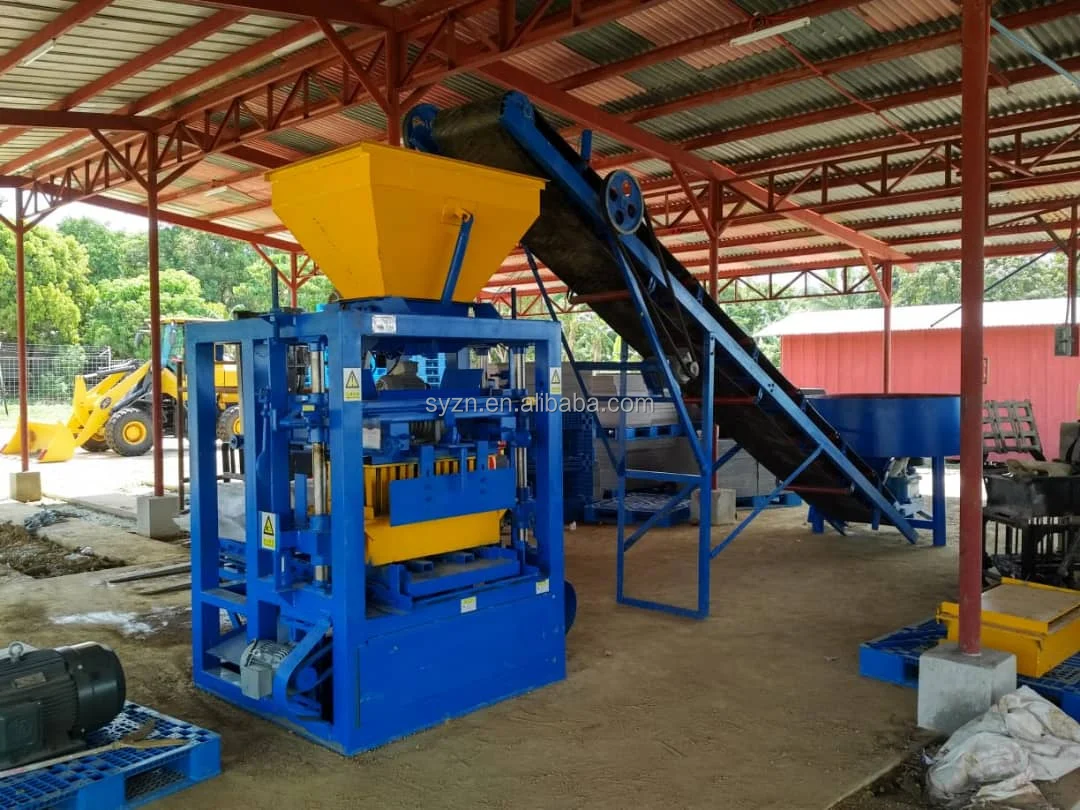
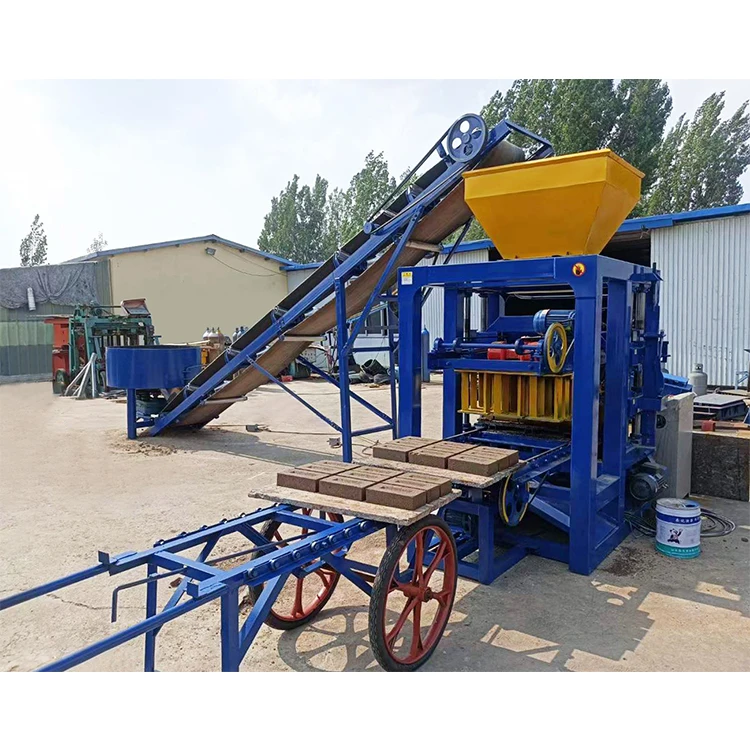
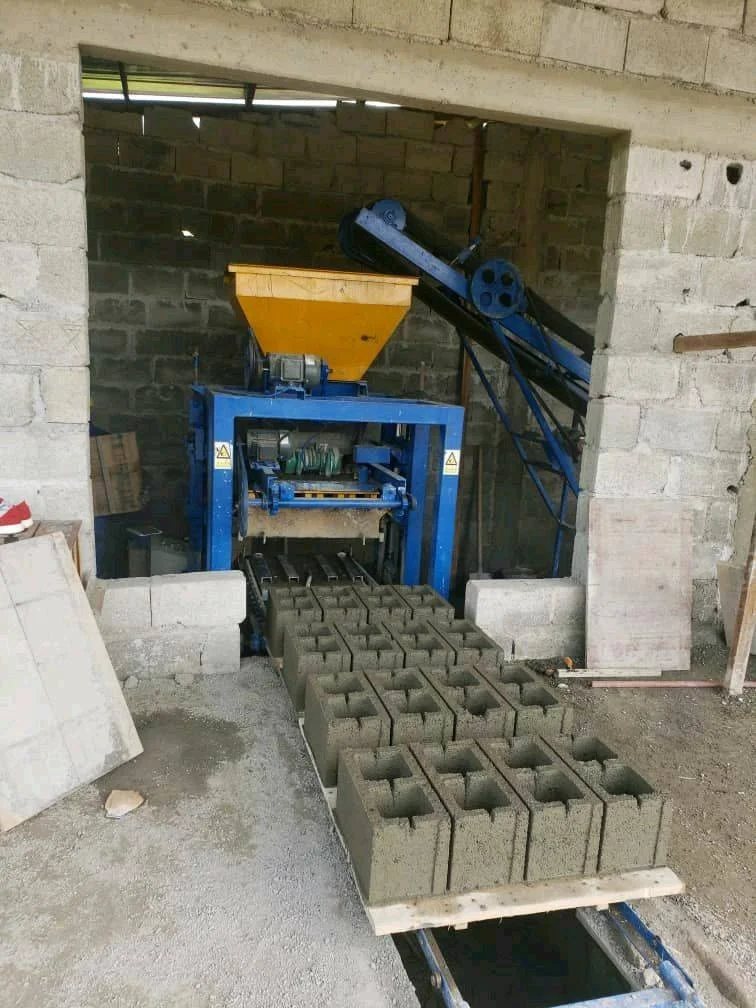
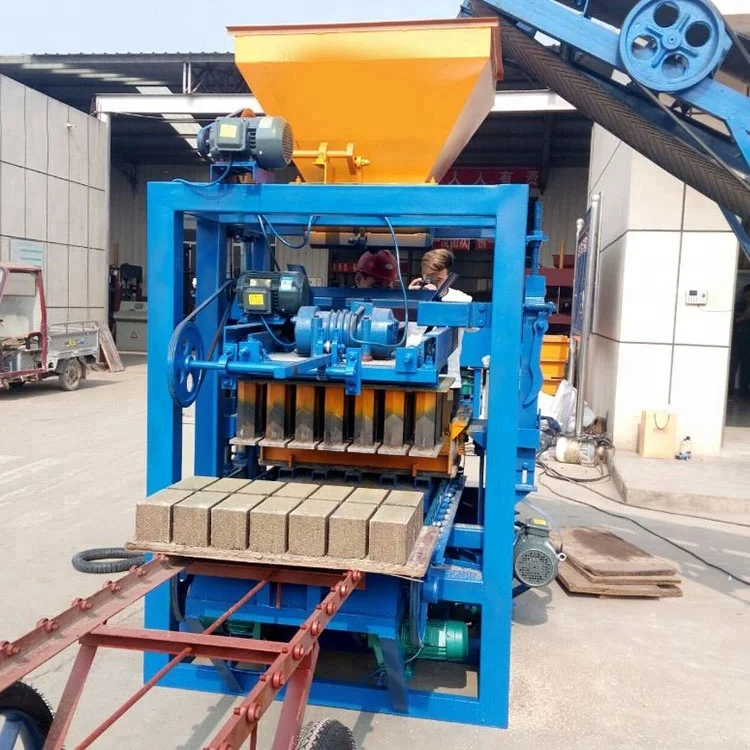
Description
Specified Per Format — Every capacity figure for the QTJ4-26 is tied to a specific block dimension and local aggregate, not a single catalogue claim.
Technical Specifications
| Parameter | Value |
|---|---|
| Product Type | Semi-Automatic Concrete Block Making Machine |
| Model | QTJ4-26 |
| Overall Dimensions (L×W×H) | 2060×1730×2580 mm |
| Moulding Cycle | 26 s |
| Vibration Frequency | 4200 r/min |
| Vibration Force (Exciting Power) | 35.5 kN |
| Rated Power | 14.25 kW |
| Mixer Model | JQ350 |
| Pallet Size | 850×450×20 mm |
| Net Weight | 1800 kg |
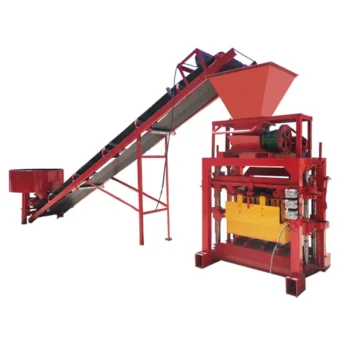
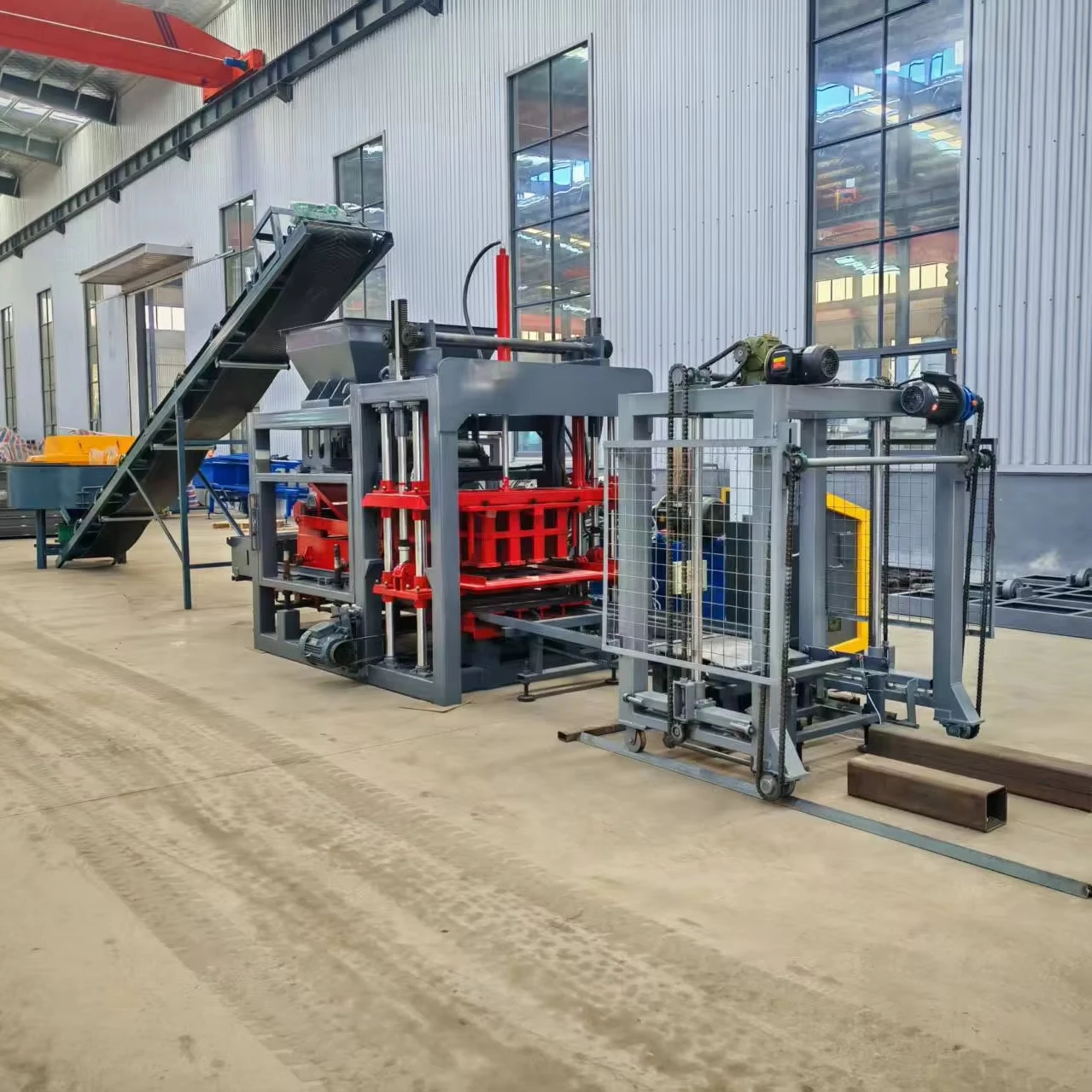
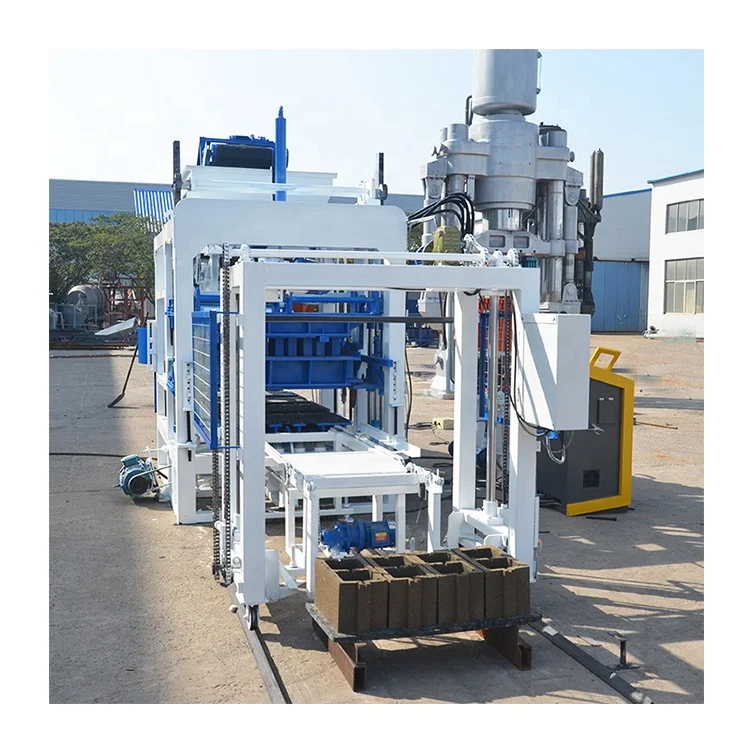
| Automation Level | Semi-automatic (four guide pillars, automatic mould movement) |
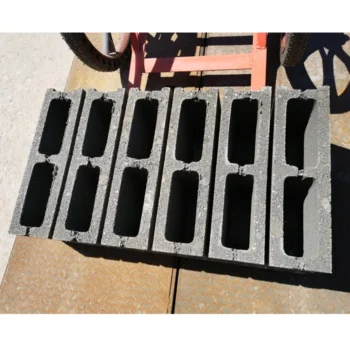
| Applied Products | Concrete hollow blocks (8 inch, 6 inch), solid brick |
| Raw Materials | Crushed stones, sand, cement, dust, fly ash |
| Output Capacity (390×190×190 mm Hollow Block) | 480 pcs/h, 3800 pcs/8 h |
| Output Capacity (400×150×200 mm Hollow Block) | 600 pcs/h, 4800 pcs/8 h |
| Output Capacity (240×115×53 mm Solid Brick) | 2100 pcs/h, 17000 pcs/8 h |
| Voltage & Frequency | basis to be confirmed |
| Control System | basis to be confirmed |
| Hydraulic Pressure | basis to be confirmed |
| Mould Change Time | basis to be confirmed |
Application Suitability
| Application | Material or Output |
|---|---|
| Small to medium block plants | Crushed stone, sand, cement, fly ash |
| On-site construction manufacturing | 8-inch and 6-inch hollow blocks |
| First-time block production setups | Standard solid bricks and hollow formats |
What "Output Capacity" Actually Means for the Semi-Automatic Block Machine specifications
Capacity is meaningless without the block format attached to it.
A lot of buyers get burned by a single headline number. They see "4800 pieces a day" on a brochure and assume that applies to whatever block they plan to sell. The reality is that a machine cycling on a small solid brick produces a vastly different daily total than the same machine cycling on a large hollow block. The Semi-Automatic Block Machine specifications you review should always state the exact block dimensions behind every output claim. When that link is missing, the machine you receive will almost certainly underperform against your business plan [NEED_CITE: common discrepancies in block machine output claims].
Cycle Time and Format-Specific Output
The QTJ4-26 runs a 26-second moulding cycle, but that cycle translates into different hourly totals depending on how many cavities the mould holds. For a 390×190×190 mm hollow block, the output is rated at 480 pieces per hour. Switch the mould to a 240×115×53 mm solid brick and the same cycle produces 2100 pieces per hour because the mould carries more cavities. This is why the Semi-Automatic Block Machine specifications must be read per format.
Mould Selection and Market Fit
The block format your local market actually buys determines which moulds you need on day one. The QTJ4-26 accommodates moulds for standard hollow blocks and solid bricks, and custom mould designs can be built to buyer drawings. Selecting the right mould up front avoids the cost and downtime of ordering additional tooling after the machine is already running. Mould compatibility with the 850×450 mm pallet is confirmed before production so every block sits correctly within the curing area [NEED_CITE: mould and pallet matching standards in block production].
Reading the Core Parameters
The 35.5 kN vibration force at 4200 r/min works together with the four-guide-pillar structure to compact the mix evenly across the pallet. Higher vibration force generally improves block density, but only when the mix design and aggregate grading are suited to that force level. The JQ350 mixer feeds material into the mould box, and its capacity must keep pace with the 26-second cycle to avoid idle time between presses. Pallet size at 850×450×20 mm sets the maximum mould footprint; if your curing area or forklift is sized for a different pallet, handling becomes a bottleneck the moment blocks leave the machine. The 14.25 kW rated power covers the vibration motor, mixer, and conveyor drives, so the site electrical supply must accommodate that draw plus starting current.
The Cost of Ignoring Aggregate and Mix Design
A machine configured for one aggregate type will struggle when fed a different material. If the vibration force was set for lightweight fly ash and the buyer runs dense crushed stone, the blocks come out under-compacted and fail strength tests. I have seen semi-automatic block machines of this class produce excellent hollow blocks in one region and crumble in another simply because the local sand had a different fineness modulus and nobody adjusted the parameters. Sorting this out before shipment saves weeks of on-site troubleshooting [NEED_CITE: effect of aggregate grading on block compressive strength].
Why Source This Configuration Here
Block machinery is the single focus, so the QTJ4-26 is specified as a matched system — machine, mould, pallet, and mixer together. Configuration is set against the buyer’s actual mix design and target block format rather than a default catalogue setting. Mould design covers the formats the buyer’s market demands, with custom drawings available when standard sizes do not apply. The semi-automatic platform allows a buyer to start with moderate automation and add pallet handling or stacking later. Installation support includes operator training so the crew understands cycle timing and mould change procedure from the first shift.
Documentation & Verification
- Line layout and capacity calculation stating the block format behind each output figure
- Mould drawing and format list confirming exact block dimensions for your market
- Pallet specification matched to your curing area and forklift capacity
- Voltage, frequency, and control language confirmation before production begins
- Factory test record on your target block format before dispatch
- Operation and maintenance manual with wear parts list
Installation, Commissioning & Support
- Foundation must support the 1800 kg net weight plus dynamic vibration load across the 2060×1730 mm footprint
- Dedicated electrical circuit required for the 14.25 kW rated power with confirmed voltage and frequency
- Machine ships partially assembled; guide pillars and vibration table aligned on site
- First-run commissioning includes parameter tuning for your local aggregate and mix design
- Operator training covers the 26-second cycle procedure and mould change steps
- Wear parts list provided so replacement components are on hand before first maintenance interval
Preparing Your Inquiry
To size the QTJ4-26 correctly, share the block formats your market sells and the daily volume you need per format. Confirm your local raw materials — crushed stone, sand, fly ash — along with any available mix design data. State your site voltage and frequency so the electrical system is built to match before the machine leaves the factory.
Frequently Asked Questions
Q: How is the QTJ4-26 capacity calculated, and which block format does each figure assume?
A: Each output figure is tied to a specific block size. The 480 pcs/h rating applies to a 390×190×190 mm hollow block, 600 pcs/h to a 400×150×200 mm hollow block, and 2100 pcs/h to a 240×115×53 mm solid brick. The 26-second moulding cycle is constant; the difference comes from the number of cavities in each mould.
Q: What mould formats are available, and can custom moulds be designed to buyer drawings?
A: Standard moulds cover common hollow block and solid brick sizes that fit the 850×450 mm pallet. When a market requires non-standard dimensions, custom moulds can be designed and manufactured to buyer-supplied drawings, with cavity layout confirmed against the vibration table and guide pillar clearance before production.
Q: How does the 26-second cycle time translate into realistic daily output for my specific block size?
A: The 26-second cycle gives a theoretical maximum, but realistic daily output depends on mould change frequency, pallet handling speed, and mixer feed rate. For an eight-hour shift running a single format with the JQ350 mixer keeping pace, the rated outputs of 3800 to 17000 pieces apply depending on the chosen block size.
Q: What raw material mix design and aggregate grading does the QTJ4-26 require for consistent block strength?
A: The 35.5 kN vibration force at 4200 r/min works with standard mixes of crushed stone, sand, cement, and fly ash. The exact ratio and aggregate fineness modulus should be confirmed before the machine is configured so the vibration parameters match the density your blocks require.