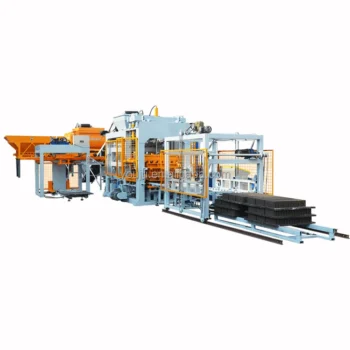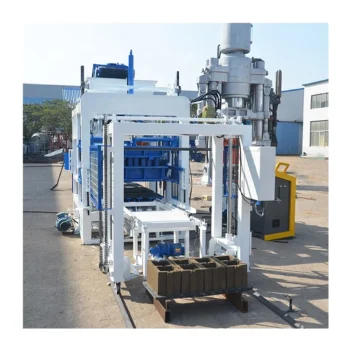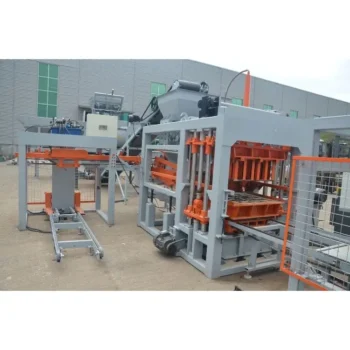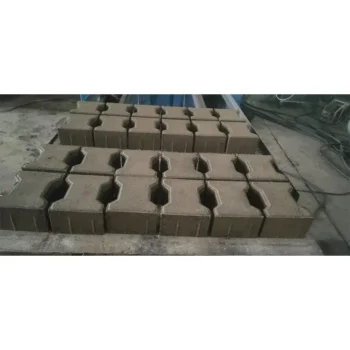
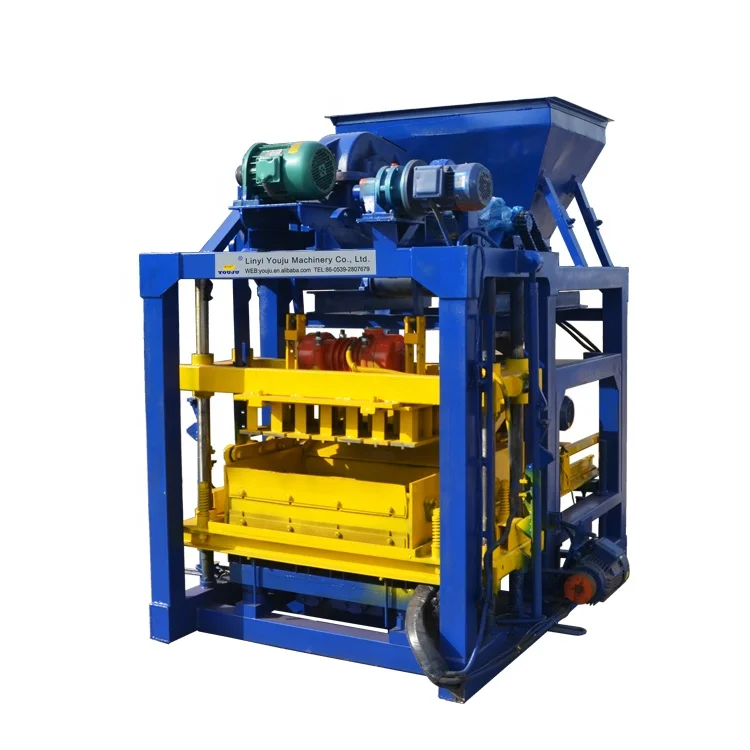
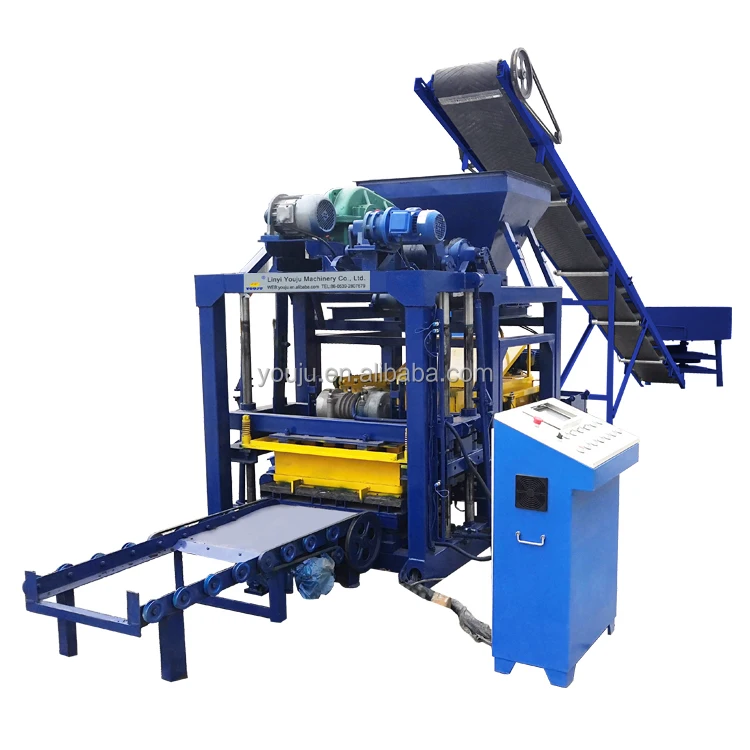
Description
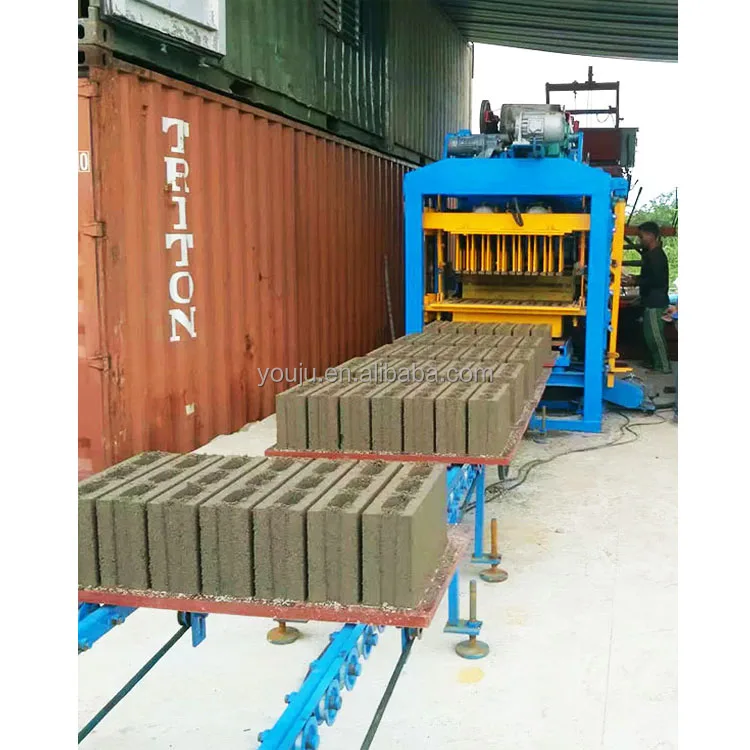
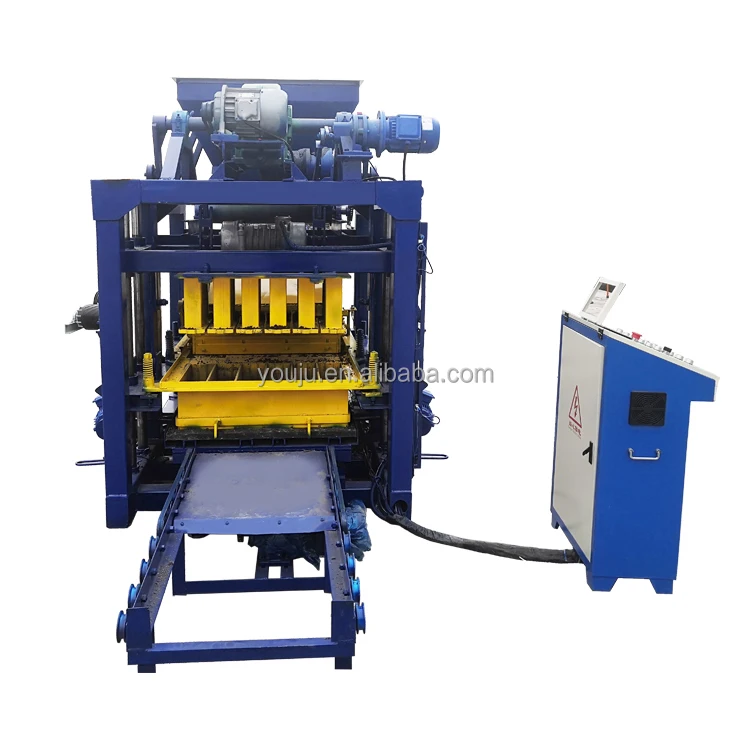
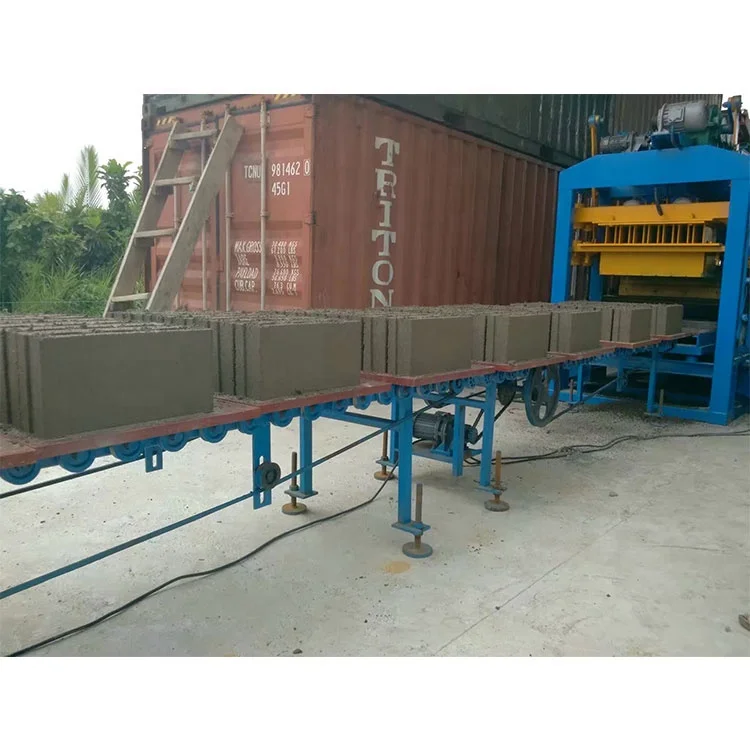
Matched System Supply — the QTJ4-25 block machine, moulds, and pallets are specified together so cycle times and curing layouts align before the first block is produced.
Technical Specifications
| Parameter | Value |
|---|---|
| Model | QTJ4-25 |
| Product Type | Automatic Concrete Block Making Machine |
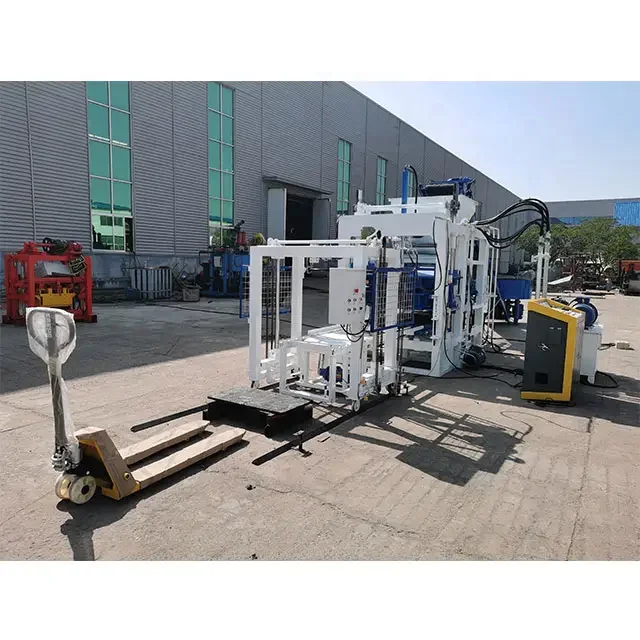
| Overall Dimensions (L×W×H) | 3000×1800×2680 mm |
| Total Power | 16.58 kW |
| Vibration Force | 60 kN |
| Vibration Frequency | 2800–4500 r/min |
| Main Vibration Form | Platform Vibration |
| Pallet Size | 850×480 mm |
| Molding Cycle | 25 s |
| Total Mass | 3.5 T |
| Demolding Method | Mechanical |
| Guide Column | Four-column overlong guide design |
| Frame Material | National standard manganese steel, chrome-plated |
| Recommended Factory Area | 300 m² |
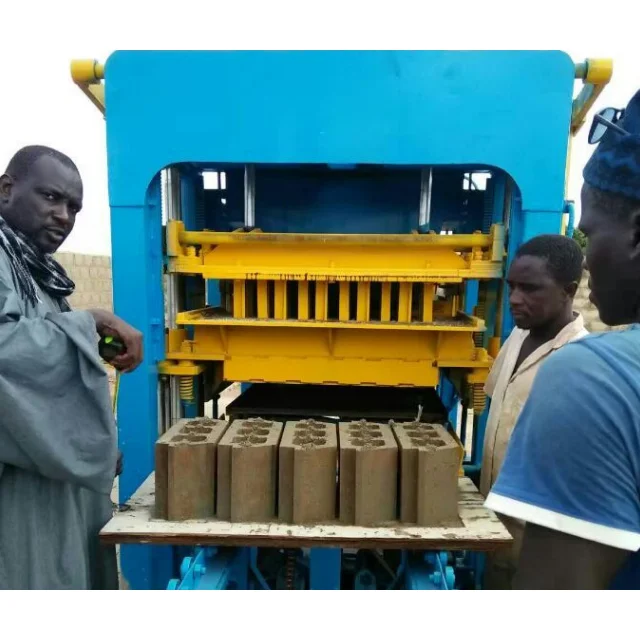
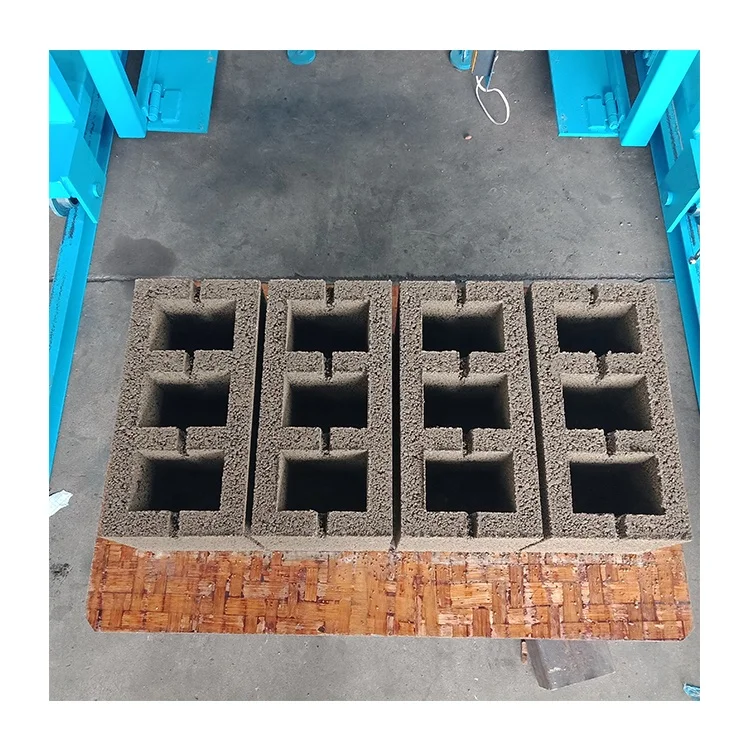
| Output Capacity | 580 pcs/h (based on 400×200×200 mm hollow block, 4 pcs/mould) |
| Output Capacity | 1400 pcs/h (based on 240×115×90 mm multi-cellular brick, 9 pcs/mould) |
| Output Capacity | 3300 pcs/h (based on 240×115×53 mm standard solid brick, 21 pcs/mould) |
| Daily Output (8h) | 4640 pcs (hollow block) / 11200 pcs (multi-cellular) / 26400 pcs (solid brick) |
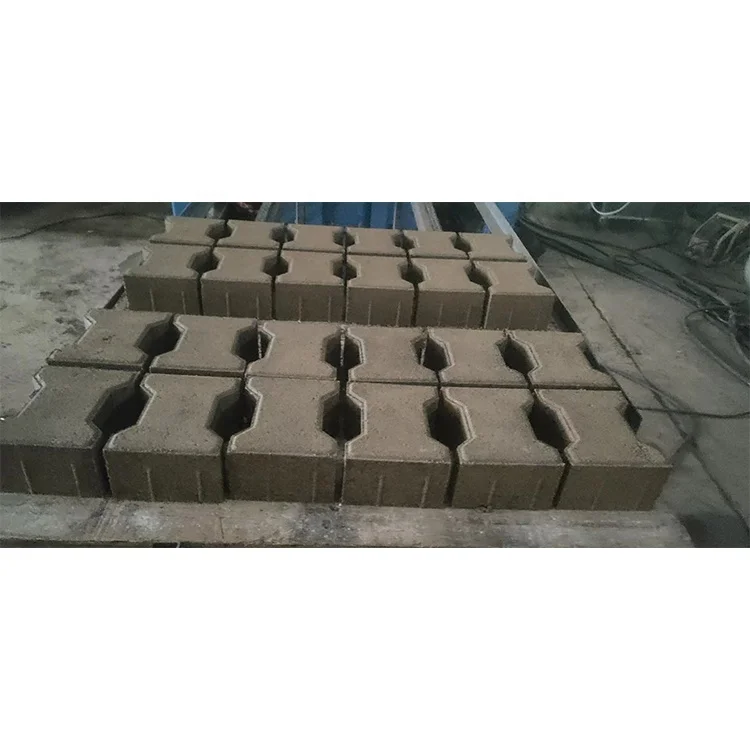
| Applied Products | Hollow blocks, solid blocks, paving blocks, interlocking blocks, curbstone, colored pavers |
| Raw Materials | Crushed stone, sand, cement, dust, fly ash, gravel, slag |
| Mould Change | Exchangeable moulds for multiple block formats |
| Automation Level | Semi-automatic (mechanical demolding, platform vibration, manual pallet handling) |
| Voltage & Frequency | (basis not stated in source — confirm before order) |
| Control System | (basis not stated in source — confirm PLC or relay control) |
| Warranty | 1 year (excluding spare parts) |
Application Suitability
| Application | Material or Output |
|---|---|
| Small-to-medium block production plants | Hollow blocks and solid bricks from crushed stone, sand, and cement |
| On-site construction block production | Hollow blocks using locally available fly ash, slag, and gravel |
| First block plant for entrepreneurs | Paving blocks and interlocking blocks from cement and dust blends |
| Housing project contractors | Standard solid bricks from sand and cement for local housing builds |
| Building material distributors | Multiple block formats switched via exchangeable moulds on one machine |
What "3300 Pieces per Hour" Actually Means for the QTJ4-25 Block Making Machine
Output figures shift dramatically once you name the block format behind every number.
I have watched buyers compare machines on a single hourly figure, only to discover the number assumed the smallest brick in the mould catalogue. With the QTJ4-25, the 25-second molding cycle stays constant, but the pieces per mould change from four for a 400×200×200 mm hollow block to twenty-one for a 240×115×53 mm solid brick. That single variable moves daily output across a wide range, and the honest way to evaluate any hollow block machine capacity by format is to pin the format down before comparing machines [NEED_CITE: block output calculation standards per mould cavity]. If your market runs on hollow blocks, the relevant daily number is not the same as a plant selling solid bricks to a paving contractor.
Format-Specific Cycle Output and Pallet Throughput
The QTJ4-25 block making machine specifications center on a 25-second molding cycle across every format the press can form. That fixed cycle, combined with the 850×480 mm pallet, determines how many pallets move through the curing area each hour. When you switch from hollow blocks to paving blocks, the pallet count per hour stays the same while the block count per pallet changes. Buyers who size their curing racks and forklift schedules around pallet throughput rather than block count avoid the bottleneck that shows up in the second week of production.
Vibration Matching to Local Aggregate and Mix Design
Platform vibration at 60 kN and 2800–4500 r/min must be matched to the density your local aggregate allows. Fly ash mixes respond differently from crushed stone blends, and the vibration frequency range on this machine lets the operator dial the force to the material at hand. When vibration force and mix design are not aligned, block strength drops and surface cracks appear at demolding [NEED_CITE: vibration force and aggregate matching in concrete block production]. Confirming your aggregate source before the machine ships prevents a costly material substitution after arrival.
Reading the Specifications That Shape Real Output
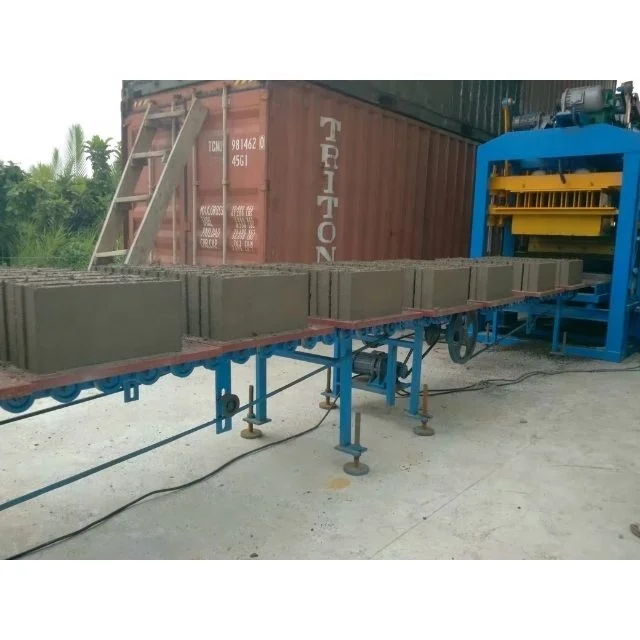
The four-column overlong guide design in manganese steel keeps the upper and lower mould halves aligned through thousands of cycles, which directly controls wall thickness consistency in hollow blocks. A misaligned guide produces uneven webs, and those blocks fail compressive tests at the construction site. The 16.58 kW total power covers the dual vibration motors and the upper mould vibration motor, so the electrical supply must support sustained draw at startup. Pallet size at 850×480 mm dictates the curing rack dimensions and forklift fork width you need on the floor, and ordering pallets to a different size after the machine arrives creates weeks of idle time. The mechanical demolding method keeps maintenance straightforward but requires manual pallet handling at the exit end, which shapes how many operators you staff per shift.
The Cost of Skipping the Format Conversation
When a buyer orders without naming the primary block format, the factory ships with a default mould that may not match local demand. Switching to the correct mould later adds shipping time and mould cost, and the curing area laid out for one pallet orientation may not suit another [NEED_CITE: mould changeover impact on block plant layout]. Voltage assumptions made without written confirmation delay commissioning, especially when the PLC display language does not match the operator team. These are not warranty claims — they are specification gaps that surface on day one.
Why Buyers Specify the QTJ4-25 Through This Channel
Block machinery as a single focus means the machine, mould, pallet, and handling equipment arrive as one matched system rather than assembled from separate suppliers. Configuration is set against your actual mix design, local aggregate, and target block format instead of a catalogue default. Mould design covers the formats your market sells, including custom drawings to buyer specifications. Automation level is selectable, so you can start with semi-automatic operation and add stacking automation later. Installation support includes on-site commissioning and operator training so the crew is running the press independently before the engineer leaves.
Documentation & Verification
- Line layout stating block format assumed for each QTJ4-25 output figure
- Mould drawing and format list confirming every block type and dimension
- Pallet specification sheet at 850×480 mm matched to your curing area
- Voltage, frequency, and control language confirmation before production begins
- Factory test record on your target block format before dispatch
- Hydraulic and electrical schematic for the QTJ4-25 control panel
Installation, Commissioning & Support
- Foundation pad sized to 3000×1800 mm footprint with vibration isolation for the 3.5 T frame
- Dedicated electrical circuit rated for 16.58 kW total power at confirmed voltage and frequency
- Mechanical demolding system checked and adjusted on-site during first production run
- Vibration frequency calibrated between 2800–4500 r/min to match your local aggregate blend
- Operator training on mould change procedure and daily platform vibration inspection
- Wear parts list covering guide columns, vibration motor mounts, and pallet feed components
What to Prepare Before Requesting a Quote
To size the QTJ4-25 to your project, send the primary block format your market demands along with the daily output target based on an eight-hour shift. Include your local aggregate type — whether fly ash, crushed stone, or slag — so the vibration settings can be matched before the machine ships. Confirm the voltage, frequency, and preferred control display language at your site to avoid commissioning delays.
Frequently Asked Questions
Q: How is QTJ4-25 capacity calculated for each block format?
A: The 25-second molding cycle is constant, so output changes with the number of cavities per mould. A 400×200×200 mm hollow block mould has four cavities yielding 580 pieces per hour, while a standard solid brick mould holds twenty-one cavities for 3300 pieces per hour. Daily output scales from those hourly figures over an eight-hour shift.
Q: Which moulds fit the QTJ4-25 and how long does a change take?
A: Exchangeable moulds cover hollow blocks, solid bricks, multi-cellular bricks, paving blocks, interlocking blocks, and curbstones. Custom mould designs are available to buyer drawings. Mould change time depends on the format and operator experience, and realistic changeover expectations should be confirmed during commissioning training.
Q: What raw materials does this block machine handle?
A: The press forms blocks from crushed stone, sand, cement, dust, fly ash, gravel, and slag. The vibration frequency range from 2800 to 4500 r/min allows adjustment to different aggregate densities. Confirming your local material source before production ensures the mix design and vibration settings are matched to your block strength requirements.
Q: Does the 850×480 mm pallet size fit my existing curing setup?
A: The pallet dimensions are fixed for this machine tier. Before ordering, verify that your curing racks, forklift fork width, and stacking area accommodate this size. Mismatched pallet dimensions are a common source of idle time after machine arrival, so early confirmation prevents layout rework.
Q: What voltage and control options should I confirm before shipment?
A: Voltage, frequency, and control display language must be confirmed in writing before production starts. A mismatch at any of these points delays commissioning after the machine arrives. Specify your site electrical supply and the operator language requirement during the quotation stage.