

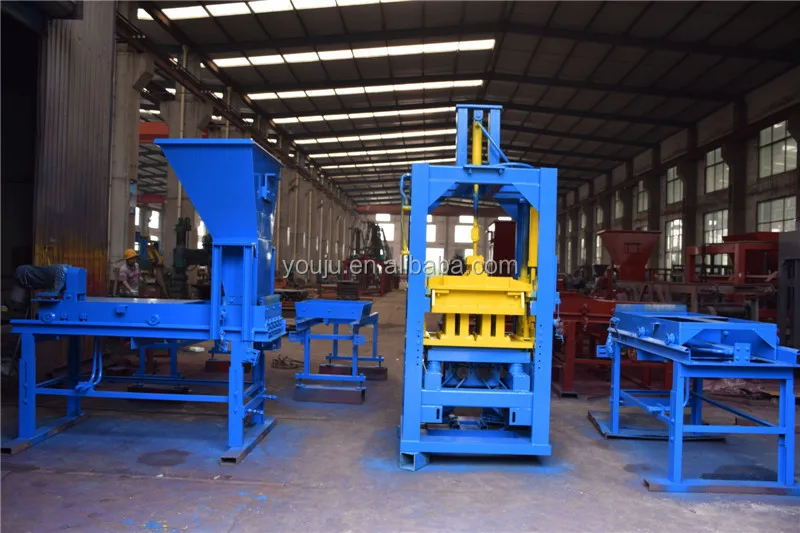

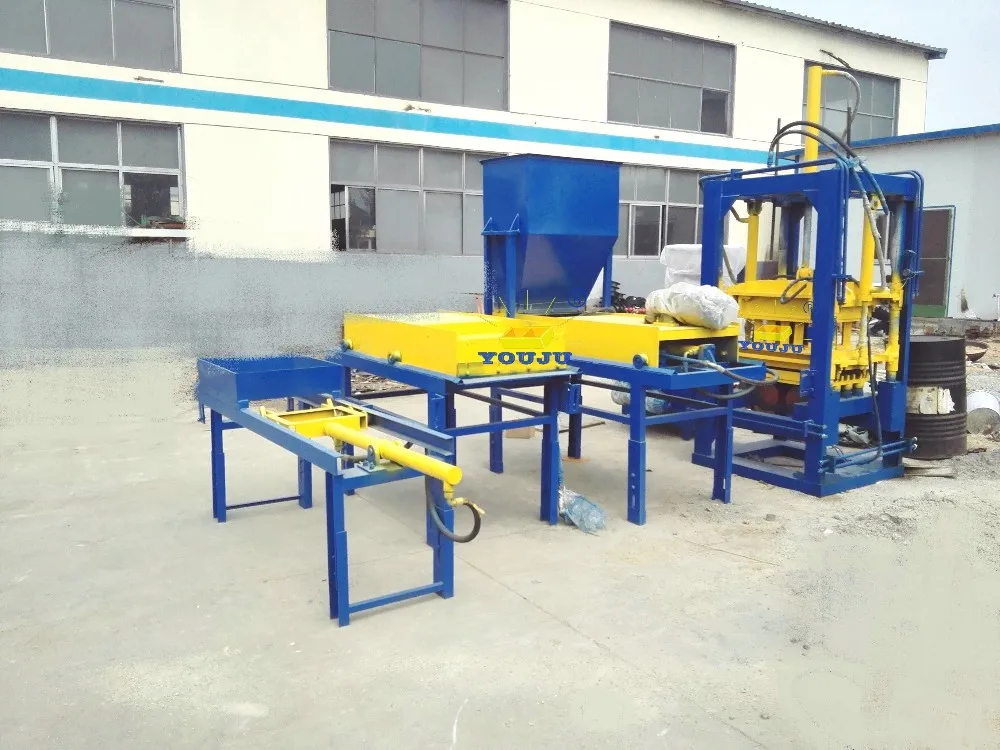
Description
Format-Matched Configuration — Capacity calculations for the QTF3-20 are stated per block format, so daily output aligns with what your market actually sells rather than a catalogue default.
Technical Specifications
| Parameter | Value |
|---|---|
| Model | QTF3-20 |
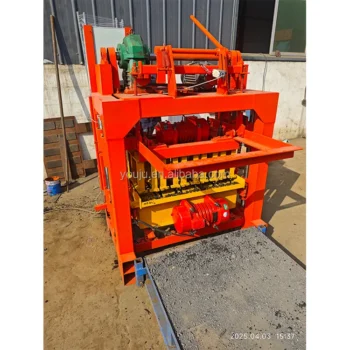
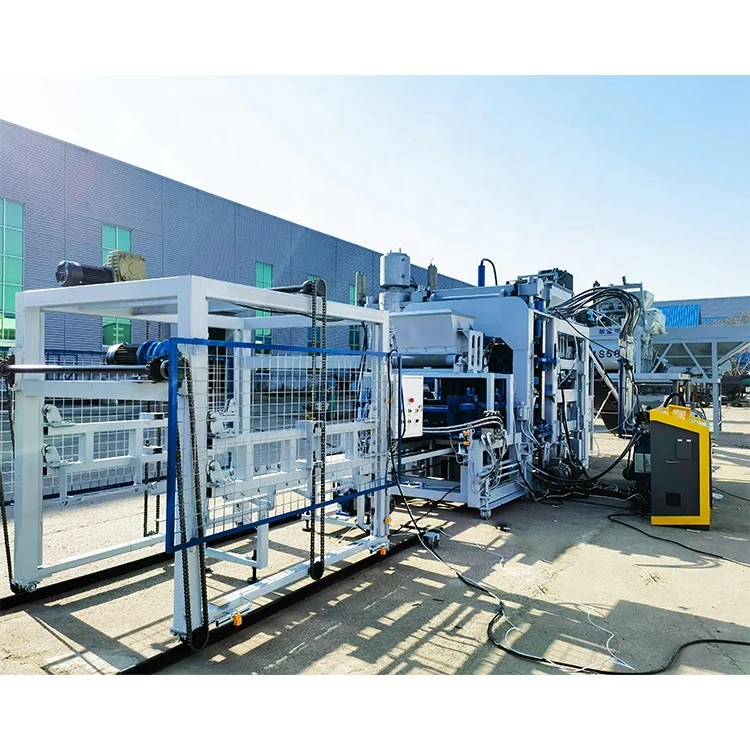
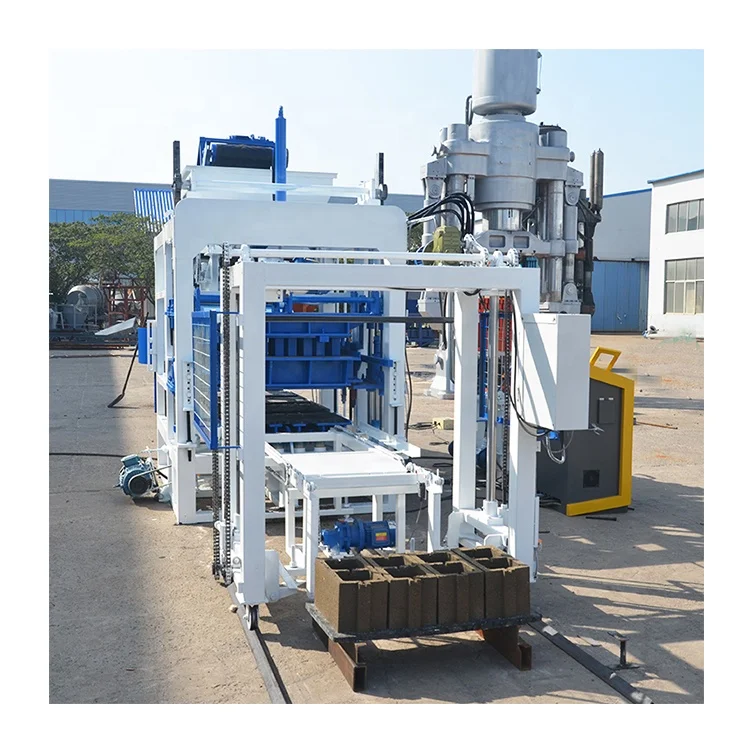
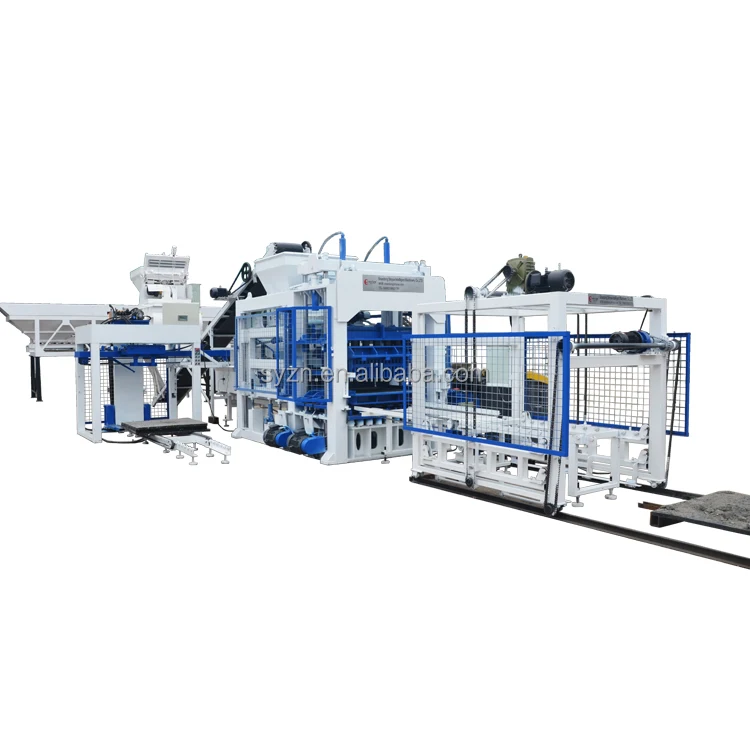
| Product Type | Automatic Hydraulic Concrete Block Making Machine |
| Main Vibration Form | Platform vibration and pressure |
| Cycle Time | 20 seconds (basis not stated in source — confirm block format / material / thickness) |
| Vibrating Frequency | 4600 rolls/minute |
| Total Motor Power | 14.25 kW |
| Pallet Size | 680 × 530 mm |
| Automation Level | Automatic |
| Standards | CE, ISO 9001 |
Application Suitability
| Application | Material or Output |
|---|---|
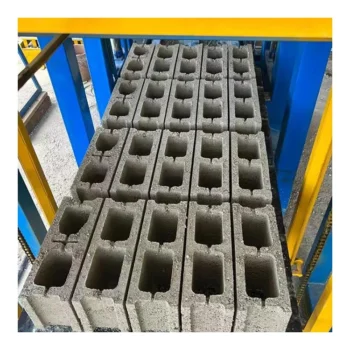
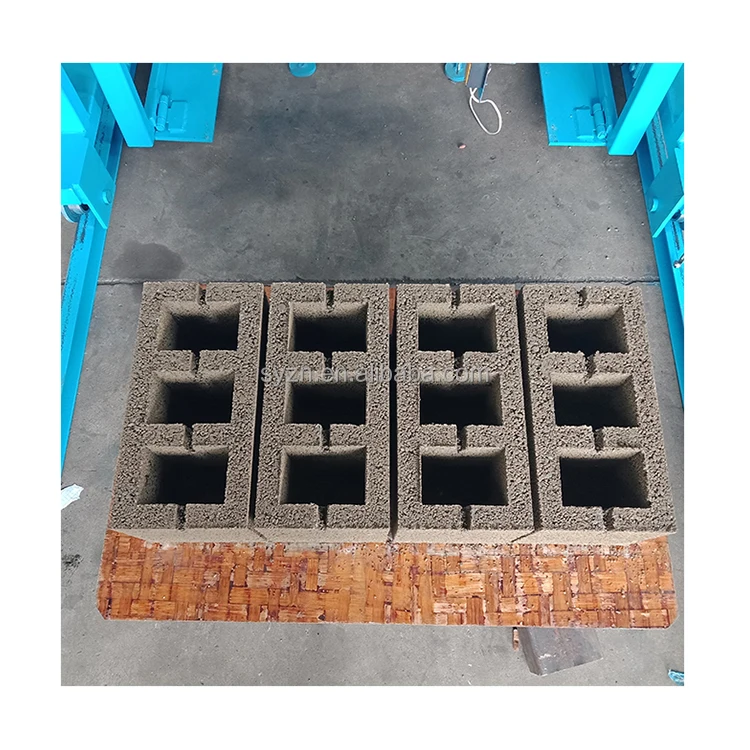
| Hollow and solid wall block production | Crushed stone, sand, cement, fly ash |
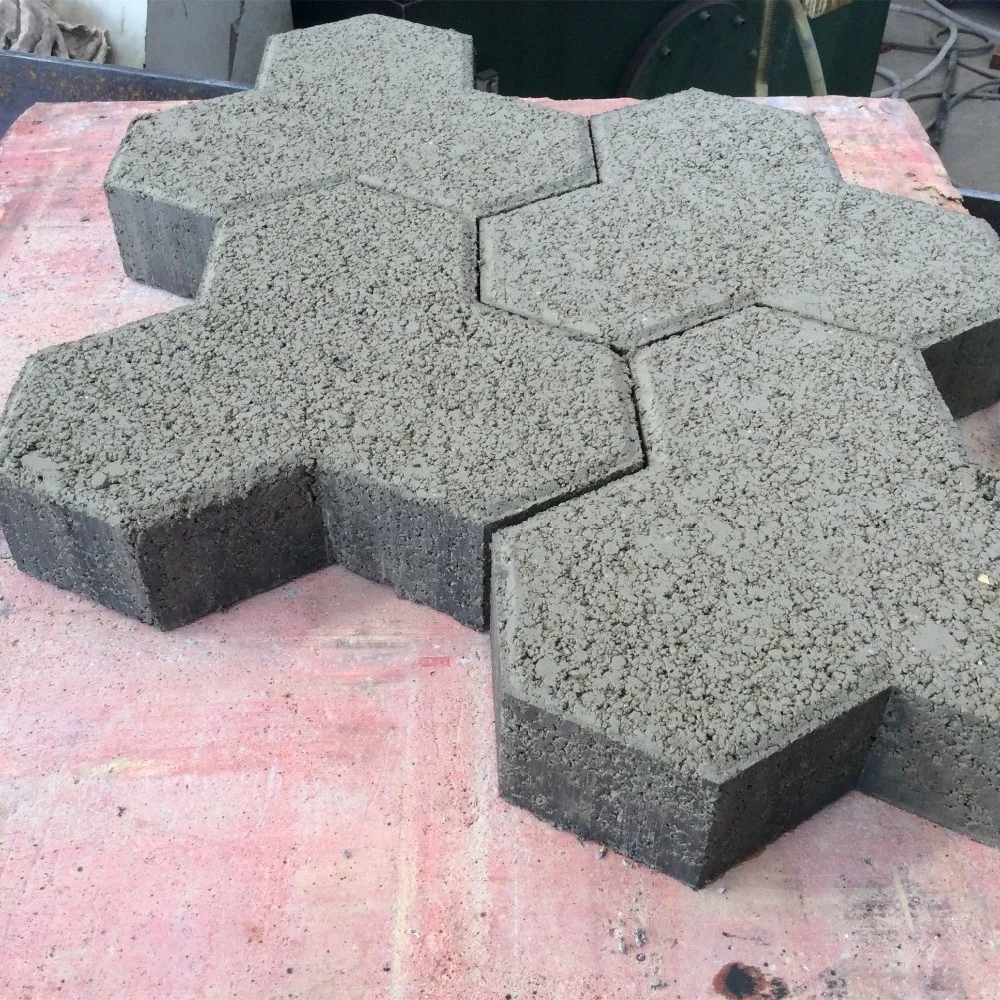
| Paving stone manufacturing | Aggregate, cement, with or without face mix |
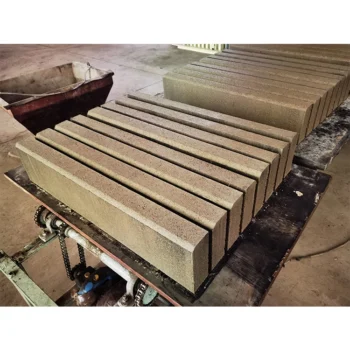
| Kerbstone and edger production | Dense concrete mix |
| Interlocking and grass block production | Standard concrete or waste aggregate blends |
| Landscaping slab production | Slag, gangue, perlite, industrial waste materials |
What the "20-Second Cycle" Actually Means for Your Daily Output
The cycle time is only meaningful once the block format, mix design, and mould cavity count are defined.
When buyers compare QTF3-20 block machine specifications from different suppliers, the headline number is often a cycle time or hourly output that assumes a specific hollow block — typically 400 × 200 × 200 mm. Switch that mould to a 100 mm paving stone and the cycle changes, the pallet coverage changes, and the daily output shifts accordingly. I have seen plants commission a machine expecting a fixed output number, only to find their primary product format runs at a different cadence entirely. Asking for the capacity table per format before ordering removes that gap [NEED_CITE: block format assumptions in cycle time quotations].
Matching the Mould to Your Market Format
The QTF3-20 accommodates multiple mould formats — hollow blocks, solid bricks, paving stones, interlocking pavers, and kerbstones — but the value lies in selecting the right mould set from the start. A machine configured for standard hollow blocks can run paving stones, yet the cavity layout on the 680 × 530 mm pallet determines how many units press per cycle. Confirming which formats dominate your local market before the mould order goes in avoids paying for flexibility that sits unused while the format you actually sell runs at a suboptimal cavity count. The QTF3-20 block machine specifications should always be reviewed alongside a mould drawing showing cavity numbers per format.
Vibration and Pressure Tuned to Local Aggregate
Platform vibration combined with hydraulic pressure gives the QTF3-20 a dual compaction method that densifies concrete across the block cross-section. The vibrating frequency of 4600 rolls/minute works well with standard crushed stone and sand mixes, but local aggregate characteristics — such as high clay content in river sand or lightweight industrial waste like fly ash and slag — change how the mix responds to compaction. In one project I supported, a buyer’s river sand carried high silt levels, and the standard vibration setting produced blocks that crumbled at the edges. Adjusting the pressure-to-vibration ratio against the actual mix resolved the issue, but it required knowing the material before commissioning [NEED_CITE: aggregate variability effects on block density].
How Core Parameters Translate to Production Reality
Three specifications on the QTF3-20 shape daily operation more than any others. The 14.25 kW total motor power covers both the vibration motors and hydraulic pump; confirming that your site transformer can sustain this load alongside other line equipment prevents voltage drop during the press stroke. The 680 × 530 mm pallet size dictates your curing rack dimensions and the forklift tine spacing needed to move stacked pallets — ordering pallets that do not match your existing racks means rebuilding the curing area. Finally, the automatic cycle means a PLC controls each stage, but the display language and voltage must match your operator team and local grid before the machine ships [NEED_CITE: voltage and frequency standards by export market].
The Cost of Skipping Configuration Detail
Skipping the configuration conversation has a predictable sequence of consequences. A mould ordered without confirming cavity count arrives with fewer impressions than the pallet allows, lowering output per cycle. Pallets specified without checking your curing rack spacing end up too wide for existing shelving, forcing a rack rebuild or a pallet reorder before the first production run. A PLC shipped with the wrong display language delays commissioning by the time it takes to source a translated interface file. Each of these gaps adds weeks, not days, to the path from delivery to consistent production.
Why Buyers Source This Class of Machine Here
Block machinery is the sole production focus, meaning the press, mould, pallet, and handling equipment are specified as a matched set rather than assembled from separate catalogues. Each QTF3-20 is configured against the buyer’s confirmed mix design and target block format, not a default setting. Mould design covers the formats the local market demands, with custom drawings available when standard options do not match. Automation level is selectable, so a plant can begin with semi-automatic pallet handling and add automatic stacking later. Factory testing runs the machine on the specified format before dispatch, with results documented for buyer review.
Documentation & Verification
- Line layout showing capacity calculation per confirmed block format
- Mould drawing with cavity count and format list for each included mould
- Pallet specification confirming size, material, and rack compatibility
- Voltage, frequency, and PLC display language confirmation record
- Factory test report on buyer’s specified block format before shipment
- CE declaration and operation manual included with customs documentation
Installation, Commissioning & Support
- Foundation plan sized to the QTF3-20 footprint and vibration load
- Power circuit rated for 14.25 kW with dedicated breaker specification
- Machine shipped in dismantled state with reassembly guidance on site
- Commissioning includes first-run parameter tuning on buyer’s local mix
- Operator training covers PLC navigation, mould change, and daily checks
- Wear parts list and mould maintenance schedule provided at handover
What to Prepare Before Requesting a Proposal
To move from general QTF3-20 block machine specifications to a configuration that fits your plant, we need your target block formats with dimensions, the aggregate and cement sources available locally, and your daily output requirement per format. Include your existing pallet size if you plan to reuse racks, your site voltage and frequency, and the preferred PLC display language.
Frequently Asked Questions
Q: How is capacity calculated and which block format does the 20-second cycle assume?
A: The 20-second cycle is a baseline figure and must be confirmed against a specific block format, mix design, and mould cavity layout. Capacity is then calculated per format — hollow blocks, paving stones, or solid bricks each have different cavity counts on the 680 × 530 mm pallet. Requesting a capacity table per format before ordering ensures daily output expectations match the product you intend to sell.
Q: What mould formats are included and how long does a mould change take?
A: Standard mould options cover hollow blocks, solid bricks, paving stones, interlocking pavers, and kerbstones. The exact formats included depend on the buyer’s order specification. Mould change time varies with the system fitted; confirming whether quick-change brackets or standard bolt-on mounting are specified determines how much of a shift the changeover consumes.
Q: Does the 680 × 530 mm pallet size fit my existing curing racks and forklift?
A: The pallet dimensions must align with your curing rack shelf spacing and forklift tine width. If existing racks are sized for a different pallet, you face a choice between ordering new racks or requesting an alternative pallet size. Confirming rack and handling equipment dimensions during the proposal stage avoids infrastructure rework after the machine arrives.
Q: Can the machine be configured for my local aggregate and mix design?
A: Yes. The QTF3-20 processes crushed stone, sand, cement, fly ash, slag, gangue, perlite, and other industrial waste materials. Configuration — including vibration force and hydraulic pressure settings — is adjusted based on the buyer’s confirmed aggregate source and mix proportions to ensure block strength meets local standards.
Q: What voltage, frequency, and PLC display language options are available?
A: Voltage and frequency are configurable to match the buyer’s local grid standard. The PLC display language is confirmed before production so operators can navigate controls in a familiar language upon commissioning. Both parameters must be locked in before the machine enters assembly to avoid delays at installation.