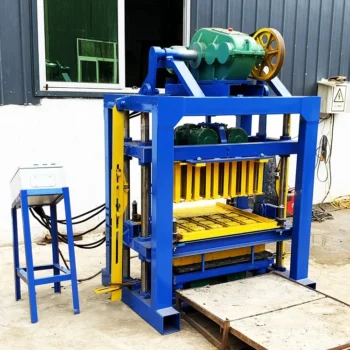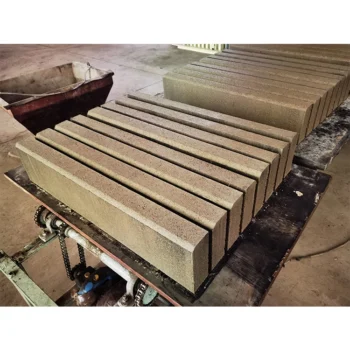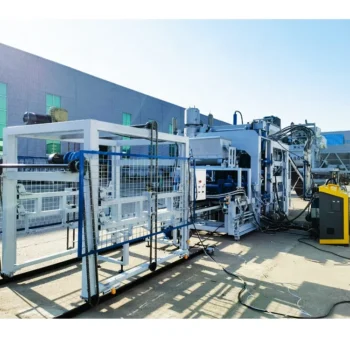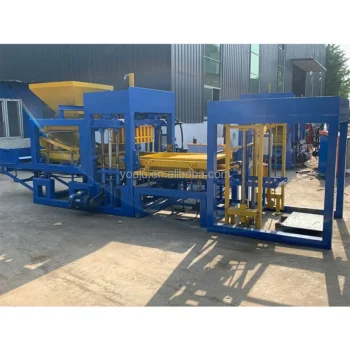
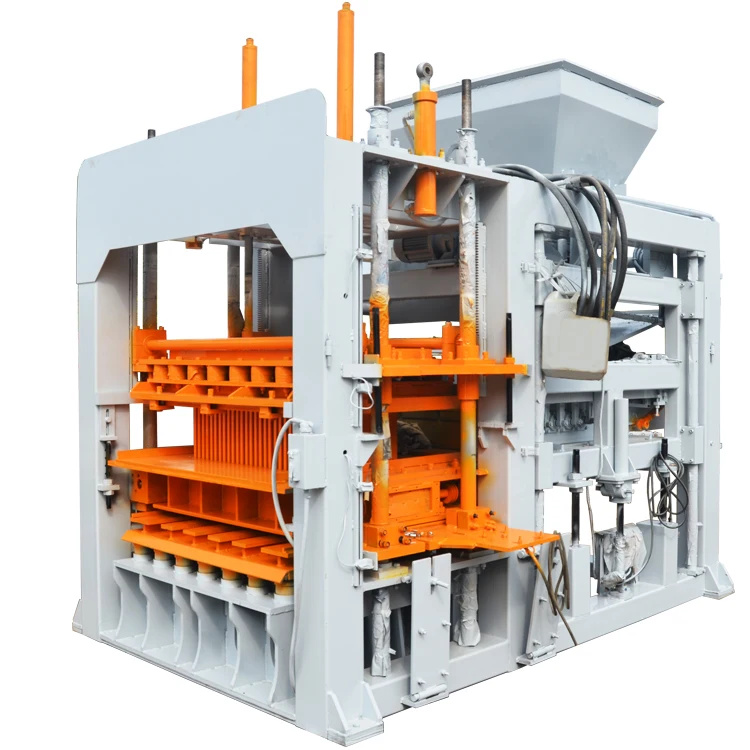
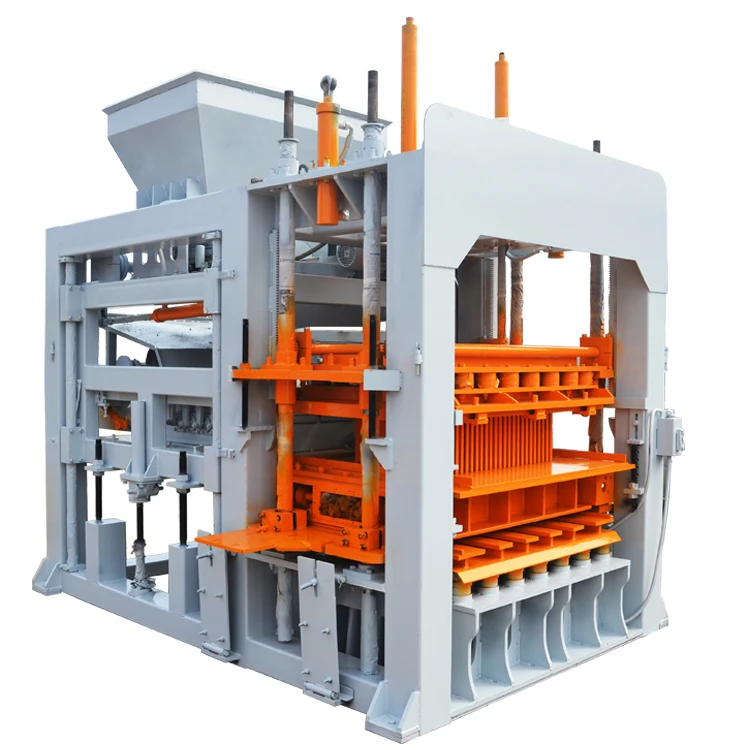
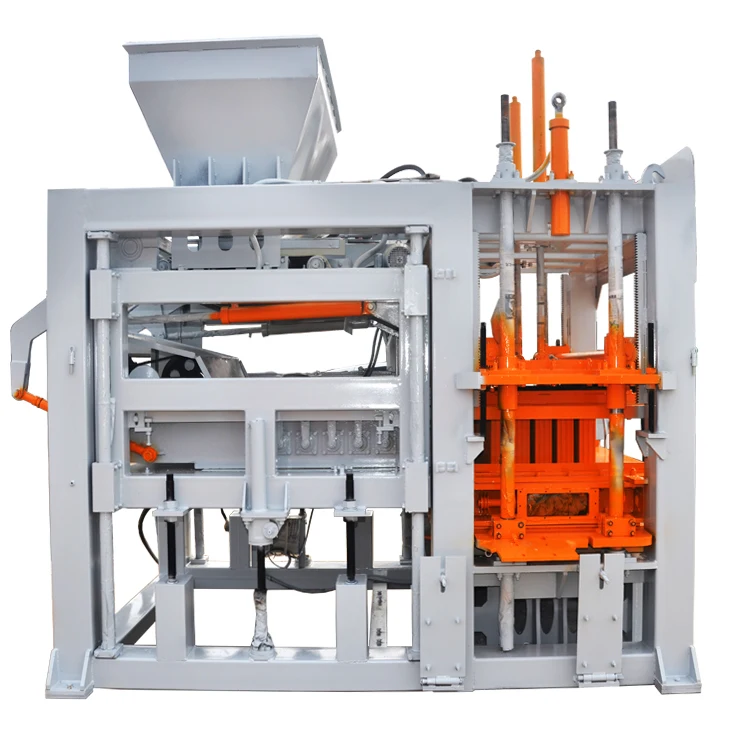
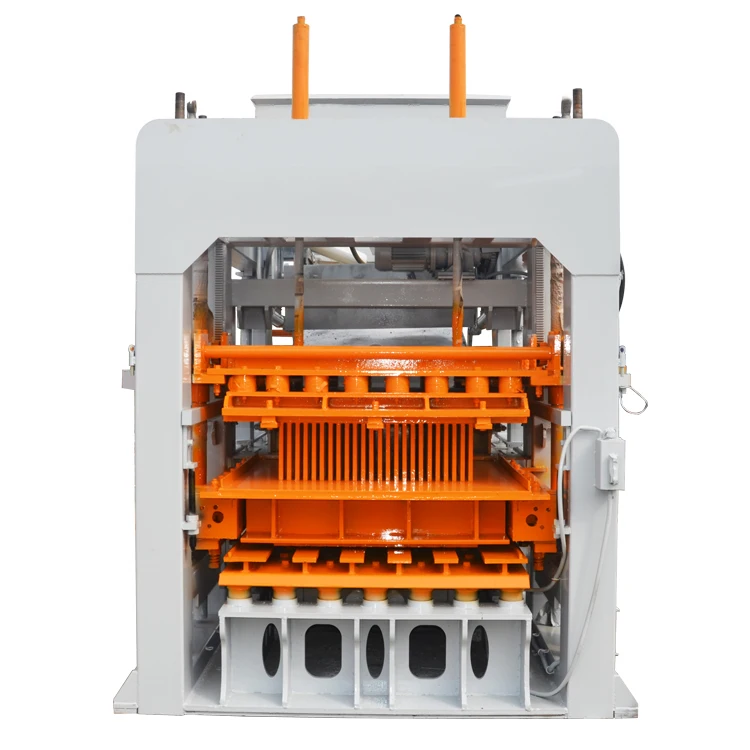
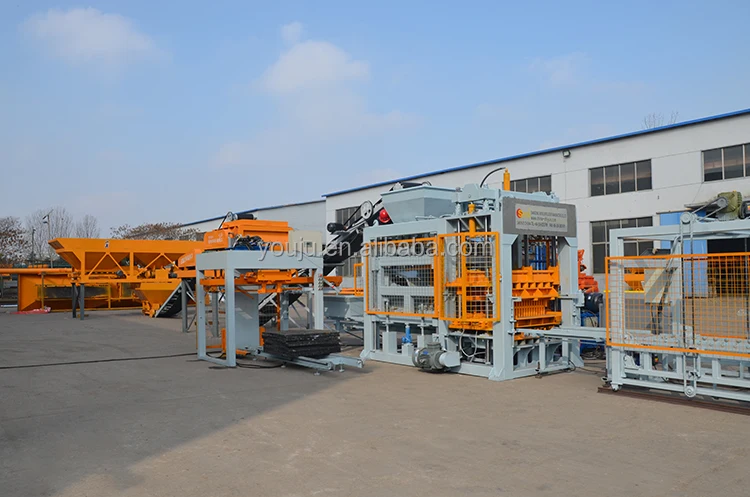
Description
Mould-to-market matching — Every QT8-15 configuration starts with the buyer’s target block format, local aggregate sample and daily output requirement, not a catalogue default, so capacity figures are stated per actual product before the quotation is issued.
Technical Specifications
| Parameter | Value |
|---|---|
| Model | QT8-15 |
| Product Type | Fully Automatic Hydraulic Block Making Machine |
| Overall Dimensions (L×W×H) | 8300 × 1860 × 3000 mm |
| Rated Pressure | 21 MPa |
| Main Vibration Form | Platform vibration |
| Vibration Frequency | 2800 – 4500 r/min |
| Vibration Force | 45 kN |
| Pallet Size | 950 × 900 mm |
| Molding Cycle | 15 – 25 s (basis not stated in source — confirm block format, material and thickness) |
| Overall Power | 55.5 kW |
| Total Mass | 9 T |
| Demolding Method | Hydraulic |
| Factory Area Required | 500 m² |
| Control System | Computer controlled, fully automatic |
| Voltage & Frequency | To be confirmed with buyer’s site supply |
| PLC Display Language | To be confirmed before production |
| Standards | CE, ISO 9001 |
Application Suitability
| Application | Material or Output |
|---|---|
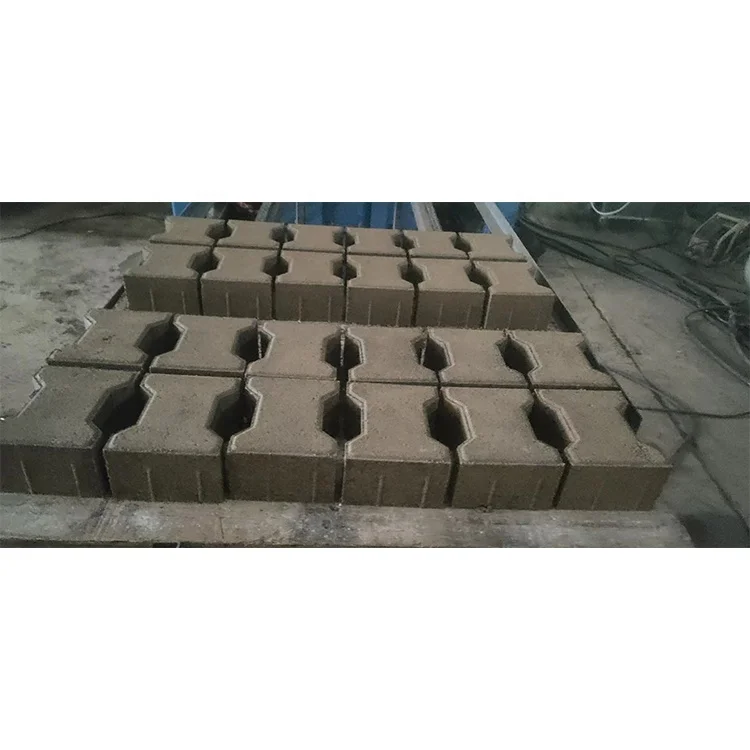
| Hollow block production | Crushed stone, sand, cement, fly ash blends for 100 – 200 mm wall thickness |
| Solid block production | Dense aggregate and cement mixes for load-bearing masonry |
| Paving block and colored paver production | Fine aggregate with pigment dosing for interlocking and rectangular formats |
| Interlocking brick production | Laterite, crusher dust or fly ash blends for dry-stack formats |
| Curbstone production | Coarse aggregate and high-cement mixes for kerb and edge profiles |
Why "15-Second Cycle Time" Means Nothing Without the Block Format
A cycle time is only useful when the block format, mix design and pallet fill pattern are stated alongside it.
I have watched a QT8-15 block machine specifications sheet promise a 15-second cycle, and the buyer assumed that applied to every mould on the list. The reality on site was that a 400 × 200 × 200 mm hollow block ran close to 25 seconds with a stiff volcanic ash blend, while a thin paving stone cycled faster but required a completely different vibration profile. Without format-specific timing, daily output projections drift far from the quoted number, and the business plan built on those figures breaks down in the first month of production [NEED_CITE: block format and cycle time assumptions in capacity quotations].
Mould Selection Drives the Real Output Number
The QT8-15 block machine can accept a wide range of mould formats, from standard hollow blocks to interlocking pavers and curbstones. What matters at the quotation stage is which specific moulds are included and how many cycles each format requires per pallet. A machine configured with three moulds but only one pallet pattern will spend most of a shift on format changeovers unless the buyer’s production schedule groups runs by product type.
Pallet Size and the Curing Area You Already Have
A 950 × 900 mm pallet is a common mid-range dimension, but it must match the curing rack spacing and forklift tine width already in use at the buyer’s plant. Mismatched pallets force a re-rack of the entire curing yard or leave blocks stacked manually on the floor, negating the automation the buyer paid for. Confirming pallet dimensions against the existing curing infrastructure is a step that belongs in the pre-order layout, not after the machine arrives [NEED_CITE: pallet and curing rack compatibility in block plants].
What Vibration Force and Hydraulic Pressure Actually Do to Your Mix
The 45 kN vibration force delivered through platform vibration at 2800 – 4500 r/min works together with 21 MPa hydraulic pressure to compact the mix into the mould cavity. With low-fines crushed stone, the higher end of the frequency range consolidates the aggregate skeleton without pushing cement paste to the surface. With fly ash or crusher dust blends, a lower frequency and longer vibration dwell prevent the fine particles from liquefying and leaving voids. The QT8-15 block machine specifications on vibration are a starting point; the correct setting depends entirely on the buyer’s local aggregate gradation and moisture content, which is why a mix sample should be part of the configuration conversation.
The Hidden Cost of Skipping the Voltage Conversation
Voltage, frequency and PLC display language are often left as "standard" on the quotation and only questioned when the control cabinet arrives on site. A 55.5 kW motor draws significant inrush current, and a supply network sized for a smaller machine will trip the main breaker during startup. Meanwhile, a PLC that displays fault codes in a language the operator cannot read turns a simple sensor replacement into a multi-day troubleshooting event. I have seen commissioning delayed by weeks because these three items were assumed rather than confirmed in writing before production started [NEED_CITE: voltage and frequency standards by export market].
Why Configuration Starts Before the Quotation
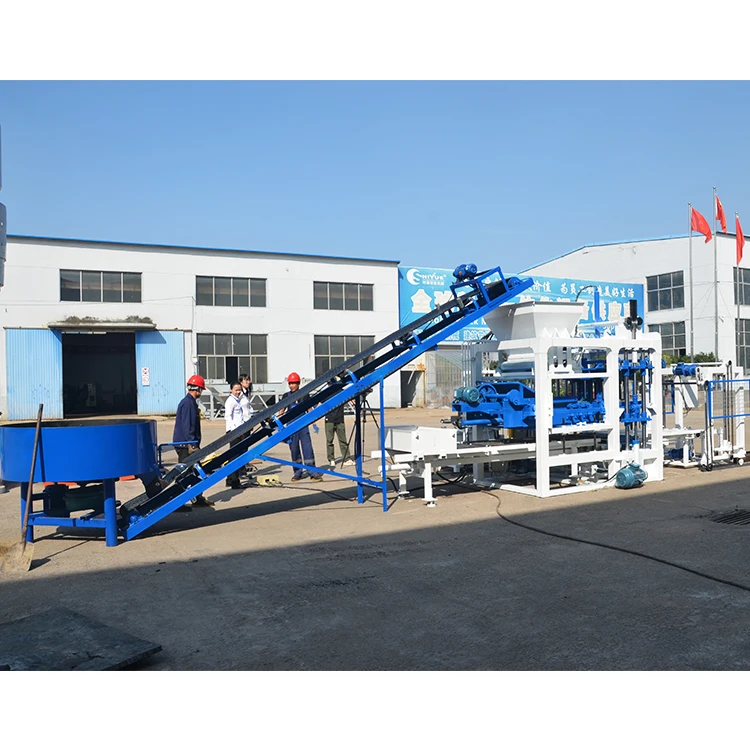
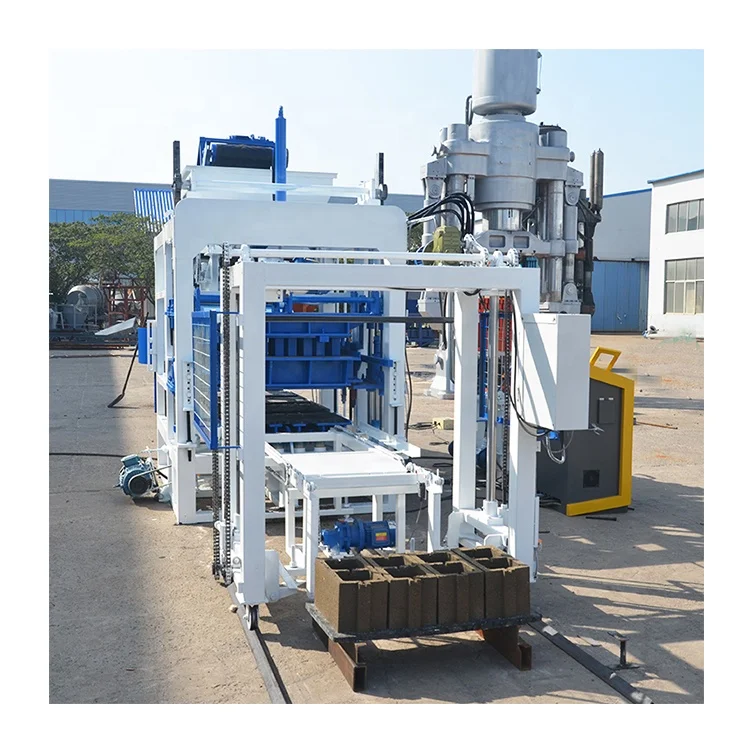
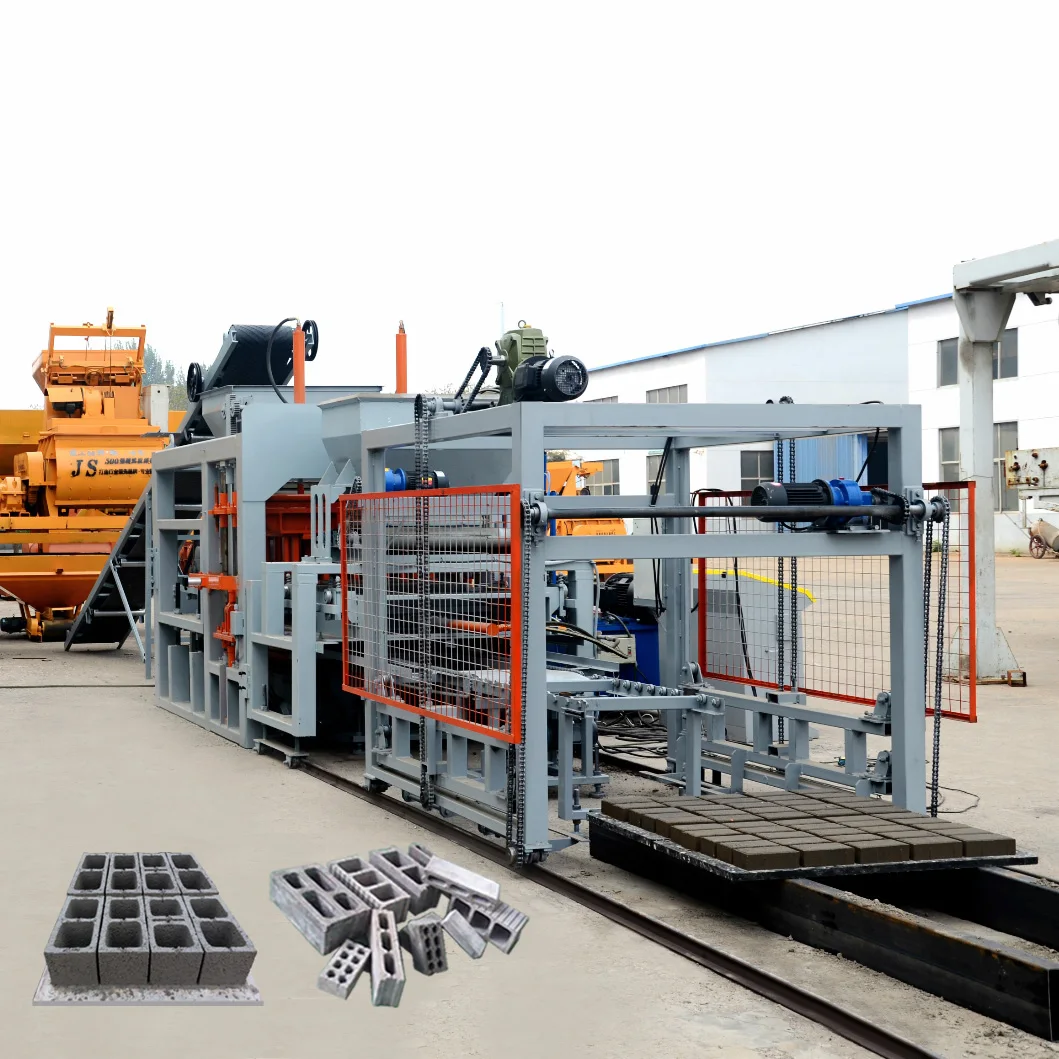
Block machinery as a single focus means the QT8-15 press, mould, pallet and handling stations are specified as one matched system, not sourced from separate suppliers and bolted together. Configuration is set against the buyer’s actual mix design, local aggregate sample and target block format, so cycle time and output are stated per product, not as a single catalogue figure. Mould design covers the formats the buyer’s market actually sells, including custom drawings for non-standard profiles. The automation level is selectable, allowing a buyer to start with semi-automatic pallet handling and add automatic stacking later without replacing the press. Installation and commissioning include on-site operator training so the crew running the machine on day one understands mould change procedure, vibration tuning and daily maintenance checkpoints.
Documentation & Verification
- Line layout drawing with capacity calculation per block format for the quoted mould set
- Mould drawing and format list confirming every product the QT8-15 will produce
- Pallet specification cross-referenced to buyer’s curing rack dimensions
- Voltage, frequency and PLC language confirmed in writing before production
- Factory test record on buyer’s target mix before dispatch
- Operation and maintenance manual with wear parts list and mould register
Installation, Commissioning & Support
- Foundation plan sized for 8300 × 1860 mm footprint and 9 T static mass with vibration isolation pads
- Dedicated power circuit rated for 55.5 kW total load with soft-start or VFD on main vibration motor
- Machine shipped dismantled to container dimensions; reassembly supervised on site
- First-run commissioning includes vibration frequency tuning against buyer’s aggregate sample
- Operator training covers mould change procedure, hydraulic pressure adjustment and daily greasing points
- Wear parts list and mould register supplied for local procurement planning
What to Include With Your Inquiry
Send the block formats your market demands, the target daily output per format, a sample or lab report of your local aggregate, and the voltage and frequency available at your plant. If you already have curing racks or forklifts on site, include their dimensions so the pallet specification can be matched before the quotation is finalized.
Frequently Asked Questions
Q: What block format is the quoted cycle time based on, and what is the realistic daily output for my product?
A: The QT8-15 molding cycle of 15–25 seconds varies by block format, mix design and wall thickness. We state cycle time and daily output separately for each mould in the quotation, based on your target product and aggregate sample, so the number you plan against reflects what the machine will actually produce on your floor.
Q: How is vibration force and hydraulic pressure matched to my local aggregate and mix design?
A: The 45 kN platform vibration and 21 MPa hydraulic pressure are adjusted during commissioning against your specific aggregate gradation and cement ratio. A pre-shipment test on your mix sample confirms the correct frequency and pressure settings before the machine leaves the factory.
Q: What is the mould change time, and how many formats can one QT8-15 run in a single shift?
A: Mould change time depends on the format difference and whether the new mould is pre-assembled on a spare adapter plate. In practice, most plants group production by format to minimize changeovers, running two to three products per shift rather than switching every hour.
Q: Which pallet size and material does this machine require, and does it fit my existing curing setup?
A: The QT8-15 uses 950 × 900 mm pallets, available in steel, bamboo or composite. Before confirmation we cross-check this dimension against your curing rack spacing and forklift tine width so the pallets work with the infrastructure you already have on site.
Q: How do I confirm voltage, frequency and control language before the machine ships?
A: These three items are written into the order specification and confirmed before production begins. We send a written checklist covering supply voltage, frequency and PLC display language for your sign-off, preventing commissioning delays caused by mismatched electrical standards or unreadable fault codes.