

Description
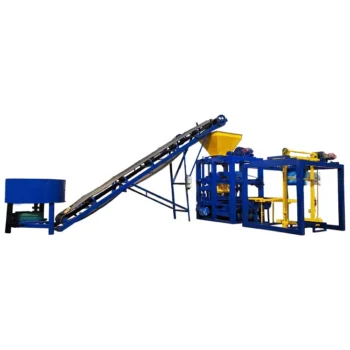
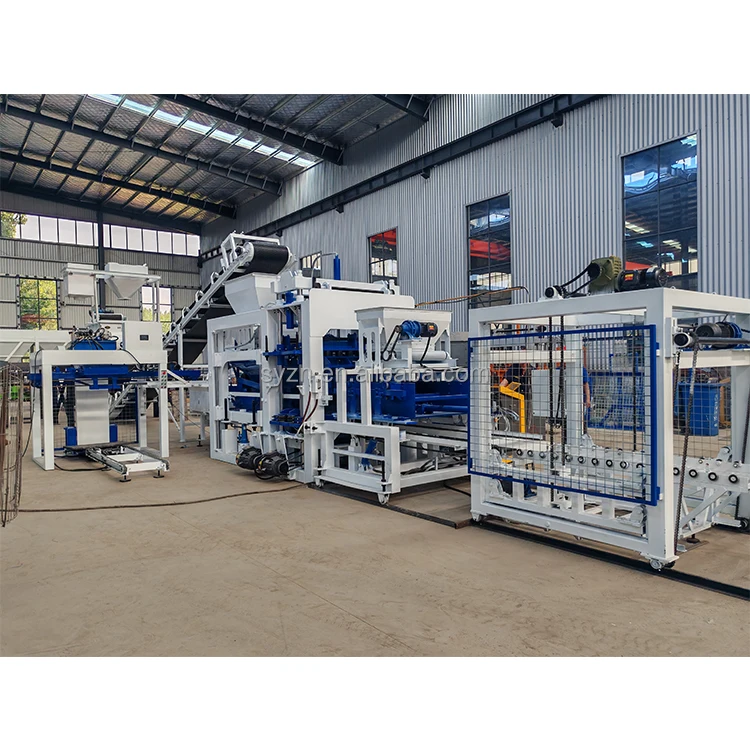
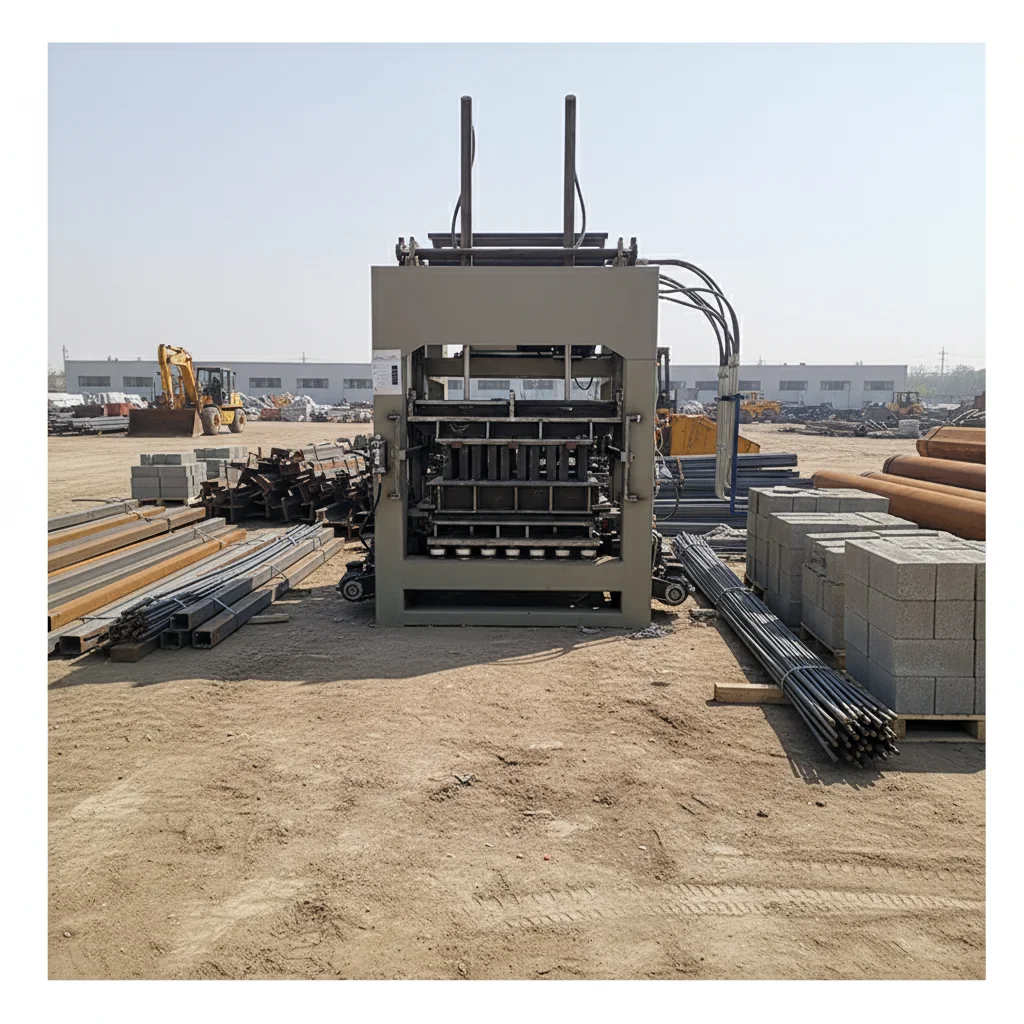
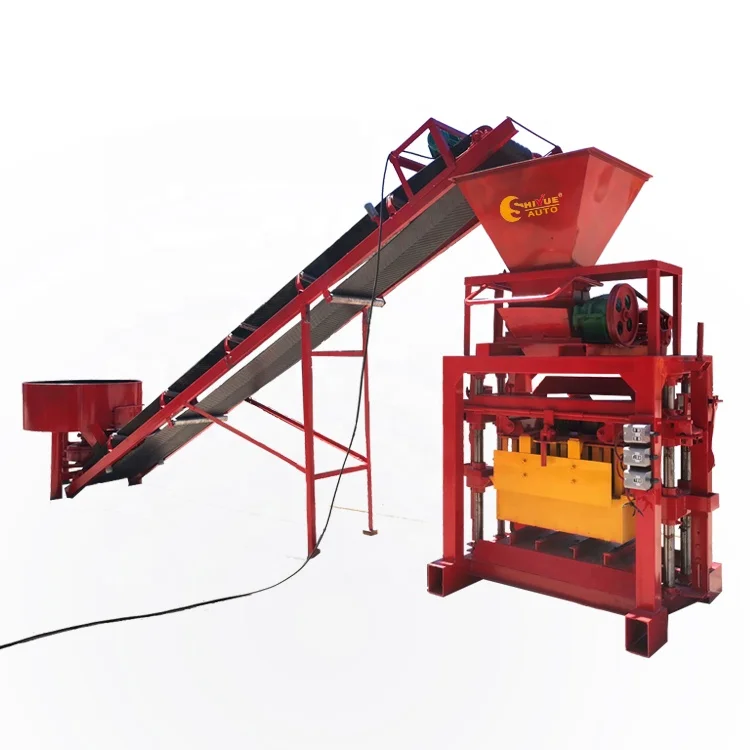
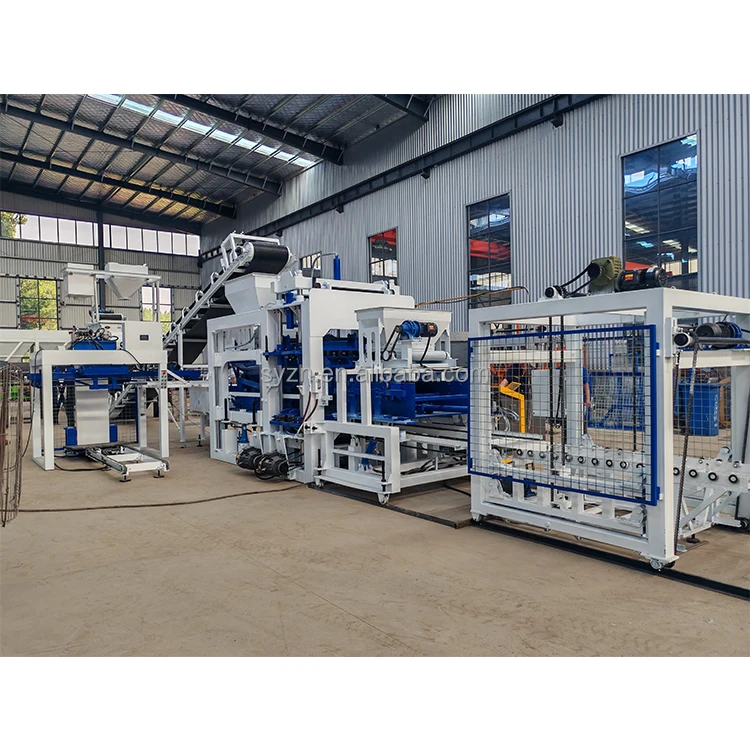
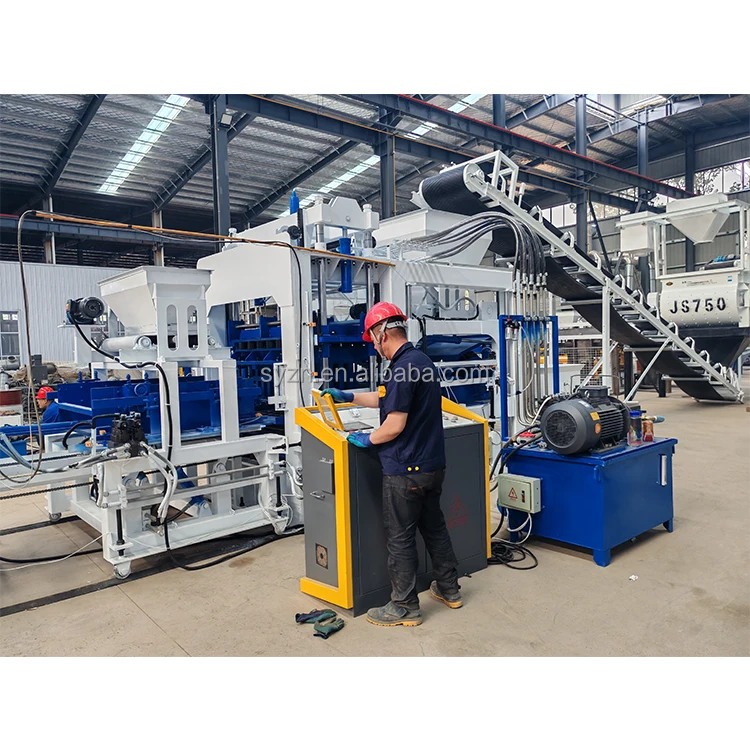
Hydraulic Block Machine — Every specification of the QT8-15 is locked to your target block format and local aggregate, not pulled from a generic catalog sheet.
Technical Specifications
| Parameter | Value |
|---|---|
| Model | QT8-15 |
| Product Type | Hydraulic Concrete Block Making Machine |
| Overall Dimensions (L×W×H) | 8300×1860×3000 mm |
| Rated Pressure | 21 MPa |
| Main Vibration Form | Platform Vibration |
| Vibration Frequency | 2800–4500 r/min |
| Pallet Size | 950×900 mm |
| Molding Cycle | 15–20 s (basis not stated in source — confirm block format / material / thickness) |
| Overall Power | 55.5 kW |
| Vibration Force | 45 kN |
| Total Mass | 8 T |
| Demolding Method | Hydraulic |
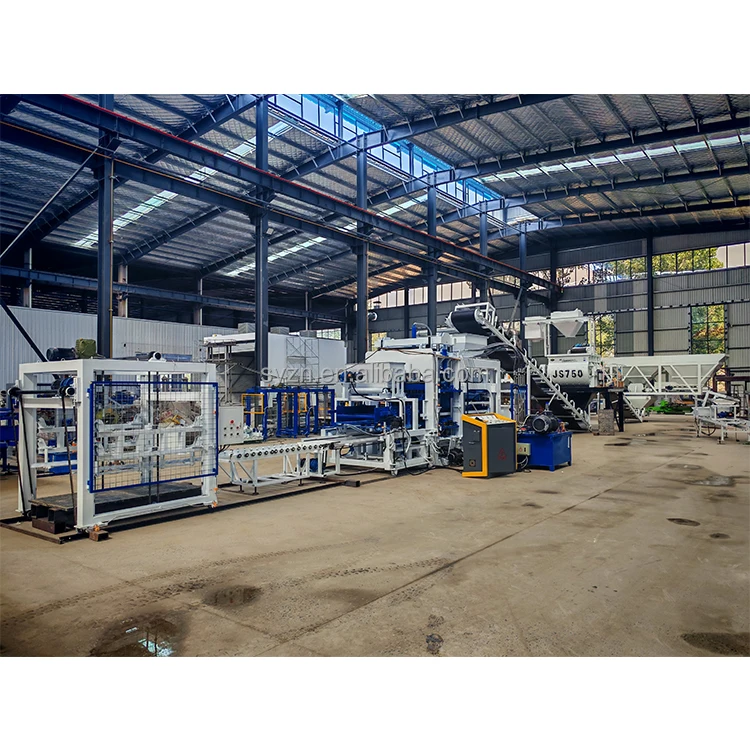
| Factory Area Required | 300 m² |
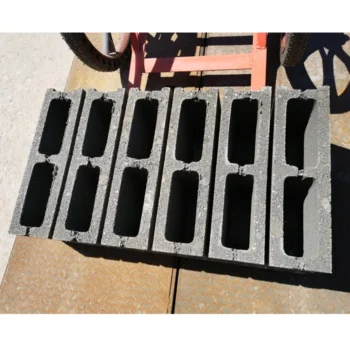
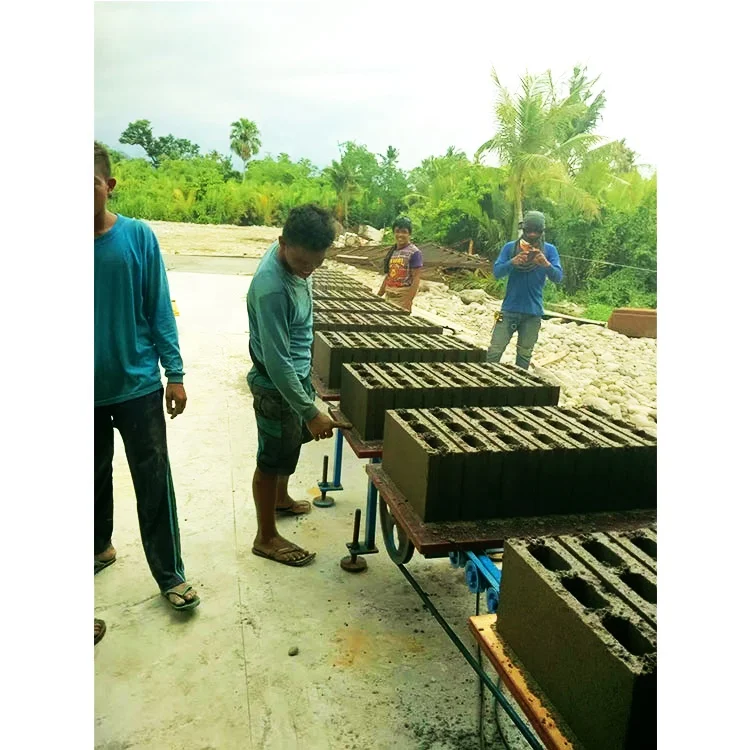
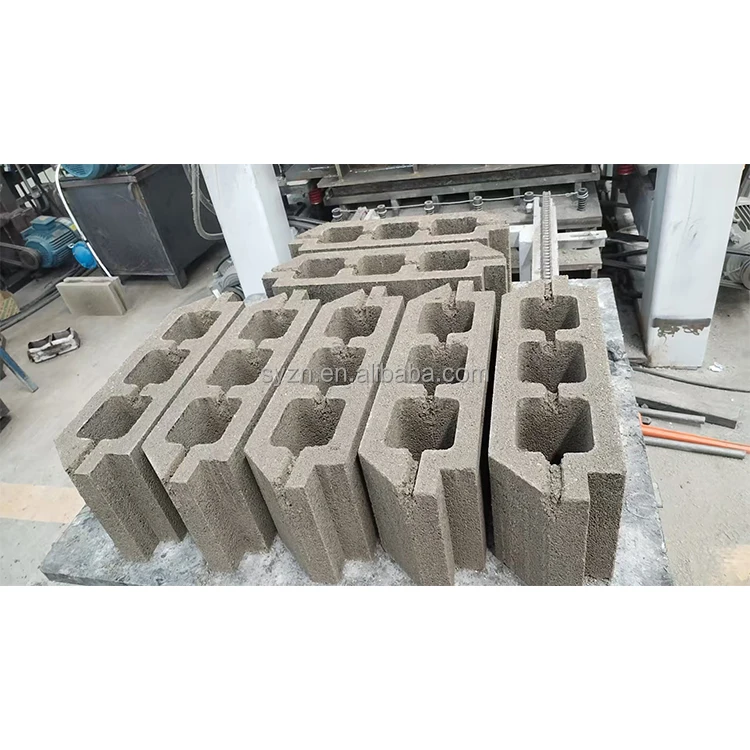
| Applied Products | Concrete hollow blocks, solid blocks, pavers, interlocking blocks, curbstone, colored pavers |
| Raw Materials | Crushed stone, sand, cement, fly ash, gravel, slag |
| Control System | Available with PLC or MCC control (language and brand to confirm) |
| Voltage & Frequency | Configurable to site requirements (to be confirmed before commissioning) |
| Automation Level | Available from semi-automatic to fully automatic stacking and cubing |
| Mould Change Time | Depends on format and tooling configuration (to confirm against shift planning) |
| Capacity by Block Format | Capacity table available; output figures depend on specific block size, mix design, and shift hours |
| Standards | CE referenced in company documentation (verify declaration for this specific unit) |
| Warranty | 1 year (excluding spare parts) |
Application Suitability
| Application | Material or Output |
|---|---|
| Fixed-plant hollow and solid block production | Crushed stone, sand, cement, fly ash |
| Paver and interlocking brick manufacturing | Gravel, cement, colored aggregates |
| Curbstone production for municipal projects | High-strength concrete mixes with slag |
| On-site housing project block manufacturing | Local aggregates including volcanic rock and river sand |
What "15-20 Second Cycle" Actually Means for Your Daily Output
A cycle time printed without a block format attached is a number without meaning.
When a technical buyer evaluates the QT8-15 block machine specifications, the first question should never be "how many blocks per hour." It should be "how many of my specific block format per shift." I have walked onto sites where the press was running hollow blocks at a cycle time the supplier quoted for solid pavers, and the daily tally fell well short of what the contract promised. The vibration frequency, hydraulic pressure, and material feed all behave differently when you move from a 400×200×200 mm hollow block to a 200×100×60 mm interlocking paver [NEED_CITE: block format impact on cycle time and daily output].
The vibration force of 45 kN combined with 21 MPa rated pressure has to be dialed in against whatever aggregate the buyer is actually sourcing. A porous volcanic scoria demands a completely different vibration profile than dense river gravel, and ignoring that difference is how you end up with blocks that crumble at the curing rack.
Matching Vibration and Pressure to Your Aggregate
The QT8-15 block machine specifications list platform vibration across a 2800–4500 r/min range. That range exists because different materials compact at different frequencies. Fine sand needs higher frequency to settle into the mould corners, while coarse crushed stone responds to lower frequency with higher amplitude. The hydraulic pressure at 21 MPa then locks that compacted mass into shape. If the two forces are not balanced for the actual mix, you get either surface spalling or low compressive strength — and the buyer blames the machine when the real problem was the parameter set.
Pallet Size and the Curing Area You Already Have
The 950×900 mm pallet dimension is not arbitrary. It dictates how many blocks sit on each pallet, how the pallets stack in the curing racks, and which forklift can handle the loaded weight. I have seen plants receive a new press only to discover their existing curing racks were built for 850×700 mm pallets from the previous machine. The QT8-15 how to choose question always loops back to the physical space and handling equipment already on site. A mismatch here means rebuilding the curing yard before the first block is produced [NEED_CITE: pallet size compatibility with curing infrastructure].
Reading the Specs That Matter for Block Strength
The 8-ton total mass of the QT8-15 matters because vibration transfers through the machine frame. A lighter frame absorbs energy that should be going into the mould, which shows up as inconsistent density from one cycle to the next. The 55.5 kW overall power covers the hydraulic pump, vibration motor, and material feed system simultaneously — if the buyer plans to run a high-cement fly ash mix that demands longer vibration dwell, the power draw will sit at the upper end of that envelope. The 15–20 second molding cycle must be restated for each format: a thick hollow block will sit at the longer end, while a thin paver can cycle faster, but only if the vibration profile is adjusted to match.
The Cost of Skipping the Aggregate Sample
When the mould arrives configured for a limestone aggregate the buyer cannot source locally, the only options are to import that material at a premium or run a substitute and accept lower block strength. Either outcome erodes the margin the buyer modeled before placing the order. Voltage and PLC display language left unconfirmed until the machine arrives can add weeks of idle time while an electrician rewires the panel and a programmer re-flashes the interface [NEED_CITE: commissioning delays from unconfirmed electrical specifications].
Why Sourcing Here Reduces Configuration Risk
Block machinery is the single product focus, so the QT8-15 press, mould, pallet, and handling equipment are specified as one matched system rather than assembled from separate suppliers. Machine configuration is set against the buyer’s actual mix design and target block format — not a default pulled from a brochure. Custom mould drawings are produced to the buyer’s own market dimensions, and the automation level is selectable so a plant can start semi-automatic and add stacking later. Documentation includes a capacity calculation that names the exact block format and shift hours behind every output figure.
Documentation & Verification
- Line layout and capacity calculation stating the specific block format and shift hours assumed
- Mould drawing and format list for every product in your range
- Pallet specification sheet matched to your curing rack dimensions and forklift capacity
- Voltage, frequency, and PLC display language confirmed in writing before production
- Factory test record run on your target block format before dispatch
- Operation and maintenance manual with wear parts and mould replacement schedule
Installation, Commissioning & Support
- Factory area of 300 m² confirmed against your site plan before foundation work begins
- 55.5 kW power requirement verified against your site transformer capacity and dedicated circuit
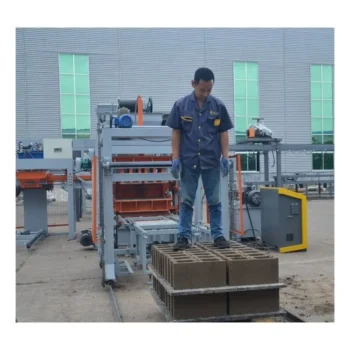
- Machine arrives as main frame plus separated hydraulic and vibration modules for reassembly
- Vibration frequency and hydraulic pressure calibrated on your local aggregate during commissioning
- Operator training covers mould change procedure and daily maintenance checkpoints
- Wear parts list provided with recommended replacement intervals for hydraulic seals and vibration mounts
What to Prepare Before Requesting a Quote
Share the specific block formats your market sells, the dimensions and required compressive strength for each, and the local aggregate types available. Confirm your site voltage and frequency, the PLC language your operators read, and whether you need semi-automatic or fully automatic stacking. If you already have curing racks and forklifts, send their specifications so the pallet size can be cross-checked before the machine is built.
Frequently Asked Questions
Q: How is QT8-15 capacity calculated per block format, and what shift assumption is used?
A: Every capacity figure we quote is tied to a named block format, a stated molding cycle for that format, and a defined number of shift hours per day. A hollow block cycles differently than a paver, so the daily output is calculated separately for each product in your range rather than averaged into a single misleading number.
Q: Which mould formats fit the 950×900 mm pallet, and how long does a mould change take?
A: The pallet dimension supports hollow blocks, solid blocks, interlocking pavers, and curbstones within the mould cavity layout the pallet allows. Mould change time depends on the tooling configuration and whether quick-release clamps are specified — we confirm this against your shift plan so format switching does not consume production hours.
Q: Is the vibration force and hydraulic pressure matched to my local aggregate and mix design?
A: We request a sample of your local aggregate and your proposed mix proportions before the machine is configured. The 45 kN vibration force and 21 MPa hydraulic pressure are then tuned to that specific material so block strength remains consistent across every production run.
Q: Are pallet handling, stacking, and curing included, or will output be stacked by hand?
A: The QT8-15 is available from semi-automatic pallet handling through to fully automatic stacking and cubing. We confirm the automation level during the proposal stage so the quotation covers the entire line from press to curing rack, not just the press alone.
Q: What voltage, frequency, and PLC language will be confirmed before shipment?
A: All three are confirmed in writing before production begins. The electrical panel is built to your site voltage and frequency, and the PLC display is set to the language your operators read — eliminating commissioning delays caused by mismatched electrical standards.