

Description
Configuration matched to format — the QT7-15 block machine specifications are tied to actual block sizes and cycle times rather than a generic output claim.
Technical Specifications
| Parameter | Value |
|---|---|
| Model | QT7-15 |
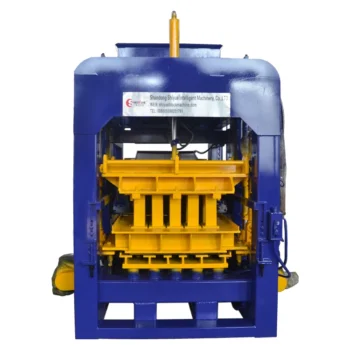
| Product Type | Automatic Concrete Block Making Machine |
| Pallet Size | 1150 x 700 mm |
| Molding Cycle | 15–20 s |
| Overall Power | 45 kW |
| Vibration Force | 100 kN |
| Vibration Frequency | 0–60 Hz |
| Vibration Form | Platform Vibration |
| Demolding Method | Hydraulic |
| Control System | PLC with touch screen interface, remote fault diagnosis |
| Total Mass | 8 T |
| Output: Hollow Block 400×200×200 mm | 1260–1680 pcs/h (10,080–13,440 pcs/8 hr) |
| Output: Hollow Block 400×150×200 mm | 1440–1920 pcs/h (11,520–15,360 pcs/8 hr) |
| Output: Rectangular Paving Brick 200×100×60 mm | 3888–4860 pcs/h, cycle 20–25 s (31,104–38,880 pcs/8 hr) |
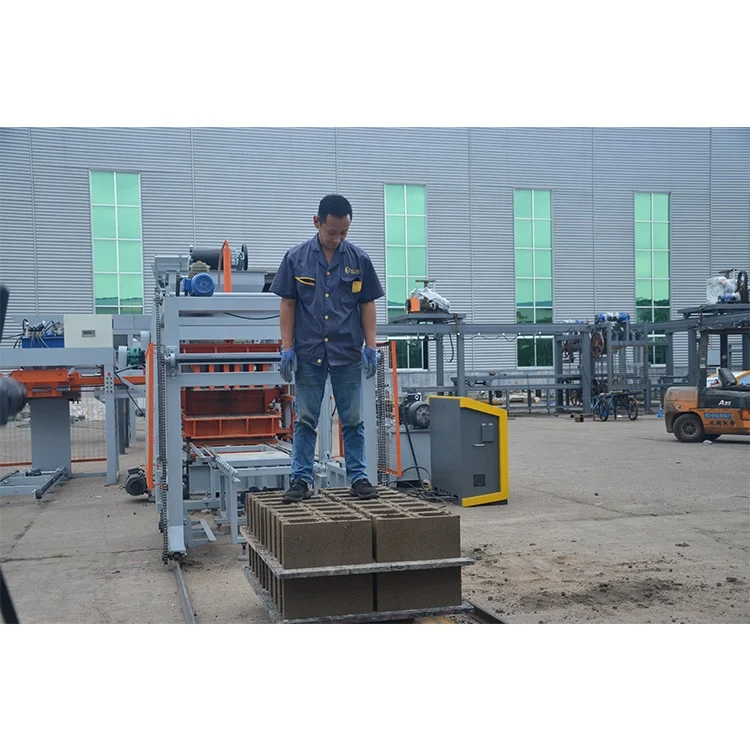
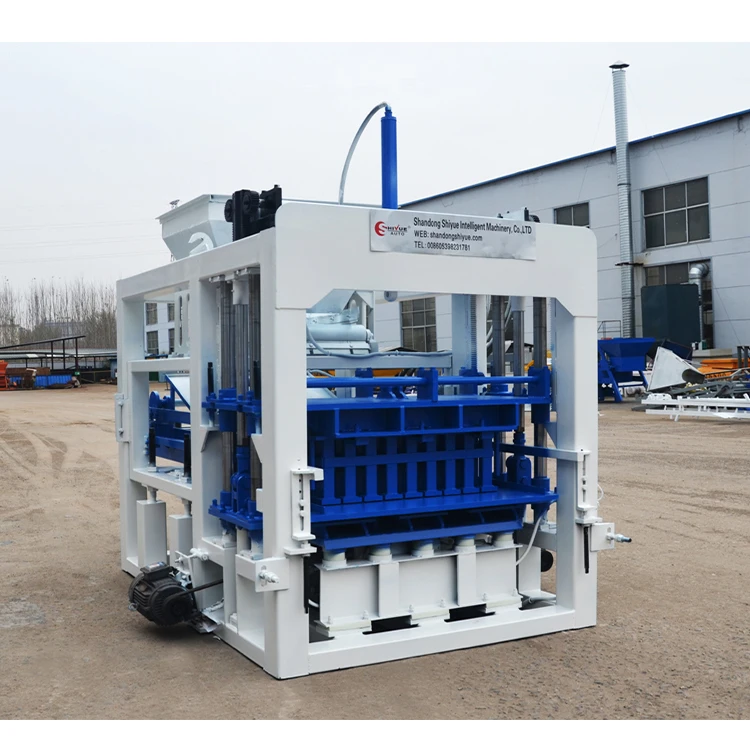
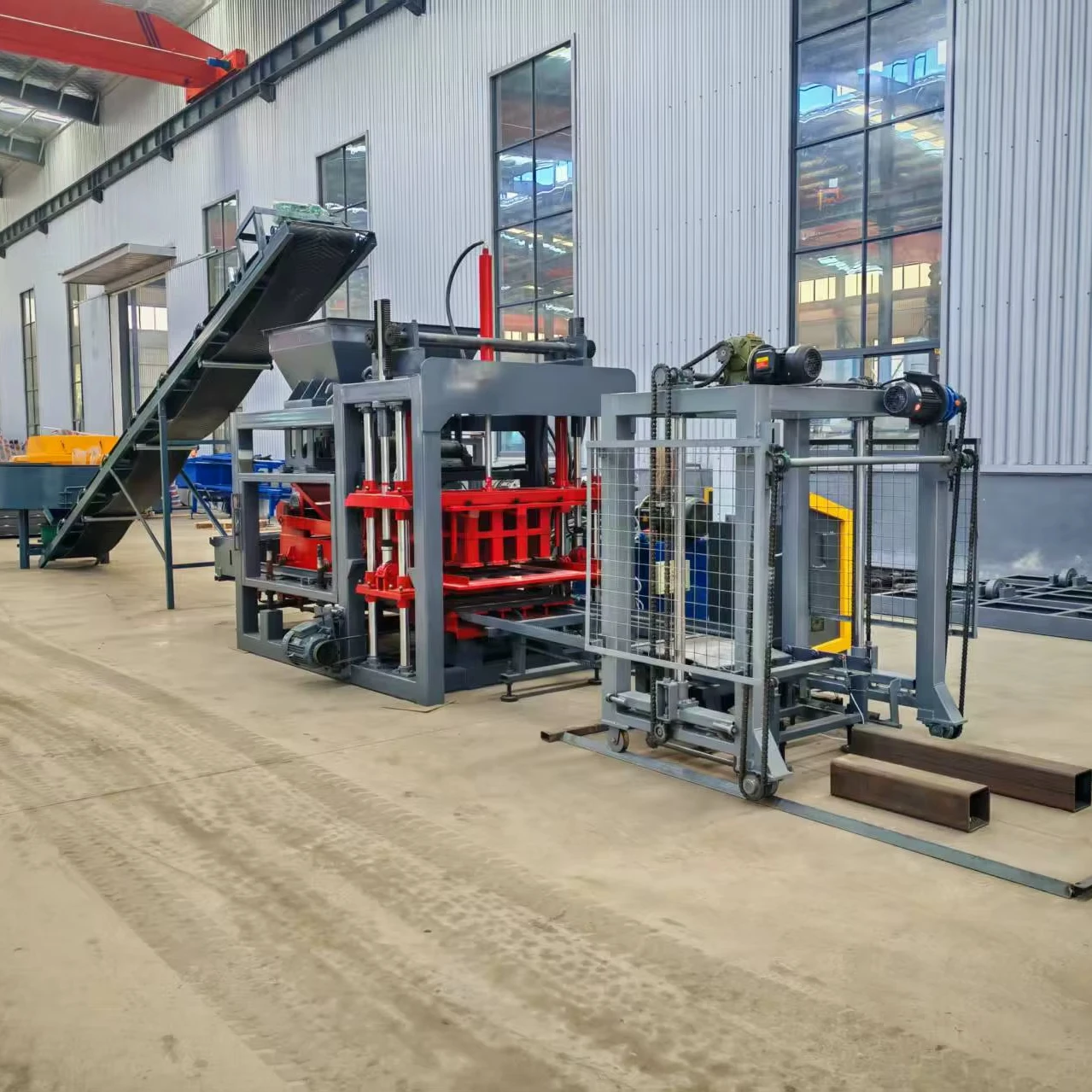
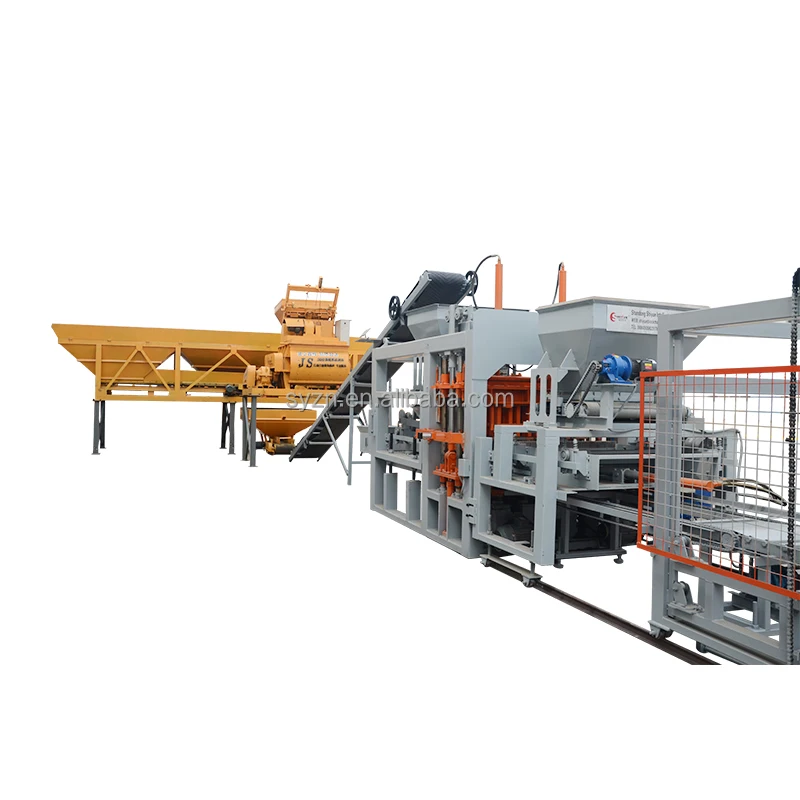
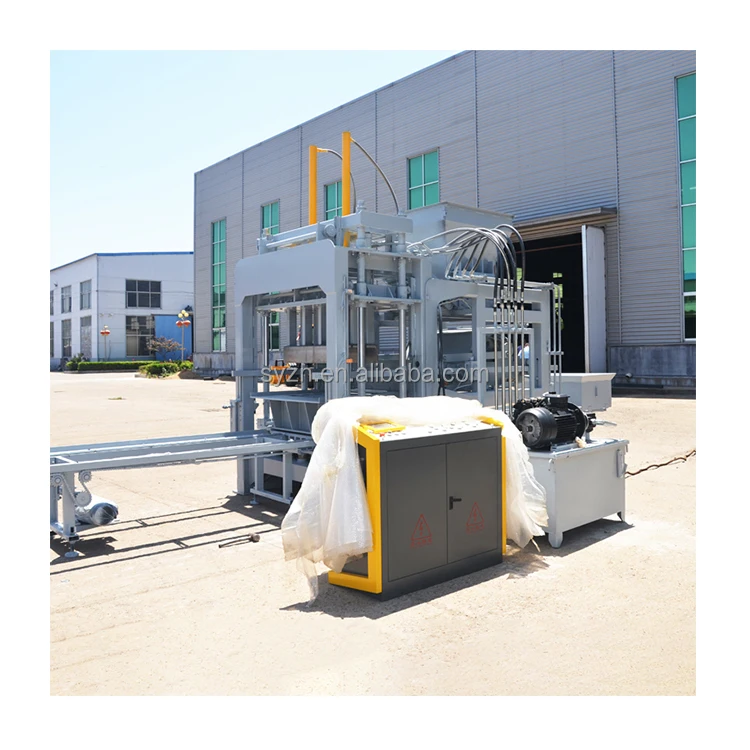
| Key Components | Pallet feed machine, block press, storage hopper, conveyor, hydraulic unit, PLC cabinet |
| Mould Change | Manual mould replacement for format adjustment |
| Standards | CE declaration where applicable |
Application Suitability
| Application | Material and Output |
|---|---|
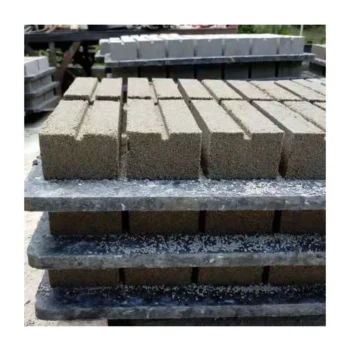
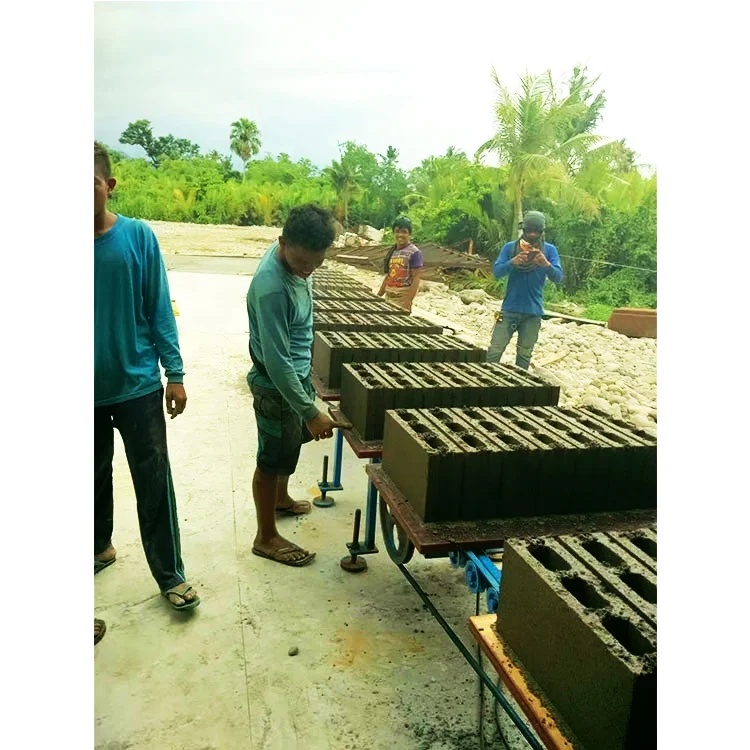
| Hollow block production | Crushed stone, cement and sand producing 400×200×200 mm or 400×150×200 mm units |
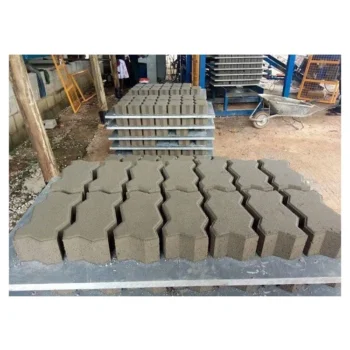
| Paving brick manufacturing | Fine aggregate and cement for 200×100×60 mm rectangular pavers |
| On-site contractor production | Local aggregate mixed to specification for project-specific hollow block formats |
| Concrete product plant expansion | Additional block formats on an existing line using the shared 1150×700 mm pallet |
Why "Cycles per Hour" Fails the Buyer
The QT7-15 block machine specifications quote output per block format, not a single headline cycle rate.
When I first started quoting block machinery, I would hand a customer a cycles-per-hour number and let them assume it applied to every mould on the pallet. Weeks later, the site manager would call from a yard stacked with half the promised daily output because the 400×200×200 mm hollow block takes longer to demold than a paving brick. The automatic concrete block making machine capacity by format matters because cavity count, fill depth and compaction time all shift between formats. Buyers who skip this step end up sizing their curing racks and logistics around a number that only ever applied to one block size [NEED_CITE: common causes of output shortfalls in block plants].
Mould Formats on a Shared 1150×700 mm Pallet
Every QT7-15 block machine specifications sheet ties the pallet to the block format. The 1150×700 mm pallet accommodates hollow blocks in two standard thicknesses — 200 mm and 150 mm — as well as 200×100×60 mm rectangular paving bricks. Mould replacement is mechanical: the upper punch and lower mould box are unbolted and swapped as a set, so format changeover time depends on tooling readiness and crane access rather than press complexity.
Vibration Force and Local Aggregate
Platform vibration at 100 kN and a frequency range of 0–60 Hz gives the operator room to tune compaction to the mix. In regions where local aggregate carries higher fines or larger particle sizes, the vibration frequency must be adjusted downward to avoid segregating the mix before full compaction. The QT7-15 block machine specifications list frequency as adjustable precisely because a single fixed setting cannot cover the range of sand and crushed stone gradations buyers encounter across export markets [NEED_CITE: effect of aggregate gradation on block density].
Reading the QT7-15 Specification Sheet in Production Terms
The 45 kW overall power covers the hydraulic pump, vibration motor, conveyor drive and PLC cabinet together; a dedicated circuit must accommodate peak draw during simultaneous press and vibration. The 8 T total mass reflects the steel frame and hydraulic unit, which also defines the foundation load and bolt-down pattern the civil contractor needs before delivery. Hydraulic demolding works in concert with platform vibration: pressure holds the punch while vibration consolidates the mix, and the demolding stroke must be smooth to avoid cracking green blocks. The PLC touch screen stores process data per batch, so an operator can recall the exact vibration time, pressure and feed volume used for each block format.
What Happens When Pallet and Curing Area Mismatch
A 1150×700 mm pallet that does not match the buyer’s existing forklift tine spacing or curing rack dimensions forces the plant to buy new handling equipment after the press arrives. Mould changeovers scheduled for a morning shift can consume most of the day if the overhead crane capacity was not checked against the mould assembly weight. Voltage and frequency left unconfirmed until the container is on the water mean the PLC will not power on at the destination site, delaying commissioning by weeks [NEED_CITE: electrical compatibility issues at international project sites].
Procurement Reasons Tied to This Machine
The QT7-15 block machine specifications are built around a single matched system: press, mould, pallet and feeder are quoted together so no station starves the next. Configuration starts from the buyer’s actual mix design and target format, not a catalogue default. Mould drawings are produced for the block sizes the buyer’s market sells, with custom cavity layouts available on request. The automation level is selectable, allowing a plant to begin with manual pallet handling and add automatic stacking later. Remote fault diagnosis through the PLC shortens the path from alarm to correction without requiring a site visit.
Documentation & Verification
- Line layout and capacity calculation naming the block format assumed for each output figure
- Mould drawing and format list confirming included and optional cavity sizes
- Pallet specification sheet sized to match the buyer’s curing rack and forklift
- Voltage, frequency and PLC display language written confirmation before production
- Factory test record run on the buyer’s specified block format
- Operation and maintenance manual with hydraulic and electrical schematics
Installation, Commissioning & Support
- Foundation drawing issued for the 8 T frame load and 1150×700 mm pallet footprint
- Electrical single-line diagram showing the 45 kW supply and dedicated breaker requirement
- Hydraulic unit and PLC cabinet shipped pre-wired, bolted to the main frame for fast assembly
- First-run commissioning covers vibration frequency tuning to the local aggregate gradation
- Operator training on PLC touch screen format recall and batch data storage
- Wear parts list covering mould liners, hydraulic seals and vibration motor bearings
What to Share With Your Enquiry
Send the block formats you intend to run, the daily volume committed to your customer, and a sample or lab report of the aggregate available locally. Include the voltage and frequency at the site, the PLC language the operator reads, and the dimensions of any existing curing racks or forklifts. If a sample block run is needed before contract signing, state the format and strength target so the factory test can mirror production conditions.
Frequently Asked Questions
Q: How is the QT7-15 block machine capacity verified per format, and what cycle time applies to each?
A: Each output figure is tied to a specific block size and mould cavity count. The 400×200×200 mm hollow block runs a 15–20 second molding cycle, while the 200×100×60 mm paving brick requires 20–25 seconds due to different fill and compaction behavior. Capacity calculations state the format assumed so daily output planning starts from a confirmed number.
Q: Which mould formats fit the 1150×700 mm pallet, and can custom moulds be made?
A: Standard formats include two hollow block thicknesses and a rectangular paving brick, all on the shared pallet. Custom moulds can be designed to buyer drawings, with cavity count and draft angles adjusted for the target block dimensions and demolding method.
Q: How must vibration force and frequency match the buyer’s local aggregate?
A: The 100 kN platform vibration at 0–60 Hz is adjustable because aggregate gradation and fines content vary by source. Higher fines typically require a lower frequency to prevent segregation before full compaction, and the PLC stores the tuned setting per format for batch consistency.
Q: What is the realistic mould change time between formats?
A: Changeover involves unbolting the upper punch and lower mould box, then fitting the replacement set with overhead crane support. Actual time depends on tooling readiness, crane capacity and operator familiarity, but the mechanical interface is designed for straightforward swap without press modification.
Q: How are voltage, frequency and PLC language confirmed before the machine ships?
A: These are locked in writing before production begins. The PLC touch screen language, motor winding specification and control cabinet labeling are all set to the destination site standard so the press powers on and runs without rewiring or software reload at arrival.