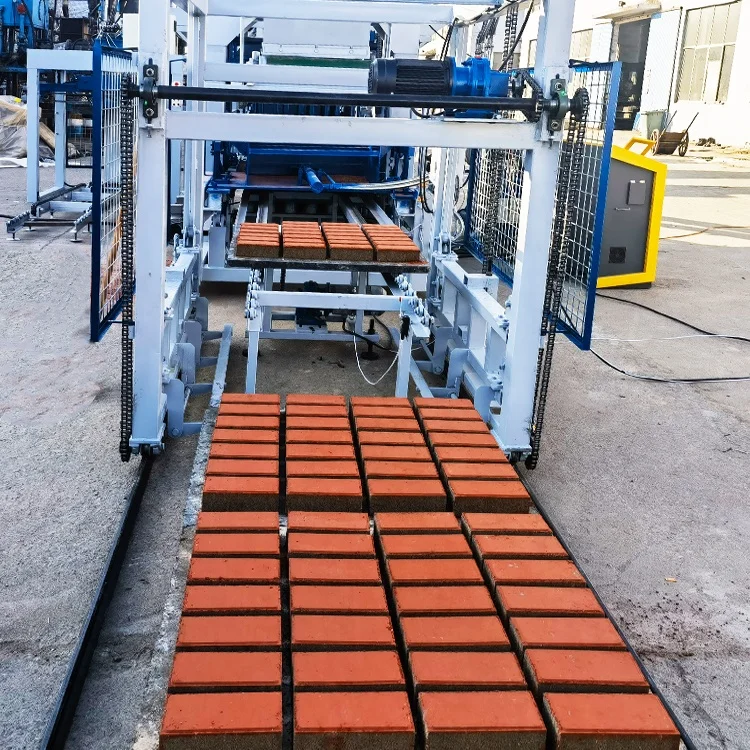
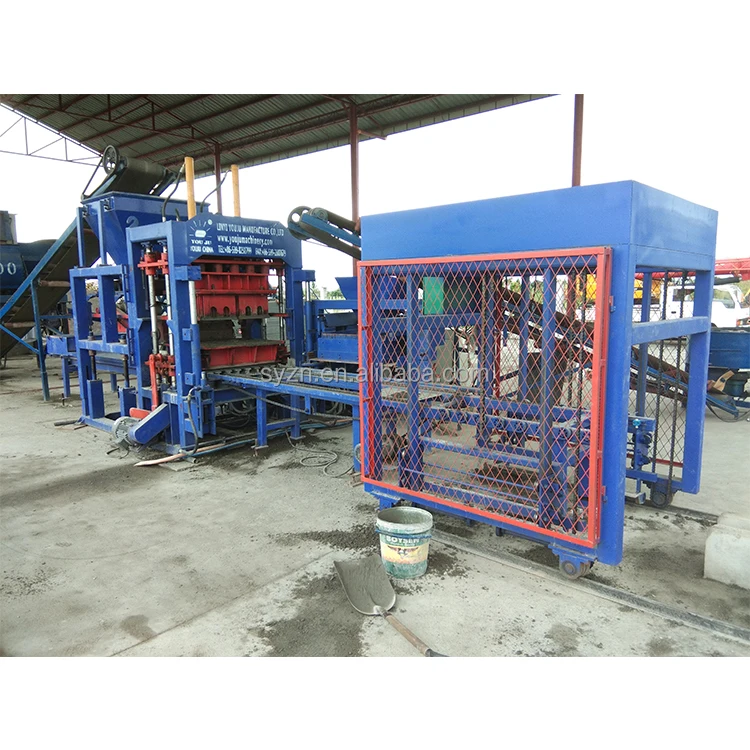
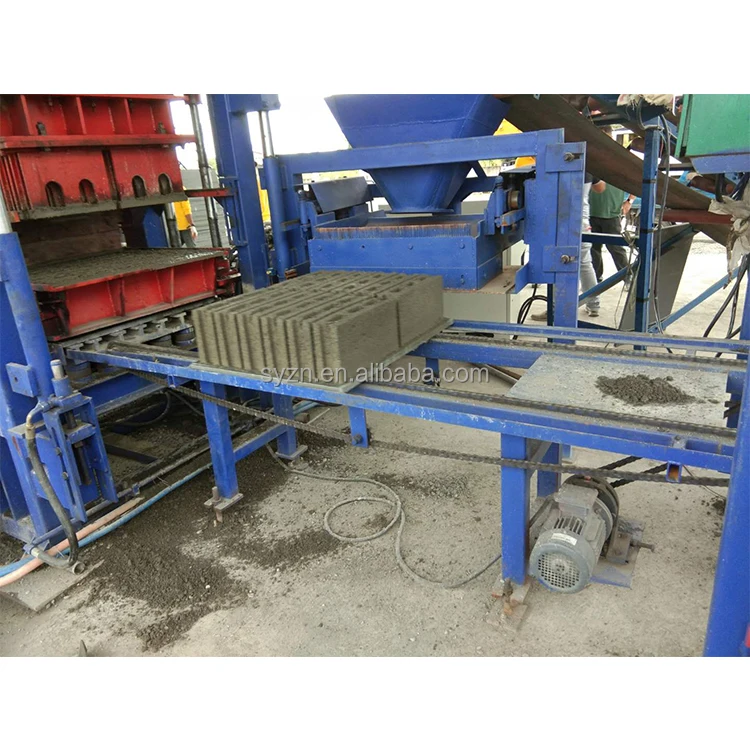
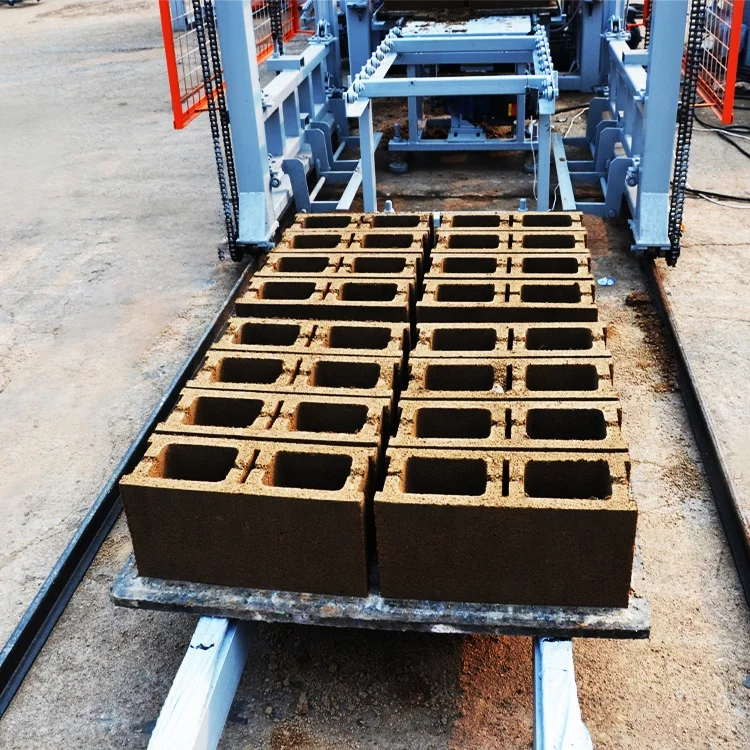
Description
Block Machinery as a Single Focus — the QT612 is specified with mould, pallet and handling matched to the buyer’s actual block format and local aggregate rather than shipped as a catalogue default.
Technical Specifications
| Parameter | Value |
|---|---|
| Model | QT612 |
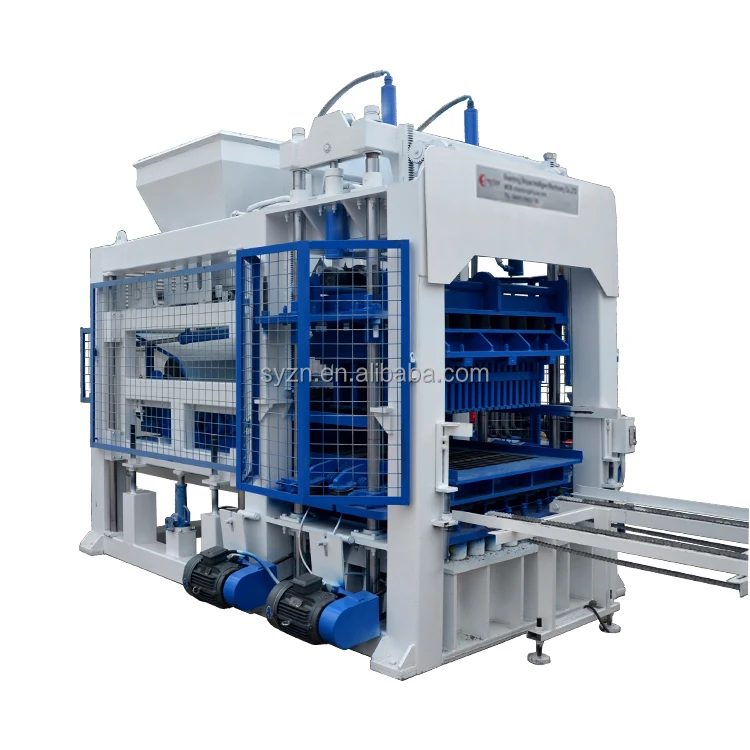
| Product Type | Hydraulic Block Making Machine |
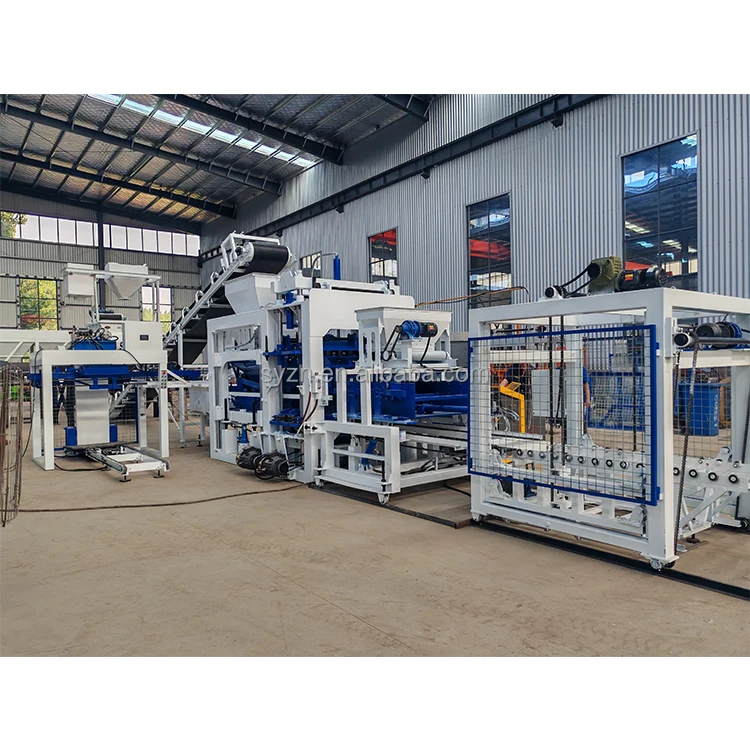
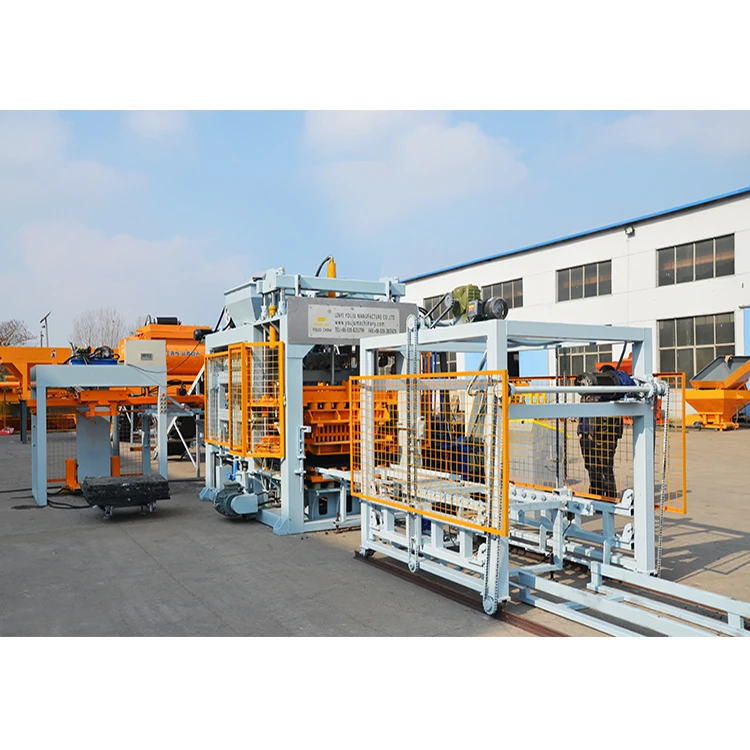
| Overall Dimensions | 7350×1780×2950 mm |
| Rated Pressure | 16 MPa |
| Main Vibration Type | Platform vibration |
| Vibration Frequency | 4600 r/min |
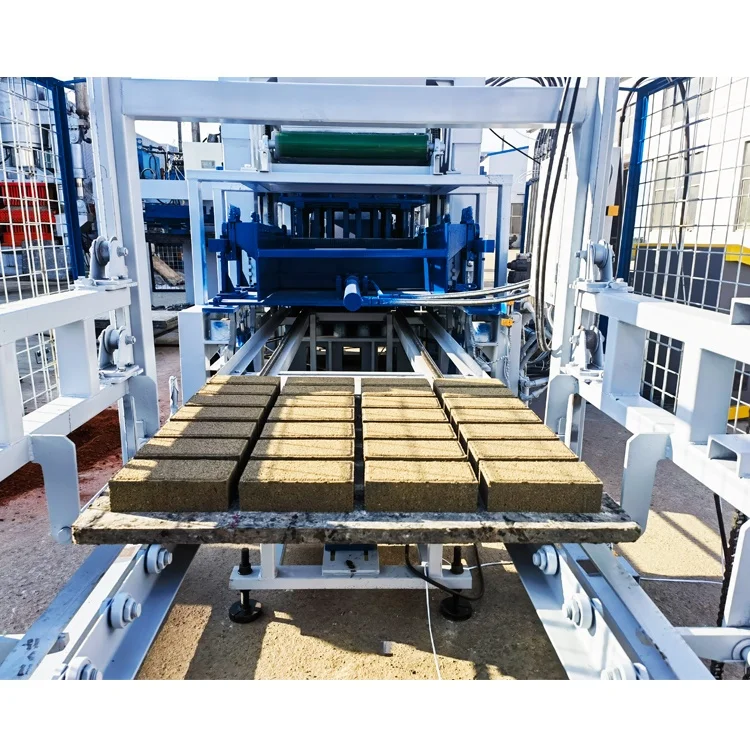
| Pallet Size | 880×700 mm |
| Molding Cycle | 15–20 s |
| Overall Power | 30.5 kW |
| Automation Level | Automatic |
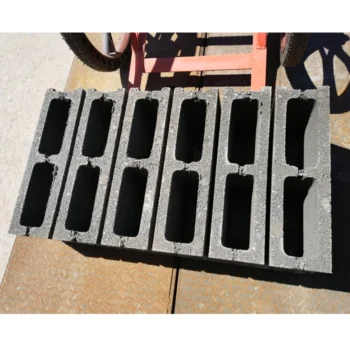
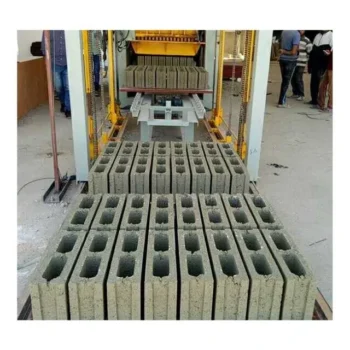
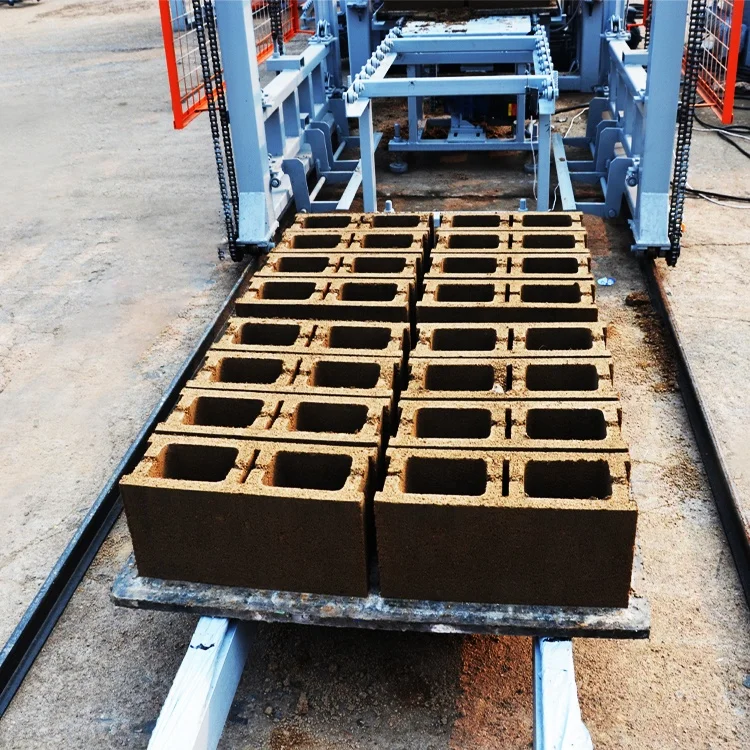
| Output Capacity (400×200×200 mm hollow block) | 6 pcs/mould, 12–15 s cycle, 1080 pcs/h, 8640 pcs/day |
| Output Capacity (240×115×90 mm porous brick) | 14 pcs/mould, 15–18 s cycle, 2800 pcs/h, 22400 pcs/day |
| Output Capacity (240×115×53 mm standard brick) | 30 pcs/mould, 14–17 s cycle, 6800 pcs/h, 54400 pcs/day |
| Raw Materials Compatibility | Crushed stone, sand, cement, dust, coal fly ash, cinder, slag, gangue, gravel, perlite, other industrial wastes |
| Standards | CE, SGS, ISO 9001 |
Application Suitability
| Application | Material or Output |
|---|---|
| Hollow block production for masonry walls | Crushed stone, sand, cement, coal fly ash |
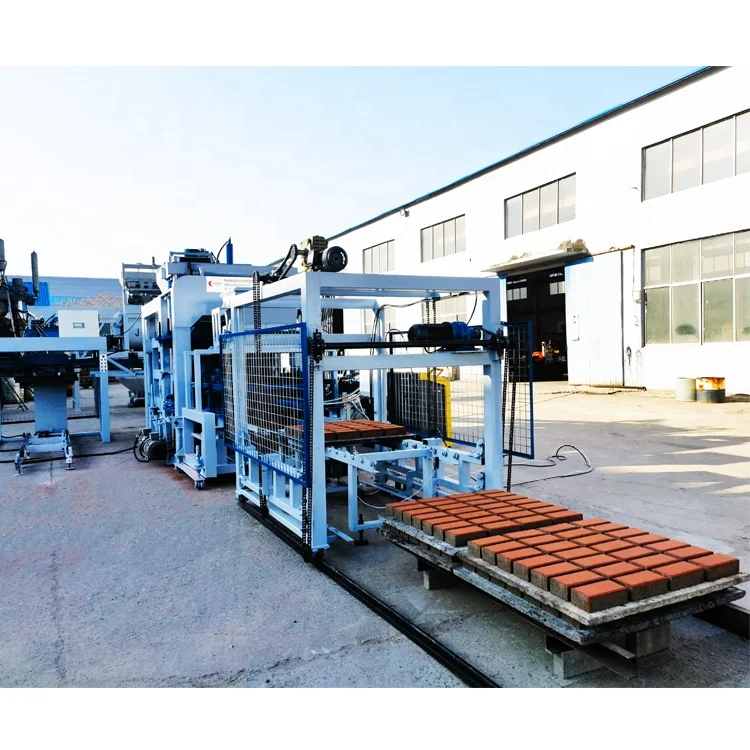
| Paving stone and kerbstone manufacturing | Gravel, sand, cement with face mix option |
| Interlocking brick for retaining walls | Local aggregate, cement, industrial waste blends |
| Porous brick for thermal insulation | Lightweight aggregate, perlite, cement |
| Standard solid brick for residential builds | Sand, cinder, slag, cement |
| Grass block and slope block for landscaping | Coarse aggregate, cement, permeable mix designs |
What "12–15 Seconds per Cycle" Leaves Out for QT612 Block Machine Specifications
A cycle time means nothing without the block format it was measured on.
When suppliers quote a single cycles-per-hour figure, buyers often discover on commissioning day that their primary product — say a 400×200×200 hollow block — runs slower than the headline number assumed. The QT612 block machine specifications here are broken down per format: hollow block at 12–15 seconds, porous brick at 15–18 seconds, standard brick at 14–17 seconds. Each figure ties to a specific mould cavity count and a specific pallet area. Without this breakdown, daily output planning is guesswork [NEED_CITE: block machine capacity calculation standards by format].
Matching QT612 Block Machine Specifications to the Block Format Your Market Actually Buys
A buyer in West Africa selling 9-inch hollow blocks needs different output planning than a buyer in South Asia producing interlocking pavers. The QT612 block machine specifications list 880×700 mm as the pallet size, which defines the maximum mould footprint and therefore how many cavities can fit per press stroke. Selecting the right mould starts with confirming which formats sell in the buyer’s market, then calculating realistic daily tonnage from the per-format cycle time and cavity count rather than from a single brochure number.
Pallet, Curing Area and Forklift Must Agree Before the Machine Ships
The 880×700 mm pallet does not exist in isolation. It must pass through the buyer’s curing rack spacing, ride on the forklift tines already in the yard, and stack to a height the curing area can accommodate. If the buyer’s existing racks are built for a different pallet dimension, every pallet must be replaced or the curing layout rebuilt — a cost that never appears in the machine quotation [NEED_CITE: pallet handling integration in concrete block plants]. Confirming pallet material, quantity and rack compatibility before production begins prevents this mismatch.
How Vibration Frequency and Hydraulic Pressure Shape Block Density
Platform vibration at 4600 r/min combined with 16 MPa rated hydraulic pressure determines how tightly aggregate particles compact during the molding cycle. Higher vibration frequency mobilizes fine particles into voids left by coarse aggregate, while hydraulic pressure locks the matrix before the mould lifts. If a buyer’s local mix uses a high proportion of fine material like fly ash or stone dust, the vibration amplitude and pressure hold time need adjustment to avoid over-compaction and surface cracking. This is why raw material samples should be tested before finalizing QT612 block machine specifications for a given site.
Why Mould Change Time Decides Real Format Flexibility
A press that can run hollow blocks, pavers and interlocking bricks from a single platform is only as flexible as its mould change procedure allows. If changing from a 400×200×200 hollow block mould to a kerbstone mould takes most of a shift, the buyer effectively runs one format per day. The QT612 block machine specifications confirm mould compatibility across a wide format range, but the method and duration of changeover must be confirmed during the configuration stage so buyers understand their actual format-switching capacity [NEED_CITE: mould change systems in hydraulic block presses].
Cycle Time, Cavity Count and the Daily Output Reality
The three capacity tiers listed for this machine — 8640 hollow blocks per day, 22400 porous bricks per day, 54400 standard bricks per day — each rest on a specific mould cavity count and a specific cycle range. The standard brick figure assumes 30 cavities per mould at 14–17 seconds; the hollow block figure assumes 6 cavities at 12–15 seconds. Buyers planning production schedules should use the figure that matches their primary selling format and factor in pallet circulation time, raw material batching intervals and operator breaks. A line layout document that states these assumptions per format removes ambiguity before the order is placed.
The Cost of Ordering Without Confirming Local Aggregate Compatibility
When a machine arrives configured for a mix design the buyer cannot source locally, every parameter — vibration duration, pressure hold time, moisture tolerance — needs reworking on site. I have seen this happen when a buyer in a laterite-rich region received a press calibrated for standard quartz sand, costing weeks of trial-and-error before consistent block strength was achieved. The QT612 block machine specifications list compatibility with crushed stone, fly ash, cinder, slag and other materials, but the exact mix ratio and vibration-pressure balance should be set against samples of the buyer’s actual aggregate before the machine leaves the factory [NEED_CITE: aggregate compatibility testing for concrete block production].
Why Buy the QT612 From a Single-Focus Block Machinery Source
Block machinery is the sole product line here, which means the QT612 press, its moulds, pallets and handling equipment are specified as one matched system rather than assembled from separate vendors. Mould design covers the formats the buyer’s market demands, including custom drawings when standard catalogues do not match. Automation level is selectable so a plant can begin semi-automatic and add stacking or cubing later. Voltage, frequency and PLC display language are confirmed before production starts. Installation support includes operator training so the crew running the machine on day one understands the parameter settings tied to their specific mix design.
Documentation & Verification
- Line layout with capacity calculation stated per block format and cycle time
- Machine specification sheet matching the confirmed pallet size and voltage
- Mould drawing and format list reviewed against the buyer’s product range
- Hydraulic and electrical schematic with confirmed control language
- Factory test record run on the buyer’s target block format before dispatch
- CE declaration and ISO 9001 documentation for customs clearance
Installation, Commissioning & Support
- Foundation plan sized to the 7350×1780 mm footprint and dynamic vibration load
- Power supply matched to the 30.5 kW overall power draw with dedicated circuit breaker
- Voltage and frequency confirmed before production to avoid rewiring on arrival
- Commissioning run with the buyer’s actual raw material to set vibration and pressure parameters
- Operator training covering mould change procedure, cycle adjustment and daily maintenance
- One set of spare wear parts included with shipment for initial replacement cycle
What to Include in Your QT612 Inquiry
To configure the QT612 correctly, send the target block format and dimensions, the local aggregate type and a sample if possible, and the daily output requirement tied to that specific format. Confirm the voltage and frequency at the installation site, the PLC display language the operators need, and the pallet handling equipment already in the yard. If an existing curing area is in place, share the rack spacing and forklift capacity so pallet size can be verified before the quotation is finalized.
Frequently Asked Questions
Q: How is QT612 capacity verified per block format, and what cycle time does each format require?
A: Each capacity figure is tied to a specific block size and mould cavity count. The 400×200×200 mm hollow block runs at 12–15 seconds with 6 cavities per mould, yielding 1080 pieces per hour. The porous brick and standard brick figures use their own cavity counts and cycle ranges. A line layout document stating these assumptions per format should be requested before ordering.
Q: Which mould formats are available for QT612, and how long does a mould change take?
A: The press accepts moulds for hollow blocks, solid bricks, porous bricks, paving stones, interlocking bricks, kerbstones and grass blocks. Mould change method and duration depend on the changeover system specified during configuration. Buyers should confirm this timing against their planned format-switching frequency so the press is not idle for extended periods between product runs.
Q: How should the machine be configured to match my local aggregate and mix design?
A: Send a sample of the local aggregate and the intended mix ratio before production begins. Vibration frequency, pressure hold time and moisture tolerance are then adjusted against that sample during the factory test. This prevents the situation where the machine arrives calibrated for a material the buyer cannot source, requiring weeks of on-site recalibration.
Q: What pallet size does QT612 use, and how does it integrate with my curing setup?
A: The standard pallet size is 880×700 mm. Before ordering, this dimension must be checked against the buyer’s existing curing rack spacing, stacking height limits and forklift tine width. If the current curing area was built for a different pallet, either the pallet specification or the curing layout needs adjustment — a detail that should be resolved during the quotation stage, not after delivery.
Q: What voltage, frequency and control language options are confirmed before shipment?
A: Voltage and frequency are confirmed to match the buyer’s site supply before production begins, as these values are not set to a single default. PLC display language is also agreed at this stage so operators can read the interface on commissioning day. Both specifications should be stated in writing on the order confirmation to prevent delays after the machine arrives.