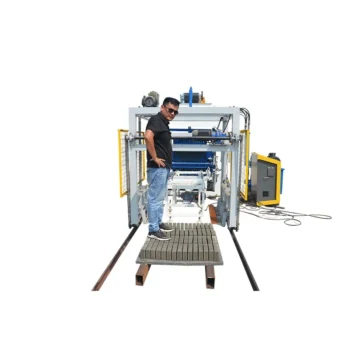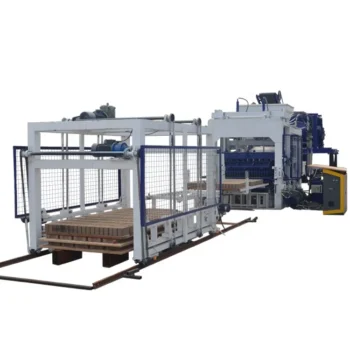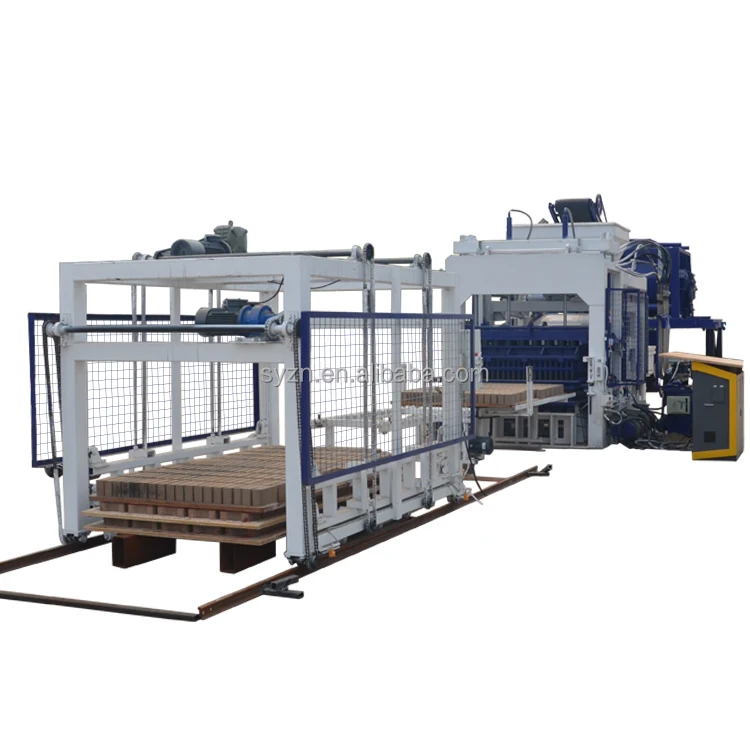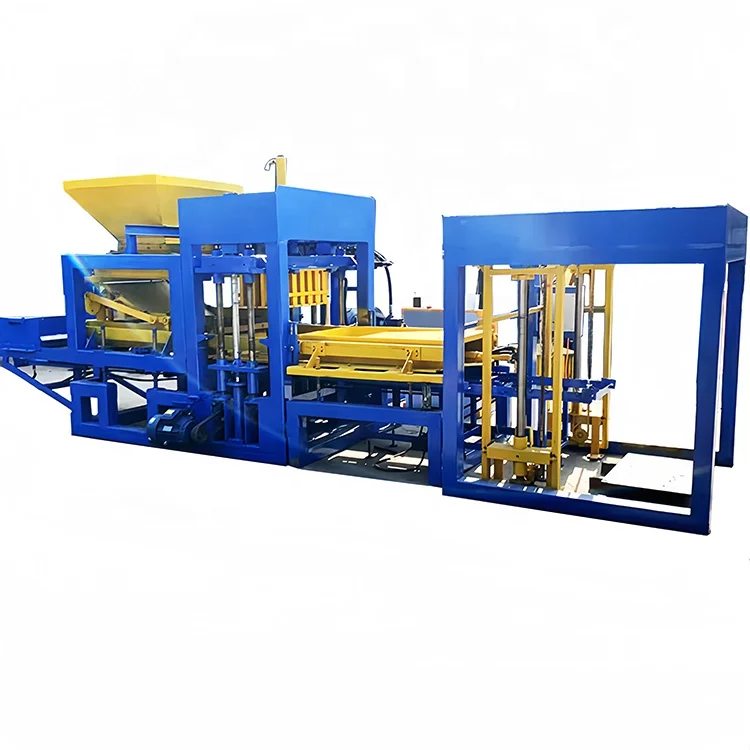


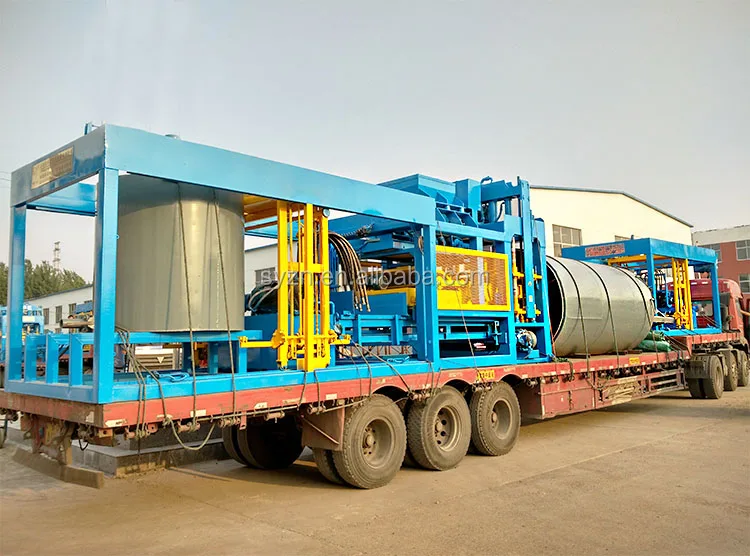
Description
Matched System, Not a Catalogue Pick — every QT6-15 configuration is set against the buyer’s actual block format, pallet size and mix design before production starts, so capacity figures reflect the product you will run.
Technical Specifications
| Parameter | Value |
|---|---|
| Model | QT6-15 |
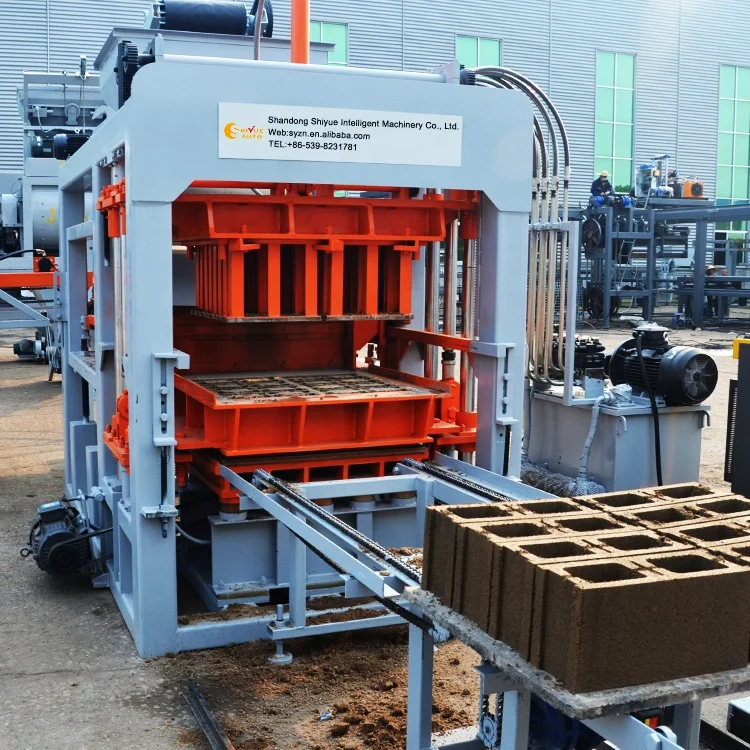
| Product Type | Automatic Hydraulic Vibrating Concrete Block Making Machine |
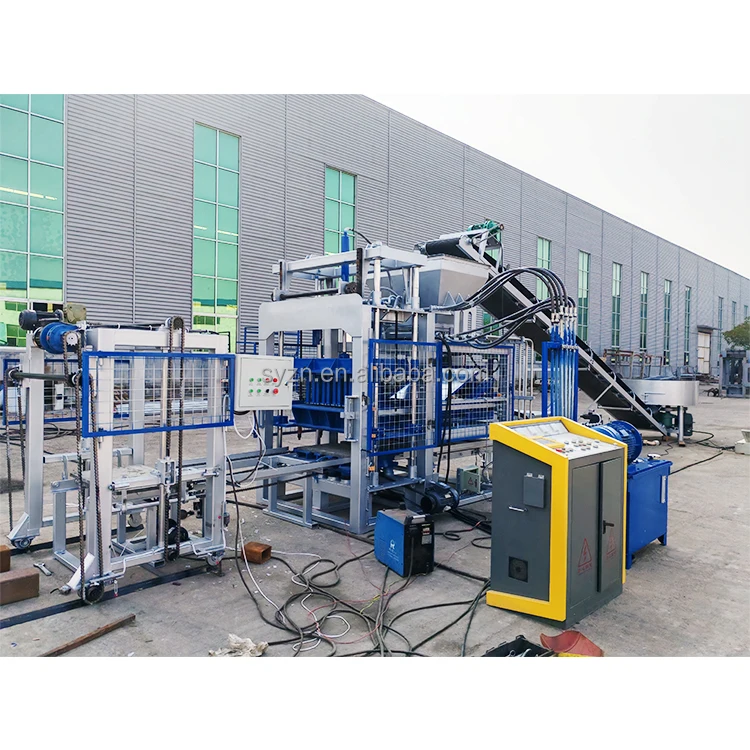
| Overall Dimensions (L×W×H) | 7400×1900×2660 mm |
| Molding Cycle | 15–25 s |
| Vibration Frequency | 4600 r/min |
| Exciting Force | 40–50 kN |
| Rated Power | 31.25 kW |
| Mixer Model | JQ350 |
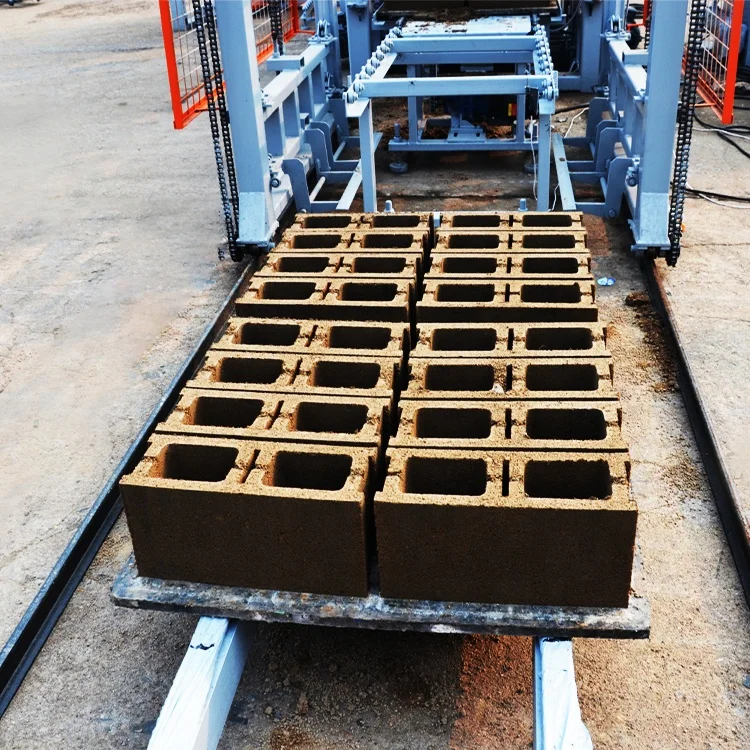
| Pallet Size | 850×550×25 mm |
| Net Weight | 7 T |
| Control System | PLC control system |
| Hydraulic Station | Included |
| Automation Level | Automatic |
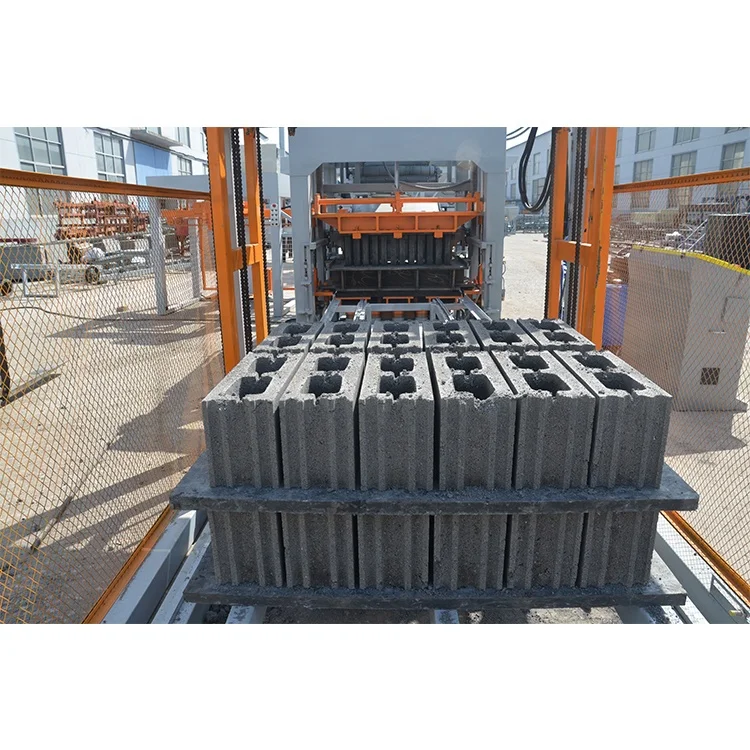
| Applied Products | Hollow block, solid brick, paver, curbstone |
| Raw Materials | Crushed stones, sand, cement, fly ash, dust |
| Standards | CE |
Application Suitability
| Application | Material or Output |
|---|---|
| Hollow block 400×200×200 mm | 1200–1680 pcs/hr based on 15–20 s cycle; daily output 9600–13440 pcs/8 hr |
| Hollow block 400×150×200 mm | 1800–2400 pcs/hr based on 15–20 s cycle; daily output 14400–19200 pcs/8 hr |
| Solid brick 240×115×53 mm | 3240 pcs/hr based on 15–20 s cycle; daily output 16200–19440 pcs/8 hr |
| Paver and curbstone production | Format dependent; cycle time confirmed per mould drawing |
What "1200 Pieces per Hour" Leaves Out About QT6-15 Block Making Machine Specifications
A capacity number without its block format is meaningless on paper.
Many quotations quote a peak cycle rate and stop there. The buyer then discovers the figure assumed a small solid brick while the actual order is for 400×200×200 mm hollow blocks, and daily output drops sharply. With the QT6-15 block making machine specifications listed here, every hourly figure is tied to a named block size and a 15–20 second molding cycle so the gap between brochure and plant floor disappears [NEED_CITE: honest capacity disclosure in concrete block machinery].
How the QT6-15 Block Making Machine Handles Format Changeover
A buyer typically runs two or three block sizes across a season. The QT6-15 accommodates hollow block, solid brick, paver and curbstone on one press by swapping moulds rather than replacing the machine. The vibration table and hydraulic head stay fixed; only the mould cassette changes. Mould change time is a factor that must be confirmed against the specific tooling package, because a long changeover erases the flexibility you paid for.
Matching Vibration to Your Aggregate and Mix
Vibration force alone does not determine block density. The 4600 r/min vibration frequency and 40–50 kN exciting force must work together with hydraulic pressure and the buyer’s aggregate grading. When local sand is coarser or fly ash replacement is high, the vibration curve needs adjustment to avoid surface cracking or low compressive strength. I once saw a shipment arrive at a plant using volcanic ash instead of fly ash; without a trial batch first, the cycle time nearly doubled on day one [NEED_CITE: effect of aggregate variation on block molding parameters].
Reading the Specification Table Correctly
The 31.25 kW rated power covers the host machine, hydraulic pump and vibration motors. Pallet size is fixed at 850×550×25 mm — this dimension must match the curing racks and forklift already in your yard before the order is locked. The JQ350 mixer feeds the press at a rate that must keep pace with the 15–25 s molding cycle; if the mixer is undersized for a lightweight aggregate mix, the press will idle between cycles. The PLC control system is standard, but display language and communication protocol should be confirmed before the cabinet is wired.
The Cost of Skipping Pallet and Voltage Confirmation
Pallet size seems minor until the first cured batch reaches the yard and the forklift tines are too narrow. Blocks then move by hand, labour cost rises and breakage increases. Voltage and frequency mismatches cause similar delays: the machine arrives, the panel cannot be energized and an electrician must rewire the control cabinet on site. Both issues are avoidable if the QT6-15 block making machine specifications are confirmed against site conditions before the frame is welded [NEED_CITE: common commissioning delays in exported concrete machinery].
Why Source This Machine Through a Matched-Line Approach
Block machinery is our single focus, so the press, mould, pallet and handling equipment are specified as one system rather than assembled from unrelated suppliers. Configuration is set against your actual mix design and target format, not a catalogue default. Mould design covers the block sizes your regional market actually sells, and custom drawings are accepted. Automation level is selectable — start with the included pallet feeder and brick conveyor, then add stacking later. Installation support includes operator training and a wear-parts list so the first replacement does not halt production [NEED_CITE: single-supplier block line accountability].
Documentation & Verification
- Line layout and capacity calculation stating each block format assumed
- Mould drawing and format list for all included block sizes
- Voltage, frequency and PLC display language confirmation sheet signed before production
- Factory test record run on a sample of buyer-supplied aggregate
- Pallet specification matched to curing area and forklift dimensions
- CE declaration and packing photographs for customs clearance
Installation, Commissioning & Support
- Foundation drawing based on the 7400×1900 mm footprint and 7 T operating weight
- Dedicated circuit sized for the 31.25 kW rated load and hydraulic pump inrush current
- Machine shipped partially assembled; vibration table and hydraulic station bolted on site
- First-run parameter tuning using buyer’s local aggregate sample before full production
- Operator training on PLC navigation, mould change procedure and daily greasing points
- Wear-parts list with hydraulic seal and vibration motor bearing part numbers
What to Include in Your First Inquiry
To size the QT6-15 block making machine correctly, share the block format you sell most, your target daily output and the raw materials available locally. Confirm the voltage and frequency at the installation site, the language needed for the PLC display and whether your curing racks match the 850×550 mm pallet. If you already run a mixer or conveyor upstream, provide the model so the feed rate can be checked against the press cycle.
Frequently Asked Questions
Q: How is the QT6-15 capacity calculated per block format, and what cycle time does each figure assume?
A: Each capacity figure is based on a specific block size running a 15–20 second molding cycle. For example, 400×200×200 mm hollow blocks yield 1200–1680 pcs/hr, while 240×115×53 mm solid bricks reach 3240 pcs/hr under the same cycle range. Figures change if a different format or longer cycle is required.
Q: Which mould formats are included in the standard package, and what is the mould change procedure?
A: The standard package includes one mould set selected to match your primary block format. Additional hollow block, solid brick, paver or curbstone moulds can be added. The mould cassette bolts onto the vibration table and hydraulic head; exact changeover time depends on the tooling design and should be confirmed before order.
Q: How do I confirm the pallet size fits my existing curing racks and forklift?
A: The QT6-15 uses an 850×550×25 mm pallet. Measure your curing rack spacing and forklift tine width before ordering. If the dimensions do not match, the handling layout must be adjusted or a different pallet size explored, which may affect machine configuration.
Q: What voltage, frequency and PLC language options are available, and when must they be confirmed?
A: Voltage and frequency are configurable to match the installation site. PLC display language is selectable and must be confirmed before the control cabinet is wired. Both parameters should be finalized during the quotation stage to avoid commissioning delays.
Q: How is vibration force and hydraulic pressure matched to my local aggregate and mix design?
A: The 40–50 kN exciting force at 4600 r/min is the starting point. Once we receive a sample of your local aggregate and mix proportions, we run trial blocks and adjust vibration duration and hydraulic pressure to reach the required compressive strength without surface damage.