
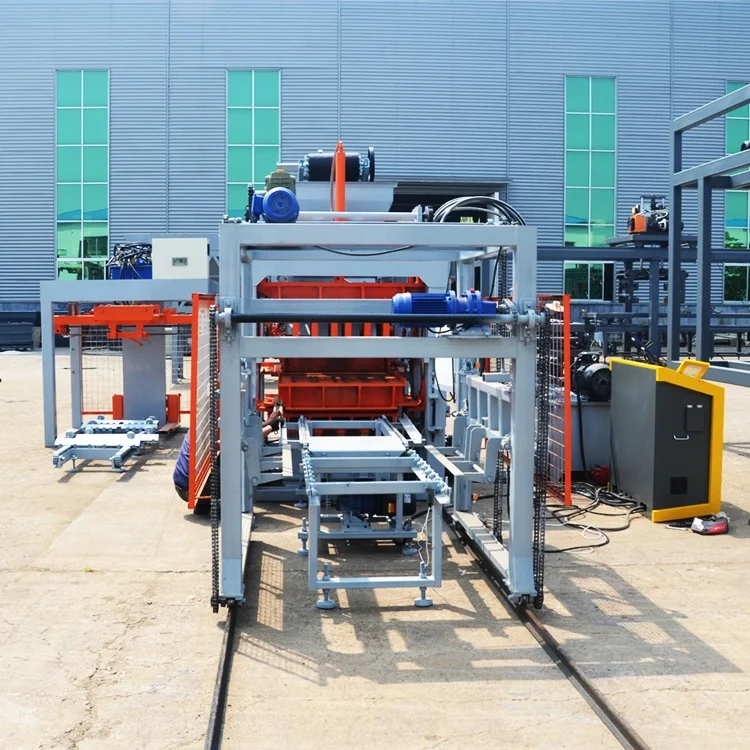


Description
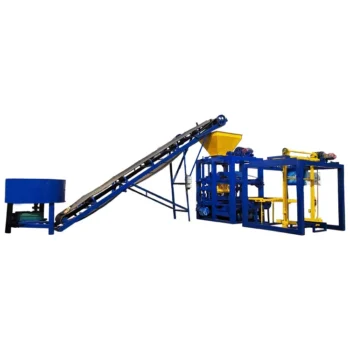
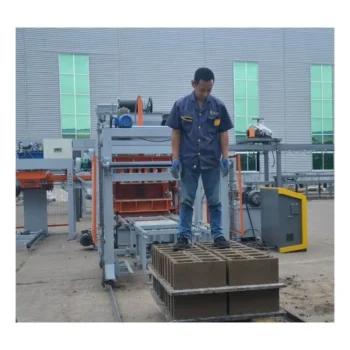
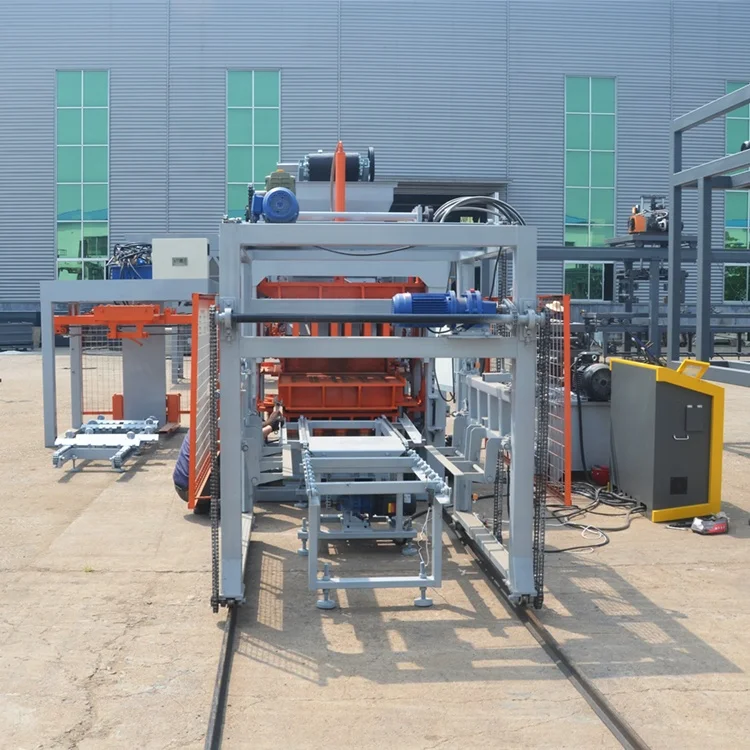
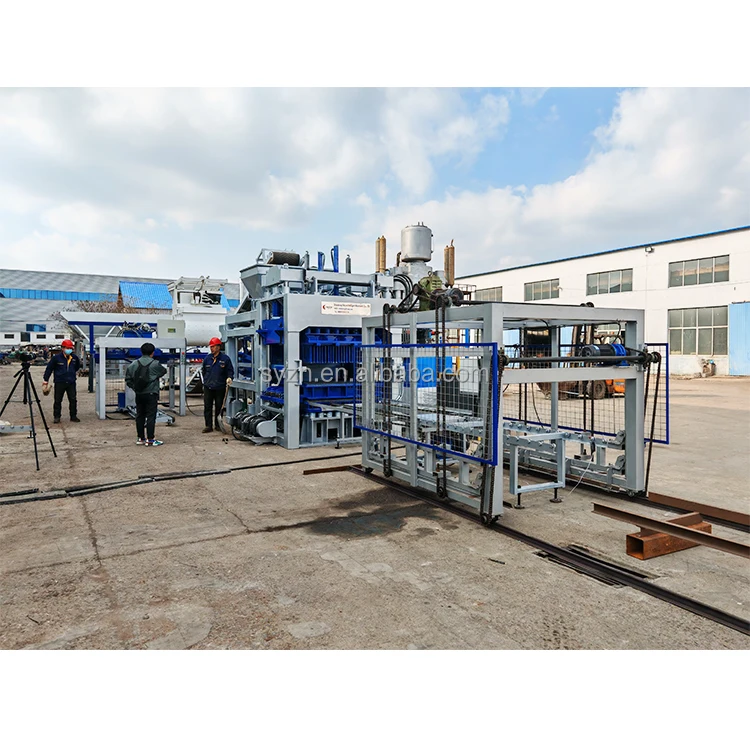
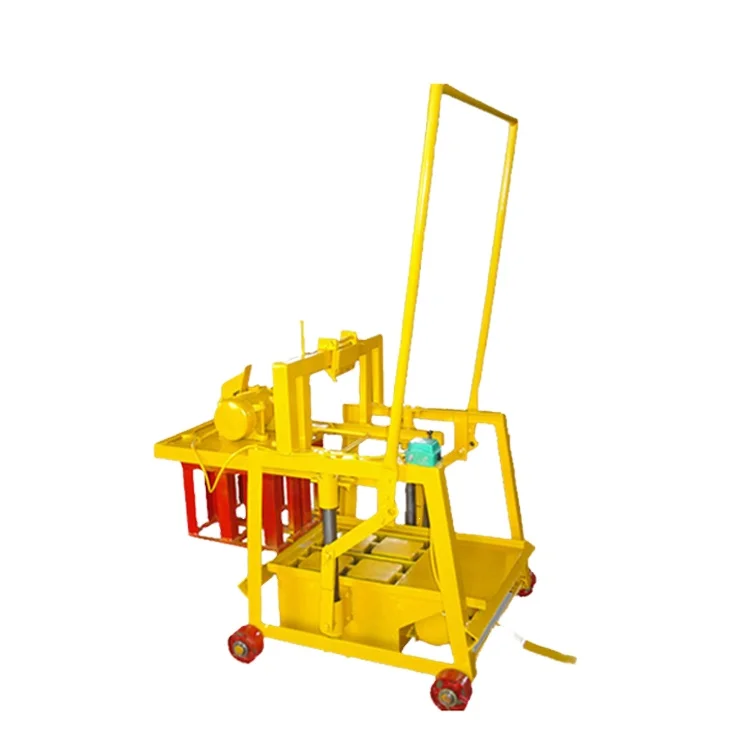
Matched System Sizing — the QT6-15 is configured around your actual block format, local aggregate and pallet handling setup rather than a catalogue default.
Technical Specifications
| Parameter | Value |
|---|---|
| Model | QT6-15 |
| Product Type | Automatic Hydraulic Concrete Block Making Machine |
| Overall Dimensions (L×W×H) | 7400×1900×2660 mm |
| Molding Cycle | 15–25 s |
| Vibration Frequency | 4600 r/min |
| Vibration Force | 40–50 kN |
| Rated Power | 31.25 kW |
| Mixer Model | JQ350 |
| Pallet Size | 850×550×25 mm |
| Net Weight | 7 T |
| Control System | PLC control system |
| Hydraulic Station | Included |
| Output — 400×200×200 mm Hollow Block | 1200–1680 pcs/h; 9600–13440 pcs/8hr (basis stated: 400×200×200 mm hollow block) |
| Output — 400×150×200 mm Hollow Block | 1800–2400 pcs/h; 14400–19200 pcs/8hr (basis stated: 400×150×200 mm hollow block) |
| Output — 240×115×53 mm Solid Brick | 3240 pcs/h; 16200–19440 pcs/8hr (basis stated: 240×115×53 mm solid brick) |
| Applied Products | Paver, solid block, hollow block, curbstone |
| Raw Materials | Crushed stones, sand, cement, dust, fly ash |
| Included Auxiliary | Pallet feeder, brick conveyor, block sweeper |
| Free Accessories | Manual hydraulic trolley, spare parts and tools |
| Voltage & Frequency | To be confirmed per target market |
| PLC Display Language | To be confirmed before commissioning |
| Mould Change Time | To be confirmed with manufacturer |
| Automation Level | Automatic with PLC-controlled pallet feeder |
| Stacking Method | To be confirmed (manual or automatic) |
Application Suitability
| Application | Material or Output |
|---|---|
| Hollow block production for wall construction | Crushed stone, sand, cement and fly ash; 400×200×200 mm and 400×150×200 mm formats |
| Solid brick production for load-bearing structures | Sand, cement, dust and local aggregate; 240×115×53 mm format |
| Paver and interlocking block production | Crushed stone and cement blends for driveway and walkway formats |
| Curbstone production for road and infrastructure projects | High-density concrete mixes shaped through dedicated curbstone moulds |
| On-site block production for housing developments | Locally sourced aggregate matched to the mix design verified before machine configuration |
What "Pieces per Hour" Leaves Out When Format Is Never Named
Capacity means nothing until the block format behind the number is written down.
I have watched buyers receive a block machine that promised strong hourly output, only to discover the figure was based on a small solid brick while their market actually sells 200 mm hollow blocks. The daily total drops, the crew works overtime and the business plan no longer adds up. Every concrete block making machine specifications sheet should tie each output figure to the exact mould it assumes, and the QT6-15 documentation does this for every listed format. [NEED_CITE: common mismatch between quoted capacity and actual block format in block machine quotations]
Per-Format Capacity Written Against the Mould That Produces It
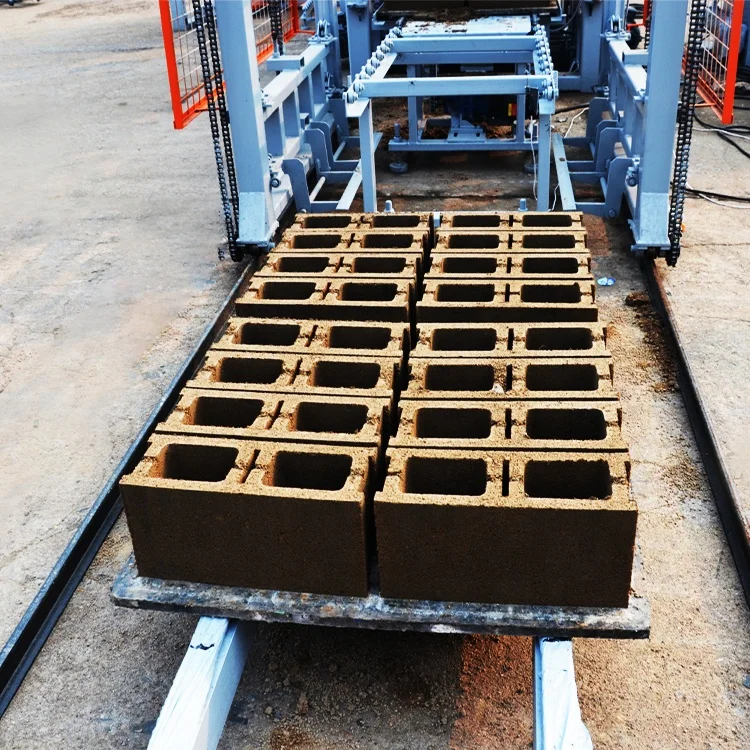
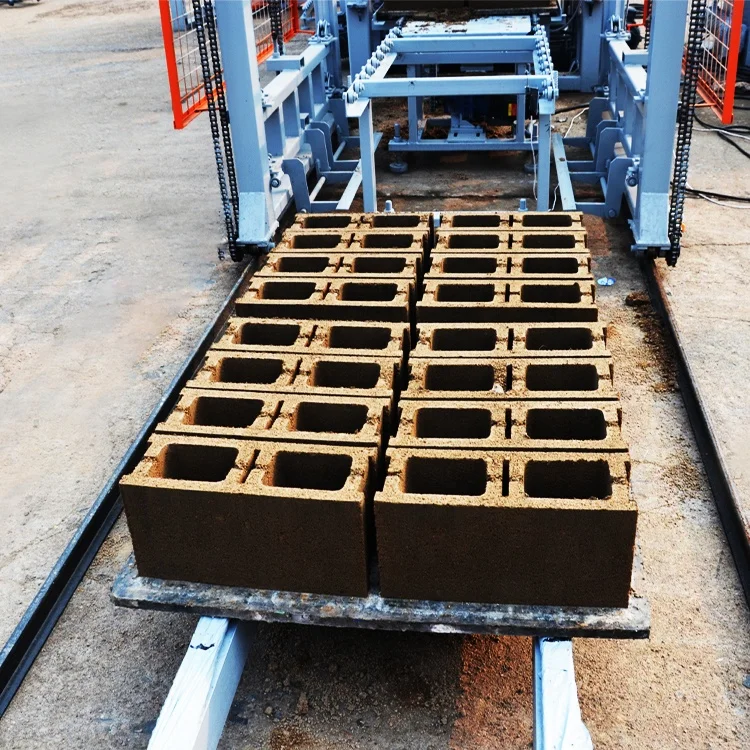
The QT6-15 concrete block making machine specifications list three reference formats with their own cycle window. The 400×200×200 mm hollow block sits at 1200–1680 pieces per hour, the 400×150×200 mm hollow block at 1800–2400 pieces per hour, and the 240×115×53 mm solid brick at 3240 pieces per hour, all inside a 15–25 second molding cycle. This is the level of detail a technical buyer needs when sizing a machine to a specific product line.
Mould Format Selection Drives the Entire Line Layout
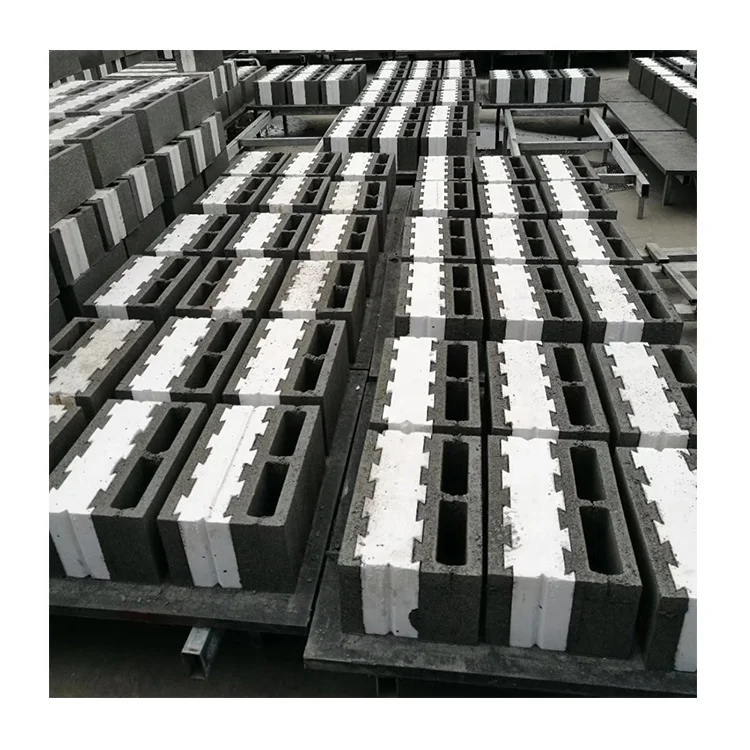
Choosing a paver, hollow block, solid brick or curbstone mould on this machine is not just about swapping steel. Each format changes the vibration profile the operator runs, the mix design the batching station delivers and the way the pallet feeder times its feed. When the format decision is made early, the rest of the line — from mixer to curing rack — can be matched instead of retrofitted later.
Vibration Force, Hydraulic Pressure and What They Mean for Block Density
The 40–50 kN vibration force working at 4600 r/min must be paired with the right hydraulic pressure to compact the mix fully before the mould lifts. If the local aggregate has high clay content — something I first learned the hard way on a Pakistan site where river sand carried heavy silt — the pressure and vibration balance needs adjustment or the block comes out weak. The QT6-15 hydraulic station is included as part of the matched system so this balance can be set during commissioning against the buyer’s actual mix. [NEED_CITE: effect of aggregate silt content on concrete block compressive strength]
Pallet Size, Curing Area and the Forklift You Already Own
The 850×550×25 mm pallet is a fixed dimension that dictates how many blocks sit on each board, how the curing racks are spaced and whether the forklift on-site can handle the loaded weight. Specifying this pallet size up front prevents the situation where a buyer receives the machine and then realises the curing yard needs to be rebuilt or a different forklift has to be sourced before production can start.
When the Wrong Configuration Reaches the Site
A machine set for a mix the buyer cannot source locally forces a material change that delays production and raises cost. Voltage and frequency left unconfirmed before shipment means the electrical panel has to be reworked after arrival, pushing commissioning back. These are not rare problems — they show up on sites where the technical conversation stopped at the quotation stage. [NEED_CITE: voltage and frequency standards by export market]
Why Buyers Source This Machine Through a Matched-System Approach
Block machinery is the single focus here, which means the QT6-15 machine, mould, pallet and handling equipment are specified as one system rather than assembled from separate suppliers. Configuration is set against the buyer’s actual mix design, local aggregate and target block format. Mould design and supply covers the formats the buyer’s market sells, including custom drawings. Automation level is selectable, so a buyer can start with the included pallet feeder and add stacking later. Installation and commissioning support comes with operator training on the PLC system.
Documentation & Verification
- Line layout and capacity calculation stating the block format assumed for each output figure
- Mould drawing and format list confirming exact block dimensions for your market
- Pallet specification matched to curing area dimensions and forklift capacity
- Voltage, frequency and PLC display language confirmation record before production
- Factory test record run on the buyer’s target block format before dispatch
- Hydraulic and electrical schematic with wear parts and mould list included
Installation, Commissioning & Support
- Foundation must support 7 T machine weight across the 7400×1900 mm footprint with level tolerance
- Power supply must match confirmed voltage and frequency for the 31.25 kW rated load
- Machine arrives with hydraulic station pre-assembled; pallet feeder and conveyor connected on site
- PLC display language confirmed before shipment so operators can read parameters from day one
- Mould change procedure trained on-site covering every format the buyer will produce
- Wear parts and mould list handed over with recommended replacement intervals
What We Need Before Quoting
Share the exact block format and dimensions your market sells, along with the daily output target for each. Confirm the local aggregate type and whether a mix design has already been tested. Provide the site voltage, frequency and the PLC display language your operators will read so the QT6-15 concrete block making machine specifications can be locked before production begins.
Frequently Asked Questions
Q: How is the QT6-15 output capacity verified per block format?
A: Each capacity figure is tied to a named format — 400×200×200 mm hollow block, 400×150×200 mm hollow block or 240×115×53 mm solid brick — with a 15–25 second molding cycle. The factory test record confirms output on the buyer’s chosen format before the machine ships, so there is no gap between quoted and real daily totals.
Q: Which mould formats are available for this machine?
A: Moulds cover hollow block, solid brick, paver and curbstone formats. Custom mould design is available to buyer drawings. Mould change time is confirmed during the specification stage so the buyer knows exactly how much of a shift a format swap will take on their production floor.
Q: Is the 850×550×25 mm pallet compatible with my curing setup?
A: The pallet dimension is fixed and must align with the buyer’s existing curing rack spacing and forklift capacity. This is checked during the specification stage so the curing area and handling equipment are matched before the machine arrives, not reworked after delivery.
Q: How is the machine configured for local aggregate?
A: The vibration force and hydraulic pressure balance is set against the buyer’s actual mix design and local aggregate — whether crushed stone, river sand or fly ash blends. I always ask for an aggregate sample or test report before configuration, because silt or clay content shifts the compaction settings needed for consistent block strength.