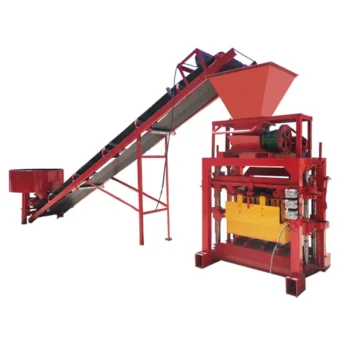

Description
Per-format capacity matching — Every QT5-15 block machine specification sheet ties cycle time and hourly output to a specific block format, avoiding the common trap of quoting a single peak number that collapses when production shifts to pavers or solid bricks.
Technical Specifications
| Parameter | Value |
|---|---|
| Model | QT5-15 |
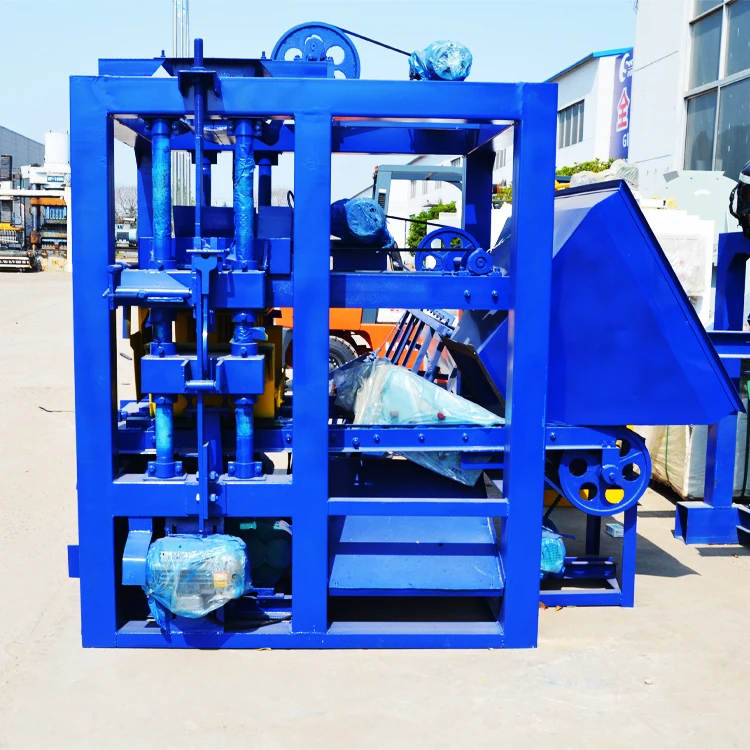
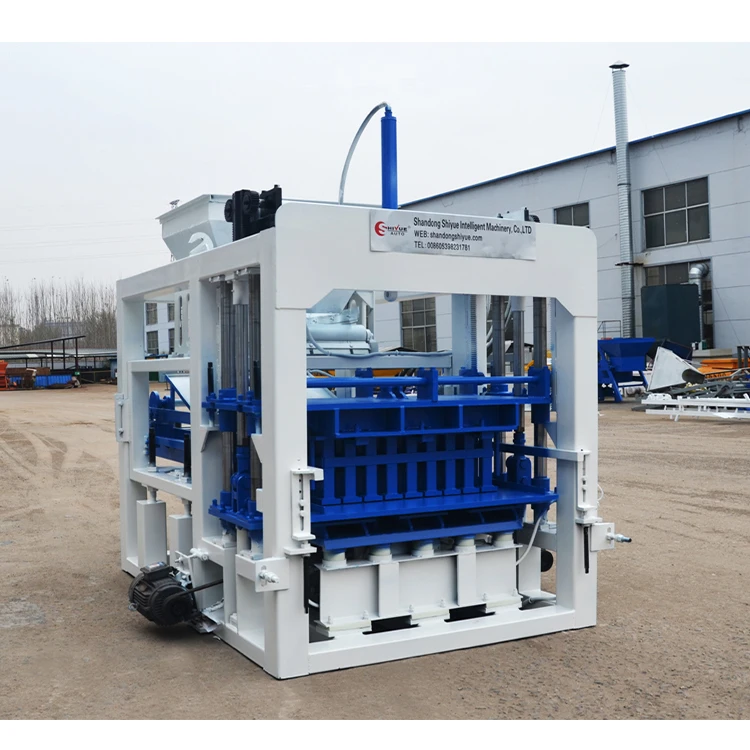
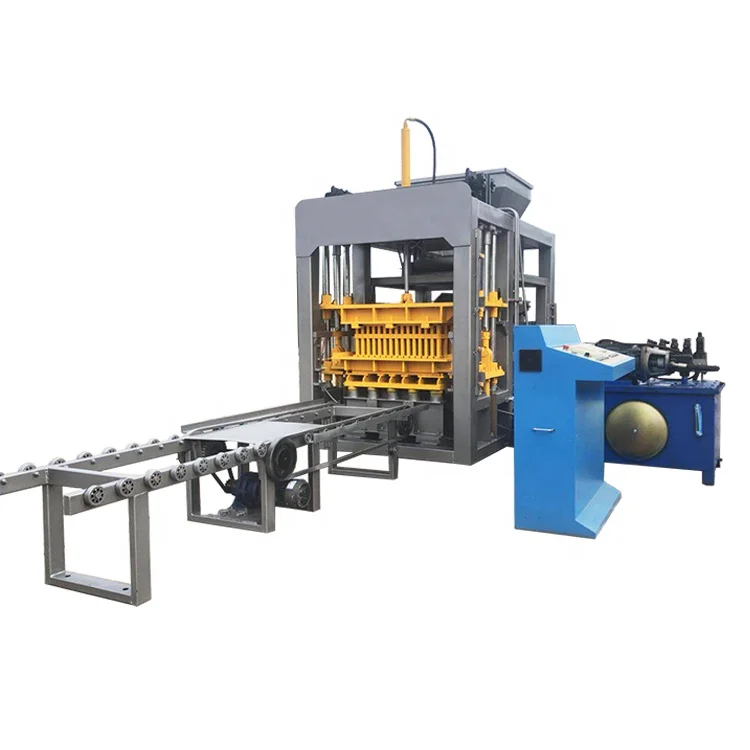
| Product Type | Automatic Cement Block Making Machine |
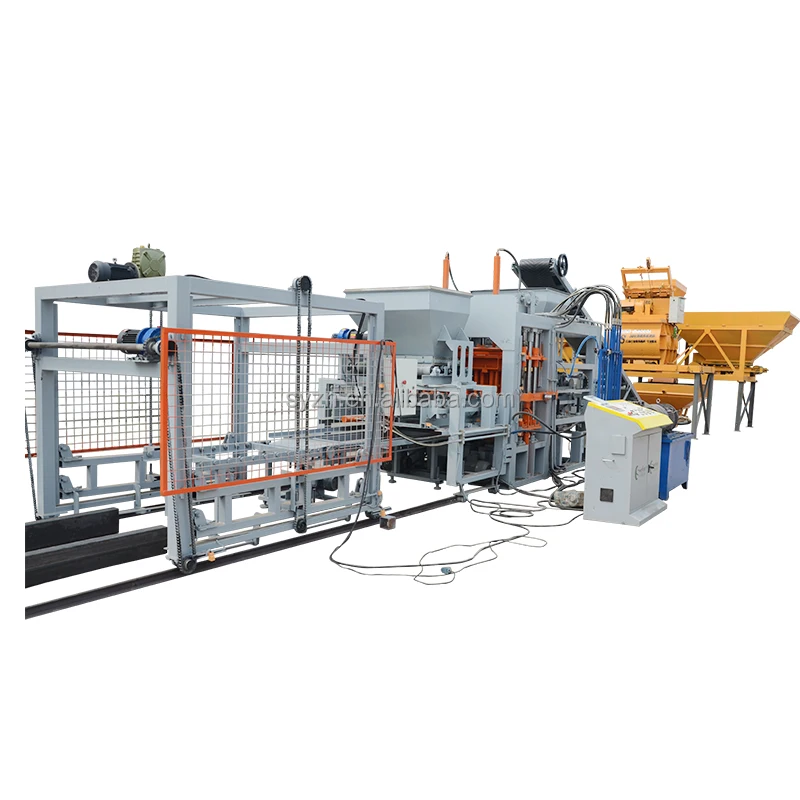
| Overall Dimensions (L×W×H) | 7400×1950×2800 mm |
| Total Mass | 5000 kg |
| Vibration Form | Platform Vibration |
| Vibration Frequency | 0-60 Hz (variable) |
| Vibration Force | 80 kN |
| Moulding Mode | Automatic loading with vibration moulding |
| Demolding Method | Hydraulic |
| Pallet Size | 1100×550 mm |
| Molding Cycle | 15-20 s (basis not stated in source — confirm block format / material / thickness) |
| Overall Power | 32 kW |
| Control System | PLC with touch screen interface |
| Hydraulic System | Independent integrated hydraulic station |
| Raw Material Compatibility | Fly ash (up to 70%), slag, gangue, sand, crushed stone, cement, water |
| Block Compressive Strength | >15 MPa |
| Factory Area Required | 1000 m² |
| Automation Level | Automatic (pallet feeding, material feeding, vibrating, demoulding) |
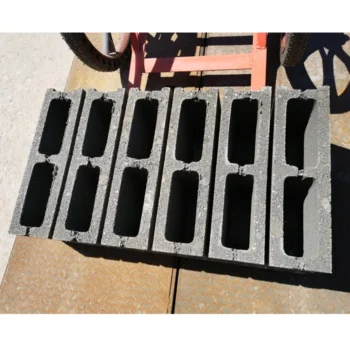
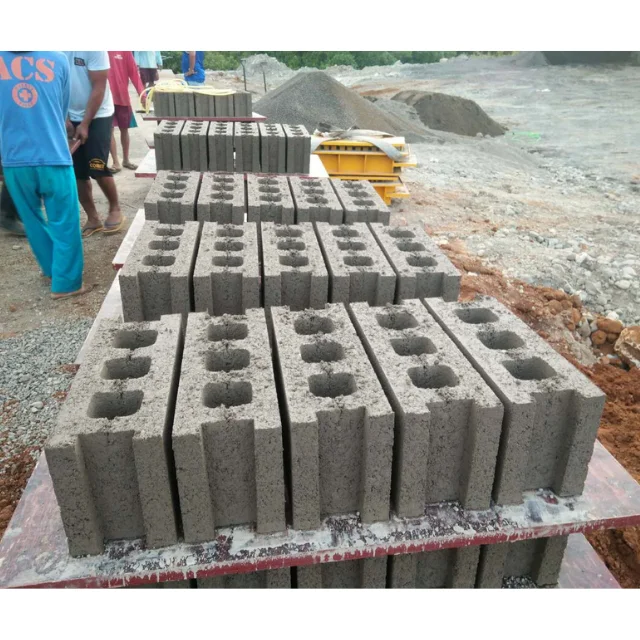
| Output Capacity — Hollow Block 400×200×200 mm | 900-1200 pcs/h (5 pcs/mould, 15-20 s cycle) |
| Output Capacity — Hollow Block 400×150×200 mm | 1080-1440 pcs/h (6 pcs/mould, 15-20 s cycle) |
| Output Capacity — Solid Brick 240×115×53 mm | 5760-7680 pcs/h (32 pcs/mould, 15-20 s cycle) |
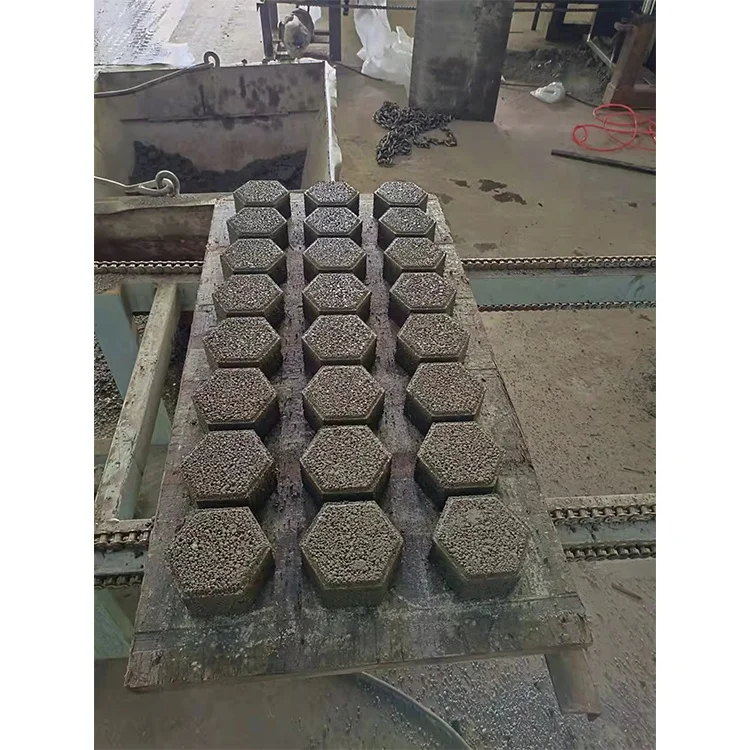
| Output Capacity — Rectangular Paver 200×100×60 mm | 3600-4500 pcs/h (25 pcs/mould, 20-25 s cycle) |
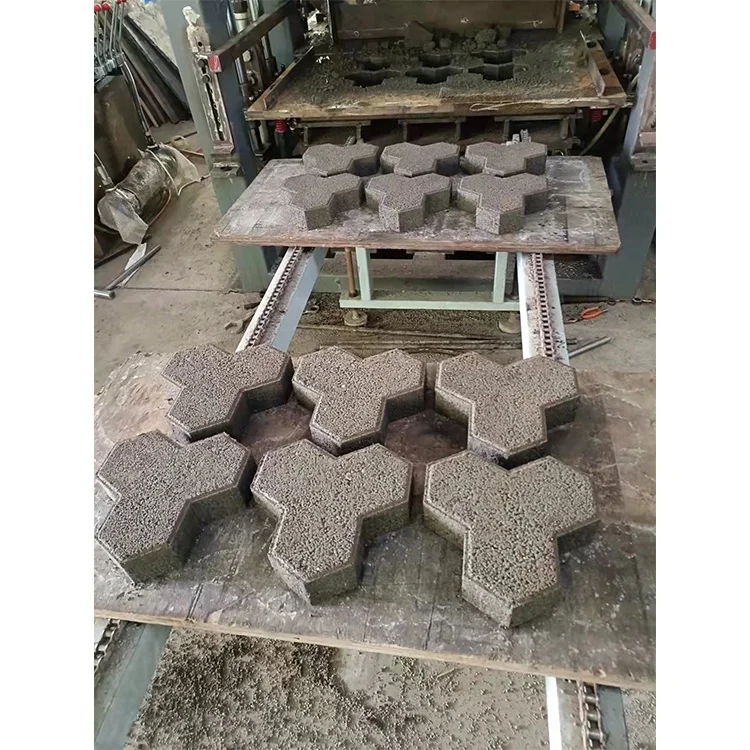
| Output Capacity — Zigzag Paver 225×112.5×60 mm | 2304-2880 pcs/h (16 pcs/mould, 20-25 s cycle) |
| Voltage & Frequency | Configurable to target market (confirm before order) |
| PLC Display Language | Configurable (confirm before order) |
| Warranty | 1 year for whole machine (excluding spare parts) |
Application Suitability
| Application | Material or Output |
|---|---|
| Hollow block production for wall construction | Crushed stone, sand, cement, fly ash blends; 400×200×200 mm and 400×150×200 mm formats |
| Solid brick manufacturing | Dense aggregate mixes; 240×115×53 mm standard format |
| Rectangular paving block production | High-strength concrete mixes; 200×100×60 mm format for driveways and walkways |
| Interlocking zigzag paver production | Colored or standard concrete; 225×112.5×60 mm format for roads and plazas |
| On-site block production for contractors | Local river sand, quarry dust, or crushed stone with cement binder |
| Expanded product range for existing plants | Switching between hollow blocks, pavers, and solid bricks via mould changes |
What "1200 Pieces per Hour" Actually Means for Your Block Format
Capacity is only meaningful when tied to the exact block size, mould cavity count, and cycle time you intend to run.
The QT5-15 block machine specifications list 900 to 1200 pieces per hour, but that figure assumes a 400×200×200 mm hollow block on a five-cavity mould with a 15 to 20 second cycle. Switch the mould to a rectangular paver and the same press produces 3600 to 4500 pieces per hour from a 25-cavity mould running a 20 to 25 second cycle. The machine does not change — the format does, and the output follows [NEED_CITE: block format impact on daily production output]. Buyers who evaluate a press on a single headline number often find daily tonnage drops sharply when they shift to the product their market actually orders.
Matching the Press to the Block Your Market Buys
The QT5-15 sits in the mid-range automatic tier, built around a 1100×550 mm pallet that accommodates everything from large hollow blocks to dense paving units. Because platform vibration delivers force across the full mould area rather than through individual cores, the press handles both lightweight hollow formats and high-density pavers without a fundamental hardware change. The variable 0-60 Hz frequency range lets the operator tune vibration to the specific aggregate grading and moisture content in the mix.
Mould Changeover and Format Flexibility on the Floor
Quick-replacement mould mounting is specified for the QT5-15, allowing a shift from hollow block to paver production without a full-day teardown [NEED_CITE: mould changeover procedures for hydraulic block presses]. The hydraulic demolding system lifts the product from the mould box rather than pushing it through, which reduces edge chipping on interlocking paver profiles. When a buyer’s market demands three or four different formats across a single week, the practical cycle time of a mould swap determines whether that flexibility is real or only theoretical.
Reading the Specs That Shape Daily Output
The 80 kN vibration force working against the hydraulic clamp pressure is the pair that determines green block density. If vibration is too low for a stiff paver mix, the block leaves the mould with voids and fails compressive testing. If hydraulic pressure is set too high for a lightweight hollow block, the core pins deflect and wall thickness drifts outside tolerance. The independent integrated hydraulic station sits apart from the main vibration zone, keeping hydraulic oil cleaner and valve response consistent over long shifts. With an overall power draw of 32 kW, the QT5-15 block machine specifications place it within reach of standard industrial supply without requiring a dedicated substation.
The Cost of Skipping Mix-Format Alignment
When a press arrives configured for a standard silica sand mix but the buyer’s local aggregate is river sand heavy with clay fines, the mould sticks, bricks crack on release, and actual daily output can fall well below the quoted capacity. This is not a machine defect — it is a specification gap. The vibration frequency, hydraulic pressure, and cycle time were all set against a reference material that does not exist at the buyer’s site [NEED_CITE: impact of local aggregate properties on block machine performance]. Rectifying the mismatch after commissioning means new test runs, adjusted PLC parameters, and sometimes a replacement mould, all of which consume production time that was already committed to customer orders.
Why Buyers Source This Format-Matched Approach Here
Every QT5-15 quotation specifies capacity per block format, so the buyer sees the 900-1200 pcs/h hollow block figure alongside the 3600-4500 pcs/h paver figure before signing. Mould design extends beyond standard catalogue shapes — custom mould drawings from the buyer’s market are accommodated. The pallet size of 1100×550 mm is confirmed against the buyer’s existing curing racks and forklift capacity before production begins. Voltage, frequency, and PLC display language are locked in at the order stage, not discovered at uncrating. Raw material compatibility is checked against the buyer’s actual fly ash source, local sand type, and aggregate grading, not assumed from a generic datasheet.
Documentation & Verification
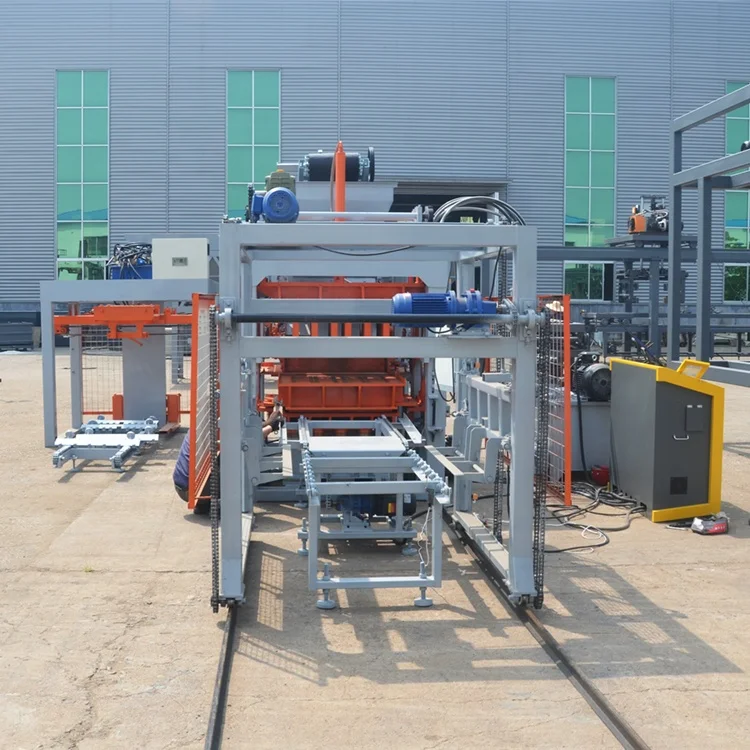
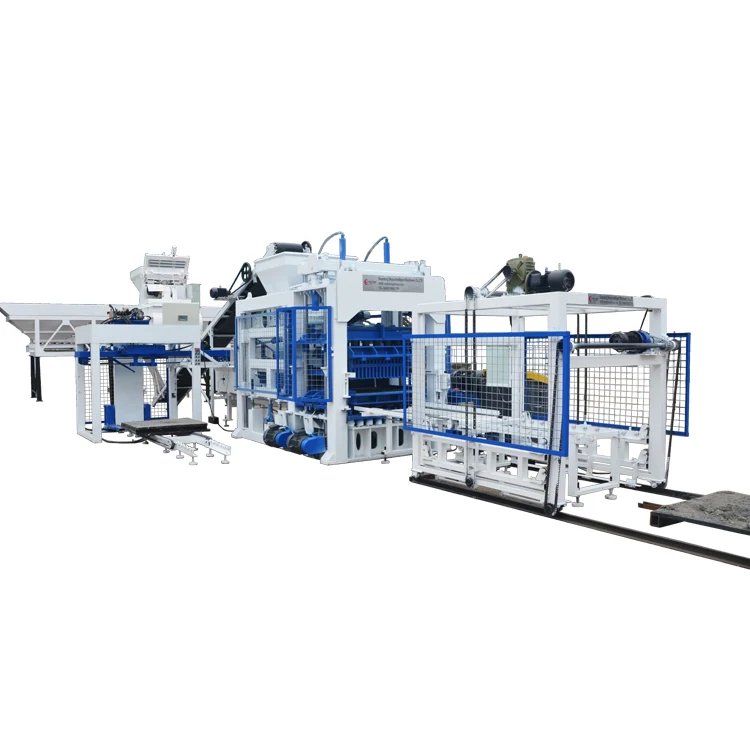
- Line layout showing pallet flow from feeder through press to curing rack
- Capacity calculation sheet stating block format assumed for each output figure
- Mould drawing with cavity count per format and dimensional tolerances
- Pallet specification matched to buyer’s curing area and forklift setup
- Voltage, frequency, and PLC language confirmation record before production
- Factory test record run on buyer’s specified block format and cycle time
Installation, Commissioning & Support
- 7400×1950 mm footprint requires level slab within the 1000 m² factory area allocation
- 32 kW total power draw needs dedicated circuit with confirmed voltage and frequency
- Machine arrives with hydraulic station pre-filled; oil level checked before first cycle
- PLC touch screen parameters loaded with buyer’s confirmed language at commissioning
- Operator training covers mould change procedure and hydraulic pressure adjustment per format
- Wear parts list identifies hydraulic seals and vibration springs with replacement intervals
What We Need to Size Your QT5-15 Correctly
To match the press, mould, and pallet to your actual production, we need the block formats your market orders most, the daily volume target per format, and your local aggregate type and source. Share your site voltage and frequency, the PLC display language your operators require, and the dimensions of your existing curing area so pallet and rack compatibility can be confirmed before the machine enters production.
Frequently Asked Questions
Q: How is QT5-15 capacity verified for each block format I plan to produce?
A: Each capacity figure in the QT5-15 block machine specifications is tied to a specific block size, mould cavity count, and cycle time range. Before shipment, a factory test record is run on the buyer’s chosen format to confirm cycle consistency and green block density match the quoted output range.
Q: What mould formats are available, and how practical is the changeover on the shop floor?
A: Standard moulds cover hollow blocks, solid bricks, rectangular pavers, and zigzag interlocking pavers. Custom mould design to buyer drawings is available. The hydraulic demolding system and quick-replacement mounting reduce changeover time so that multi-format weekly schedules remain practical.
Q: Can the QT5-15 be configured for my local aggregate if it differs from standard sand?
A: Yes. Vibration frequency, hydraulic pressure, and cycle time are adjusted against the buyer’s actual mix design and local aggregate grading. If the local material contains clay or unusual fines, test runs are conducted before the machine parameters are finalized.
Q: What electrical and control details are confirmed before the machine ships?
A: Voltage, frequency, and PLC touch screen display language are confirmed at the order stage and documented in a written verification record. This prevents commissioning delays caused by mismatched electrical supply or an unreadable control interface on arrival.
Q: What does the warranty cover, and are wear parts available for first replacements?
A: The one-year warranty covers the whole machine excluding consumable spare parts. A wear parts list identifying hydraulic seals, vibration springs, and mould wear components is supplied with the machine so replacements can be ordered before the first scheduled changeover.