

Description
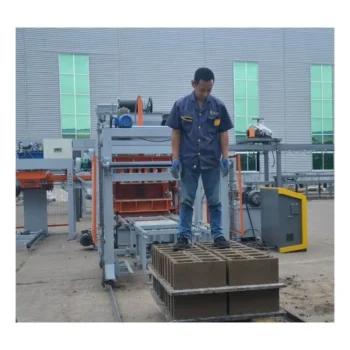
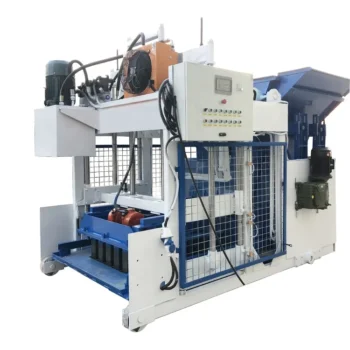
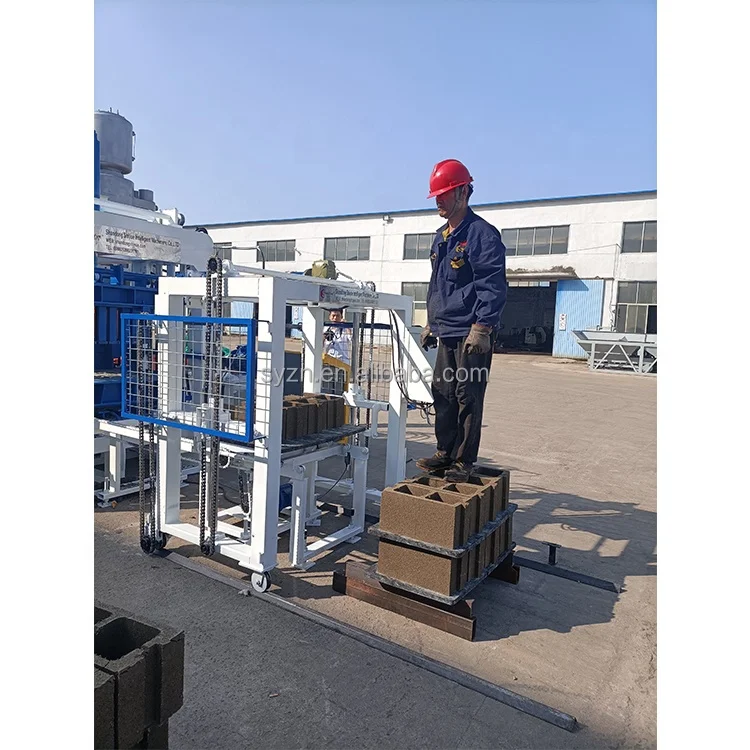
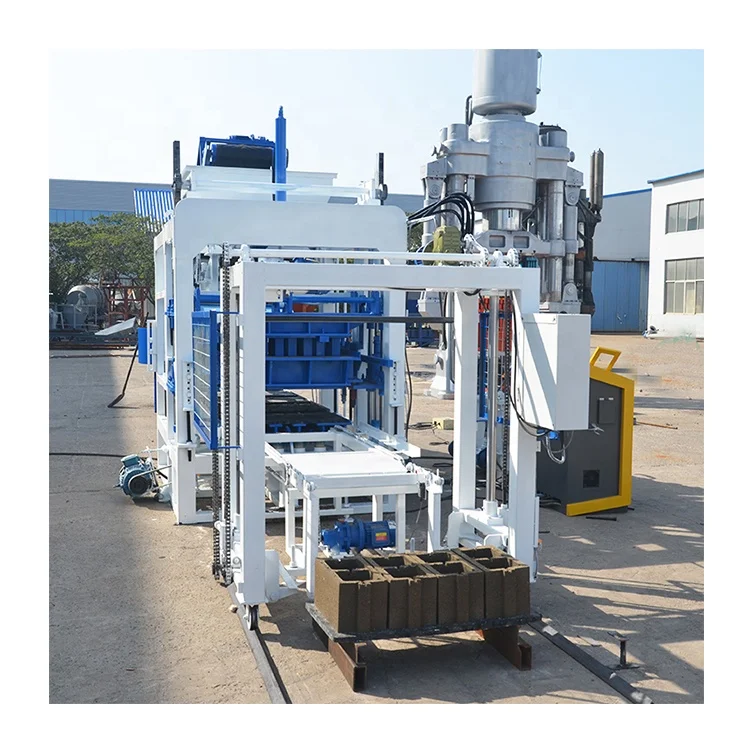
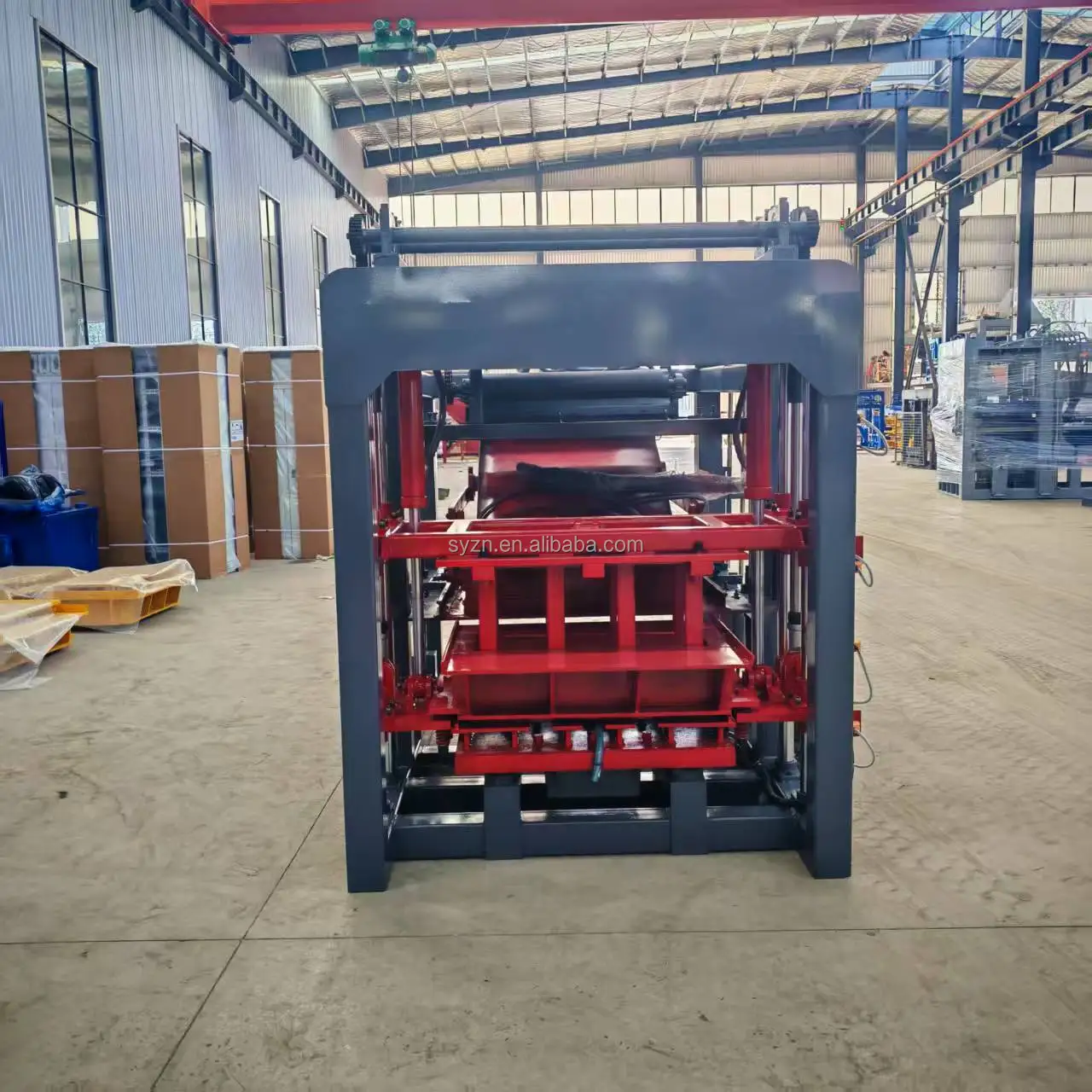
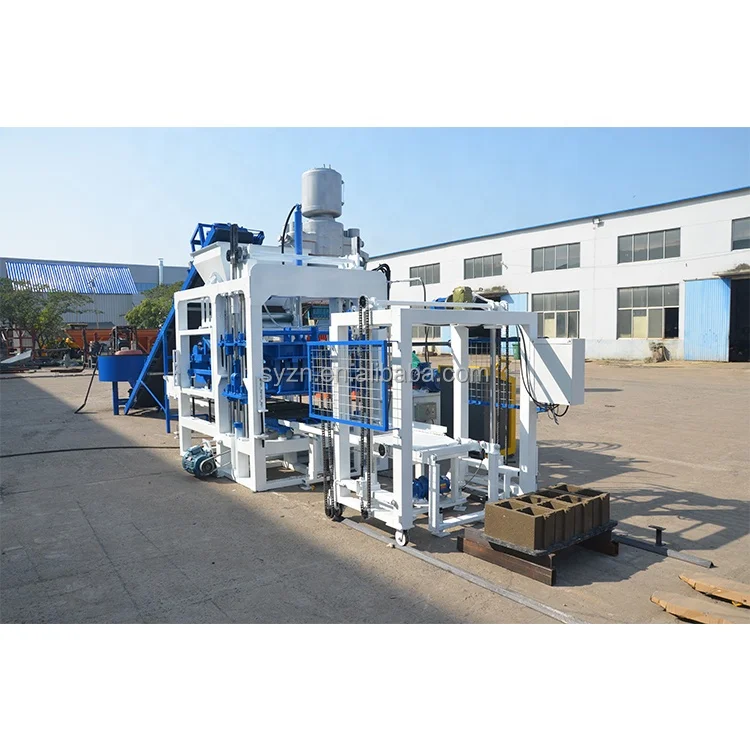
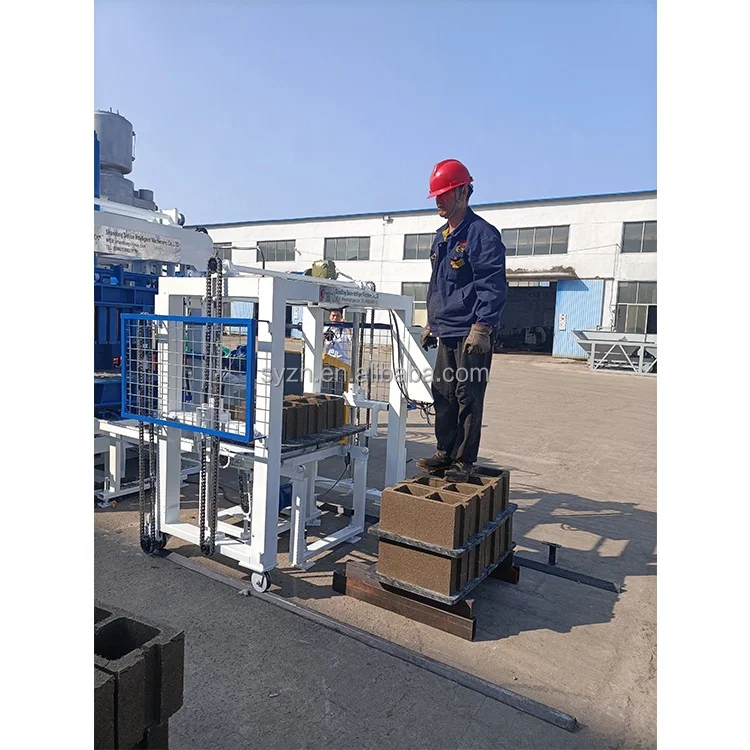
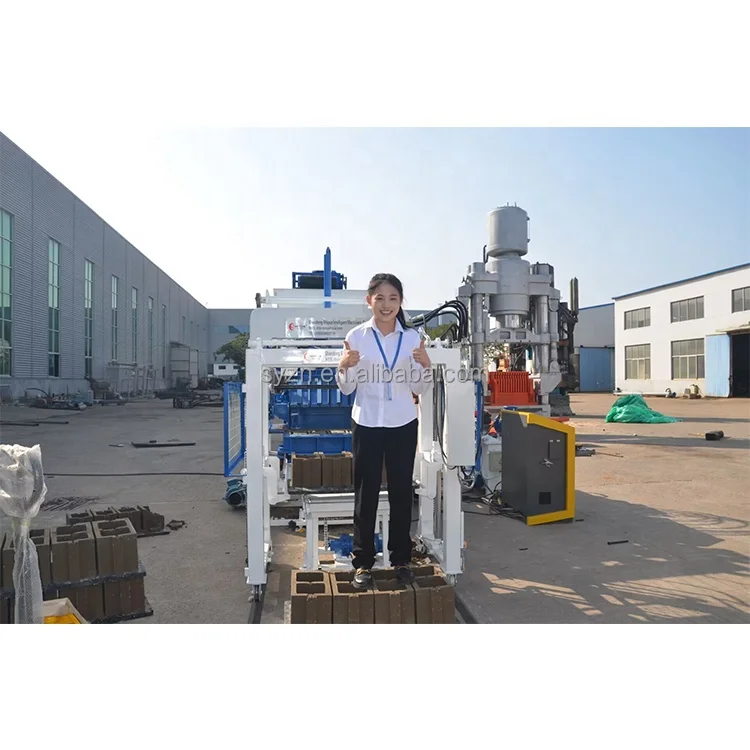
Matched System Design — the QT4-18 block machine, moulds, pallets and handling are specified together so cycle times align with your actual target format rather than a generic catalogue peak.
Technical Specifications
| Parameter | Value |
|---|---|
| Model | QT4-18 |
| Product Type | Automatic Hydraulic Concrete Block Making Machine |
| Overall Dimensions (L×W×H) | 3900×1600×2300 mm |
| Molding Cycle | 15–25 s |
| Vibration Force | 40–50 kN |
| Total Power | 24 kW |
| Mixer Model | JQ350 |
| Pallet Size | 850×550×25 mm |
| Total Weight | 3 T |
| Control System | PLC control system |
| Hydraulic Station | Included |
| Included Auxiliary Equipment | Pallet feeder, brick conveyor, block sweeper |
| Free Accessories | Manual hydraulic trolley, spare parts, tools |
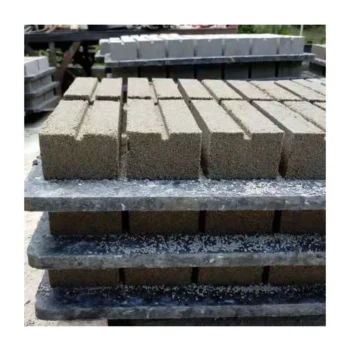
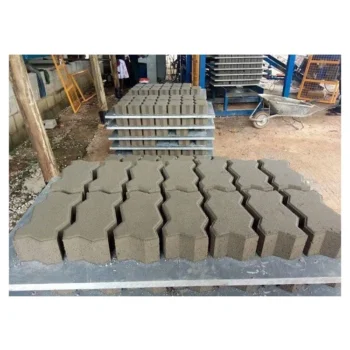
| Applied Products | Paver, solid block, hollow block, curbstone |
| Raw Materials | Crushed stones, sand, cement, dust, fly ash |
| Output Capacity (Hollow Block 400×200×200 mm) | 1200–1680 pcs/hr (basis: 15–20 s cycle) |
| Output Capacity (Hollow Block 400×150×200 mm) | 1800–2400 pcs/hr (basis: 15–20 s cycle) |
| Output Capacity (Solid Brick 240×115×53 mm) | 3240 pcs/hr (basis: 15–20 s cycle) |
| Daily Output (8 hr, Hollow Block 400×200×200 mm) | 9600–13440 pcs |
| Daily Output (8 hr, Hollow Block 400×150×200 mm) | 14400–19200 pcs |
| Daily Output (8 hr, Solid Brick 240×115×53 mm) | 16200–19440 pcs |
| Voltage & Frequency | To be confirmed before ordering |
| Hydraulic Pressure | To be confirmed with manufacturer |
| Mould Change Time | To be confirmed with manufacturer |
Application Suitability
| Application | Material or Output |
|---|---|
| Hollow block production for housing projects | Crushed stone, sand, cement, fly ash blends |
| Solid brick manufacturing for masonry walls | Sand and cement mixes with industrial dust |
| Paving block production for walkways and yards | Crushed stone aggregate with cement binder |
| Curbstone forming for road and infrastructure works | Coarse aggregate and cement combinations |
| On-site block production for development contractors | Locally sourced aggregate and fly ash |
What "1200 Pieces per Hour" Leaves Out About QT4-18 Block Machine Specifications
Cycle time means nothing unless it is tied to the exact block format you plan to sell.
Too many quotations state a single peak output number without revealing which block size, which mould, and which cycle length produced that figure. I once reviewed a proposal where the stated hourly capacity assumed a small solid brick, yet the buyer intended to run 200 mm hollow blocks all day. The real output was less than half of what the paperwork suggested. With the QT4-18, every capacity figure in the table above is linked to a specific format and a 15–20 second cycle basis, so your daily planning starts from a realistic number rather than a best-case laboratory run [NEED_CITE: common discrepancies between quoted and actual block output in supplier proposals].
Format-by-Format Capacity Breakdown
The QT4-18 block machine specifications list three reference formats with distinct output ranges. For 400×200×200 mm hollow blocks, the machine produces 1200–1680 pieces per hour based on a 15–20 second cycle, translating to 9600–13440 pieces across an eight-hour shift. Switching to the narrower 400×150×200 mm hollow block increases hourly throughput to 1800–2400 pieces under the same cycle assumption. Solid brick at 240×115×53 mm reaches 3240 pieces per hour. Each number is valid only with the stated cycle window and mould setup.
Mould Versatility Across Block Types
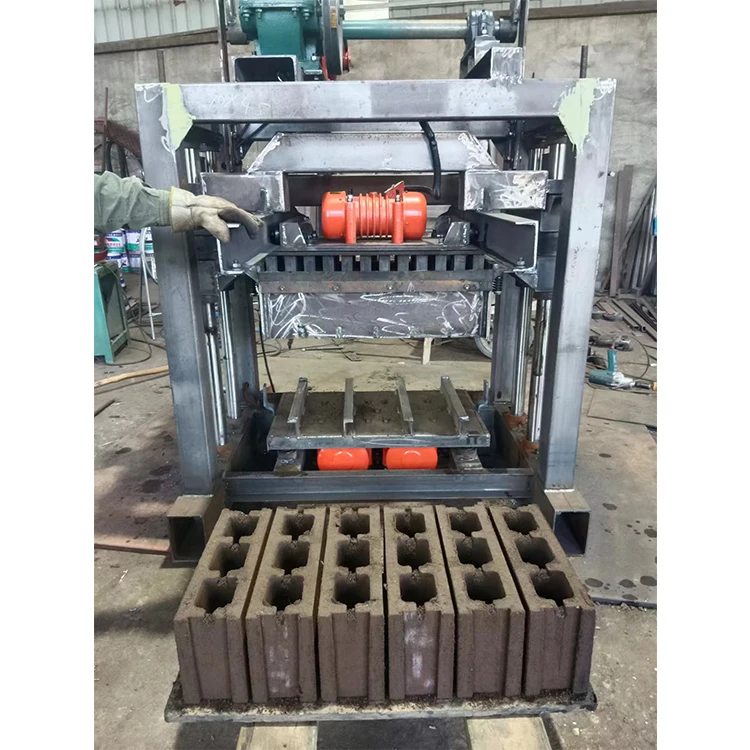
This machine handles pavers, solid blocks, hollow blocks, and curbstones on a single press frame. The hydraulic station and 40–50 kN vibration force are set to compact different mould geometries without requiring a separate machine for each format. Buyers who need to serve multiple product lines from one plant can order the mould formats that match their local market demand. Mould change procedure and time should be confirmed before purchase so you know the actual format-switching cost in labour and downtime [NEED_CITE: mould change best practices for multi-format block plants].
Reading the Core Parameters
Vibration force and hydraulic pressure work together to determine block density and strength. The QT4-18 delivers 40–50 kN of vibration, which must be matched to the buyer’s specific mix design — fly ash blends behave differently under vibration than pure crushed stone mixes. The 850×550×25 mm pallet size dictates how many blocks are formed per cycle and must align with the curing rack spacing and forklift capacity already in your yard. The 24 kW total power rating covers the press, mixer (JQ350), pallet feeder, and conveyor together, so your electrical supply must accommodate this draw continuously. PLC control governs cycle timing, pallet indexing, and material feed, keeping batch-to-batch consistency tighter than manual operation.
The Hidden Cost of Skipping Format-Level Detail
When a buyer orders a block machine based on a single headline capacity number, the first production week usually reveals the gap. Workers stand idle while the press cycles slower than expected on the actual block size. Pallets pile up faster than the curing area can absorb them because the pallet size was never checked against existing rack dimensions. Voltage arrives wrong for the local grid and commissioning stalls for weeks while transformers are sourced [NEED_CITE: electrical mismatch delays in exported machinery installations]. These are not machine defects — they are specification oversights that turn a productive investment into a stalled project.
Why Source This Configuration Here
Block machinery is our single focus, so the QT4-18 is never quoted as a standalone press — the mould, pallet, feeder, conveyor, and sweeper are specified as one matched line. We set the configuration against your actual mix design and local aggregate rather than a default catalogue recipe, which means the vibration force and cycle time are adjusted before the machine leaves the factory. Mould design covers the formats your market actually sells, including custom drawings when standard sizes do not match local building codes. Automation level is selectable, allowing a buyer to start with the included pallet feeder and conveyor now and add stacking automation later. Factory testing runs your target block format before dispatch, not just an idle cycle check.
Documentation & Verification
- Line layout drawing with capacity calculated per stated block format and cycle time
- Mould drawing and format list confirming every block size included in the quotation
- Pallet specification sheet showing 850×550×25 mm dimensions and material grade
- Hydraulic and electrical schematic with confirmed voltage, frequency, and PLC language
- Factory test record running your target block format before shipment
- Operation and maintenance manual with wear parts and mould replacement list
Installation, Commissioning & Support
- Foundation pad must support 3 T machine weight across 3900×1600 mm footprint with level tolerance
- Electrical supply must deliver 24 kW continuous draw at confirmed voltage and frequency
- Machine ships with hydraulic station and PLC panel pre-mounted, requiring utility connections on arrival
- Commissioning includes first-run parameter tuning for your specific mix design and aggregate
- Operator training covers PLC interface, mould change procedure, and daily maintenance intervals
- Wear parts list and spare tools ship with the machine for immediate production readiness
What to Prepare Before Requesting a Quotation
Tell us the exact block formats your market sells, including dimensions and target daily volume. Share your local raw material sources — whether you plan to use crushed stone, river sand, fly ash, or a blend — so we can match the vibration and pressure settings before production. Confirm your site voltage, frequency, and preferred PLC display language to avoid commissioning delays after delivery.
Frequently Asked Questions
Q: How is capacity verified for each block format, and what cycle time is assumed?
A: Every output figure for the QT4-18 is stated against a specific block dimension and a 15–20 second molding cycle. The factory test before shipment runs your chosen format to confirm the cycle holds with your mix. If your aggregate requires a longer cycle, the capacity figure is recalculated so your daily plan reflects actual conditions.
Q: Which mould formats are included, and what is the mould change procedure?
A: The QT4-18 supports hollow block, solid brick, paver, and curbstone moulds on one press. The quotation specifies which formats are included along with drawings for each. Mould change time depends on the mould clamping system selected — confirm this detail during the proposal stage so you can plan format switches within your shift schedule.
Q: How should the 850×550 mm pallet size be matched to my curing area?
A: The 850×550×25 mm pallet must fit your existing curing racks and forklift tines. Before ordering, share your rack spacing and forklift capacity. If your curing yard uses a different pallet dimension, the machine configuration can be reviewed to align pallet size with your handling infrastructure.
Q: Can the mix design be adjusted to my local aggregate?
A: Yes. The vibration force and hydraulic pressure are configured based on the buyer’s actual raw materials. Whether you use fly ash, crushed stone, river sand, or industrial dust, the settings are adjusted so block strength meets your market requirement. I have seen output strength drop sharply when machines were preset for a generic mix — we avoid that by confirming your aggregate first.
Q: What voltage, frequency, and PLC language options are available?
A: Voltage and frequency are confirmed during the proposal stage to match your local grid. The PLC display language is set to your operator’s preference before the control panel is programmed. Confirming these details before production prevents the most common cause of commissioning delays on exported block machines [NEED_CITE: voltage and frequency standards by export market].