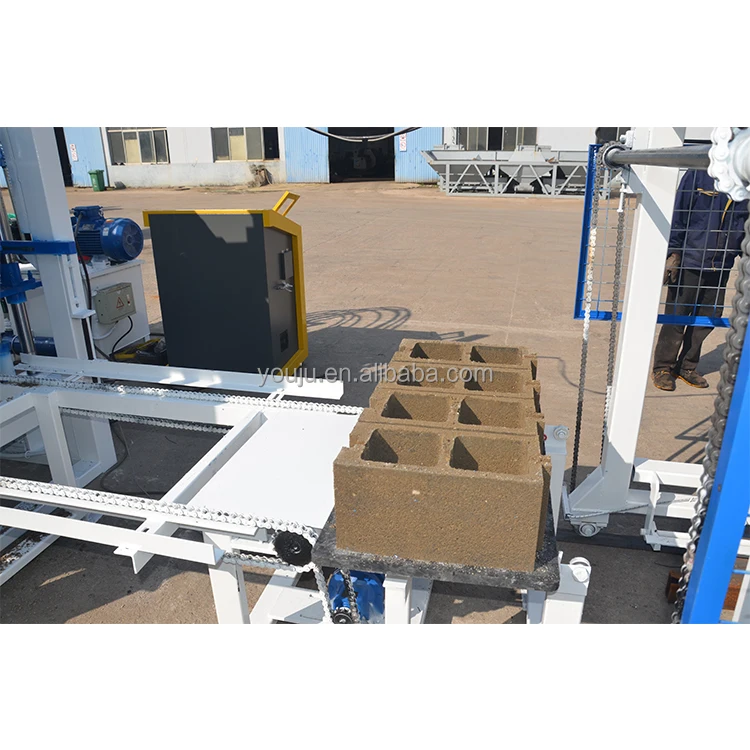
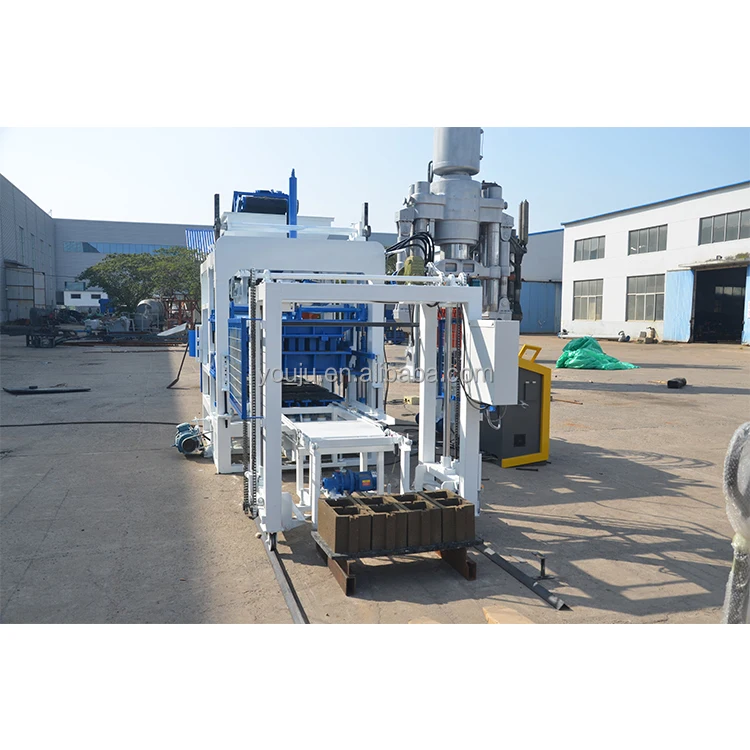
Description
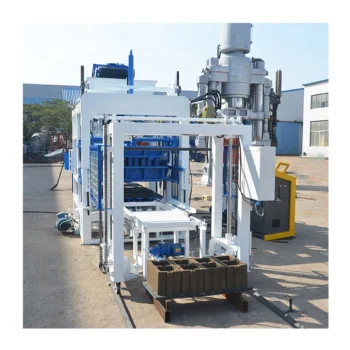
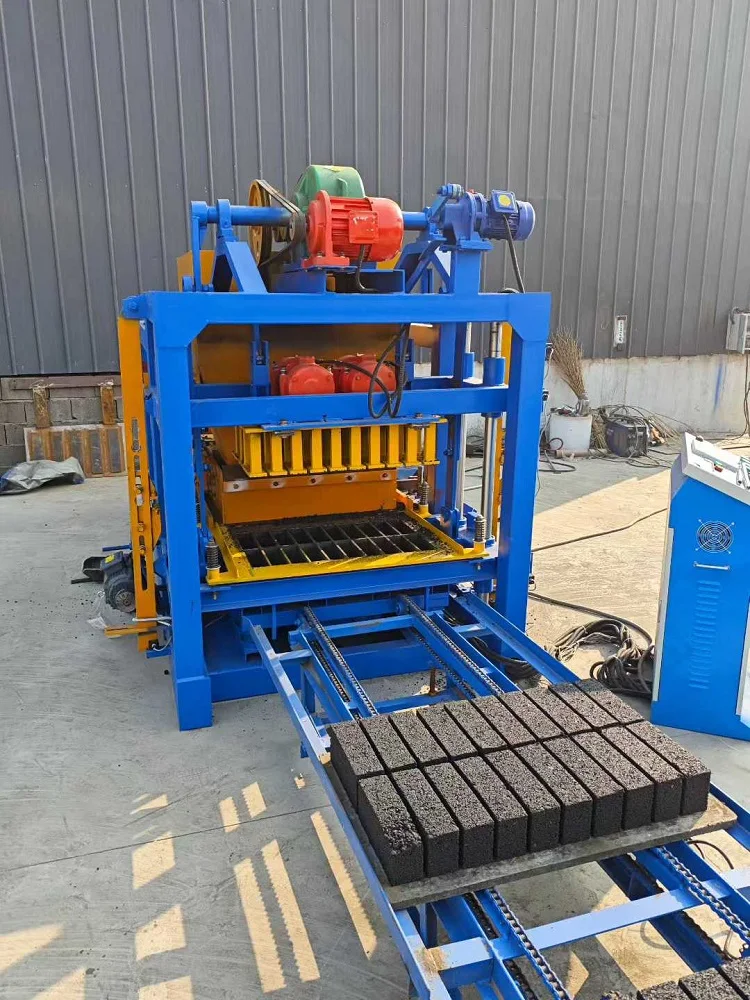
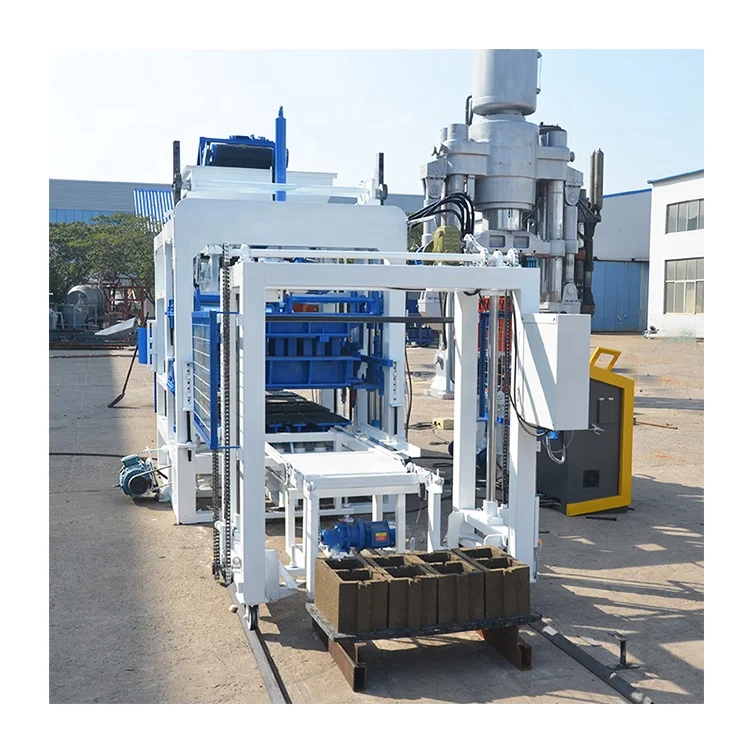
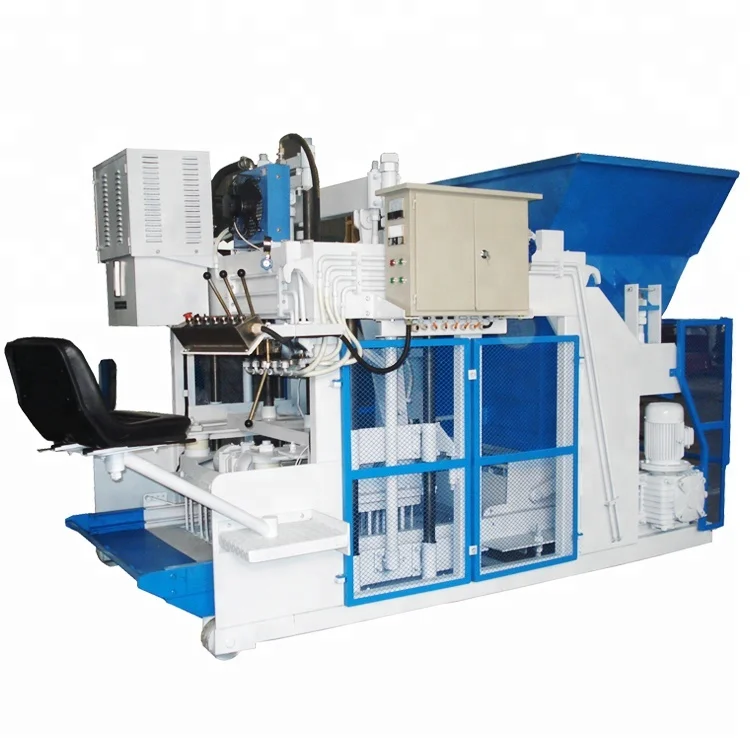
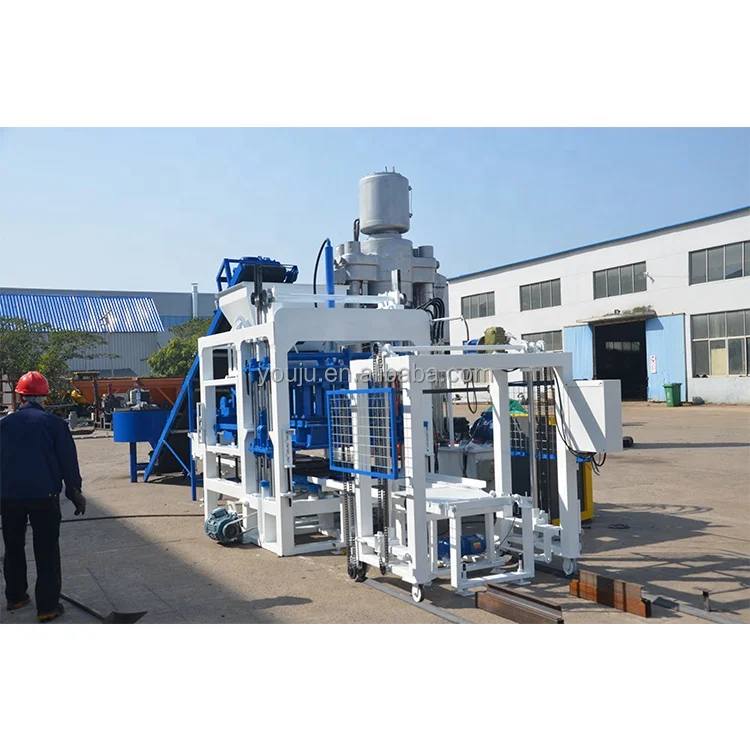
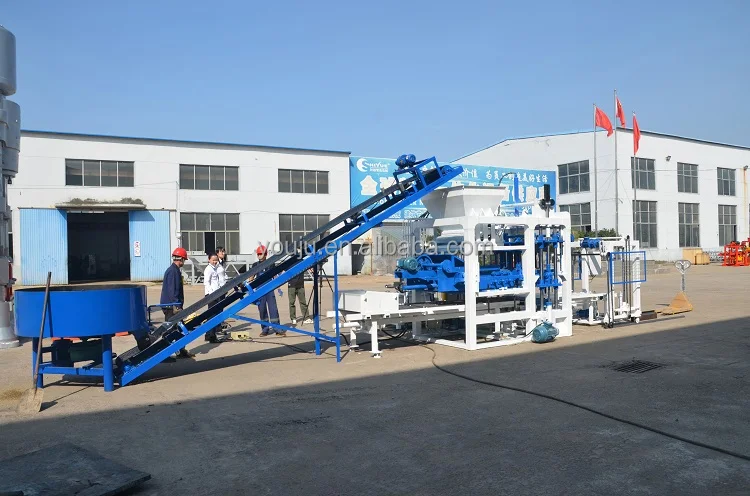
Mould and format matched to your market — the QT4-18 block machine is configured around the hollow, solid, or paving format you actually sell, not a generic cycle claim.
Technical Specifications
| Parameter | Value |
|---|---|
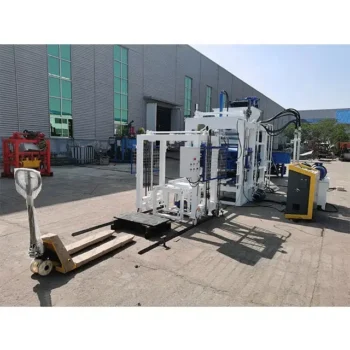
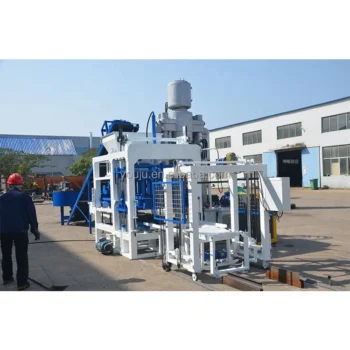
| Model | QT4-18 |
| Product Type | Automatic Block Making Machine |
| Overall Dimensions (L×W×H) | 2500×1750×2200mm |
| Rated Pressure | 16MPa |
| Vibration Form | Platform Vibration |
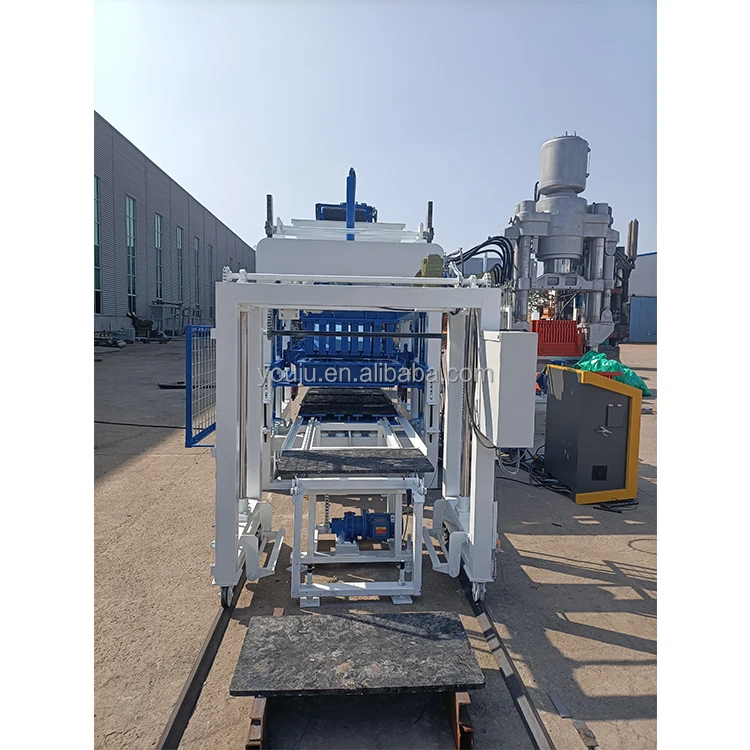
| Pallet Size | 950×550mm |
| Molding Cycle | 18-25s (basis to be confirmed by block format) |
| Overall Power | 27.5kW |
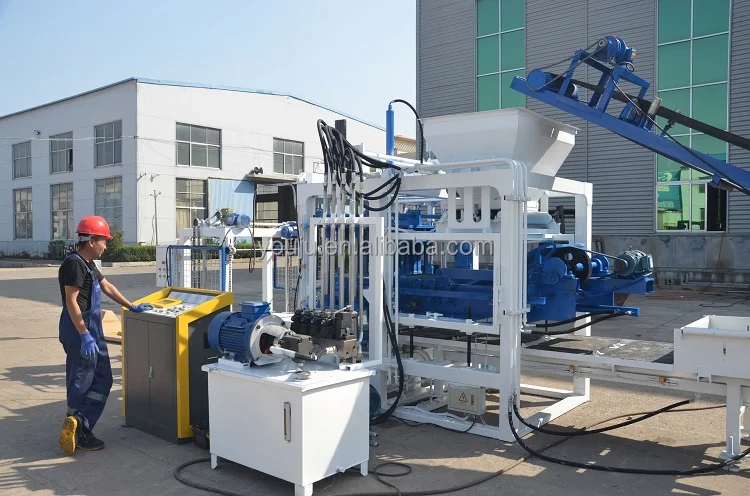
| Control System | PLC with frequency converter |
| Electrical Components | Schneider |
| Mould Lifting Mechanism | Double-sided synchronous gears |
| Material Feeder | Distribution belt hopper |
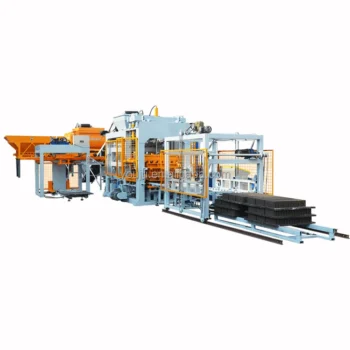
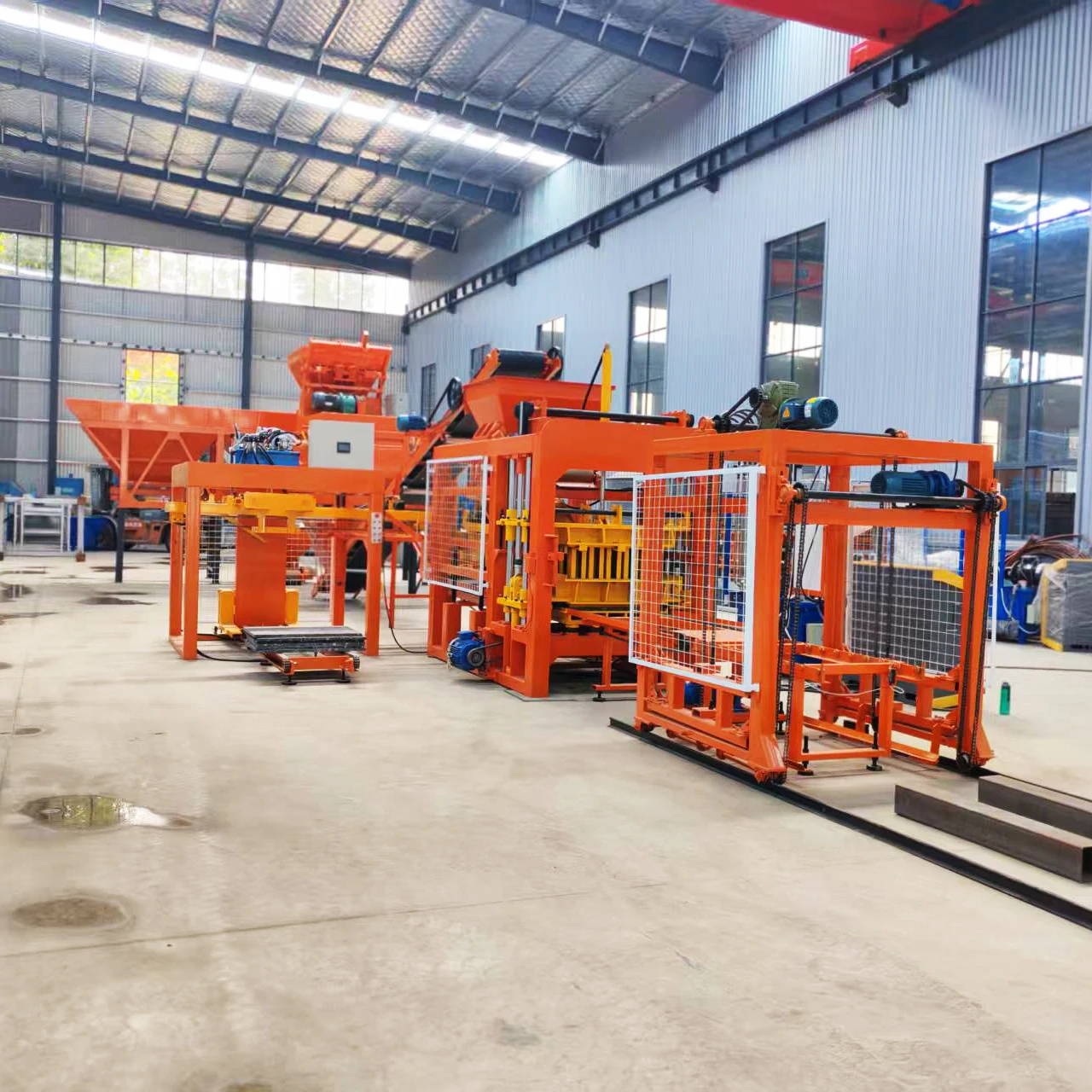
| Support Equipment Included | JQ500 concrete pan mixer, 8m belt conveyor, stacker, block clamper, trolley |
| Mould Configuration | One free hollow mould included; additional formats customizable |
| Automation Level | Automatic with pallet feeder, block conveyor, and electronic console |
Application Suitability
| Application | Material or Output |
|---|---|
| Hollow block production for building walls | Crushed stone, sand, cement, and fly ash mixes |
| Solid block manufacturing for load-bearing structures | Coarse aggregate with standard cement ratios |
| Paving block production for walkways and yards | Fine aggregate blends with pigment additives |
| On-site block production for housing projects | Locally sourced sand and gravel with cement |
What "18-25 Seconds" Actually Means for Your Output
The automatic block making machine specifications only translate to real daily output when the cycle time is tied to a specific block format and mix design.
Sellers routinely quote a single molding cycle figure and let buyers assume it applies universally across every block type the machine can produce. In practice, a 10-inch hollow block demands a longer vibration window than a thin paving brick, and a mix with high clay content behaves differently under pressure than clean crushed stone. I have watched contractors base their project timelines on a best-case cycle number, only to find the actual throughput noticeably lower once their local aggregate entered the hopper [NEED_CITE: block format assumptions in capacity quotations].
Matching Cycle Time to the Block You Actually Sell
The QT4-18 molding cycle of 18-25s covers a range, and where your format lands within that range determines your realistic daily output. A standard hollow block with straightforward geometry typically sits at the shorter end, while interlocking pavers with complex surface profiles require the full window for proper compaction. Requesting a capacity calculation that states the assumed block format is the first step toward an honest production estimate.
Pallet Size and Its Impact on Curing Logistics
The 950×550mm pallet size governs how many blocks are produced per cycle and how those blocks move into your curing area. If your existing curing racks or forklifts were set up for a different pallet dimension, mismatches create bottlenecks downstream of the press. Confirming pallet compatibility with your current handling infrastructure before production begins avoids costly reconfiguration after the automatic block making machine specifications are locked in [NEED_CITE: pallet handling standards in block plants].
Reading the Pressure and Vibration Balance
The 16MPa rated pressure and platform vibration work together to compact the mix into a dense, structurally sound block. Pressure alone without sufficient vibration leaves air pockets; vibration without adequate pressure produces a block that crumbles at the edges. The QT4-18 pairs both forces, and the PLC with frequency converter holds each cycle consistent so that block strength does not drift from the first pallet to the last across a full shift.
When the Wrong Configuration Costs You a Shift
A machine set up for a mix you cannot source locally forces a material change that was never part of the budget. Moulds that take most of a shift to swap eliminate the format flexibility you paid for, leaving the line idle while crews wrestle with alignment bolts. Voltage and control language left unconfirmed before shipment can stall commissioning for days after arrival, with electricians standing by while the control panel displays instructions in a language the operators cannot read [NEED_CITE: commissioning delays from unconfirmed electrical specifications].
Why Sourcing the QT4-18 Through a Format-First Approach Matters
Block machinery is the single focus here, which means the QT4-18 press, mould, pallet, and handling equipment are specified as one matched system rather than assembled from unrelated suppliers. The configuration is set against your actual mix design and local aggregate, not pulled from a catalogue default. Mould design covers the formats your market sells, with custom drawings available when standard options fall short. Automation level is selectable, so a buyer can begin with the included support equipment and add stacking or cubing upgrades later. Installation support includes operator training so crews understand the PLC interface and mould change procedure from the first day.
Documentation & Verification
- Line layout showing QT4-18 footprint with capacity stated per block format
- Mould drawing and format list specifying cycle time for each block type
- Pallet specification confirming 950×550mm dimensions and material grade
- Voltage, frequency, and PLC display language confirmation before production
- Factory test record on your target block format before dispatch
- Hydraulic and electrical schematic for the 27.5kW system
Installation, Commissioning & Support
- Foundation pad sized for the 2500×1750mm footprint with vibration isolation
- Dedicated electrical circuit for the 27.5kW total power draw at confirmed voltage
- Machine arrives with mould lifting mechanism pre-assembled for faster setup
- First-run parameter tuning with your local aggregate and target block format
- Operator training on the PLC console, frequency converter, and mould change procedure
- Wear parts and mould list provided for planning first replacement orders
Before You Request a Quote
To size the QT4-18 correctly, share the specific block formats you plan to produce, your target daily output per format, and a sample or description of your local aggregate including particle size and clay content. Confirm your site voltage, frequency, and preferred PLC display language. If you have existing curing racks or forklifts, provide their dimensions so the 950×550mm pallet can be verified against your handling setup.
Frequently Asked Questions
Q: What block format is the 18-25s cycle time based on?
A: The cycle range covers multiple formats, and the actual time depends on block geometry, wall thickness, and your mix design. A standard hollow block typically runs near the shorter end, while denser or more complex shapes require longer vibration. We provide a capacity calculation that states the assumed format so the number reflects your actual product.
Q: How does the 950×550mm pallet match my existing curing setup?
A: Pallet dimensions must align with your curing rack spacing and forklift tine width. If your current infrastructure was built for a different pallet size, mismatches cause handling delays. Share your rack and forklift specifications during the inquiry stage so pallet compatibility is confirmed before the QT4-18 enters production.
Q: Which mould formats are available and how long does a change take?
A: One hollow mould is included with the QT4-18, and additional formats such as solid blocks, pavers, and interlocking bricks can be customized to your drawings. The double-sided synchronous gear lifting mechanism is designed to speed up mould swaps compared to single-point lift systems, keeping format changeover within a reasonable window during a working shift.
Q: Can the machine be configured for my local aggregate?
A: Yes. The vibration force and hydraulic pressure settings are adjusted based on your specific aggregate type, particle size distribution, and cement ratio. Sending a sample of your local sand or crushed stone allows the configuration to be tested before final specification, so block strength meets requirements from the first production run.