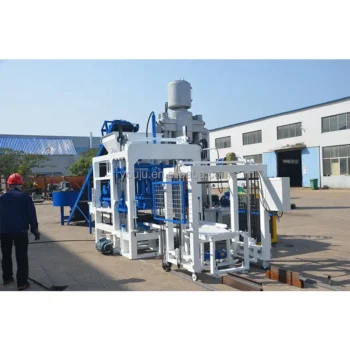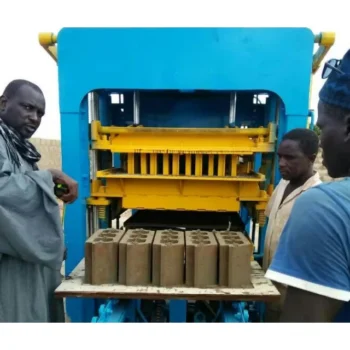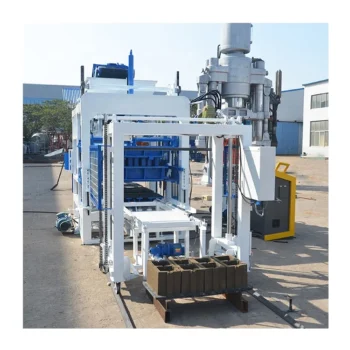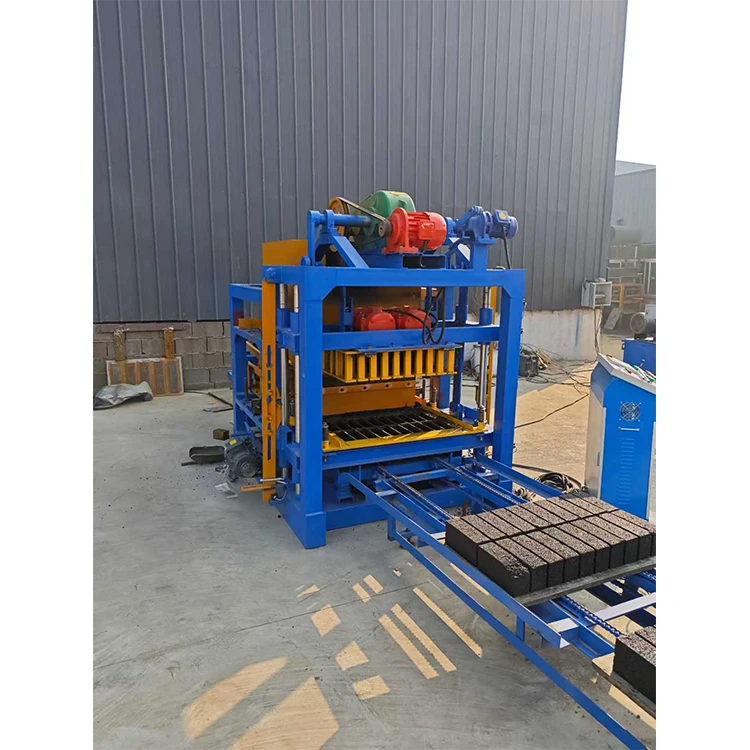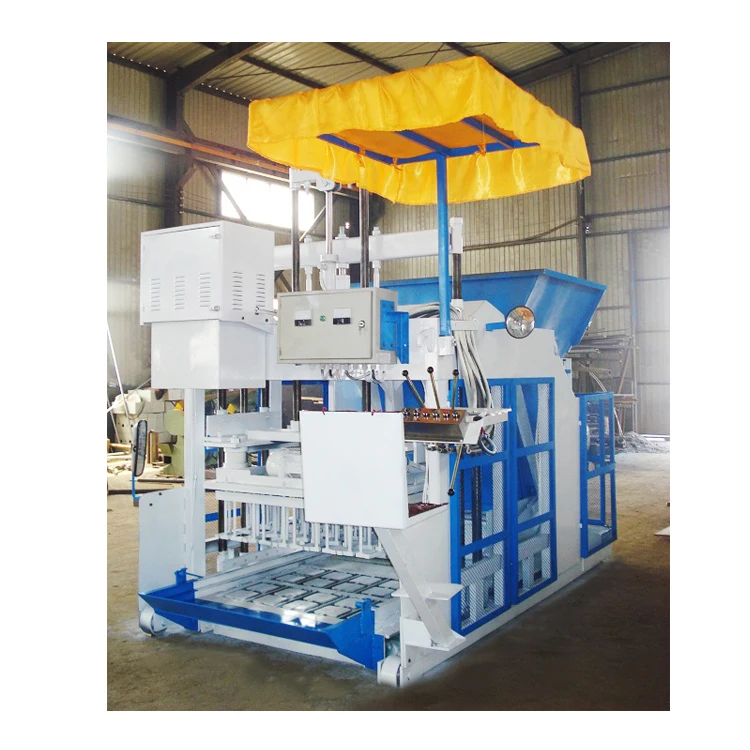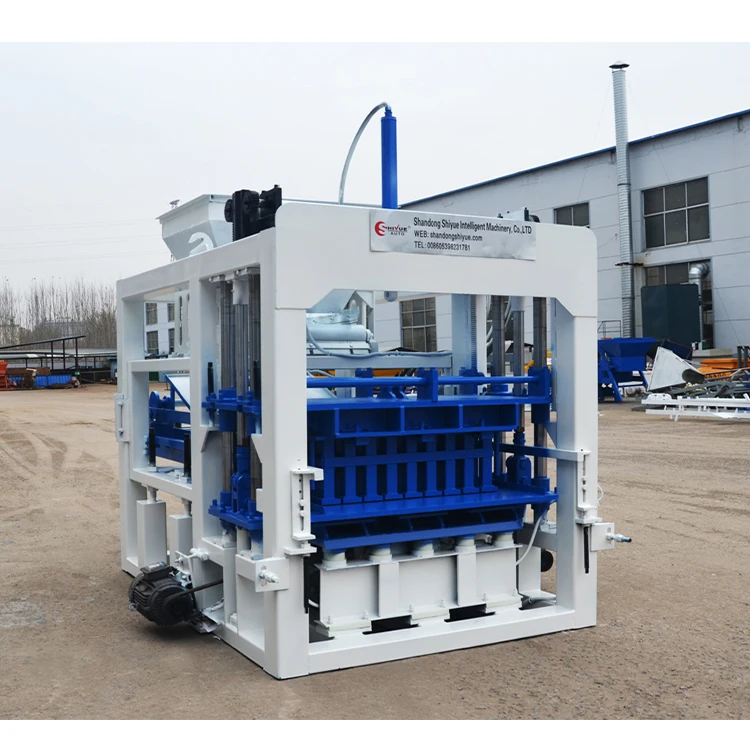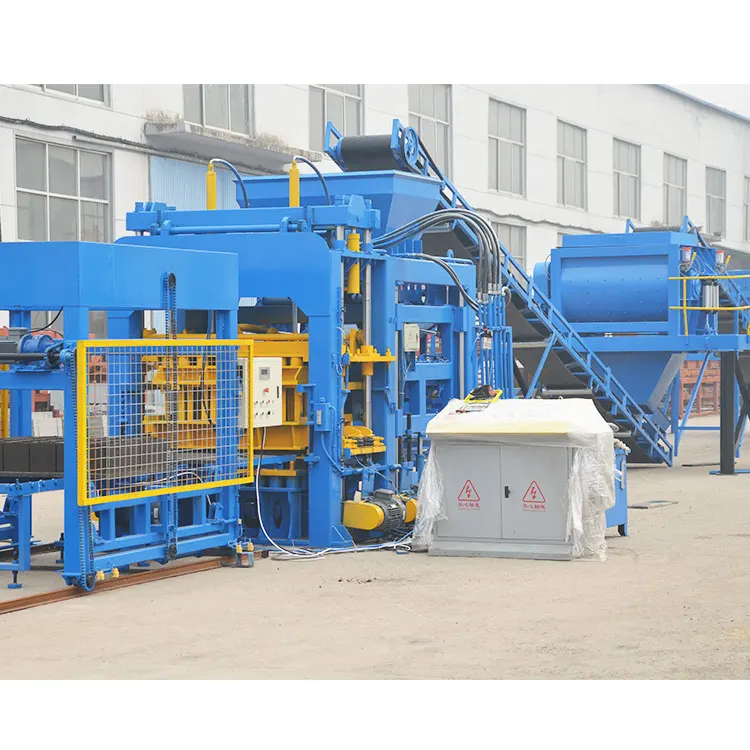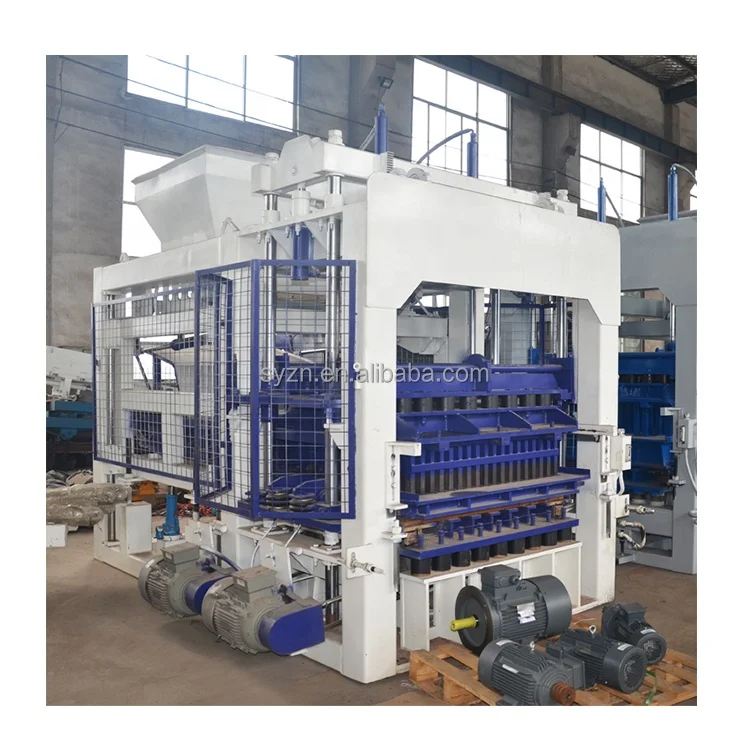
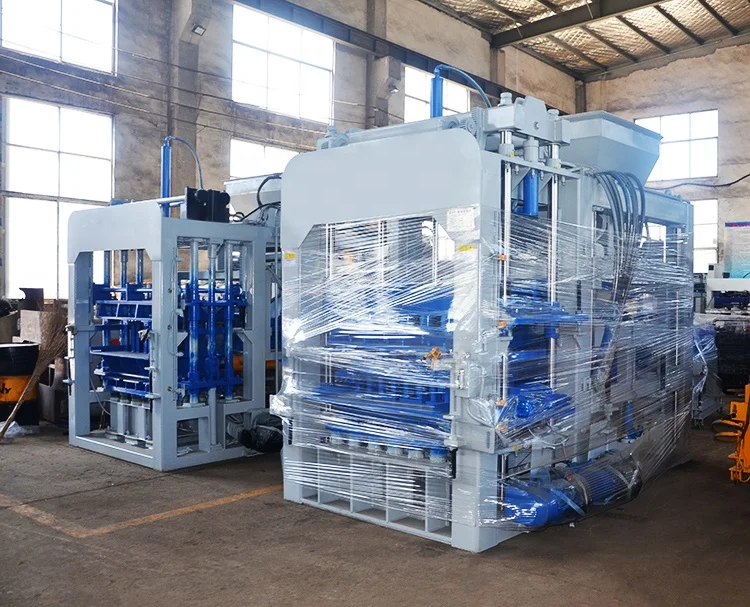
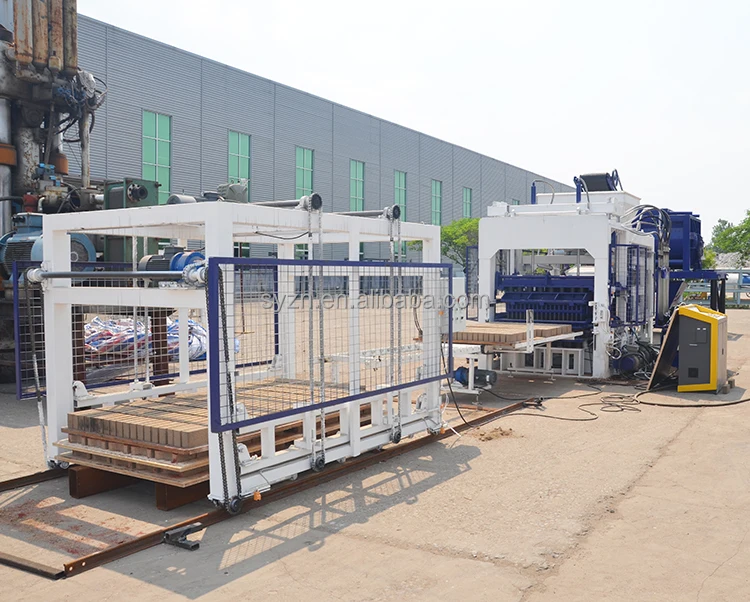
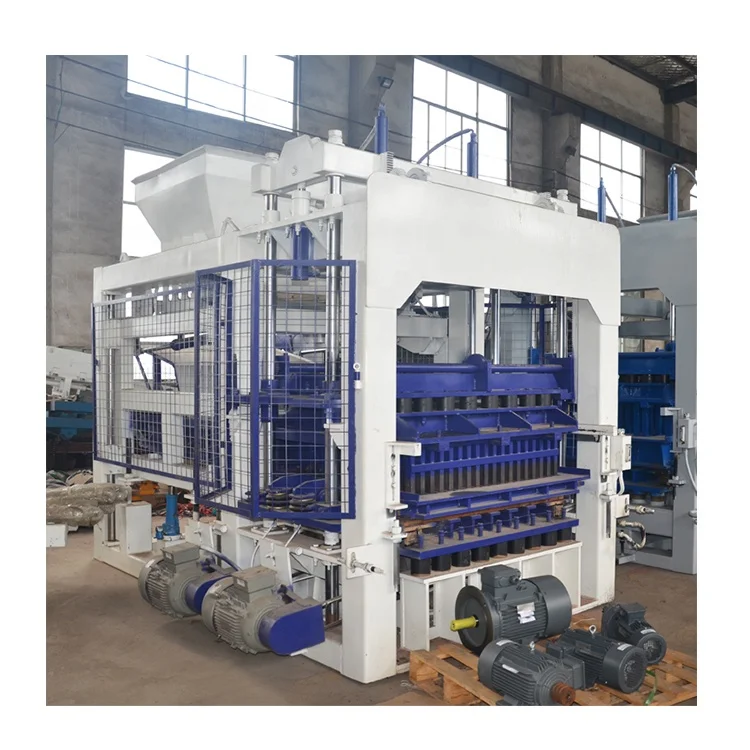
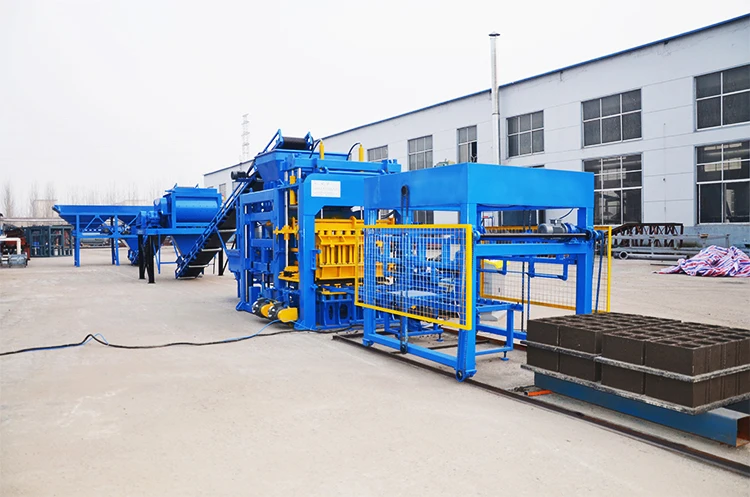
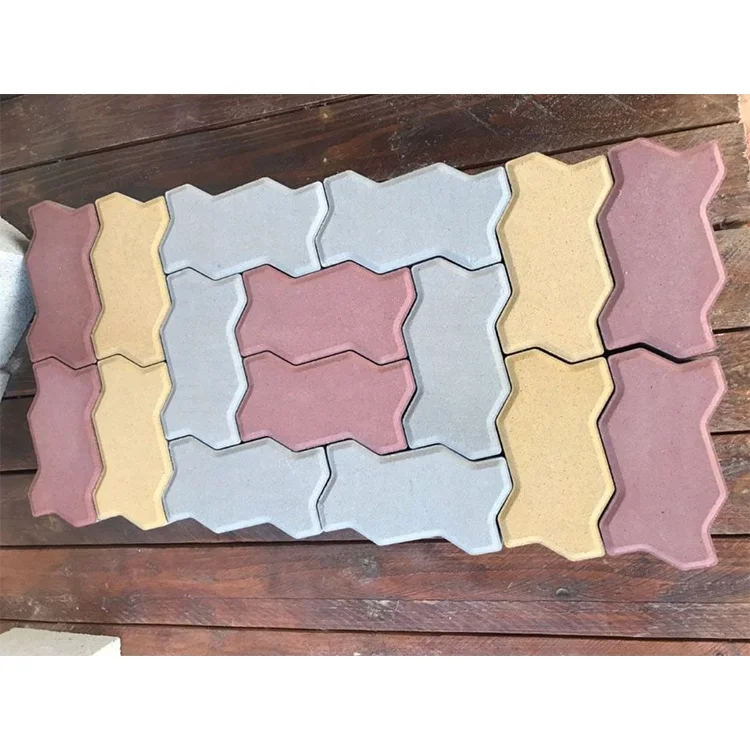
Description
Matched System Configuration — the QT12-15 hydraulic block machine specifications are defined against your target block format, local aggregate, and curing layout rather than a generic catalogue default.
Technical Specifications
| Parameter | Value |
|---|---|
| Model | QT12-15 |
| Product Type | Hydraulic Automatic Concrete Block Making Machine |
| Overall Dimensions (L×W×H) | 9350×2520×2950 mm |
| Net Weight | 12 T |
| Rated Power | 45.7 kW |
| Voltage | 380 V or configurable to buyer market standard |
| Control System | PLC (Siemens referenced, subject to current BOM verification) |
| Hydraulic Pressure | 21 MPa |
| Pallet Size | 1350×850×40 mm |
| Mould Format Examples | 400×200×200 mm hollow block / 400×150×200 mm hollow block / 240×115×53 mm solid brick |
| Output Capacity | 2800 pcs/h based on 400×200×200 mm hollow block, 12 pcs/mould |
| Output Capacity | 3840 pcs/h based on 400×150×200 mm hollow block, 16 pcs/mould |
| Output Capacity | 14000 pcs/h based on 240×115×53 mm solid brick, 62 pcs/mould |
| Daily Output | 22400 pcs/day based on 400×200×200 mm hollow block |
| Daily Output | 30720 pcs/day based on 400×150×200 mm hollow block |
| Daily Output | 112000 pcs/day based on 240×115×53 mm solid brick |
| Cycle Time per Format | basis to be confirmed |
| Mould Change Time | basis to be confirmed |
| Automation Level | Full automatic (line scope to be confirmed) |
| Stacking Method | basis to be confirmed |
| Warranty | 1 year |
| Standards | ISO 9001:2008, CE |
Application Suitability
| Application | Material or Output |
|---|---|
| High-volume hollow block plants for housing and commercial construction | Crushed stone, cement, sand, and water mix compacted under 21 MPa hydraulic pressure |
| Solid brick production for masonry and infill | Fine aggregate and cement blends formed in 240×115×53 mm mould cavities |
| Concrete product manufacturers expanding format range | Multiple mould formats on a single 1350×850 mm pallet footprint |
| Building material distributors sourcing for regional markets | Local aggregate and mix design validated before machine configuration |
What "2800 Pieces per Hour" Actually Means for the QT12-15 Hydraulic Block Machine Specifications
Every output figure on this page is tied to a specific block size, mould cavity count, and shift assumption — not a single headline number.
I once watched a Middle East buyer receive a hydraulic automatic block machine rated for a production rate that assumed clean, graded aggregate. The local sand carried high clay content, and the machine could not reach its stated cycle rhythm without constant mould cleaning. Two weeks of parameter adjustment followed before output stabilised. That is why the QT12-15 hydraulic block machine specifications here list three separate format outputs rather than one optimistic claim. [NEED_CITE: aggregate clay content effects on block compaction cycle time]
Format-First Capacity Logic
The QT12-15 produces 12 hollow blocks per mould cycle at 400×200×200 mm, yielding 2800 pcs/h. Switch to the 400×150×200 mm cavity layout and the same pallet carries 16 blocks, lifting hourly output to 3840 pcs/h. At the solid brick format of 240×115×53 mm, the mould holds 62 units, reaching 14000 pcs/h. Buyers comparing this QT12-15 hydraulic block machine against competing presses should match the same block format and cavity count before drawing conclusions.
Matching Pallet Footprint to the Curing Yard
The 1350×850×40 mm pallet is the physical constraint that governs every mould design on this machine. Before confirming an order, the buyer’s existing curing rack dimensions and forklift tine spacing must be checked against that pallet size. A mismatch means either new racks or manual re-stacking after the press — a cost that never appears in the machine quotation itself. [NEED_CITE: pallet and curing rack compatibility in block plant layout]
Reading the Pressure and Vibration Numbers Together
The 21 MPa hydraulic pressure compacts the mix from above while vibration consolidates it from below. Both forces must be matched to the buyer’s specific mix design and aggregate grading. A high-pressure setting with insufficient vibration leaves air voids in the lower portion of the block; excessive vibration with low pressure causes surface spalling. The QT12-15 hydraulic block machine specifications list pressure as a baseline — final tuning happens during commissioning with the buyer’s actual raw materials on site.
Mould Change Realities and Format Flexibility
Every format change requires removing the current mould, aligning the new one to the pallet, recalibrating the feed shoe depth, and running test cycles. The time this takes determines whether a plant can realistically switch between hollow blocks and solid bricks within a single shift. The QT12-15 supports multiple formats on one pallet size, but the achievable changeover rhythm depends on tooling design and operator familiarity. Buyers planning a multi-format strategy should request a documented mould change procedure before shipment.
The Cost of Skipping the Mix Design Conversation
When a machine is configured for a standard cement-to-aggregate ratio that the buyer cannot source locally, the entire production run suffers. Blocks crack during curing, compressive strength falls below market requirements, and rejected batches pile up in the yard. The QT12-15 hydraulic block machine specifications assume a validated mix — if your local crusher sand behaves differently from the test samples, the press settings must be adjusted before the first production day. [NEED_CITE: block compressive strength testing standards by regional market]
Why This Machine Configuration Approach Matters
Block machinery is a single focus for the supplying facility, so the press, mould, pallet, and handling equipment are specified as one matched system. Configuration is set against the buyer’s confirmed mix design and target block format, not a catalogue default. Mould design covers the formats the buyer’s market actually sells, with custom drawings available. Automation level is selectable, allowing a buyer to begin semi-automatic and add stacking or cubing later. Installation support includes on-site parameter tuning with the buyer’s raw materials.
Documentation & Verification
- Line layout stating which block format each output figure assumes
- Mould drawing and format list with cavity count per pallet
- Voltage, frequency, and PLC display language confirmation before production
- Factory test record run on buyer-specified block dimensions
- Hydraulic and electrical schematic for on-site maintenance reference
- Wear parts and mould replacement list with part numbers
Installation, Commissioning & Support
- Foundation must support 12 T static load plus dynamic vibration forces across the 9350 mm frame length
- 45.7 kW rated power requires a dedicated circuit with voltage confirmed to local grid frequency
- Machine ships partially dismantled; reassembly includes hydraulic line connection and PLC power-up
- First-day commissioning uses buyer’s aggregate sample to tune 21 MPa pressure and vibration timing
- Operator training covers mould change sequence, pallet loading, and PLC fault code reading
- Wear parts list identifies high-friction components for first reorder planning
Starting the Specification Conversation
Provide your target block format with daily volume, local aggregate type and source, and existing curing area dimensions. Confirm your site voltage, frequency, and preferred PLC display language. If you already operate upstream mixers or downstream forklifts, share those details so the pallet and handling scope can be aligned.
Frequently Asked Questions
Q: How is output capacity calculated, and which block format does each figure assume?
A: Each output number ties to a specific mould cavity count and block dimension. The 2800 pcs/h figure assumes the 400×200×200 mm hollow block at 12 pcs per mould. The 3840 pcs/h figure assumes 400×150×200 mm at 16 pcs per mould. Daily output further assumes an eight-hour working shift. Always compare capacity using the same format you intend to produce.
Q: How do I match hydraulic pressure and vibration force to my local aggregate?
A: Send a raw material sample and your proposed mix ratio before the machine enters production. The 21 MPa pressure baseline is adjusted during commissioning to match your aggregate grading and cement content. Insufficient matching leads to low block density or surface defects that only appear after curing begins.
Q: What is the mould change time, and what formats fit the same pallet?
A: All listed formats share the 1350×850 mm pallet footprint. Mould change time depends on tooling design and operator experience. Buyers planning frequent format switches should request a timed changeover demonstration during the factory test and confirm the required tools are included in the shipment.
Q: Does the full automatic scope include pallet feeding, stacking, and cubing?
A: The automation level is selectable. The press itself operates automatically, but pallet feeding, stacking, and cubing may be quoted as separate line stations. Confirm the exact scope in your quotation so there are no manual handling gaps between the press output and the curing area.
Q: How are voltage, frequency, and PLC language confirmed before shipment?
A: These are locked during the order confirmation stage, not at delivery. The 380 V baseline can be reconfigured to your local grid standard, and the PLC display language is set to match your operators. Changing these after the machine is built causes commissioning delays and rewiring costs on site.