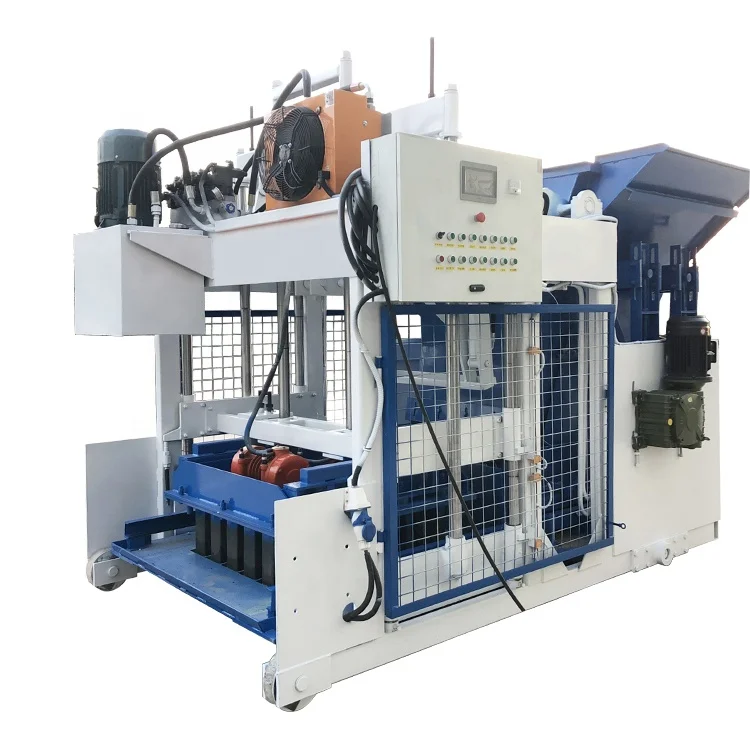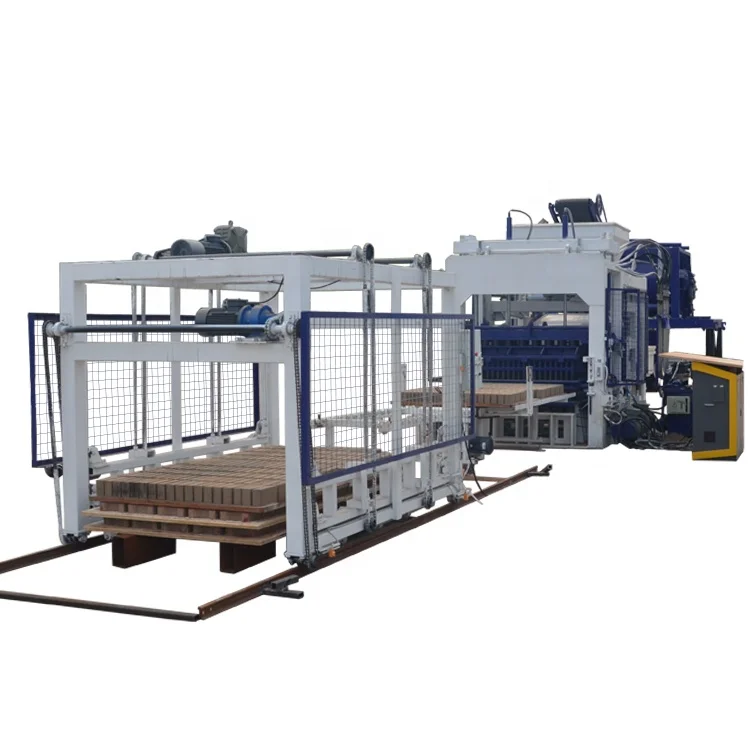
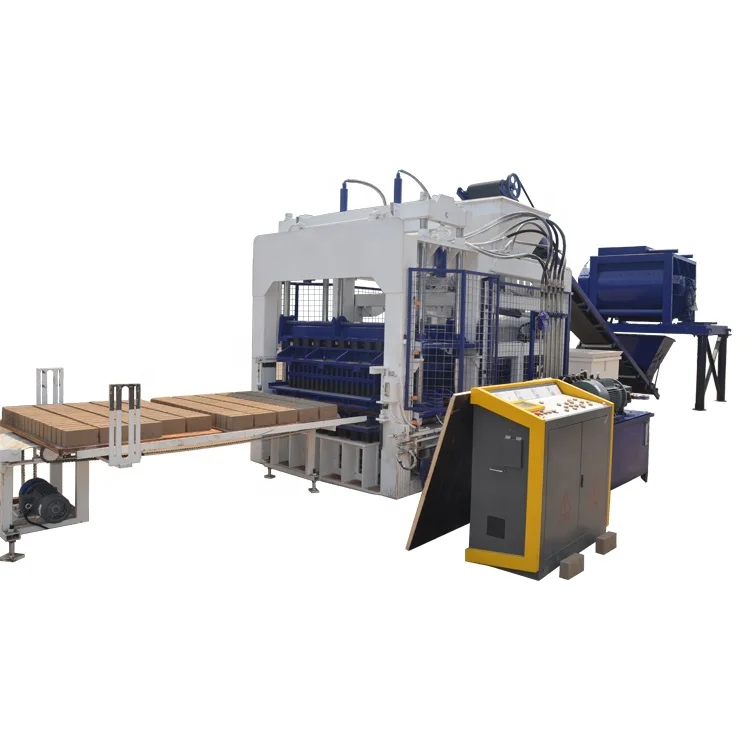

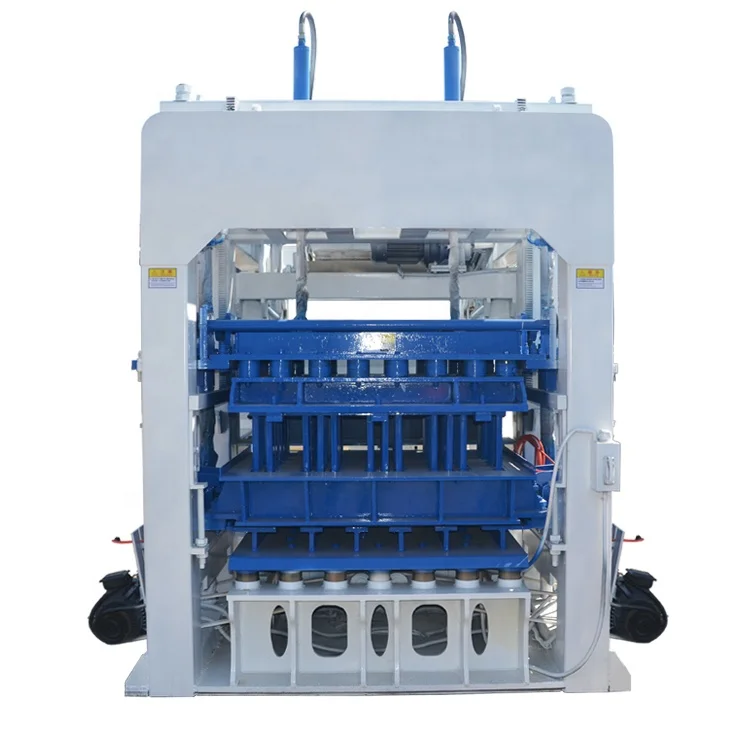
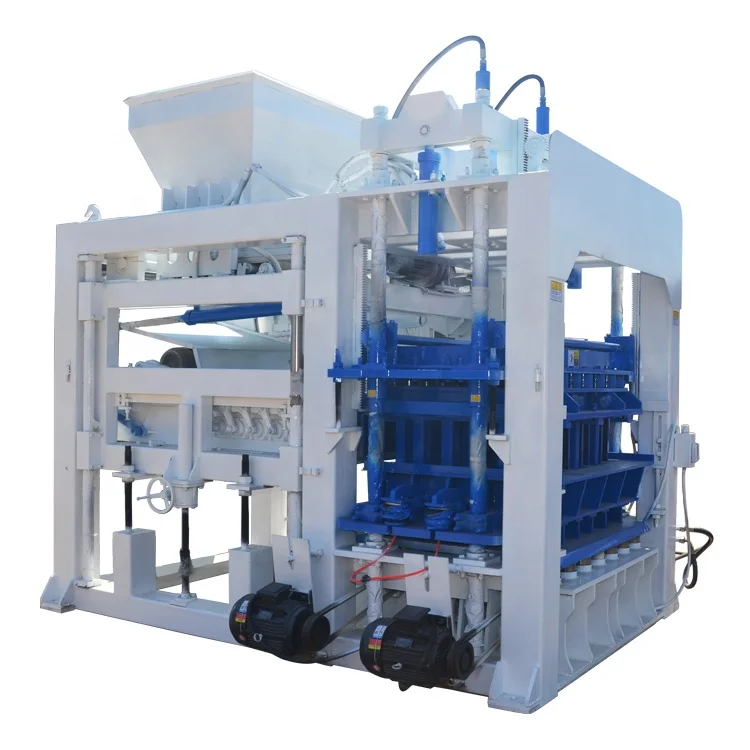
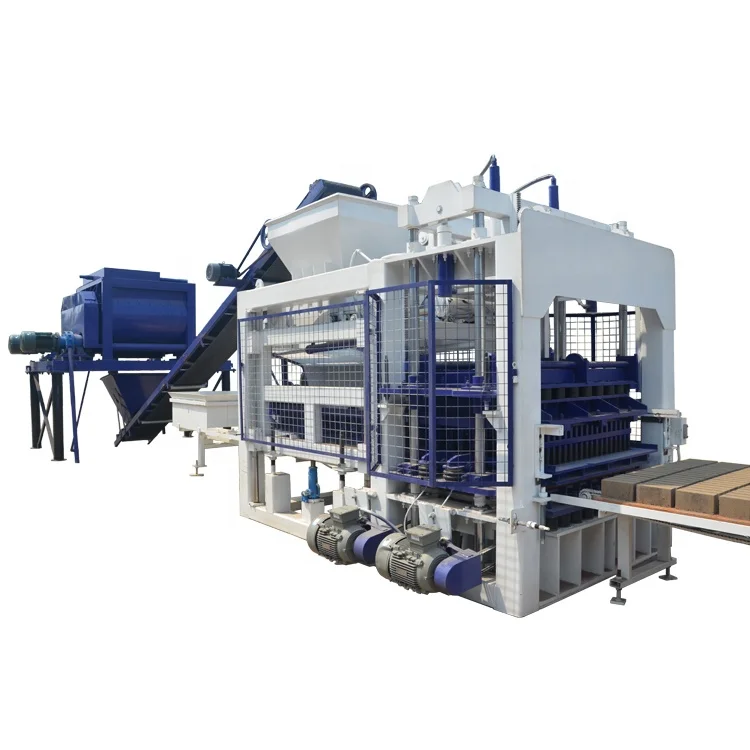
Description
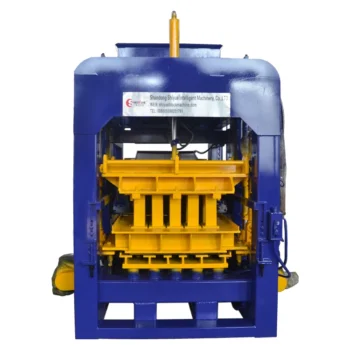
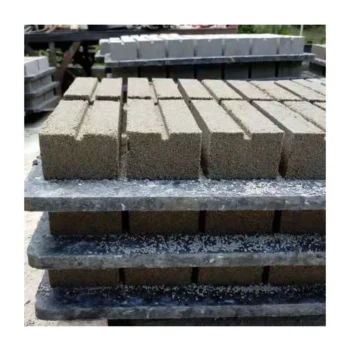
Pallet-to-press integration — every QT12-15 configuration starts from the curing area and forklift you already operate, so pallet size, material and handling stations are matched before the press is finalized.
Technical Specifications
| Parameter | Value |
|---|---|
| Product Type | Fully Automatic Hydraulic Block Making Machine |
| Model | QT12-15 |
| Rated Power | 62 kW |
| Voltage & Frequency | Customized to local industrial supply (confirm before production) |
| Control System | PLC with selectable display language |
| Pallet Size | 1300 × 900 mm |
| Moulding Cycle | 15–30 seconds (basis not stated in source — confirm block format and material) |
| Vibration Type | Dynamic + static table with frequency conversion |
| Vibration Acceleration | 20 g |
| Vibration Force | 120 kN |
| Mould Configuration | Customized to buyer’s block format |
| Supported Formats | Wall blocks, porous bricks, pavement bricks, slope protection bricks |
| Automation Level | Fully automatic |
| Standards | CE declaration where applicable |
Application Suitability
| Application | Material or Output |
|---|---|
| Hollow and solid wall block production | Fly ash, crushed stone, sand and cement blends |
| Pavement block and paver manufacturing | High-density concrete mixes with fine aggregate |
| Porous brick forming | Lightweight aggregate and permeable concrete designs |
| Slope protection brick production | Reinforced concrete mixes with coarse aggregate |
| High-volume multi-format plants | Single press handling several block types across shifts |
What the QT12-15 Block Making Machine Specifications Actually Mean for Daily Output
Cycle time means nothing without the block format attached to it.
I have seen buyers receive a 15-second cycle figure on a quotation and plan their entire plant around it, only to discover on commissioning day that the number assumed a thin paver while their main product is a 200 mm hollow block that needs closer to 28 seconds. The vibration force and hydraulic pressure must also match the specific mix; a fly ash blend behaves differently under the table than a river sand mix, and if the frequency is wrong the blocks crack on demoulding. When a South Asian customer ran a fly ash standard brick recipe on a press set for sand, output dropped to roughly six tenths of the quoted figure and breakage climbed noticeably [NEED_CITE: vibration frequency matching to aggregate type in block forming]. The QT12-15 block making machine specifications on this page are starting points — every capacity number we release is tied to the exact format, mix design and pallet size you confirm with us.
Matching Vibration Profile to the Block You Actually Sell
The QT12-15 uses a dynamic and static table combination with frequency conversion, reaching 20 g vibration acceleration. This matters because different block formats demand different energy profiles: a thin paver needs high frequency to settle fine aggregate quickly, while a tall hollow block requires sustained force to compact the mix around the core pins. The four-axis vibration layout distributes excitation evenly across the 1300 × 900 mm pallet, holding height tolerance within a batch. When the vibration profile is matched correctly, the press holds dimensional consistency from the first block to the last of a shift.
Mould Change Time and the Real Cost of Format Flexibility
Buyers pay for multi-format capability, but if a mould swap takes most of a shift the flexibility is theoretical. The QT12-15 supports wall blocks, porous bricks, pavement bricks and slope protection bricks on a single press, yet the practical value depends on how quickly the changeover happens and whether the cloth platform wear plates can be replaced without pulling the entire feed box. Replaceable wear plates on this model cut the time spent on routine maintenance, and a well-practised crew can move between standard formats without losing a full production window [NEED_CITE: mould change procedures on hydraulic block presses].
Reading the Numbers That Matter on the QT12-15
The 120 kN vibration force works together with hydraulic pressure to determine forming density. If pressure is too low for the mix, the block leaves the mould under-compacted regardless of vibration intensity. The 62 kW rated power covers the hydraulic pump, vibration motors and PLC system simultaneously, so buyers should verify that their site transformer can sustain this draw plus starting surge. The 15–30 second moulding cycle range reflects the spread between thin pavers and thick hollow blocks — narrowing it requires a sample of your local aggregate and a target block drawing. Pallet size at 1300 × 900 mm sets the maximum mould footprint, and the curing area racking must accept this dimension or pallets will pile on the floor.
The Hidden Cost of Skipping the Mix Test
I once sized a press for a fly ash standard brick line and the customer substituted river sand without telling us. The vibration frequency that worked perfectly on fine fly ash could not fluidize the heavier sand, and blocks cracked as the mould lifted. The fix required a different frequency setting and a revised hydraulic pressure profile, costing weeks of lost production. On the QT12-15, the frequency conversion table can be adjusted, but only if the mismatch is caught before the machine ships [NEED_CITE: aggregate variation effects on block forming consistency]. Running a lab test on your actual raw materials removes this risk entirely.
Why Buyers Source This Press Through Our Line
Block machinery is our single focus, so the QT12-15 arrives as a matched system — press, mould, pallet and handling stations specified together rather than assembled from separate suppliers. We set the configuration against your actual mix design and target block format, not a catalogue default. Moulds are built to the dimensions your market sells, and custom drawings are accepted when standard formats do not fit. The automation level is selectable, letting a buyer start with semi-automatic pallet handling and add stacking later. Installation includes on-site commissioning with operator training so the crew can run independent shifts from the first week.
Documentation & Verification
- Line layout with capacity calculation tied to your confirmed block format
- Mould drawing and format list showing cycle time per product
- Pallet specification matched to your curing rack and forklift dimensions
- Hydraulic and electrical schematic for local maintenance teams
- Voltage, frequency and PLC display language confirmed before production
- Factory test record on your selected mould before dispatch
Installation, Commissioning & Support
- Foundation plan accounts for the 62 kW power draw and vibration isolation requirements
- Dedicated circuit sized for the QT12-15 starting surge and continuous hydraulic load
- Machine shipped in dismantled state with reassembly supervised on your site
- PLC display language and control parameters set during commissioning to match your operators
- Operator training covers mould change, wear plate replacement and daily lubrication points
- Wear parts and mould list supplied so first replacements can be ordered in advance
Starting the QT12-15 Conversation
Tell us which block formats your market moves fastest, the daily volume you need per format, and what your local aggregate looks like. Share your site voltage and frequency so we can confirm the motor and PLC configuration before steel is cut. If you already have curing racks and forklifts, send the pallet dimensions they accept so the 1300 × 900 mm pallet can be verified or adjusted.
Frequently Asked Questions
Q: How is QT12-15 output capacity calculated per block format?
A: We calculate output by running your specific block drawing through the press cycle, including mould fill, vibration, press and demould times. The 15–30 second range covers thin pavers to thick hollow blocks, and the realistic daily figure depends on shift length, mix consistency and pallet turnaround speed through your curing area.
Q: Which mould formats fit the QT12-15 and how long does changeover take?
A: The press accepts moulds for wall blocks, porous bricks, pavement bricks and slope protection bricks. Mould change time depends on crew familiarity and whether the next mould is pre-staged; we train your team during commissioning and provide wear plate access that avoids full feed box removal.
Q: How is the machine set up for my local aggregate and mix design?
A: We ask for a sample of your raw materials and run a forming test to determine the vibration frequency and hydraulic pressure profile needed. The QT12-15 frequency conversion table can then be preset before shipment, matching your actual blend rather than a generic default.
Q: What pallet size does the QT12-15 use and will it fit my curing area?
A: The standard pallet is 1300 × 900 mm. Before production we check your curing rack spacing and forklift fork width to confirm compatibility, adjusting pallet material and thickness to match the load your existing handling equipment can manage.
Q: How do we confirm voltage and PLC language before the machine ships?
A: During the quotation stage we collect your site voltage, frequency and preferred control language. These values are locked into the production order, and the factory test record shows the PLC running in your chosen language before the QT12-15 is packed.