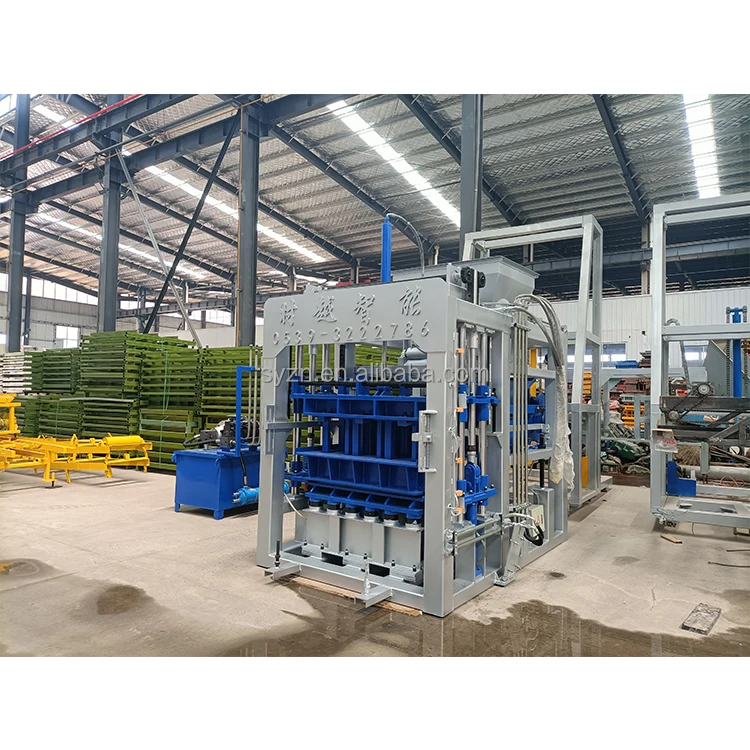
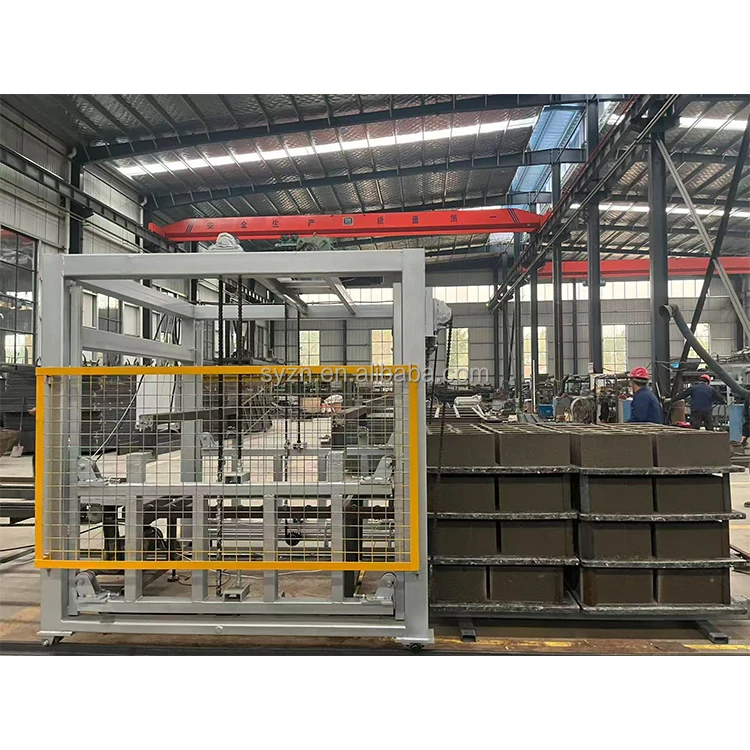

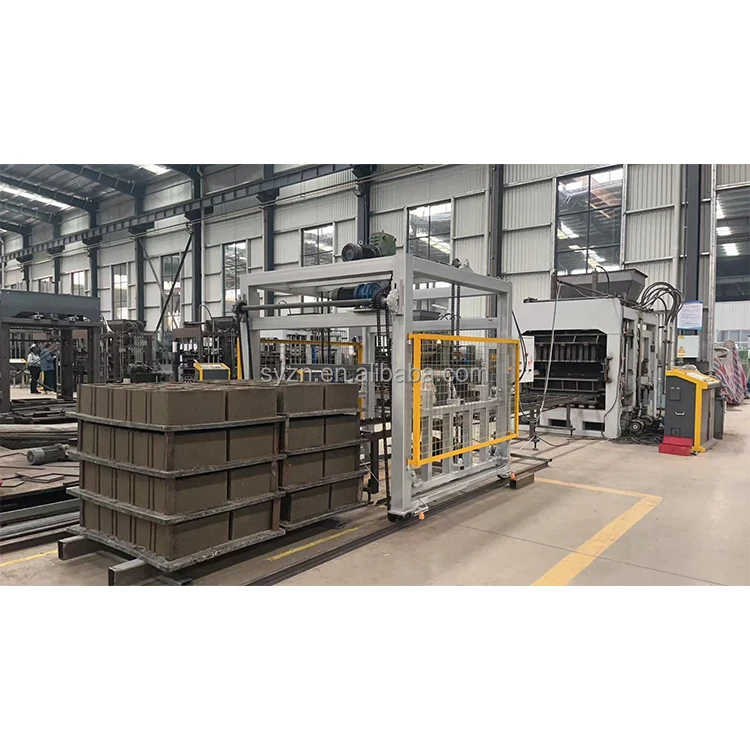
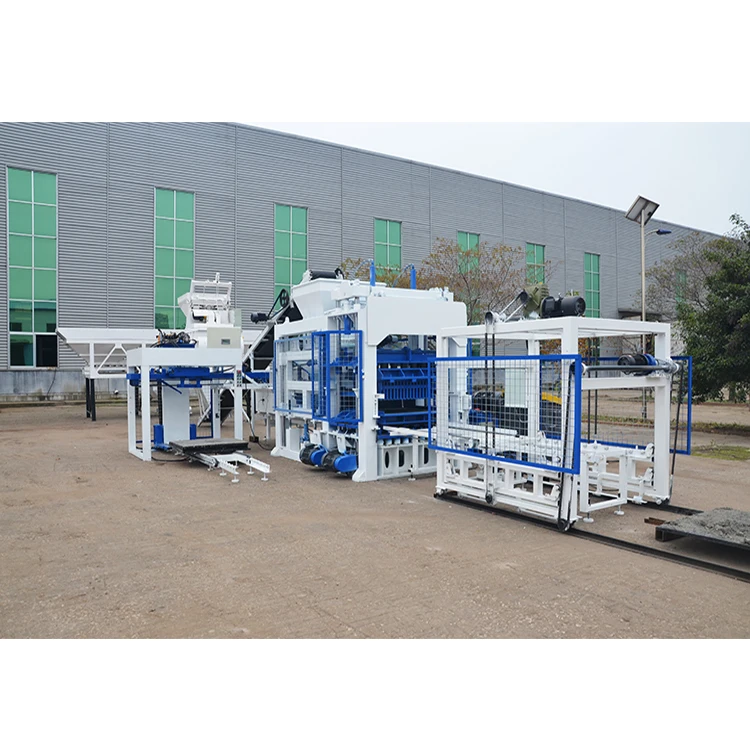
Description
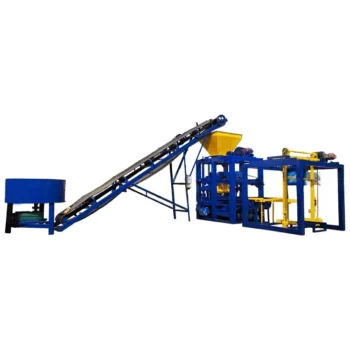
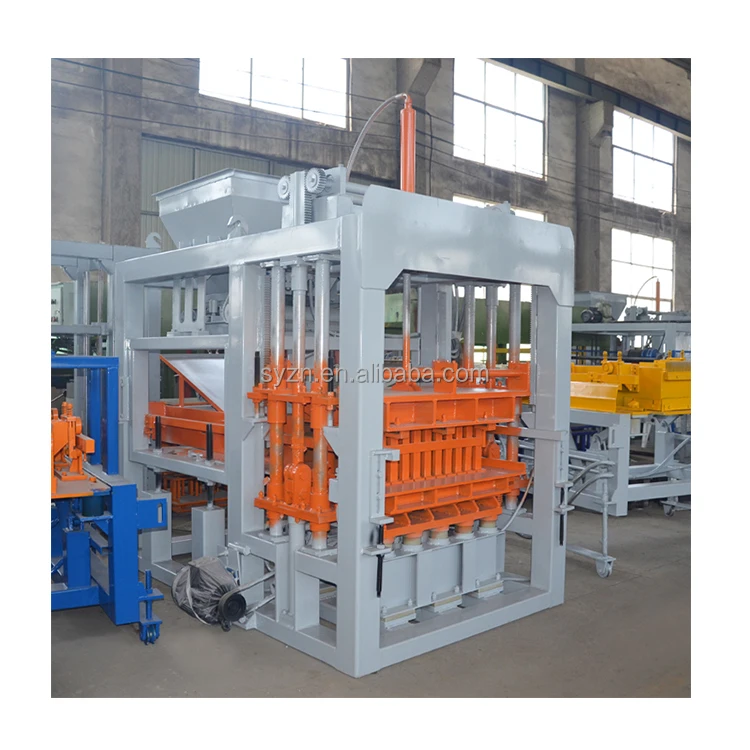
Format-Matched Output — the QT10-15 interlocking block machine is specified around the exact block size, cycle time, and mould cavity count your market demands, not a single headline capacity that collapses when the mould changes.
Technical Specifications
| Parameter | Value |
|---|---|
| Model | QT10-15 |
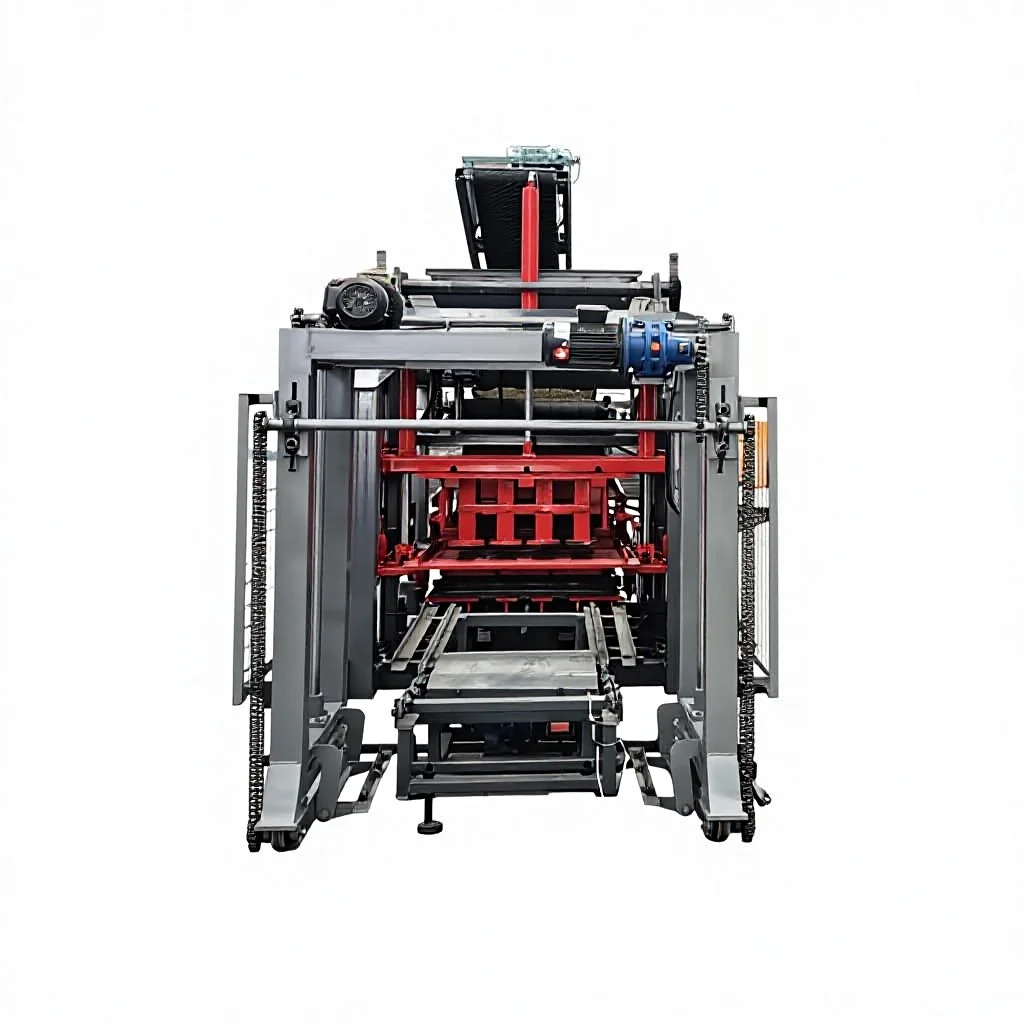
| Product Type | Interlocking Concrete Block Making Machine |
| Control System | PLC control cabinet |
| Hydraulic System | Independent integrated hydraulic station |
| Vibration Mode | Vertical station mode resonance, automatic FM-AM |
| Mould Change | Simple replacement for multi-format production |
| Cycle Time | 15–25 s depending on block format |
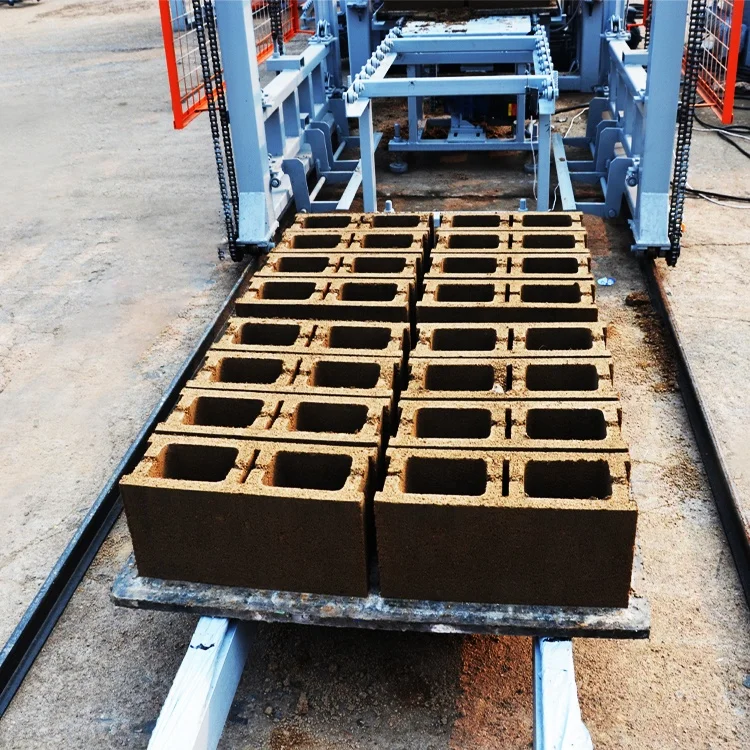
| Output: 400×200×200 mm hollow block | 1,800–2,400 pcs/h (15–20 s cycle, 10 pcs/mould) |
| Output: 400×150×200 mm hollow block | 2,160–2,880 pcs/h (15–20 s cycle, 12 pcs/mould) |
| Output: 240×115×53 mm solid brick | 8,928–11,160 pcs/h (15–20 s cycle, 62 pcs/mould) |
| Output: 200×100×60 mm paving block | 5,184–6,480 pcs/h (20–25 s cycle, 27 pcs/mould) |
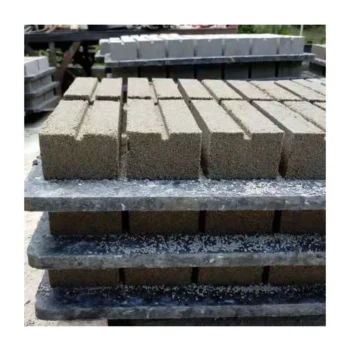
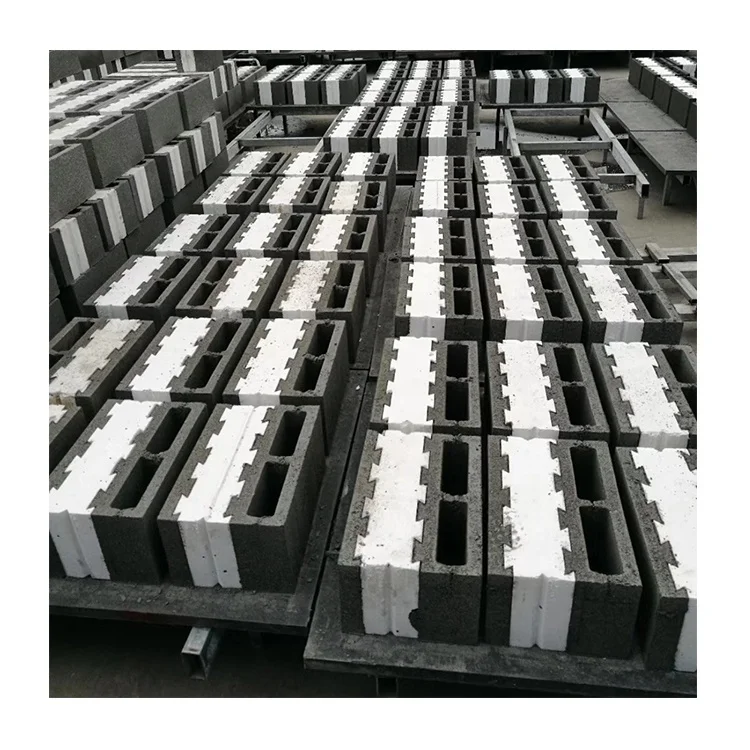
| Output: 225×112.5×60 mm interlocking block | 4,032–5,040 pcs/h (20–25 s cycle, 24 pcs/mould) |
| 8-Hour Shift: 400×200×200 mm hollow | 14,400–19,200 pcs |
| 8-Hour Shift: 225×112.5×60 mm interlocking | 32,256–40,320 pcs |
| Assembly State | Factory assembled, dismantled for container shipment |
| Warranty | 1 year for whole machine (excluding spare parts) |
| Voltage & Frequency | Basis not stated in source — confirm with buyer’s local grid |
| Pallet Size | Basis not stated in source — confirm block format and pallet material |
| Hydraulic Pressure | Basis not stated in source — confirm against manufacturer catalog |
| Vibration Force | Basis not stated in source — confirm against manufacturer catalog |
| Rated Power | Basis not stated in source — confirm against manufacturer catalog |
| Overall Dimensions | Basis not stated in source — confirm against manufacturer catalog |
| Net Weight | Basis not stated in source — confirm against manufacturer catalog |
Application Suitability
| Application | Material or Output |
|---|---|
| Interlocking brick production | Crushed stone, sand, cement blends for 225×112.5×60 mm interlocking format |
| Hollow block manufacturing | Aggregate and cement mixes for 400×200×200 mm and 400×150×200 mm cavity blocks |
| Solid brick production | Fine aggregate and cement for 240×115×53 mm standard solid bricks |
| Paving block production | High-strength concrete mixes for 200×100×60 mm pavers |
| Multi-cellular brick production | Varied aggregate gradings across cellular and perforated formats |
What "1,800 Pieces per Hour" Actually Means for the QT10-15 Interlocking Block Machine
Every capacity figure here is tied to a specific block dimension, mould cavity count, and cycle window.
When a quotation says the machine produces a certain number of blocks per hour without naming the format, buyers regularly discover on site that their real daily output falls well short of the number they used to justify the investment [NEED_CITE: common discrepancy between quoted and actual block plant output]. I have watched lines stall because the cycle time assumed for the headline capacity was measured on a small solid brick, while the buyer’s actual product was a large hollow block requiring a longer press cycle. The QT10-15 interlocking block machine specifications table above removes that ambiguity by listing each format separately with its own cavity count and cycle range.
Capacity Honesty Across Every Mould Format
The QT10-15 interlocking block machine is rated at 4,032–5,040 interlocking blocks per hour based on a 225×112.5×60 mm format running a 20–25 second cycle with 24 cavities per mould. Switch the mould to a 400×200×200 mm hollow block and the same press delivers 1,800–2,400 pieces per hour at a 15–20 second cycle with 10 cavities. These are fundamentally different production rates, and planning a shift schedule requires knowing both numbers before the machine ships.
Vibration Tuning to Local Aggregate
Vertical station mode resonance with automatic FM-AM adjustment lets the vibration profile adapt to the density of the mix entering the mould. When local aggregate carries higher moisture or finer sand content, the compaction behaviour shifts; a fixed-frequency vibration system would leave under-compacted blocks on one batch and over-pressed blocks on the next [NEED_CITE: effect of aggregate moisture variation on block compaction consistency]. The automatic modulation on this machine addresses that variance cycle by cycle rather than relying on the operator to notice and adjust manually.
Reading the Hydraulic and Vibration Pairing
Block strength in a vibration-press machine comes from the combined effect of hydraulic pressure and vibration force, not from either parameter in isolation. The independent integrated hydraulic station on the QT10-15 is isolated from the host vibration and dust, which keeps pressure delivery stable across a full shift instead of degrading as the machine heats up. If the vibration force and hydraulic pressure are not matched to the buyer’s specific mix design and local aggregate, blocks may meet dimensional tolerance but fail compressive strength testing [NEED_CITE: relationship between hydraulic pressure, vibration force, and concrete block compressive strength]. That is why the configuration conversation must start with a sample of the buyer’s actual raw material.
The Cost of Skipping Format-Level Capacity Checks
Ordering a machine on a single headline capacity number leads to downstream problems that compound quickly. If the pallet size was selected without considering the curing area the buyer already operates, blocks arrive at the rack in a footprint that the existing forklift cannot handle, forcing a double-handling step that erodes the shift output [NEED_CITE: pallet sizing mismatch and its impact on block plant logistics]. Mould change time is another hidden cost; if a shift loses a large portion of production to a mould swap, the format flexibility the buyer paid for is effectively cancelled out. These are not machine defects — they are specification gaps that surface only after installation.
Why Technical Buyers Source This Machine Here
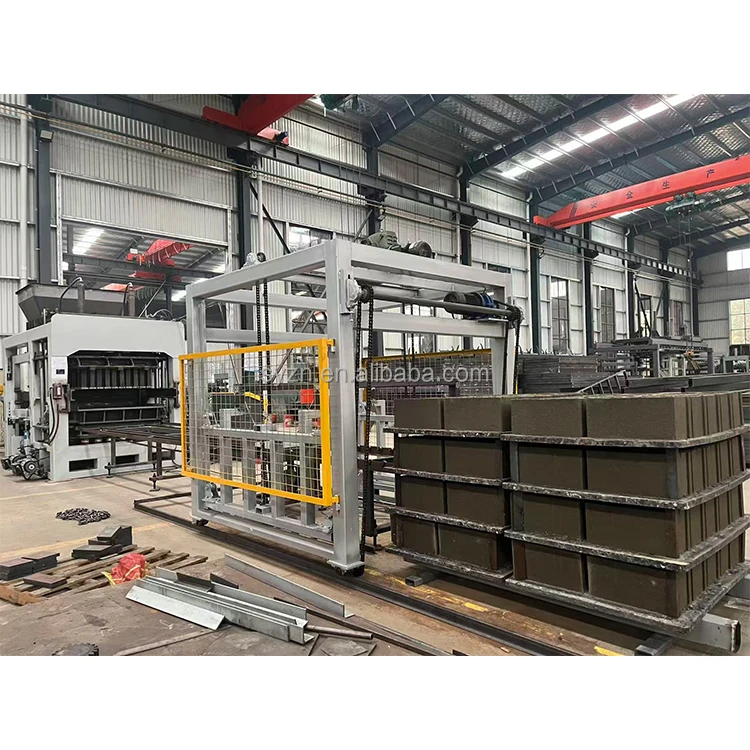
Block machinery is the single focus of Shandong Shiyue Intelligent Machinery, so the press, mould, pallet, and handling equipment are specified as one matched system rather than assembled from separate suppliers. Configuration is set against the buyer’s actual mix design and target block format, not a catalogue default. Mould design covers the formats the buyer’s market sells, including custom drawings for formats outside the standard range. The automation level is selectable, allowing a buyer to start with semi-automatic pallet handling and move toward full stacking later. Installation support includes operator training so the crew running the line on day one understands mould change procedure and cycle parameter adjustment.
Documentation & Verification
- Line layout and capacity calculation stating the block format assumed for each output figure
- Mould drawing and format list confirming cavity count and block dimensions
- Hydraulic and electrical schematic for on-site maintenance reference
- Voltage, frequency, and PLC display language confirmation before production
- Factory test record run on the buyer’s specified block format
- Wear parts and mould list identifying first-replacement items
Installation, Commissioning & Support
- Foundation must accommodate the dismantled assembly state and re-assembly sequence of the QT10-15
- Dedicated power circuit required; voltage and frequency to be confirmed against local grid before wiring
- PLC control cabinet configured to operator language before commissioning begins
- Independent hydraulic station inspected and pressure-set on site after transit
- Mould change procedure demonstrated and practiced during operator training
- Wear parts list reviewed so first replacements are on hand before production ramps up
What We Need to Size Your Line Correctly
Send the target block formats your market currently demands, along with the daily volume you need to sustain across those formats. Include a sample or description of your local aggregate — particle size, moisture range, and any clay content — so vibration and pressure settings can be matched before the machine is built. Confirm your site voltage, frequency, and preferred PLC display language to prevent commissioning delays once the QT10-15 arrives.
Frequently Asked Questions
Q: How is capacity calculated for each block format on the QT10-15?
A: Each output figure is derived from the mould cavity count multiplied by the number of cycles achievable within one hour at the stated cycle time range. For the 225×112.5×60 mm interlocking block, 24 cavities per mould at a 20–25 second cycle yields 4,032–5,040 pieces per hour. Different formats have different cavity counts and cycle windows, so every number is format-specific.
Q: Can custom moulds be designed for formats outside the standard range?
A: Yes. Mould design and supply covers the formats the buyer’s market actually sells, and custom moulds can be produced to buyer-provided drawings. The QT10-15 mould change system uses simple replacement, so adding a custom format does not require mechanical modification to the press itself.
Q: How are vibration force and hydraulic pressure matched to local aggregate?
A: The configuration process starts with the buyer’s raw material sample — aggregate type, particle size, moisture content, and cement ratio. Vibration frequency modulation and hydraulic pressure are then set to match that specific mix. This prevents the common problem where blocks pass dimensional checks but fail compressive strength tests due to a mismatch between machine settings and material behaviour.
Q: What pallet size and material work with this machine?
A: Pallet size depends on the block format being produced and the mould footprint, while pallet material must suit the curing environment and the forklift system already in use at the buyer’s plant. Both are confirmed during the configuration stage so that pallets arriving with the machine align with existing curing racks and handling equipment.