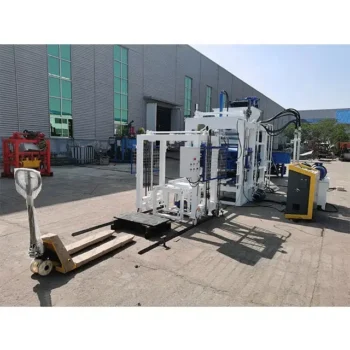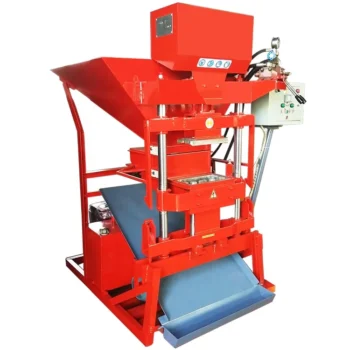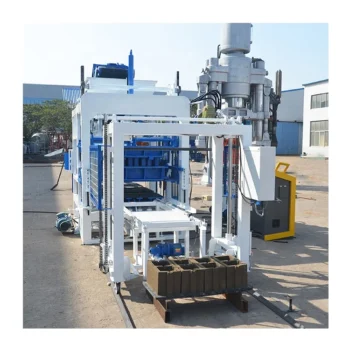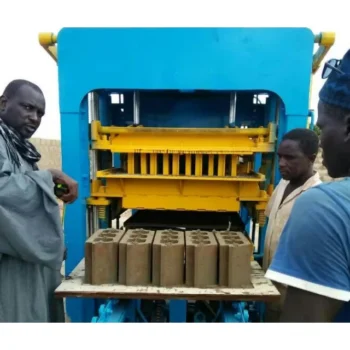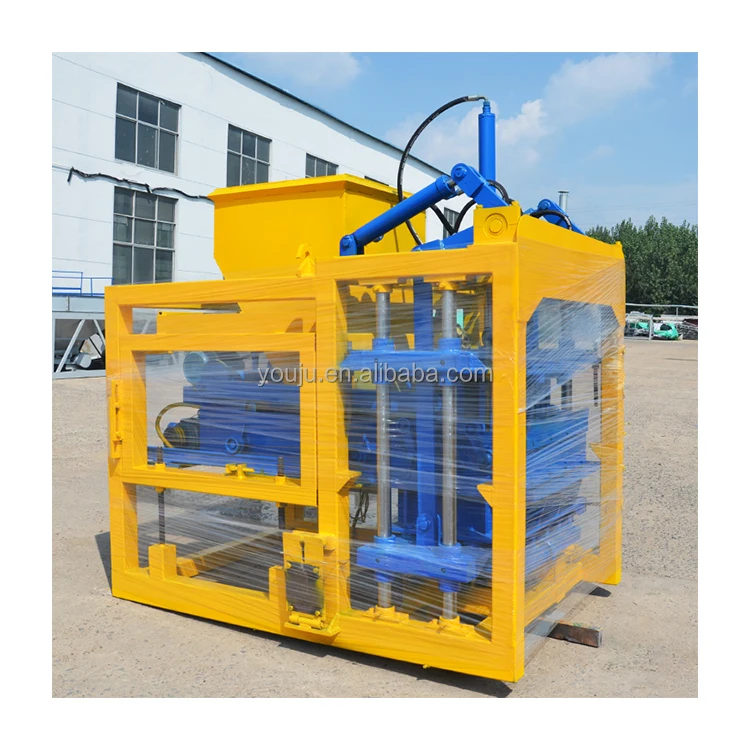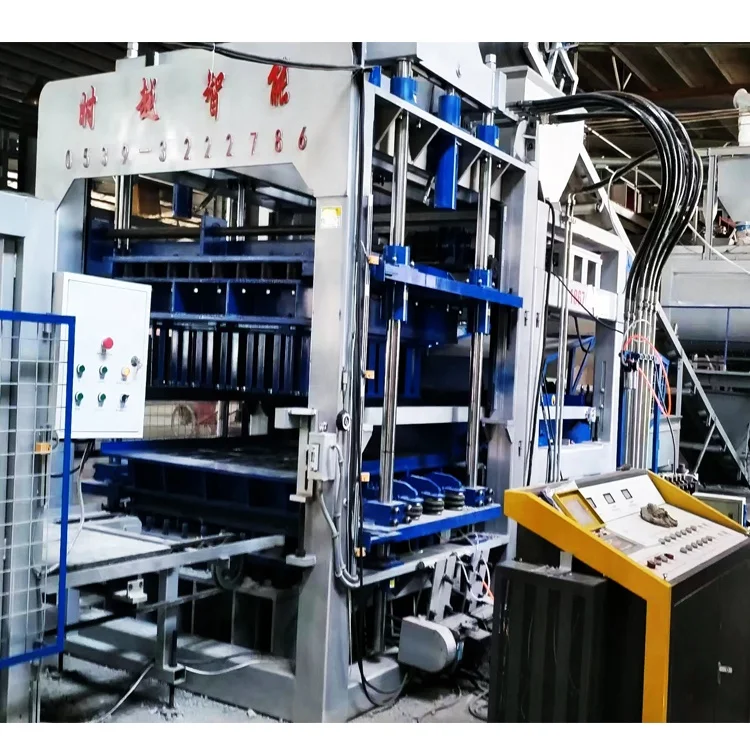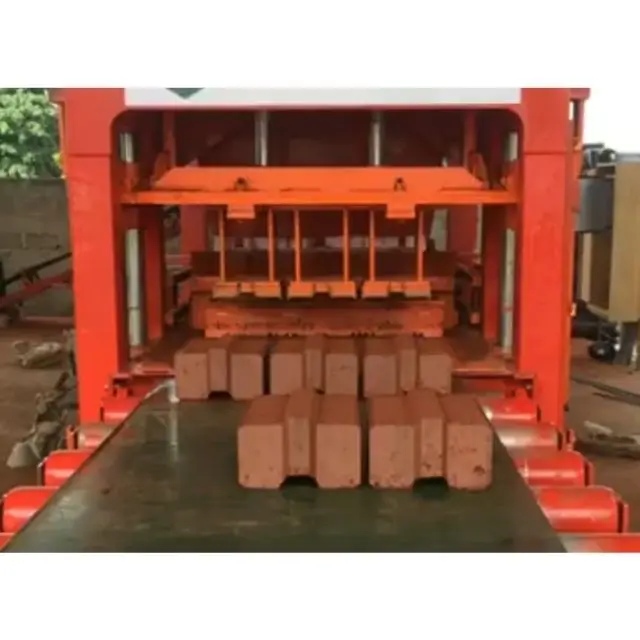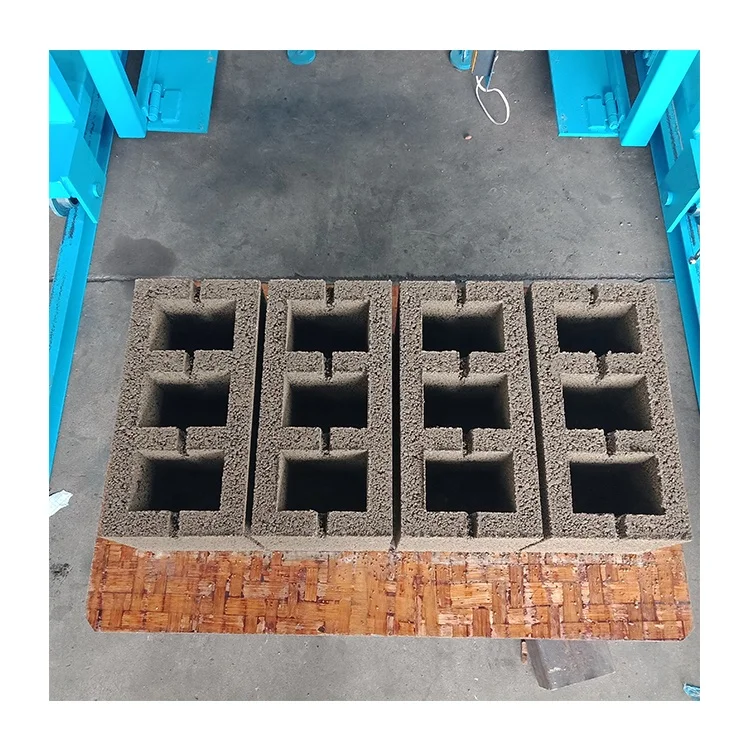
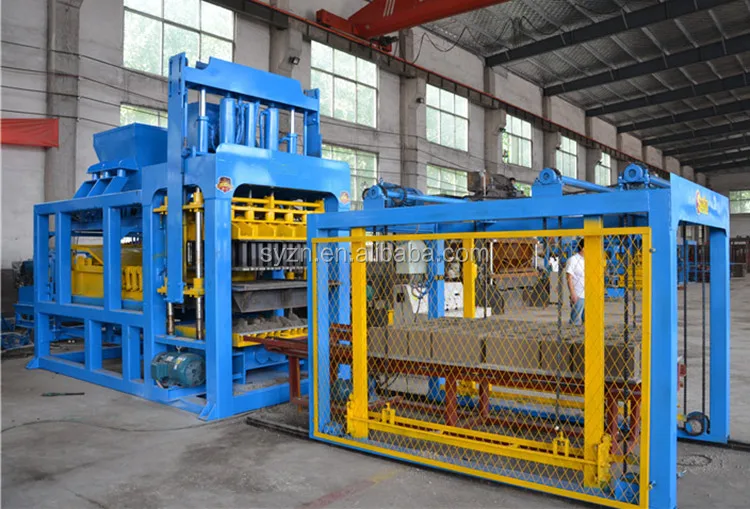

Description
Format-Matched Capacity Sizing — every Qt10-15 capacity figure we quote names the exact block format, pallet cycle, and local aggregate assumption rather than relying on a generic brochure number.
Technical Specifications
| Parameter | Value |
|---|---|
| Model | Qt10-15 |
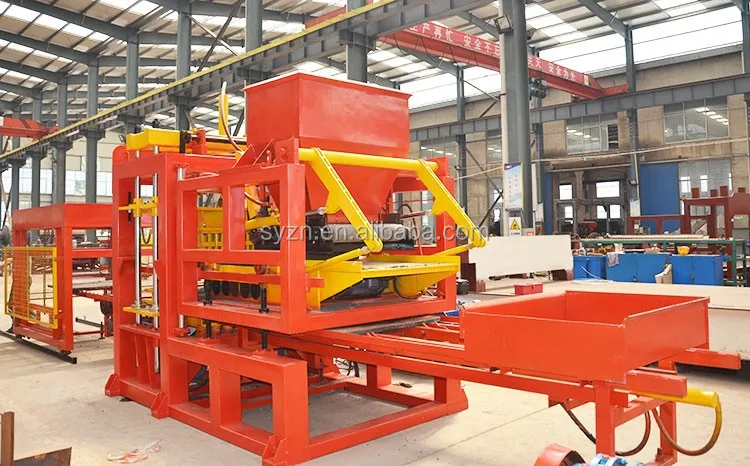
| Product Type | Automatic Concrete Block Making Machine |
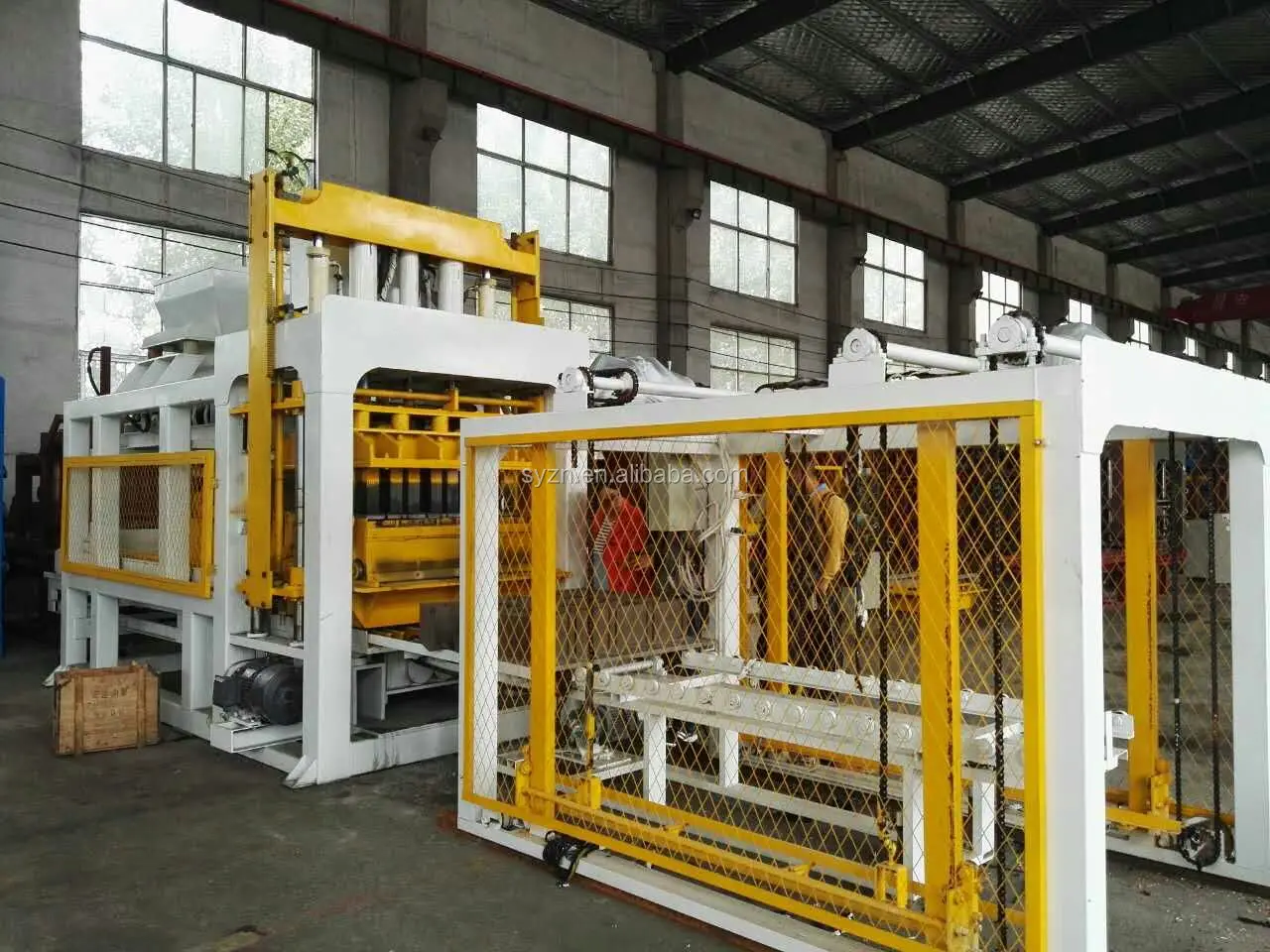
| Overall Dimensions (L×W×H) | 9350×2320×2950 mm |
| Rated Hydraulic Pressure | 21 MPa |
| Main Vibration Form | Platform Vibration |
| Vibration Frequency Range | 2800–4500 r/min |
| Vibration Force | 60 kN |
| Pallet Size | 1100×900 mm |
| Molding Cycle | 15–25 s (basis not stated in source — confirm block format / material / thickness) |
| Overall Power | 44 kW |
| Total Mass | 10 T |
| Demolding Method | Hydraulic |
| General Water Consumption | 8 T/Day |
| Recommended Factory Area | 500 m² |
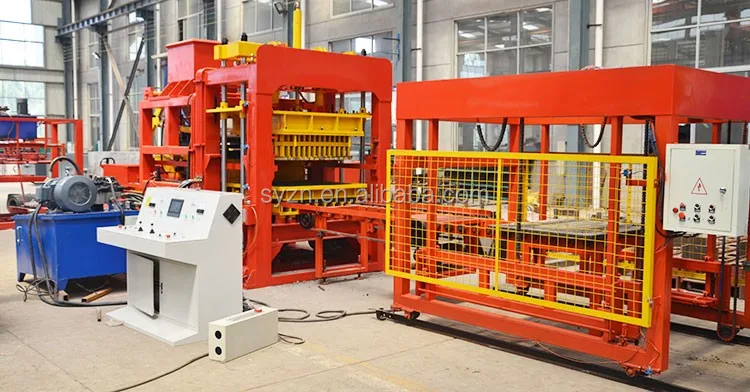
| Control System | PLC with person-machine conversation interface |
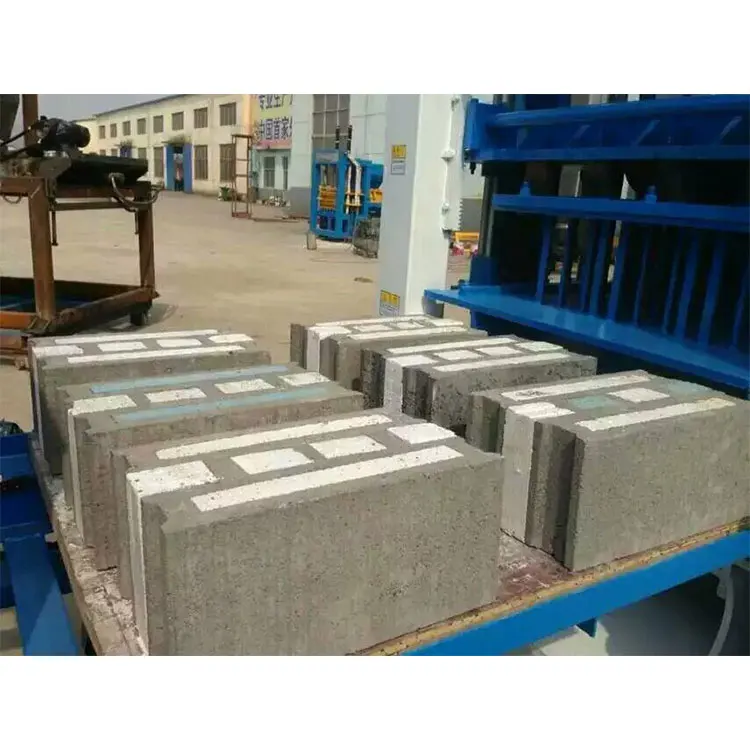
| Applied Products | Hollow blocks, solid blocks, pavers, interlocking blocks, curbstones, colored pavers |
| Compatible Raw Materials | Crushed stone, sand, cement, fly ash, gravel, slag, stone dust |
| Automation Level | Fully automatic production line |
| Mould Change Capability | Multiple formats via mould change |
| Warranty | 1st year spare parts (except quick-wear parts) and repair for equipment broken |
Application Suitability
| Application | Material or Output |
|---|---|
| Hollow block production for residential and commercial walls | Crushed stone, sand, cement, fly ash blends |
| Solid block manufacturing for load-bearing structures | Gravel, sand, cement mixes |
| Paving block and colored paver production for roads and landscapes | Fine aggregate, cement, pigment additives |
| Interlocking brick forming for retaining walls and erosion control | Sand, stone dust, cement combinations |
| Curbstone and kerb production for municipal infrastructure | Coarse aggregate, cement, high-pressure moulding |
| On-site block production for housing and development projects | Locally sourced sand, gravel, and cement |
What "15–25 Seconds per Cycle" Actually Means for Your Daily Output
A cycle time is only meaningful when tied to a specific block format, mould cavity count, and mix design.
Buyers often receive a single cycle time figure that assumes an ideal laboratory mix and a small solid block format. Once the machine arrives and runs the buyer’s actual hollow block or paver mould with local aggregate, the real cycle stretches beyond the quoted range. With the Qt10-15 automatic block machine specifications, the 15–25 second molding cycle must be confirmed against the exact format you intend to produce [NEED_CITE: block format and cycle time correlation in hydraulic press operations]. A 15-second cycle on a thin paver does not translate to the same rhythm on a 200 mm hollow block. I have watched plants lose entire shifts recalibrating after discovering this mismatch on their first production day.
Matching Vibration Force to Your Mix and Block Format
The Qt10-15 delivers platform vibration across a 2800–4500 r/min frequency range with 60 kN of vibration force, working alongside 21 MPa rated hydraulic pressure. These values must be tuned together against the specific block format and the buyer’s local aggregate gradation. Fine river sand demands different vibration energy than coarse crushed stone to achieve consistent compaction. The Qt10-15 automatic block machine specifications include this adjustable frequency range precisely so the machine can be commissioned around your real material, not a default test mix.
Pallet Size, Curing Area, and the Forklift You Already Own
The 1100×900 mm pallet size on the Qt10-15 determines how many blocks are produced per cycle and how the wet product moves into your curing area. If your existing curing racks, forklifts, or floor space were designed around a different pallet dimension, every pallet of output becomes a handling problem. We confirm pallet size and material against your site layout before the machine enters production [NEED_CITE: pallet standardization in concrete block curing operations]. This step prevents the costly situation where blocks are stacked by hand because the pallets do not fit the curing system the buyer already invested in.
Reading the Specs That Matter Beyond Brochure Numbers
The 44 kW overall power rating reflects the combined demand of the hydraulic pump, vibration motors, and PLC-controlled conveyor drives. Before confirming an order, the buyer’s local voltage and frequency must be established so the electrical cabinet is wound correctly for the destination market. The PLC person-machine conversation interface supports language configuration, which should be locked in before the control panel is assembled. A 10 T total mass and 9350×2320×2950 mm footprint define the foundation requirements and container loading plan. The 8 T/day water consumption figure guides the site’s water supply and drainage planning, while the recommended 500 m² factory area sets the minimum envelope for the press, mixer, and pallet return loop.
When the Wrong Configuration Reaches Your Site
A machine configured for a mix the buyer cannot source locally forces a material change that adds cost to every production cycle. Pallet handling, stacking, and curing equipment left out of the quotation means output piles up faster than workers can move it, creating breakage and bottlenecks. Voltage and PLC display language confirmed after shipment delays commissioning by days while replacement transformers or software loads are arranged [NEED_CITE: electrical commissioning delays in exported industrial machinery]. Mould change procedures that take most of a shift cancel out the format flexibility the buyer paid for, leaving the plant locked into a single product.
Why Sourcing This Machine Through a Format-First Process Differs
Every Qt10-15 proposal begins with the buyer’s target block format and local aggregate, so the capacity calculation states the assumption behind each output figure. Mould design covers the formats the buyer’s market actually sells, including custom drawings when standard moulds do not match local dimensions. Automation level is selectable, allowing a buyer to start semi-automatic and add stacking or cubing later as volume justifies the investment. Installation support includes on-site commissioning with operator training tuned to the buyer’s specific mix and product range. The machine, mould, pallet, and handling equipment are specified as one matched system rather than assembled from separate suppliers with mismatched cycle times.
Documentation & Verification
- Line layout with capacity calculation naming the block format assumed for each output tier
- Mould drawing and format list confirming cavity count and cycle time per product
- Voltage, frequency, and PLC display language confirmation sheet signed before production
- Factory test record with photographs showing the Qt10-15 running the buyer’s selected mould
- Hydraulic and electrical schematic matching the as-built configuration
- Packing photographs and customs documentation support for export shipment
Installation, Commissioning & Support
- Foundation plan sized to the Qt10-15 footprint of 9350×2320 mm with vibration isolation requirements
- Dedicated electrical circuit rated for the 44 kW total load at the confirmed local voltage and frequency
- Machine dismantled for container loading with reassembly sequence documented for site crews
- First-run commissioning tuning vibration frequency and hydraulic pressure to the buyer’s actual mix
- Operator training covering mould change procedure, PLC interface navigation, and daily maintenance checks
- Wear parts list identifying hydraulic seals, vibration springs, and mould liners with reorder codes
Preparing a Specification-Grade Inquiry
To receive a capacity calculation that reflects your real production conditions, share the exact block format you intend to sell, including dimensions and wall thickness. Provide a sample or description of your locally available aggregate and sand so the vibration and pressure settings can be matched before shipment. Confirm your site voltage, frequency, and preferred PLC display language to avoid commissioning delays. If you have existing curing racks or forklifts, send the dimensions so the pallet size can be coordinated with your handling infrastructure.
Frequently Asked Questions
Q: What block format is the cycle time based on, and what is the realistic daily output for my specific block?
A: The 15–25 second molding cycle on the Qt10-15 is a range that must be confirmed against your exact block format, wall thickness, and mix design. We provide a capacity calculation that names the specific format assumed, cavity count per mould, and pallets per hour so you can plan daily output accurately before committing to the machine.
Q: How is the vibration force and hydraulic pressure matched to my local aggregate and mix design?
A: The 60 kN vibration force and 21 MPa hydraulic pressure are tuned during commissioning based on your actual aggregate gradation and cement ratio. Fine sand requires different vibration energy than coarse crushed stone to achieve target block density, so we adjust frequency within the 2800–4500 r/min range to match your material.
Q: How long does a mould change take on the Qt10-15, and what formats can one machine run?
A: Mould change time depends on the format transition and whether the machine has a quick-change carriage. The Qt10-15 supports hollow blocks, solid blocks, pavers, interlocking bricks, and curbstones through mould swaps. We confirm the changeover procedure and expected downtime for your specific format pair during the proposal stage.
Q: What voltage, frequency, and PLC language will be confirmed before the machine ships?
A: We confirm the destination market voltage and frequency along with the PLC display language before the electrical cabinet is assembled. This prevents commissioning delays caused by mismatched transformers or unreadable control screens once the Qt10-15 arrives at your site.