

Description
Mould-matched output — every QMY4-30 portable block machine how to choose decision starts with your exact block drawing and local aggregate, not a catalogue default.
Technical Specifications
| Parameter | Value |
|---|---|
| Model | QMY4-30 |
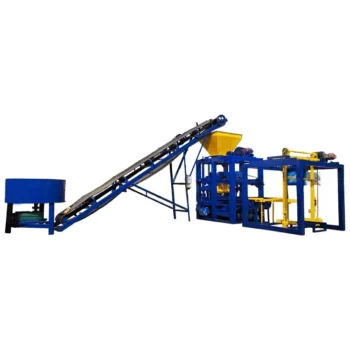
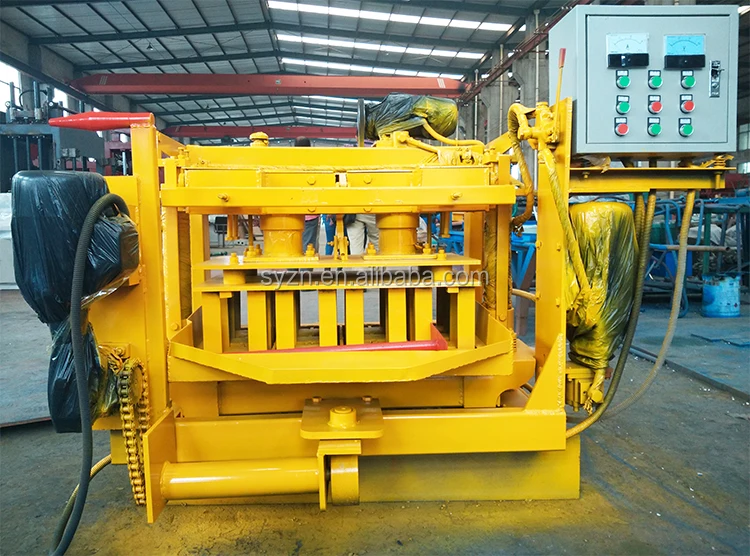
| Product Type | Diesel Engine Mobile Block Making Machine |
| Power Source | Diesel Engine |
| Voltage & Frequency | 220V/380V |
| Total Power | 5.95 kW |
| Overall Dimensions (L×W×H) | 1300 x 1500 x 1000 mm |
| Net Weight | 950 – 1000 kgs |
| Vibration Method | Mold Vibration |
| Vibration Force | 28.6 KN |
| Excitation Frequency | 4500 r/min |
| Molding Cycle | 30 s |
| Output Capacity | 3000 pcs/day (8 hours) (basis not stated in source — confirm block format / material / thickness) |
| Raw Material Compatibility | Concrete, sand, cement, fly ash, lime, gypsum, stone dust, construction waste, slag, mine tailings, river sand, coal gangue |
| Mould Format | Customizable per buyer design |
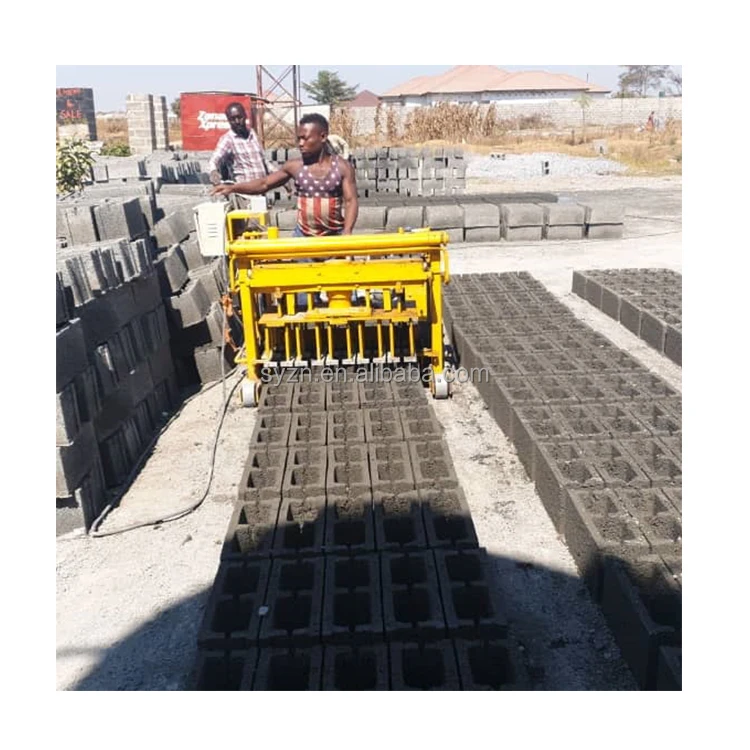
| Automation Level | Manual / Portable (egg-laying type) |
Application Suitability
| Application | Material or Output |
|---|---|
| Housing project on-site hollow block production | Crushed stone, cement, river sand |
| Remote coastal or hilly area solid brick runs | Fly ash, lime, local aggregate |
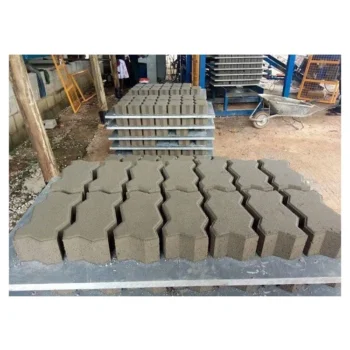
| Contractor-owned paving block batches for driveway and walkway work | Stone dust, cement, construction waste |
| Small-scale entrepreneur first plant | Sand, cement, coal gangue, slag |
| Mining-area kerbstone and interlocking brick | Mine tailings, cement, gypsum |
What the "3,000 Pieces per Day" Figure Leaves Out About Portable Block Machine How to Choose
Output means nothing until you name the block format, mix design, and pallet workflow that produce it.
Sellers quote mobile block making machine specifications with a single daily number, but that number hides the block size, wall thickness, and curing cycle behind it. A hollow block and a solid paving brick consume very different cycle times on the same press, so the 3,000-piece claim could represent an eight-hour shift of 400×200×200 mm hollow blocks or a much smaller count of dense interlocking pavers. [NEED_CITE: typical block format cycle time differences on egg-laying machines] When the format is left unconfirmed before shipment, buyers discover on site that the machine runs fine but the daily tally never reaches the quoted figure.
Mould Vibration Force Meets Your Local Aggregate
The QMY4-30 delivers 28.6 KN of mould vibration at 4500 r/min, which is the force window that compacts concrete around coarse aggregate. Matching this vibration force to your specific sand gradation and cement ratio is what keeps block strength consistent from the first pallet to the last. A portable block machine how to choose decision that ignores local aggregate ends up with crumbly edges or over-compacted cores, both of which fail compressive tests on site.
Diesel Power Removes the Grid Dependency Problem
A diesel-driven press lets contractors produce blocks directly on a hillside housing development or a coastal road project where three-phase power is months away. The 5.95 kW total power rating means fuel consumption stays within a range that a standard 200-litre drum can cover for a full shift. [NEED_CITE: diesel block machine fuel consumption on remote construction sites] This mobile block making machine specifications package keeps the machine moving with the project instead of waiting for utility connections.
Reading the Cycle Time Against Your Block Drawing
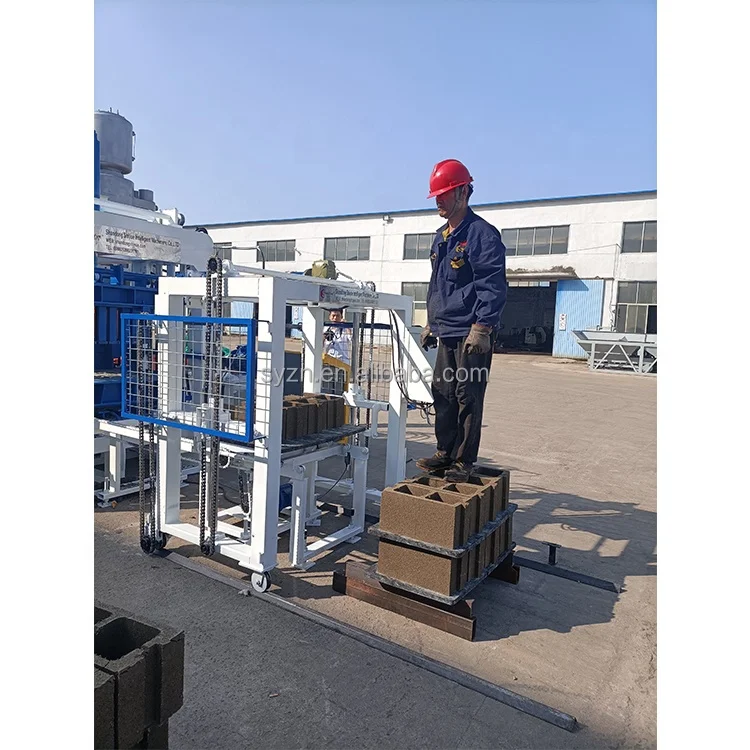
The 30-second moulding cycle governs how fast the press completes one vibration-and-release sequence, but the operator still has to wheel the machine forward, level it, and feed the next batch. On a 400×200×200 mm hollow block, that cycle can sustain steady output; on a thinner paving block, the press finishes faster than the operator can reposition. Understanding mobile block making machine specifications at this level prevents the gap between quoted capacity and what actually stacks on the curing slab.
The Cost of Skipping the Format Conversation Before Shipment
When a buyer accepts a default mould without confirming the block dimensions that local builders actually order, the machine arrives and produces a format nobody wants to buy. Mould replacement on an egg-laying machine means new tooling fabrication and a second ocean shipment, turning a quick start-up into a multi-week delay. [NEED_CITE: mould change lead time and cost for portable block machines] Choosing the wrong pallet size also forces the contractor to reorganise the curing yard or rent a different forklift, adding handling costs that were never in the budget.
Why Sourcing the QMY4-30 Through a Block-Line-Focused Supplier Matters
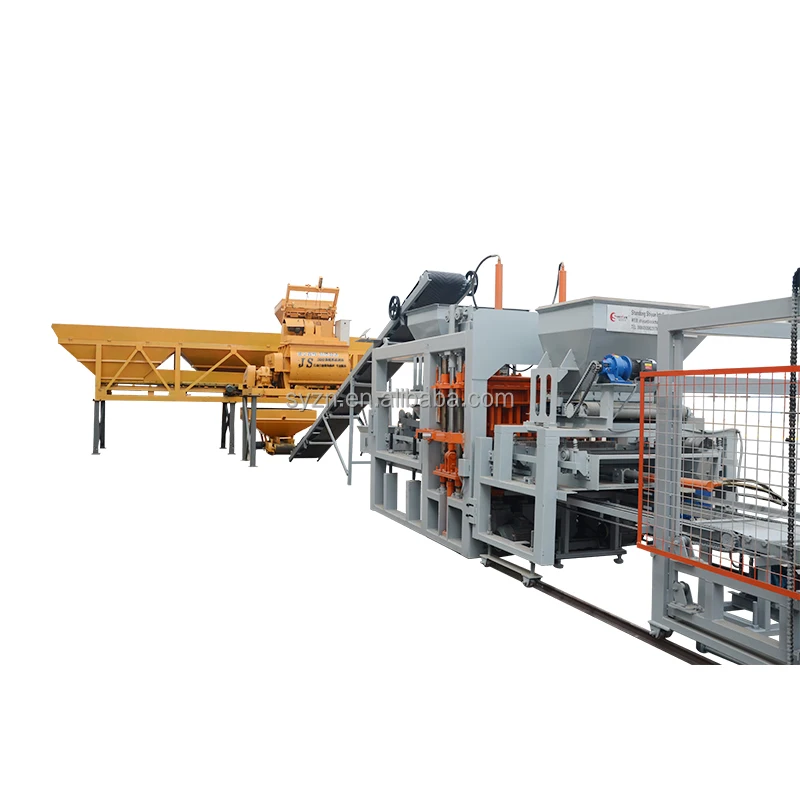
Block machinery is our single focus, so the QMY4-30 is specified together with its mould, pallet, and handling workflow as one matched system. Configuration is set against your confirmed mix design and local aggregate, not a catalogue default. Mould design follows your block drawing, including custom formats that your market actually sells. [NEED_CITE: block machine system integration versus separate component sourcing] Automation level is selectable, so a contractor can start with manual egg-laying and add pallet feeding later without replacing the press.
Documentation & Verification
- Capacity calculation document stating the exact block format behind the daily output figure
- Mould drawing and format list confirming dimensions the local market requires
- Machine specification sheet matching vibration force to your confirmed mix and aggregate
- Voltage, frequency, and control language confirmation signed off before production
- Factory test record run on your block format prior to dispatch
Installation, Commissioning & Support
- Flat concrete slab or compacted ground required under the 1300 x 1500 mm machine footprint
- 220V/380V dual-voltage wiring verified on site before first diesel start
- Machine shipped fully assembled; wheels and handle fitted on arrival
- First-run moulding cycle set at 30 s and adjusted to your aggregate moisture
- Operator training covers vibration force tuning and block release timing
- Wear parts list includes mould liner and vibration motor brushes
What to Send With Your Inquiry
Share the exact block dimensions and compressive strength your local builders specify, along with the sand and aggregate sources available near your project site. Tell us the voltage and frequency at the nearest grid point in case you later add a batching mixer. Confirm the pallet size your existing curing yard can handle so the QMY4-30 workflow fits your space.
Frequently Asked Questions
Q: How is the 3,000 pcs/day capacity calculated, and which block format does it assume?
A: That figure is based on an eight-hour shift, but the source does not state the block format, wall thickness, or material behind it. We provide a capacity calculation document that names the exact dimensions and mix design used, so you can verify whether the number applies to your product or needs recalculation for a different format.
Q: Can the mould be designed to match my local market’s specific block dimensions and strength requirements?
A: Yes. Send us your block drawing or a sample, and the mould is built to those dimensions. We confirm the format list, wall thickness, and target compressive strength before fabrication so the QMY4-30 produces the product your builders actually order.
Q: How do I match vibration force and mix design to ensure consistent block strength with my local aggregate?
A: We set the 28.6 KN vibration force and 4500 r/min frequency against your confirmed sand gradation, cement ratio, and aggregate size. A test run on your mix is recorded before shipment, and adjustments are documented so your operator can replicate the result on site.
Q: What voltage and frequency options are available, and how is the control system language confirmed?
A: The QMY4-30 supports 220V/380V, and we confirm the exact voltage, frequency, and panel language with you in writing before production. This prevents the commissioning delays that happen when a machine arrives with the wrong electrical configuration or an unreadable display.