

Description
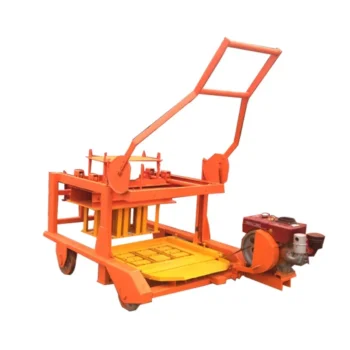
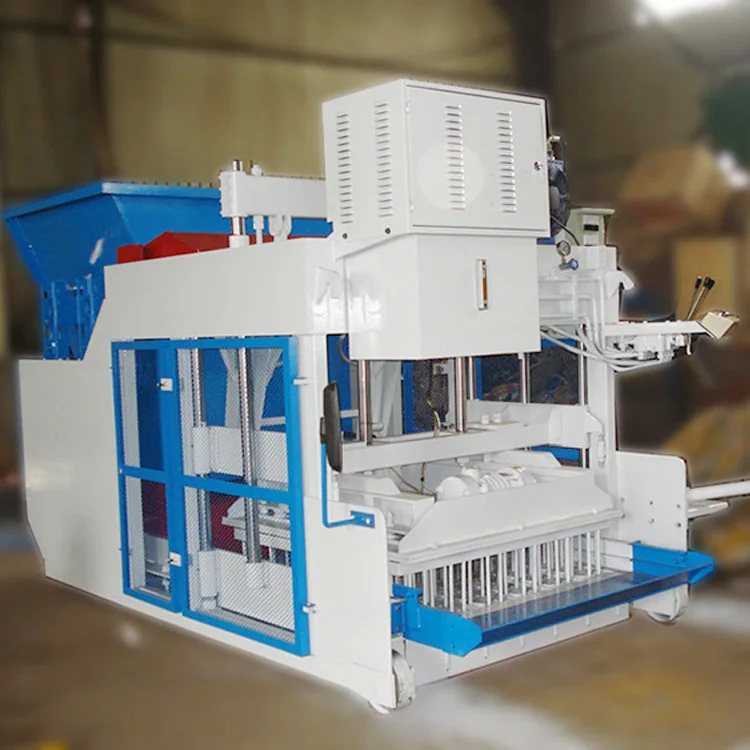
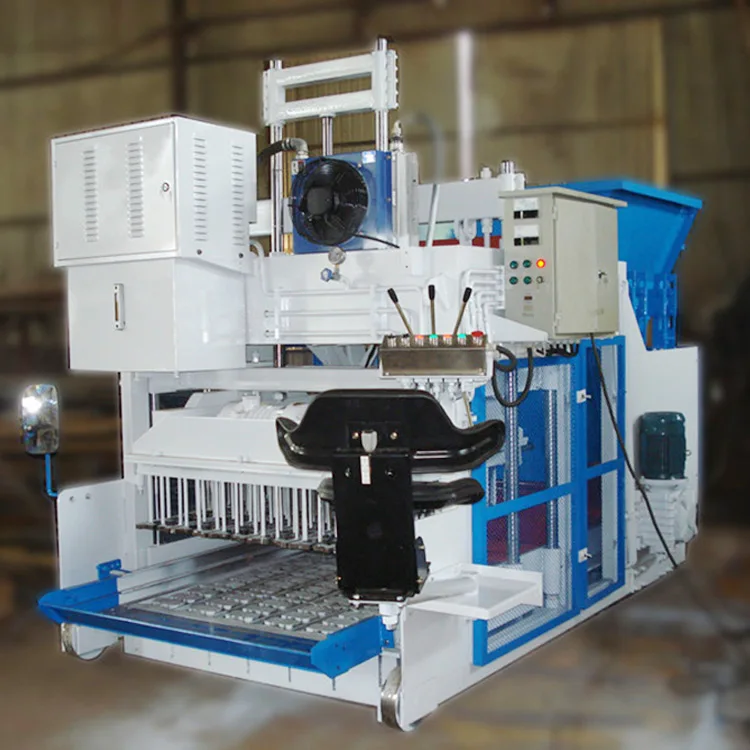
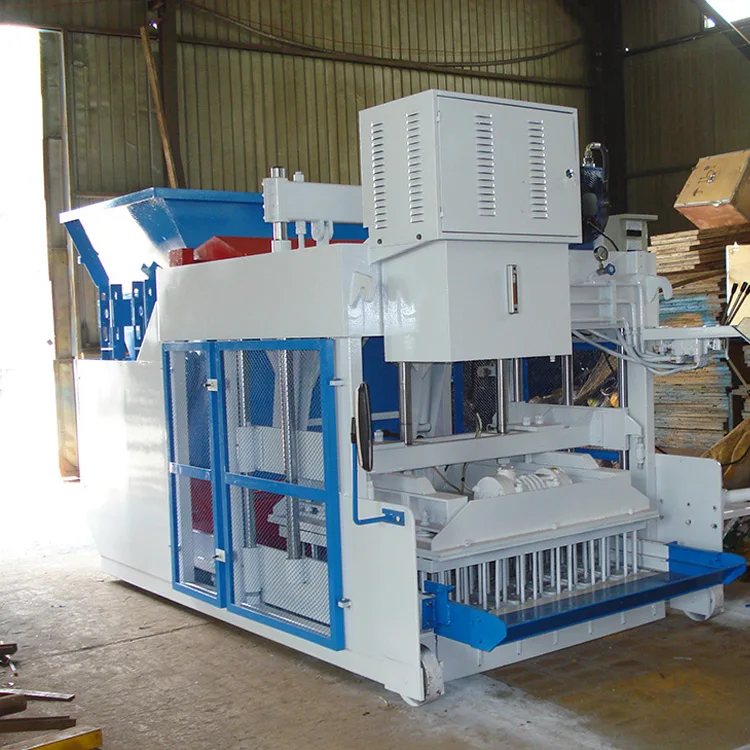
Matched Mould System — we specify the QMY18-15 hydraulic platform, mould format and block strength target together against your actual aggregate, so the first shift produces saleable product instead of crumbled edges.
Technical Specifications
| Parameter | Value |
|---|---|
| Model | QMY18-15 |
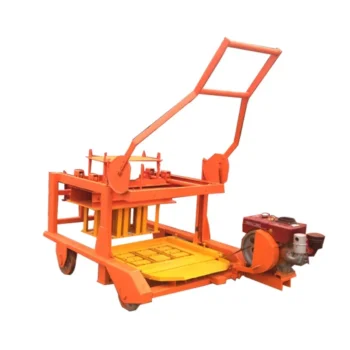
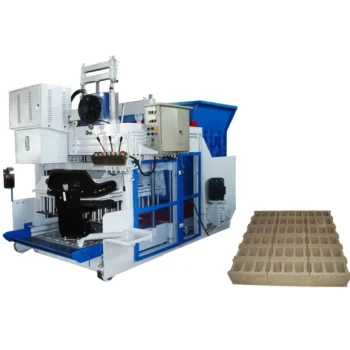
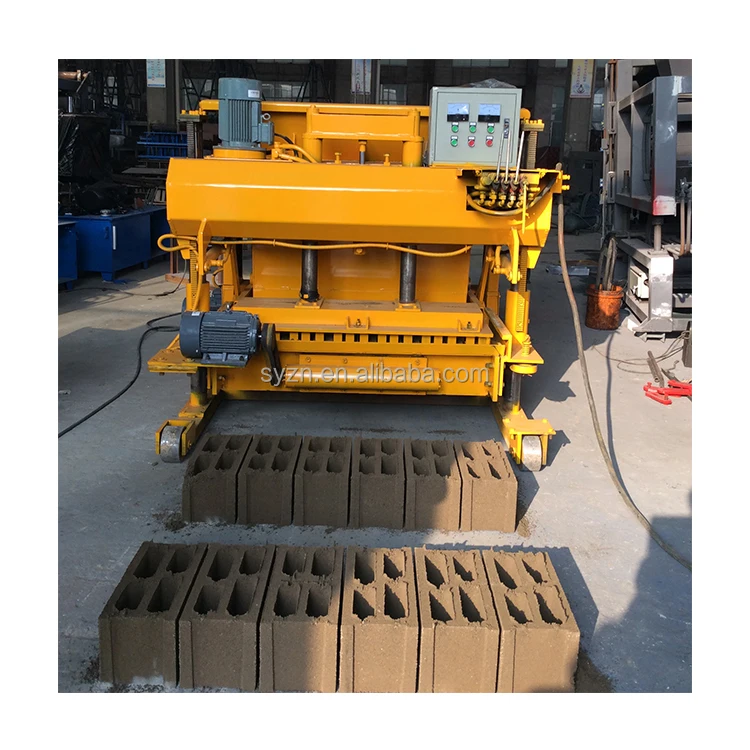
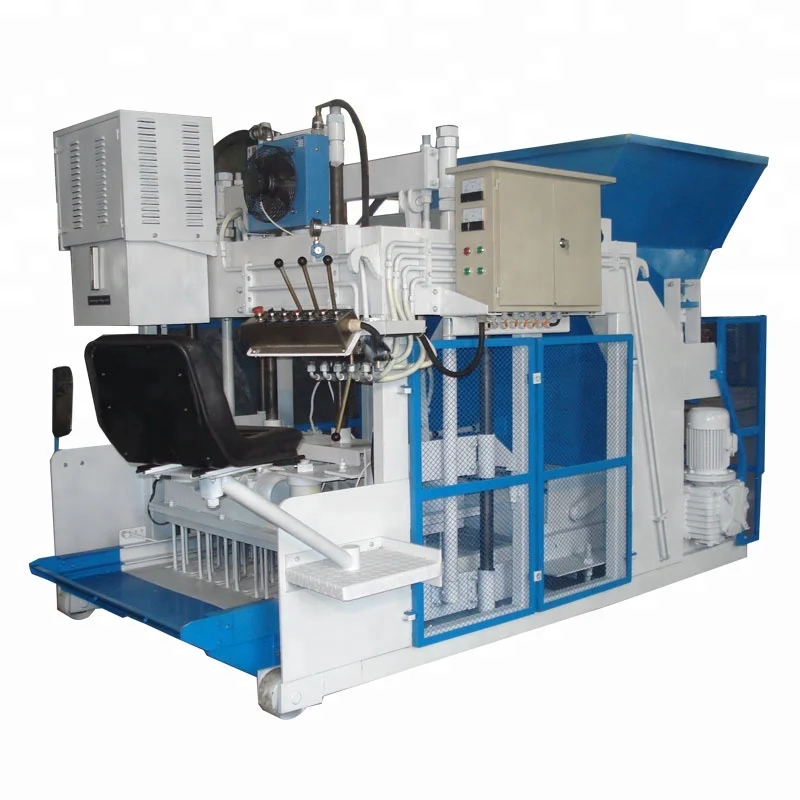
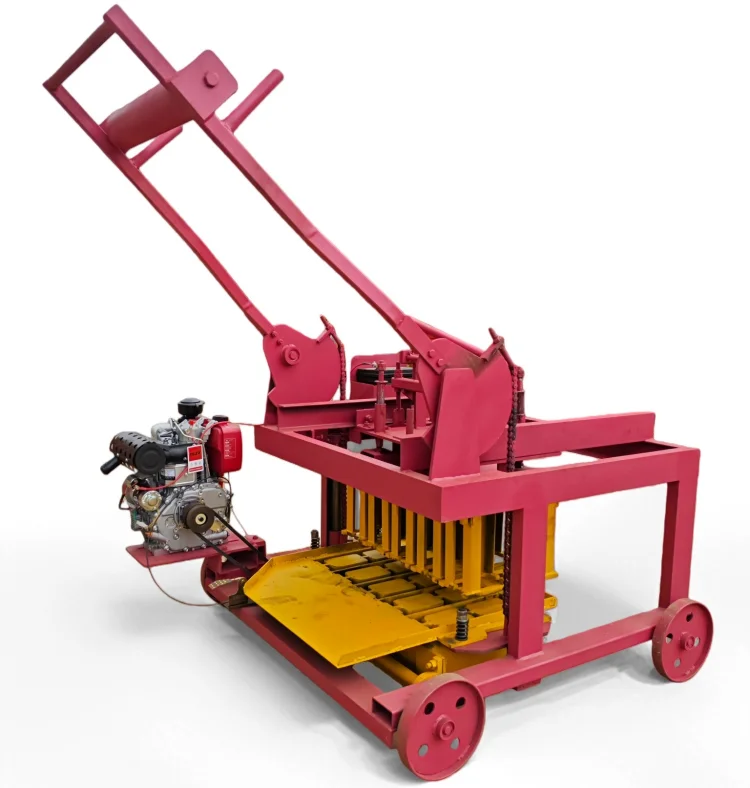
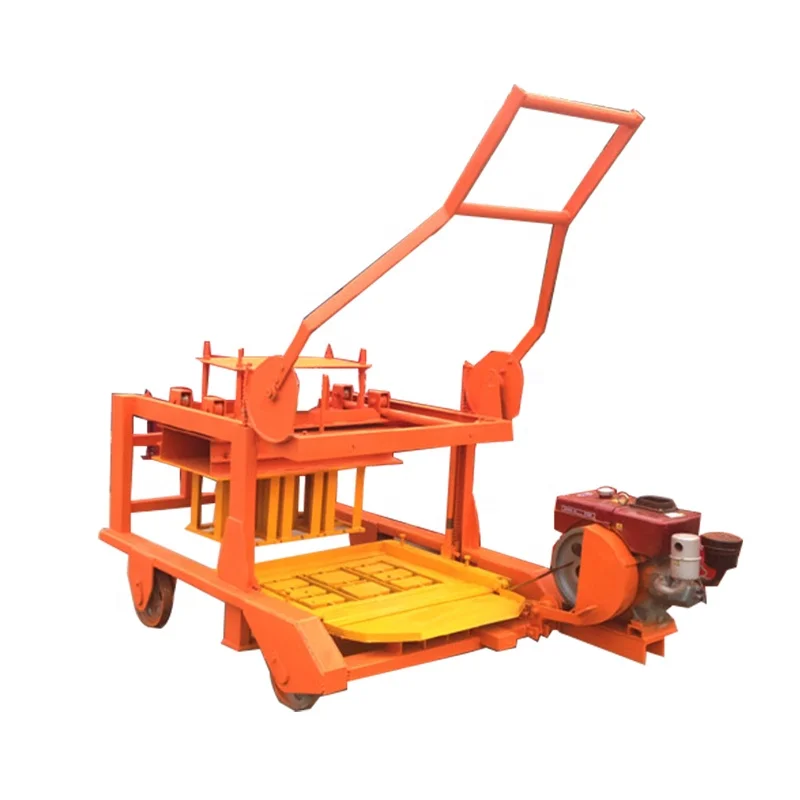
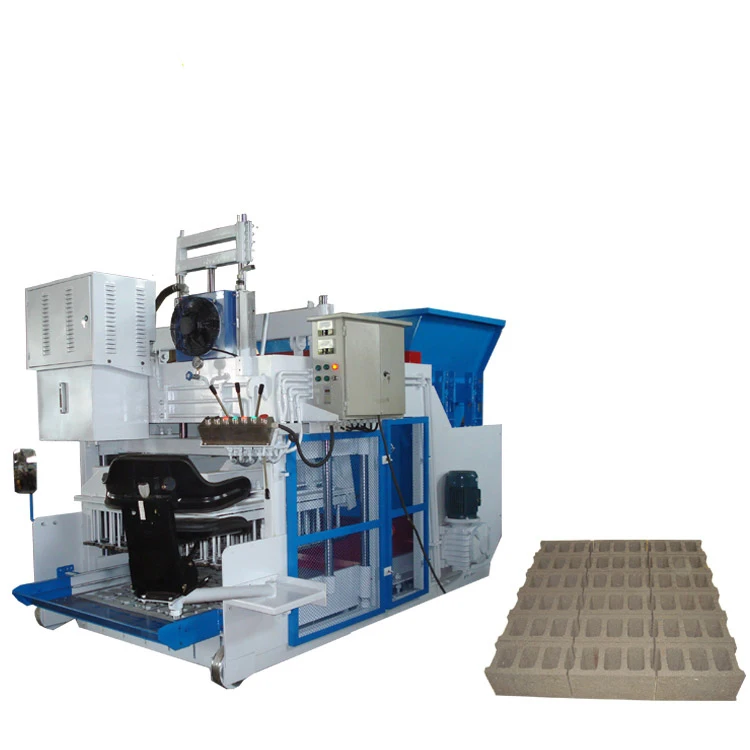
| Product Type | Mobile Hydraulic Egglaying Block Making Machine |
| Machine Type | Hydraulic mobile egglaying (pallet-free) |
| Hydraulic System | Upgraded hydraulic based on QMY12-15 platform |
| Pallet Requirement | None (egglaying / pallet-free on-site production) |
| Block Density | High density (basis to be confirmed with mix design) |
| Output Capacity | Large output (basis to be confirmed per block format) |
| Automation Level | Manual pallet handling, mobile operation |
| Mould Format | Configurable — confirm hollow, solid, paving or interlocking |
| Cycle Time per Format | Basis to be confirmed against target block dimensions |
| Hydraulic Pressure | High pressure rated (basis to be confirmed in MPa) |
| Stacking Method | Manual (egglaying directly on ground) |
| Operating Environment | On-site mobile production, no fixed plant required |
Application Suitability
| Application | Material or Output |
|---|---|
| On-site hollow block production for building contractors | Crushed stone, sand and cement mixes laid directly on compacted ground |
| Temporary solid block production at housing project locations | Local aggregate blended with cement for structural and infill formats |
| Startup block plant with minimal infrastructure | Paver and interlocking brick formats without pallet or rack investment |
| Remote site production for development contractors | Site-sourced aggregate matched to mould format and hydraulic pressure |
What "High Output" Hides When Format Is Never Named
Every honest capacity sheet must start with the block format it assumes.
Capacity numbers quoted in cycles per hour sound impressive until you ask which block size those cycles were measured on. A hollow block cycle and a solid paving block cycle consume very different vibration times and hydraulic strokes on the QMY18-15. Without the format stated, your daily production plan is built on air. The mobile egglaying block making machine specifications you receive should name the block, the mix and the shift length before quoting pieces per day. [NEED_CITE: block format assumptions in capacity calculations]
Matching Vibration and Pressure to Your Aggregate
The QMY18-15 carries an upgraded hydraulic system developed from the QMY12-15 platform, giving higher hydraulic pressure for denser compaction. That pressure only translates into block strength when the vibration force is tuned to your specific aggregate gradation. A coarse volcanic scoria needs a different vibration profile than fine river sand. Mobile egglaying block making machine specifications should therefore record both the pressure setting and the vibration frequency matched to your sample mix before dispatch.
Format-by-Format Cycle Time and Realistic Shift Output
Pallet-free egglaying means the machine moves forward after each press cycle, laying blocks directly on the ground. The time between cycles depends on block height, cavity count and the vibration duration your aggregate demands. A thin paving format completes faster than a tall hollow block. The QMY18-15 output must be quoted per format, not as a single figure, so that your project schedule reflects the block your market actually buys. [NEED_CITE: relationship between block height and vibration dwell time]
Reading the Spec Sheet for What It Omits
Three parameters decide whether the QMY18-15 will produce strong blocks on your site: hydraulic pressure, vibration force and mould format. Hydraulic pressure drives compaction; vibration eliminates air pockets in low-slump mixes. The mould format dictates cycle length and daily volume. If the mobile egglaying block making machine specifications you receive list only one of these, the other two remain assumptions. Ask for all three tied to your target block before the quotation is finalised.
The Cost of Skipping Mix-to-Machine Alignment
When hydraulic pressure and vibration are set to a catalogue default rather than your local aggregate, the first batches crack at the edges or crumble during handling. I have watched a contractor lose an entire day of production in Dubai because the vibration frequency was tuned for basalt while the site was feeding volcanic scoria. Correcting the settings took half a shift. Mould change time compounds the problem: if the wrong format was selected at order stage, swapping moulds on site adds further downtime. [NEED_CITE: field adjustment of vibration frequency for local aggregate]
Why Specify This Machine Here
Block machinery is a single focus at Shandong Shiyue Intelligent Machinery, so the QMY18-15 press, mould and hydraulic system are specified as one matched set rather than assembled from separate suppliers. Mould design covers the formats your local market sells, including custom drawings when standard cavities do not fit your dimensions. Configuration is set against your actual mix and aggregate, not a default catalogue setting. Voltage, frequency and control language are confirmed before production so commissioning is not delayed on arrival. Wear parts and replacement moulds are listed with lead times before you place the order.
Documentation & Verification
- Capacity calculation sheet stating block format assumed for each output figure
- Mould drawing and format list showing cavity options for the QMY18-15
- Hydraulic and electrical schematic matched to your voltage and frequency
- Factory test record on your aggregate sample before dispatch
- Wear parts and mould availability list with replacement lead times
Installation, Commissioning & Support
- Level compacted ground required; no concrete foundation needed for the QMY18-15 egglaying operation
- Dedicated power circuit sized to the confirmed voltage and hydraulic motor rating
- Machine shipped assembled; on-site setup limited to hydraulic fluid fill and control check
- First-day parameter tuning of vibration and pressure against your mix sample
- Operator training on mould change procedure and daily greasing points
- Replacement hydraulic seals and vibration motor brushes stocked with lead times
What to Share Before the Quotation
To size the QMY18-15 correctly, send your target block format with dimensions, the local aggregate type and gradation, and the daily volume your project demands. Confirm your site voltage and frequency so the hydraulic motor and control panel are wound for your grid. If you already run a mixer or conveyor upstream, share its output rate so the mobile egglaying block making machine specifications match the line rhythm.
Frequently Asked Questions
Q: How is daily output calculated for each block format on the QMY18-15?
A: Daily output is calculated from the cycle time of your specific block format, multiplied by the number of blocks per mould, then adjusted for shift length and expected ground-moving intervals. The capacity sheet you receive names the exact format, mix and shift hours assumed, so the figure reflects your actual production plan rather than a generic maximum.
Q: Which mould formats are available and what is the cycle time per format?
A: The QMY18-15 accepts hollow, solid, paving and interlocking brick moulds designed to your block dimensions. Cycle time varies with block height and the vibration dwell your aggregate requires. We quote cycle time per format after reviewing your sample mix, so the number on the sheet matches what you will produce on site.
Q: What hydraulic pressure and vibration force are matched to my local aggregate?
A: Hydraulic pressure and vibration frequency are tuned together against a sample of your aggregate and mix design. We run test cycles at our factory using your material before final pressure and vibration settings are locked. The test record ships with the machine so you can replicate the settings on day one.
Q: How long does a mould change take and what tools are required on site?
A: A mould change on the QMY18-15 involves unbolting the existing mould box, lifting it clear and securing the replacement. The procedure uses standard hand tools listed in the operation manual. We state the expected change time in the documentation so you can plan format rotation into your weekly schedule without surprise downtime.
Q: What voltage, frequency and control language options are confirmed before dispatch?
A: Voltage and frequency are wound to your site supply before the hydraulic motor and control panel are assembled. The control display language is confirmed in writing during the order stage. A voltage and language confirmation sheet is included in the shipping documentation so commissioning proceeds without electrical rework on arrival.