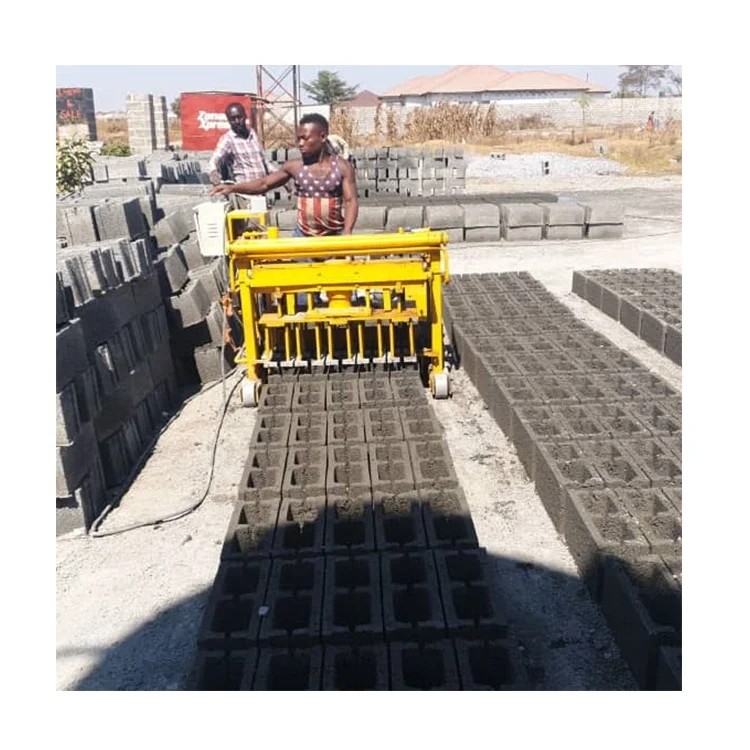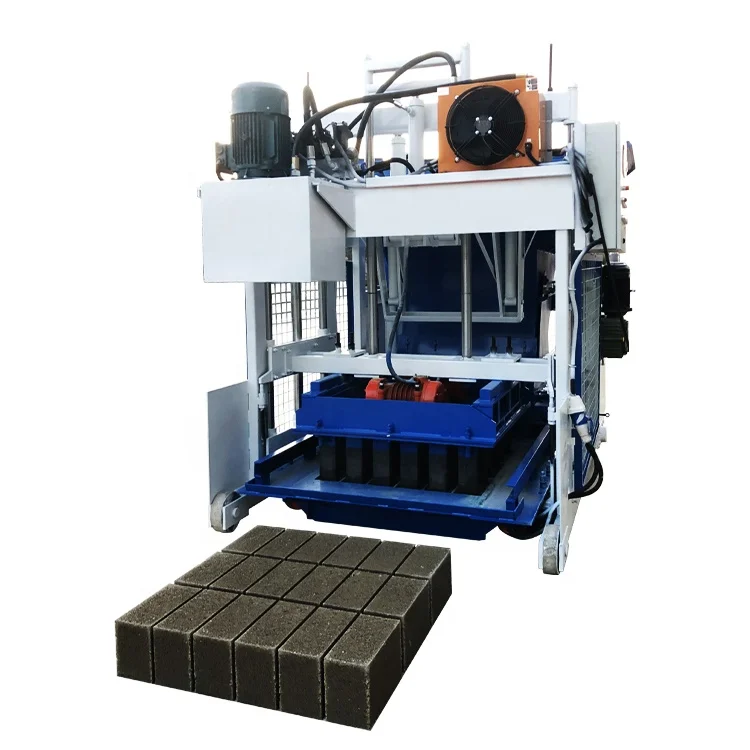
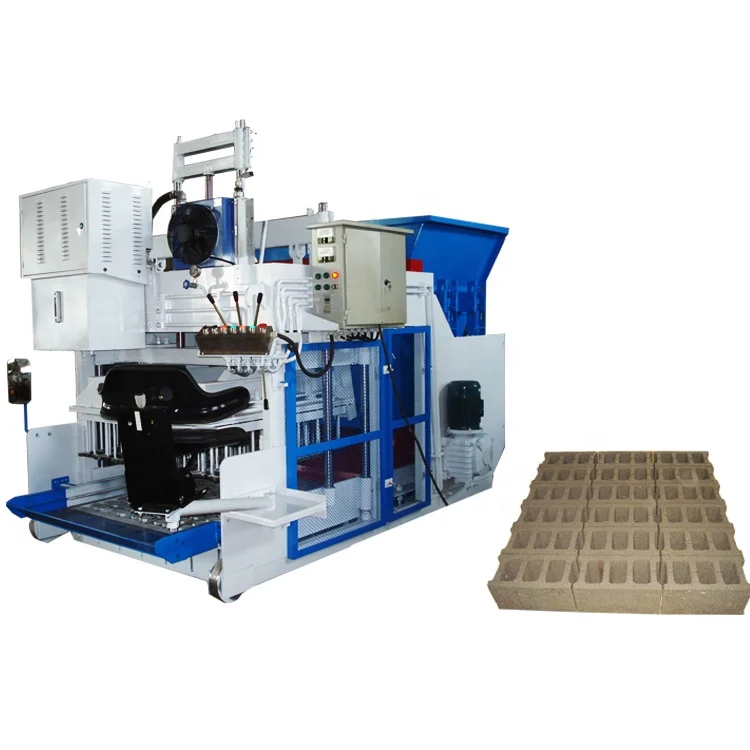
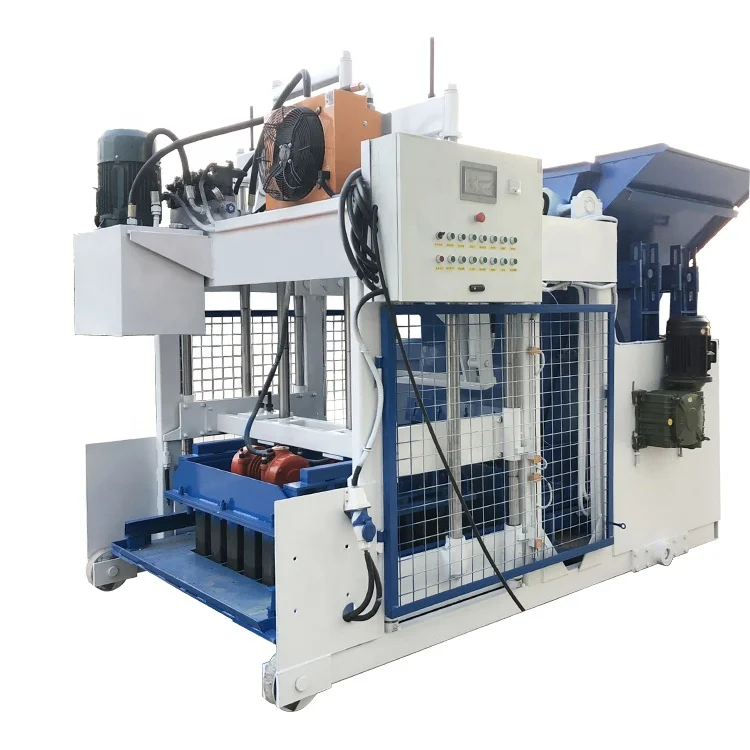
Description
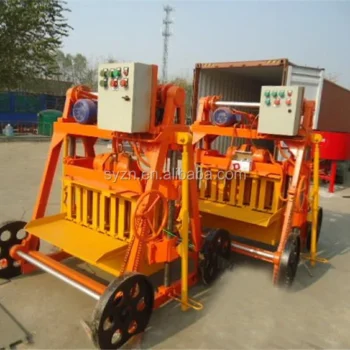
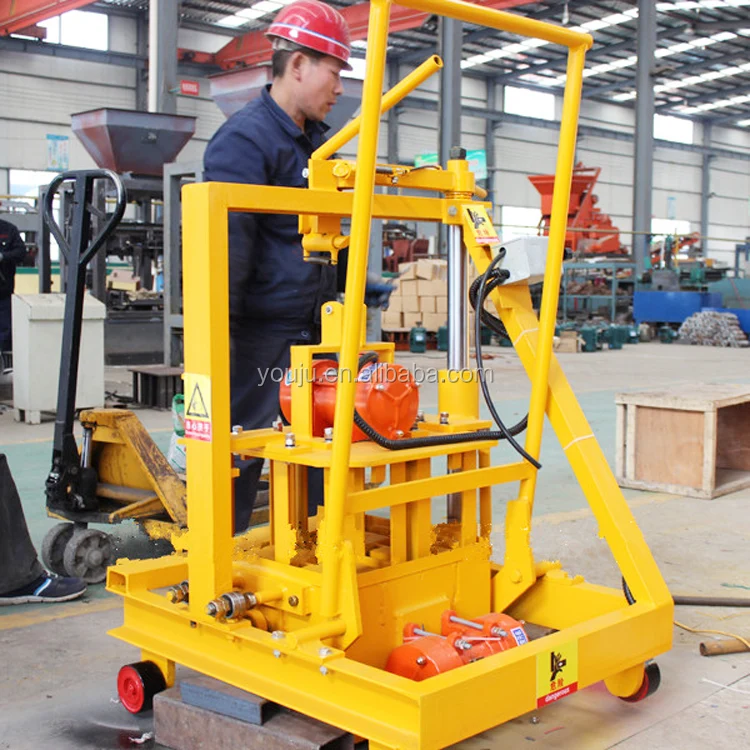
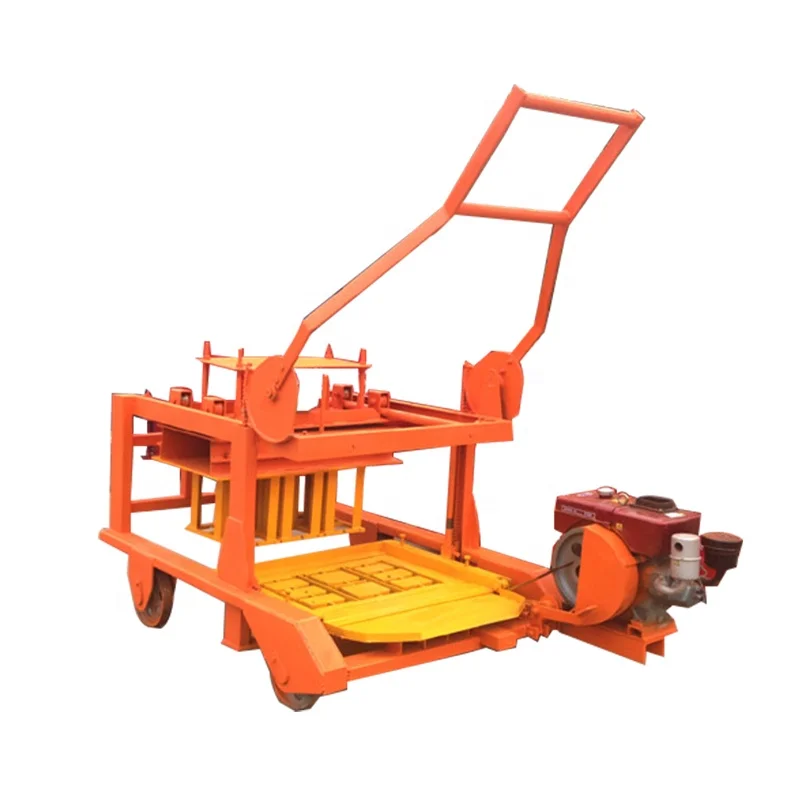
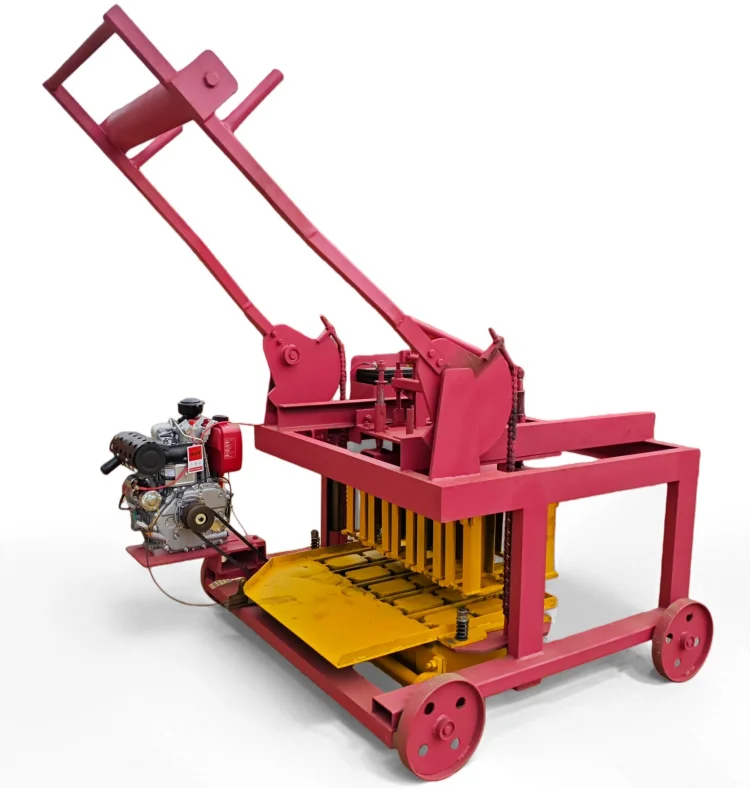
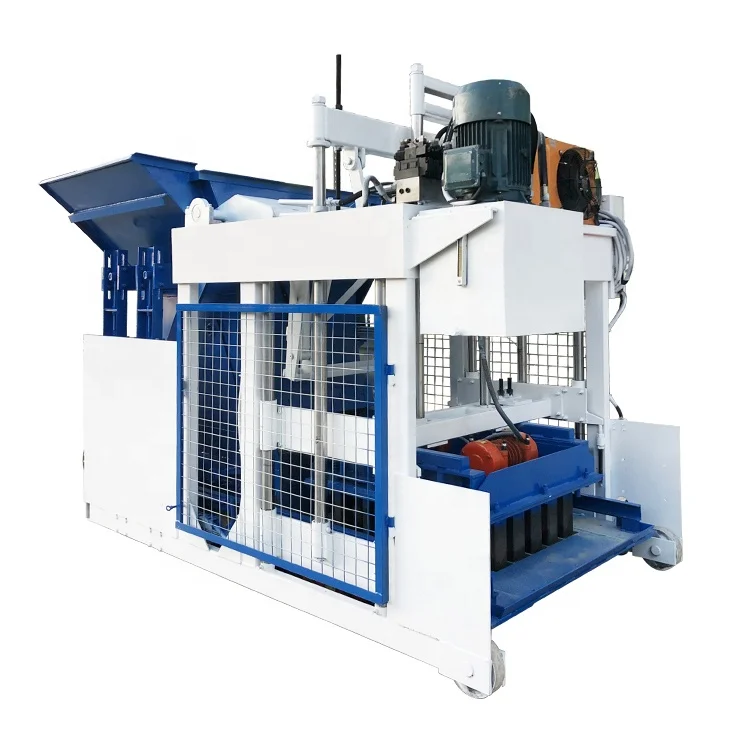
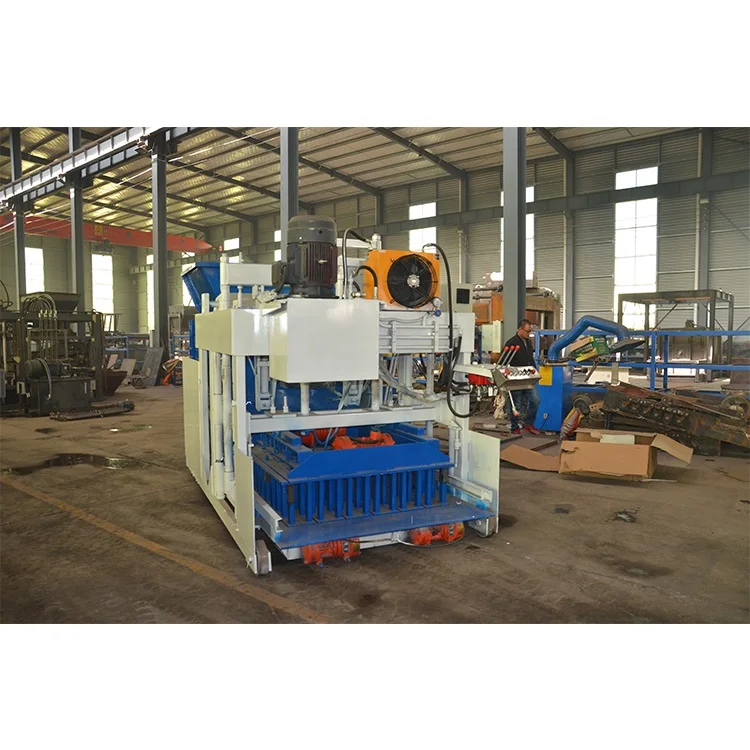
Matched System Configuration — the QMY18-15 mobile egg laying block machine is specified alongside its moulds, ground preparation requirements and PLC language as one verified package, not a catalogue default.
Technical Specifications
| Parameter | Value |
|---|---|
| Model | QMY18-15 |
| Product Type | Mobile Egg Laying Block Making Machine |
| Rated Power | 24 kW |
| Voltage & Frequency | Customized according to buyer’s local industrial voltage |
| Control System | PLC controlled |
| Output Capacity | Approximately 3,400 pcs per shift (basis: 400×200×200mm hollow block — confirm exact shift duration and cycle time) |
| Working Method | Hydraulic pressure system |
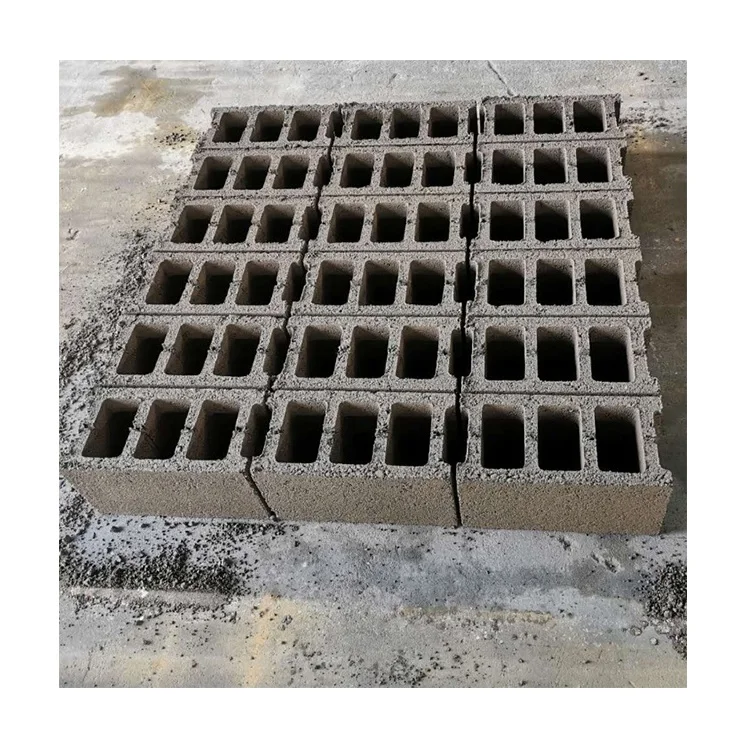
| Pallet Requirement | No pallets required — lays blocks directly on ground |
| Block Formats | Customizable moulds for different block types per buyer requirement |
| Assembly State | Mobile unit, no fixed plant installation required |
Application Suitability
| Application | Material or Output |
|---|---|
| On-site housing project production | Hollow blocks from local crushed stone, river sand and cement |
| First block plant for entrepreneurs | Solid blocks and paving bricks using available regional aggregate |
| Contractor job-site manufacturing | Kerbstones and interlocking pavers produced directly on prepared ground |
What "3,400 Blocks per Shift" Actually Means for Your Site
Capacity is meaningless without the block format and mix design attached to it.
I spent years moving between sites in Africa and South Asia, and the most common dispute I witnessed was a contractor watching their daily output fall to a fraction of the brochure number. The QMY18-15 mobile block machine specifications often cite 3,400 pieces per shift, but that figure assumes a 400×200×200mm hollow block. The moment you switch to a smaller solid block or an interlocking paver, the cycle time shifts and the daily total changes with it. [NEED_CITE: cycle time variation by block format in mobile egg laying machines]. Real output also depends on whether your local sand has high clay content, which slows curing and forces longer intervals between laying cycles.
Mould Selection Dictates Your Real Production Rhythm
The QMY18-15 mobile block machine is built around interchangeable moulds, and each format you install changes the vibration cycle, hydraulic pressure hold time and the physical footprint of the block on the ground. A hollow block requires a different compaction profile than a solid paving brick, and the PLC must be set to match. Choosing the wrong mould sequence for your local market demand means the machine spends more time being reconfigured than producing saleable product.
Ground Preparation Is Part of the Machine Setup
An egg-laying design eliminates pallet investment entirely, but it transfers the quality burden to the ground surface. The prepared area must be level, compacted and free of debris, because every block the QMY18-15 lays down stays exactly where it falls until curing is complete. [NEED_CITE: ground preparation standards for mobile egg laying block production]. Uneven ground causes block breakage during the first hours of curing, and no amount of machine adjustment compensates for a poorly prepared bed.
Reading the Specification Sheet Against Your Actual Conditions
The rated 24 kW power draw tells you the generator or grid connection you need on site, but the voltage and frequency must match your local industrial supply before the machine is built. The hydraulic pressure system and PLC control are configured at the factory to your confirmed specifications, and the display language needs to be specified at the same time so your operators can read fault codes without a translator. Mould change time depends on the format count you order and the quick-release mechanism fitted, which directly affects how many different block types you can produce in a single working day.
The Cost of Skipping Mix Design Verification
I watched a contractor in Kenya lose nearly half his quoted daily volume because the QMY18-15 was tested on standard sand at the factory while his site used river sand with high clay content. The blocks would not hold shape at the standard cycle speed, forcing longer vibration holds and extended curing intervals. [NEED_CITE: aggregate clay content effect on block cycle time]. Sending a local material sample before the machine is configured prevents this mismatch and ensures the hydraulic pressure and vibration force are set for what you will actually feed into the hopper.
Why Buyers Choose This Configuration Path
Block machinery is a single focus here, so the QMY18-15 is not sold as a standalone press but as a matched unit with the moulds, PLC language and voltage specification confirmed together. The capacity calculation you receive states the output per block format assumed, not a single inflated headline number. Mould drawings are provided against your local market shapes before production begins. Installation support includes operator training on your specific mix design, and the factory test is run with the closest equivalent to your actual raw materials.
Documentation & Verification
- Capacity calculation document stating output per block format, not a single total
- Mould drawing and format list with cycle time noted for each block type
- Voltage, frequency and PLC display language confirmation before production
- Factory test record using buyer’s target mix or closest local equivalent
- Hydraulic and electrical schematic for on-site maintenance reference
Installation, Commissioning & Support
- Level compacted ground area required, sized to your daily curing footprint
- Power supply matched to confirmed voltage and 24 kW draw with dedicated circuit
- Mobile unit arrives assembled; no fixed plant foundation or pallet system needed
- PLC parameters set to your block formats during on-site commissioning
- Operator training covers mould change procedure and fault code reading
- Wear parts and mould inventory list provided for first replacement planning
Before You Request a Quotation
To specify a QMY18-15 that matches your site rather than a catalogue default, the useful starting information includes your target block formats with dimensions, the local aggregate type you plan to use, your available voltage and frequency, and the language your operators need on the PLC display. Ground area available for production and curing also determines whether the daily output is physically achievable on your site.
Frequently Asked Questions
Q: What is the real daily output of the QMY18-15 for each block format I plan to produce?
A: The quoted figure of approximately 3,400 pieces per shift is based on a 400×200×200mm hollow block. For every other format you require — solid blocks, paving bricks, interlocking pavers — the cycle time differs and the per-shift total changes accordingly. Your capacity document will state the output for each specific format on your order, tied to your confirmed mix design.
Q: Which mould formats are available and how long does a mould change take on site?
A: Moulds are customisable to hollow, solid, paving and interlocking formats based on your local market demand. The change time depends on the quick-release mechanism fitted and the operator’s familiarity with the procedure. This is covered during on-site training so your crew can execute the swap within a standard shift without losing significant production hours.
Q: How is the machine configured for my local aggregate and mix design?
A: The hydraulic pressure and vibration cycle are set against the material sample you provide before production. If your local sand has high clay content or your crushed stone has a different grading than the factory standard, the PLC parameters are adjusted to maintain consistent block strength and dimensional accuracy for your specific conditions.
Q: What ground preparation is required for egg-laying operation?
A: The surface must be level, compacted and clear of debris across the full area where blocks will be laid and cured. The QMY18-15 lays blocks directly on this ground with no pallets, so any unevenness causes breakage during early curing. The area size must also accommodate your planned daily output plus the curing period before blocks can be moved.
Q: What voltage, frequency and PLC language options are confirmed before shipment?
A: All three are confirmed in writing before production begins. The machine is built to match your local industrial voltage and frequency, and the PLC display language is set to your operator preference. This prevents commissioning delays that occur when these details are assumed rather than specified on the order.