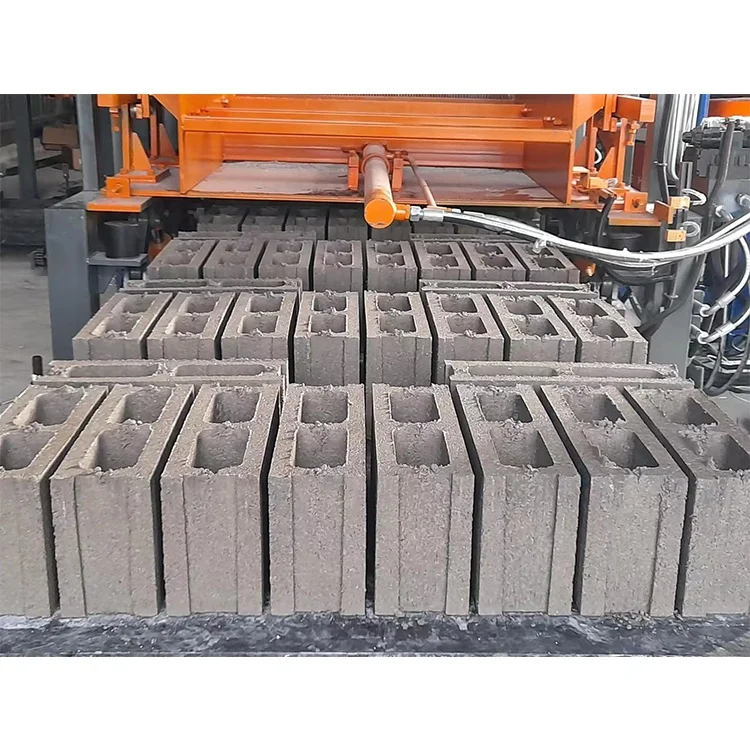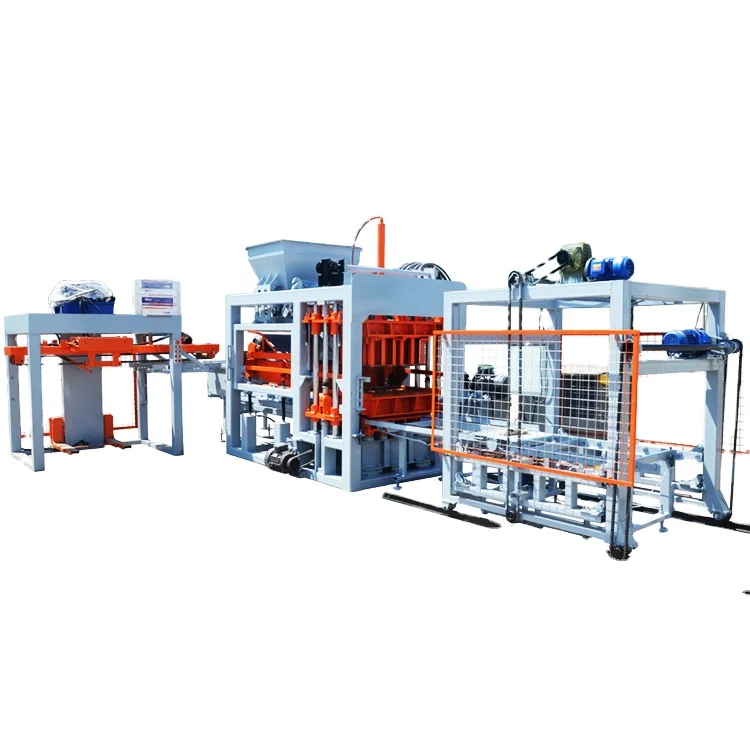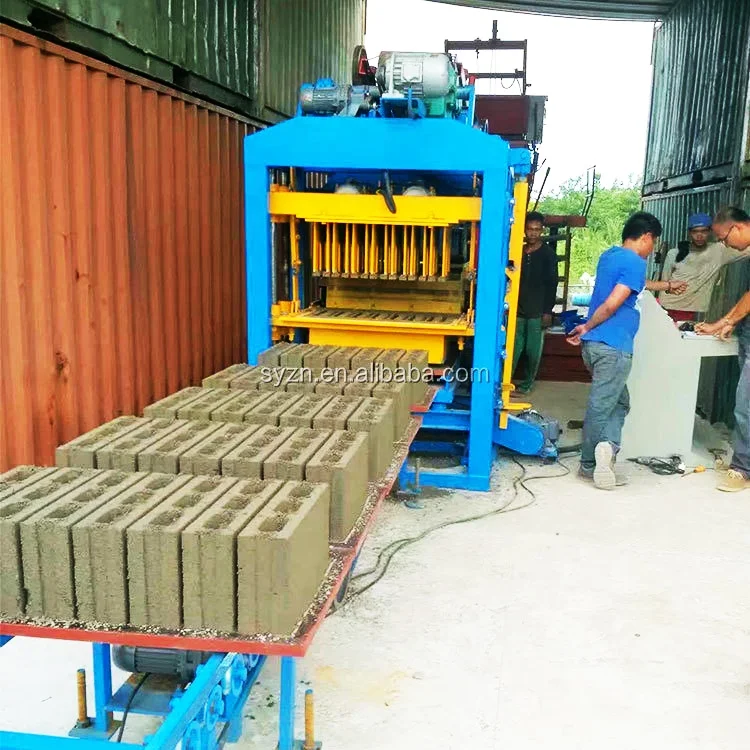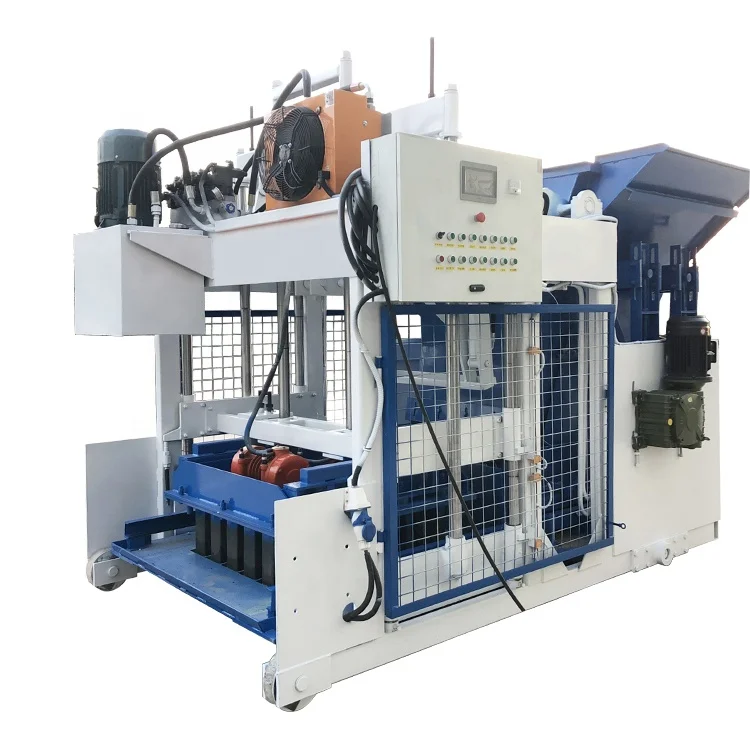
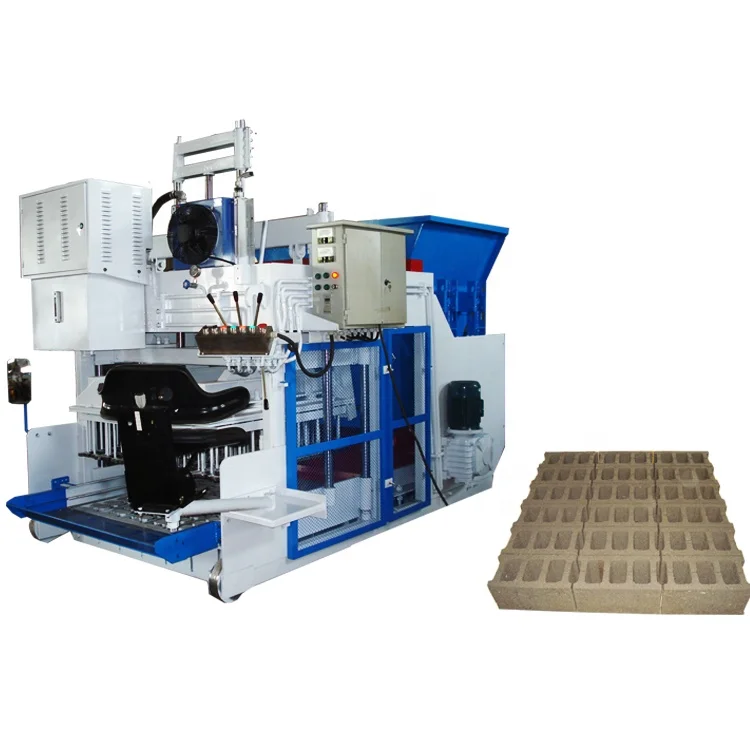
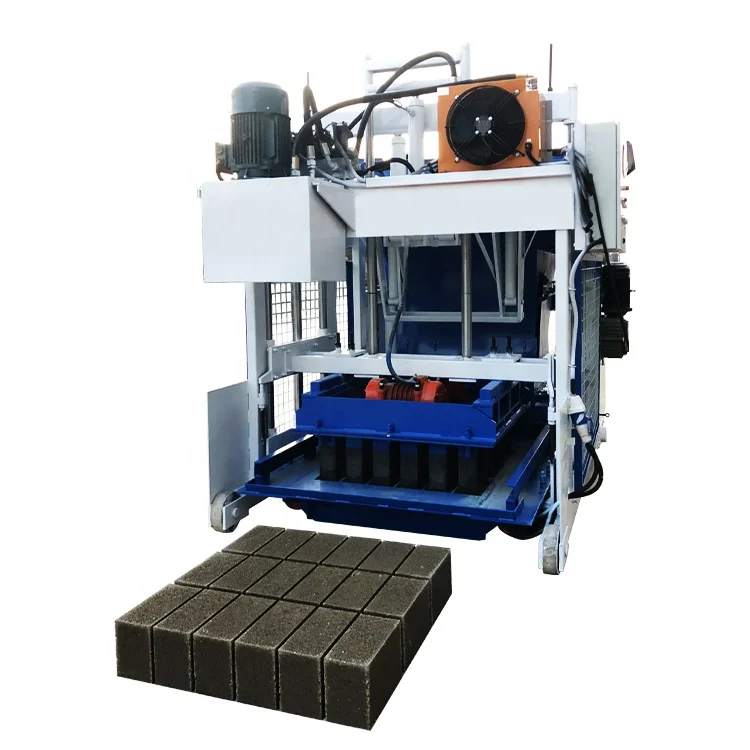
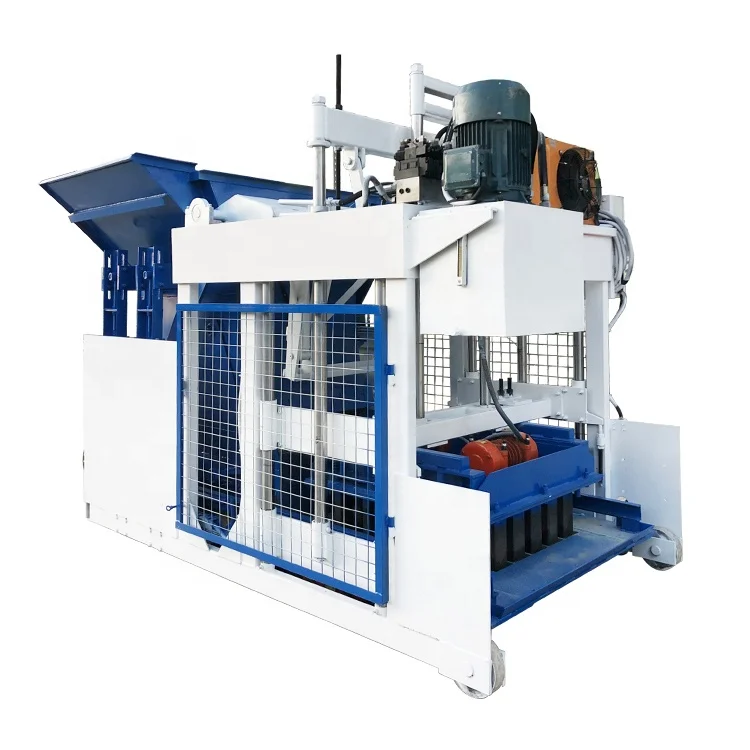

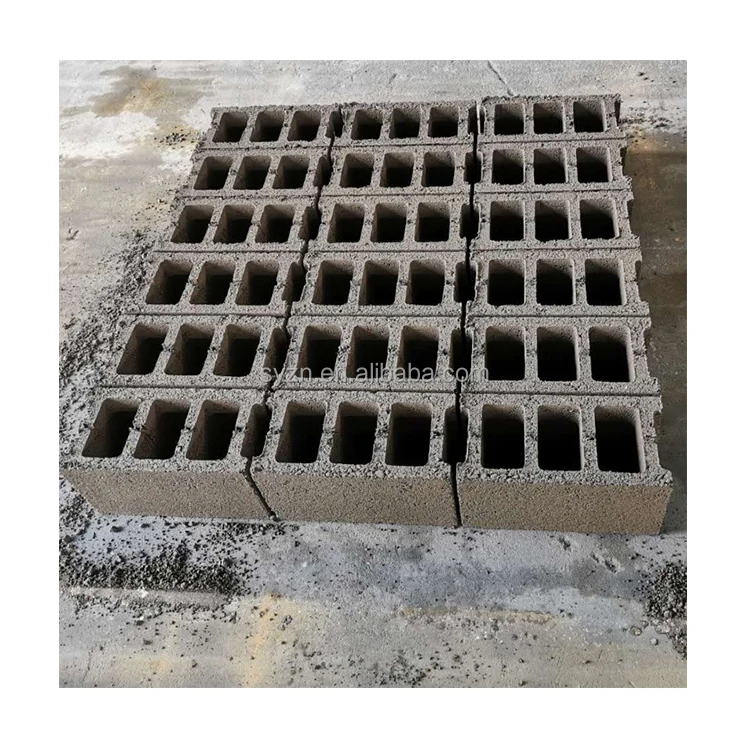
Description
Honest capacity by block format — every QMY18-15 output figure we quote names the exact block dimension and cycle time it assumes, so daily tonnage matches the proposal.
Technical Specifications
| Parameter | Value |
|---|---|
| Model | QMY18-15 |
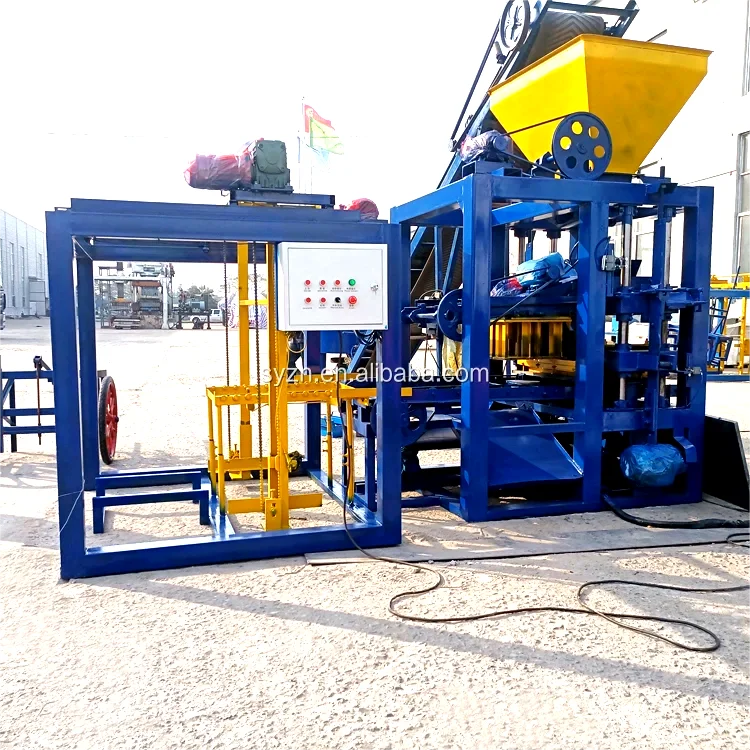
| Product Type | Automatic Mobile Egg Laying Cement Block Making Machine |
| Working Method | Hydraulic pressure station |
| Rated Power | 24 kW |
| Voltage & Frequency | Customized to local industrial supply (basis to be confirmed) |
| Control System | PLC (language options to be confirmed) |
| Automation Level | Automatic mobile egg-laying |
| Pallet Requirement | None — blocks laid directly on ground |
| Output Capacity | Approx. 34,000 pcs per shift based on 400×200×200 mm hollow block (basis to be confirmed) |
| Block Type | Customizable mould formats per buyer requirement |
| Standards | CE (documentation availability to be confirmed) |
Application Suitability
| Application | Material or Output |
|---|---|
| Housing project on-site production | Hollow and solid concrete blocks from local crushed stone and cement |
| Remote infrastructure camps | Interlocking and solid blocks laid directly on prepared ground |
| First-plant entrepreneur start-up | Paving and kerb blocks without pallet or curing rack investment |
| Dispersed job-site supply | Mobile production moving between foundation and walling phases |
What the "34,000 Pieces per Shift" Figure Actually Means
Capacity is only meaningful when tied to the exact block format and cycle time it was measured against.
A headline output number printed on a brochure rarely tells you which block size produced it or how many hours the shift assumes. I have watched contractors arrive at a site expecting a daily volume that the machine could never reach because the quoted figure was based on a small solid paver, not the 400×200×200 mm hollow block they actually needed. When we configure the QMY18-15 mobile egg laying block machine specifications for a buyer, the capacity document lists each target format separately with its own cycle count [NEED_CITE: block format effect on cycle time in mobile egg-laying machines]. That way, the number you plan your pour schedule around is the number the machine will actually deliver on your aggregate.
Matching the Press to the Block the Market Actually Buys
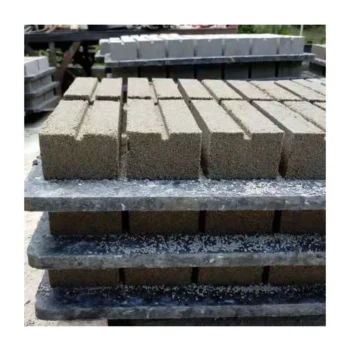
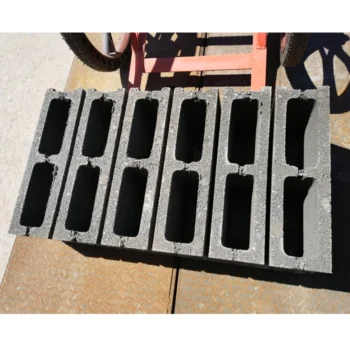
The QMY18-15 mobile egg laying block machine specifications start with the formats your market moves fastest. A contractor building load-bearing walls needs 200 mm hollow blocks with consistent web thickness, while a paving contractor selling to municipalities needs interlocking shapes that pass slip-resistance tests. Each format demands a different mould cavity depth, vibration duration, and hydraulic dwell. We confirm these variables against your sample aggregate before the mould goes into machining, so the first block off the line already meets the density your local standard requires.
Ground Preparation and the No-Pallet Advantage
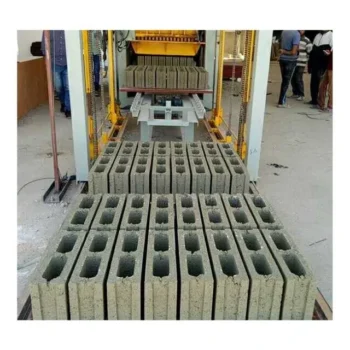
Egg-laying operation means the machine deposits wet blocks directly onto a prepared concrete floor or compacted earth, eliminating the recurring cost of timber or bamboo pallets and the curing rack space they occupy. The trade-off is that the ground surface must be level within a tight tolerance and firm enough to bear the machine’s travel weight without rutting [NEED_CITE: ground preparation standards for mobile egg-laying block production]. When the surface is right, the QMY18-15 lays block after block in a continuous row, and the operator simply walks the machine back for the next pass once the previous row has gained enough green strength.
Reading the Spec Sheet Against Real Production Conditions
Hydraulic pressure and vibration force work together: pressure compacts the mix vertically while vibration settles fines into voids. If the local aggregate is porous volcanic rock rather than dense river gravel, the mix absorbs more water, and the vibration amplitude must be adjusted to prevent the block from slumping before it sets. The 24 kW rated power drives both the hydraulic pump and the vibration motors simultaneously, so voltage drop on a long site cable can starve one system to feed the other. Confirming the three-phase voltage and frequency at the panel before we build the control cabinet avoids a commissioning delay that I have seen cost a project team an entire dry season.
The Cost of Skipping the Mix-Design Conversation
When a machine is configured for a standard silica sand mix but the buyer’s cheapest local aggregate is crushed limestone with high fines content, the vibration frequency that works in the factory test produces honeycombed blocks on site. The crew then spends weeks adjusting water ratios by eye, burning through cement and losing saleable output. Every day of trial-and-error is a day the block yard is not earning revenue [NEED_CITE: impact of untested aggregate on block compressive strength]. Sending us a 20 kg sample of your actual aggregate before we finalize the QMY18-15 configuration lets us dial in the hydraulic pressure and vibration parameters on the test floor, so the machine arrives already tuned to your material.
Why Source the QMY18-15 Through This Line
Block machinery is our single focus, which means the press, mould, and handling logic are specified as one matched set rather than sourced from unrelated vendors. We recalculate capacity for every block format you list, not just the one that produces the highest headline number. Mould cavities are machined to the dimensions your market sells, and custom drawings are reviewed with you before steel is cut. Voltage, frequency, and PLC display language are confirmed in writing before the cabinet is wired. Factory testing runs your specified mould with a representative mix, and the test record ships with the machine.
Documentation & Verification
- Capacity calculation sheet stating block format and cycle time for each output figure
- Mould drawing and format list matching your target product range
- Voltage, frequency, and PLC language confirmation record before wiring
- Factory test video and written log with your mould installed
- Hydraulic and electrical schematic for on-site troubleshooting
- Operation and maintenance manual in agreed language
Installation, Commissioning & Support
- Level compacted-ground strip prepared to machine travel width before arrival
- Dedicated three-phase circuit matching confirmed voltage and frequency for the 24 kW load
- Machine offloaded and assembled on-site with mould mounted and vibration calibrated
- PLC parameters set to your confirmed language during first-day commissioning
- Operator walk-through covering mould change procedure and daily greasing points
- Wear-part list with hydraulic seal and vibration motor brush replacement intervals
What We Need From You to Size the Line
Tell us the exact block formats your customers order most, the daily volume you need for each, and the type of aggregate available within haul distance of the site. Share your site voltage, frequency, and the language your operators read so the PLC and manuals match. If you can send a bag of your local sand or crushed stone, we will run a mix trial on the test floor and include the results with the proposal.
Frequently Asked Questions
Q: How is the 34,000 pcs per shift figure calculated and what block format does it assume?
A: The 34,000-piece figure is based on producing 400×200×200 mm hollow blocks over a standard shift. If your primary product is a smaller solid block or a paving shape, the cycle time changes and the shift output will be higher. We provide a separate capacity row for every format you plan to run, so the number you budget against matches your actual product mix.
Q: What mould formats are available and how long does a mould change take on the QMY18-15?
A: Moulds can be built for hollow blocks, solid blocks, paving blocks, kerbstones, and interlocking shapes according to your market demand. Mould change time depends on the cavity size and locking mechanism; we confirm the exact procedure and expected duration during the proposal stage so you can plan format changeovers into your weekly production schedule.
Q: What local aggregate and mix design does the machine require to achieve target block strength?
A: The QMY18-15 can work with river sand, crushed stone, volcanic scoria, or recycled aggregate, provided the gradation and fines content are known. We ask buyers to send a representative sample so we can test compaction behavior on our floor and adjust hydraulic pressure and vibration amplitude before the machine leaves the factory.
Q: What voltage, frequency, and PLC language will be configured for the destination country?
A: Voltage and frequency are customized to match the local industrial supply at your site, and the PLC display language is confirmed before the control cabinet is wired. We document these settings in the quotation and again in the pre-shipment checklist so there are no surprises when the electrician connects the main breaker.
Q: What ground surface conditions are required for egg-laying block production on-site?
A: The machine needs a firm, level concrete floor or well-compacted earth strip wide enough for the travel path. Soft ground causes the wheels to rut, tilting freshly laid blocks. We provide a ground-preparation guide with the manual, and our commissioning technician checks surface tolerance on the first day of production.