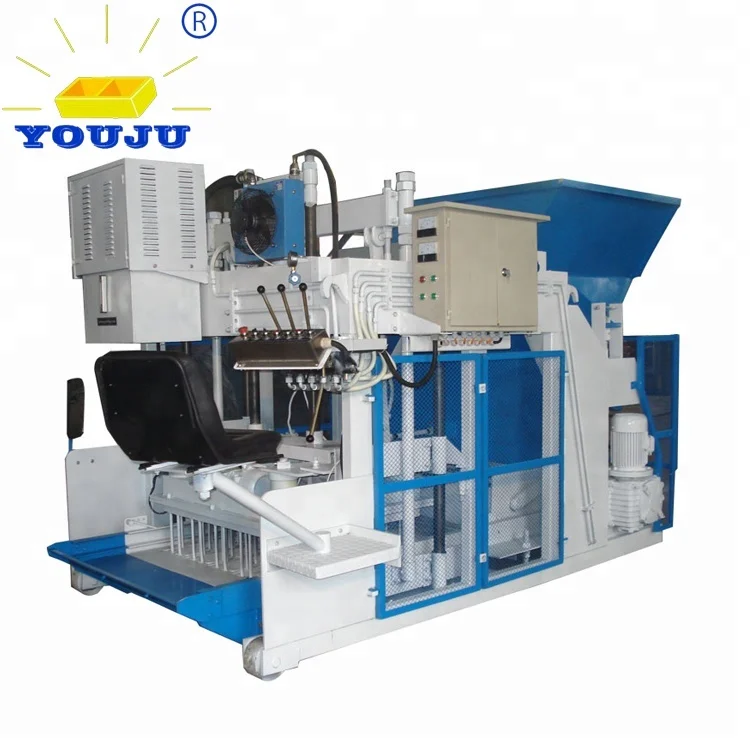


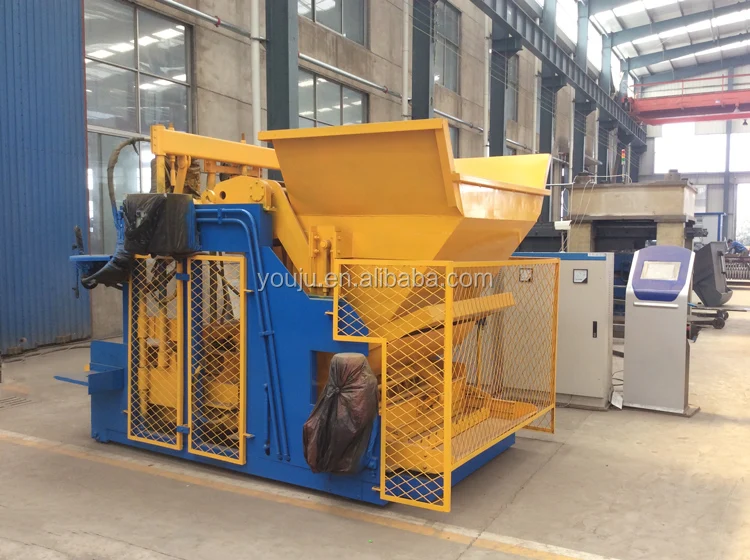
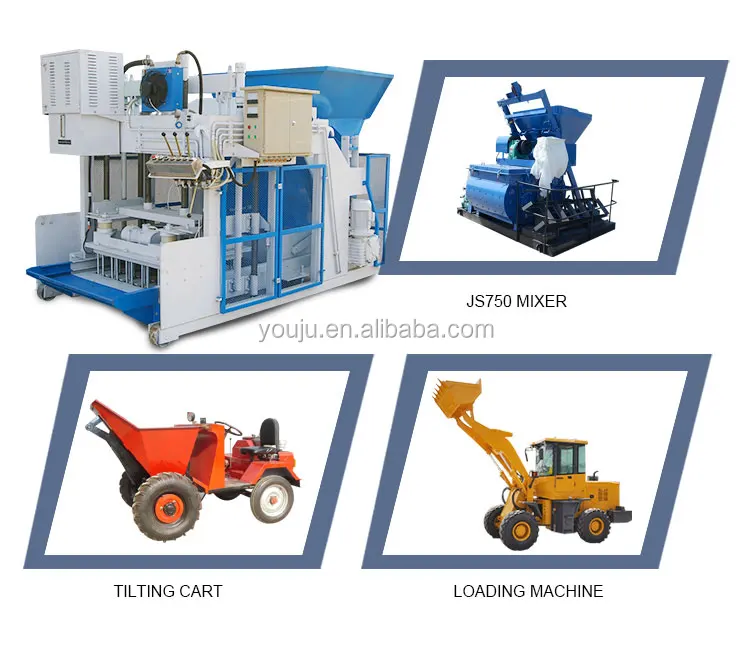
Description
Multi-Format Matching — Every QMY12-15 configuration is validated against your target block dimensions and local aggregate before build, so the cycle time and daily output you see on paper match what the machine actually produces on your site.
Technical Specifications
| Parameter | Value |
|---|---|
| Model | QMY12-15 |
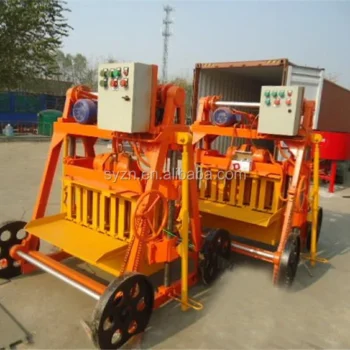
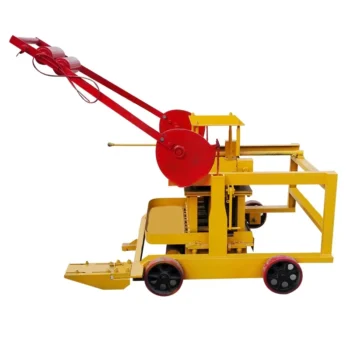
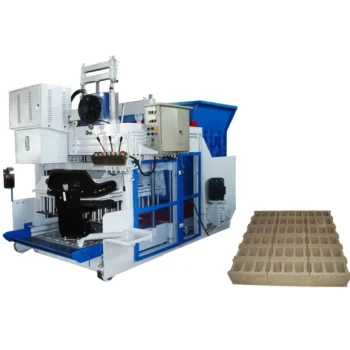
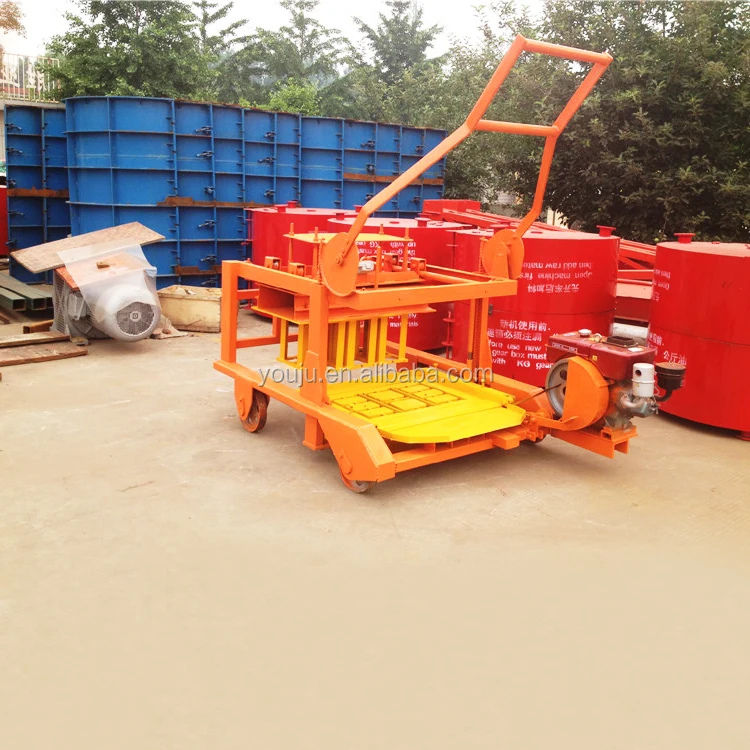
| Product Type | Automatic Hydraulic Pressure Hollow Block Making Machine |
| Assembly State | Mobile / Egg-laying |
| Automation Level | Automatic |
| Hydraulic Pressure | Equipped (pressure value to be confirmed) |
| Vibration Force | Equipped (force value to be confirmed) |
| Mould Format | Multi-size production: 4 / 6 / 8 / 9 inch cement hollow blocks |
| Block Types | Hollow block |
| Output Capacity | Basis to be confirmed — depends on block format, material and wall thickness |
| Cycle Time per Format | To be confirmed against selected mould |
| Mould Change Time | To be confirmed |
| Control System | To be confirmed (PLC / MCC) |
| Voltage & Frequency | Configurable to site requirement |
| Rated Power | To be confirmed |
| Overall Dimensions | To be confirmed |
| Net Weight | To be confirmed |
| Stacking Method | Manual or assisted (to be confirmed) |
| Color Options | To be confirmed |
Application Suitability
| Application | Material or Output |
|---|---|
| On-site hollow block production for building contractors | Cement, crushed stone, river sand or local aggregate blended on the construction site |
| First block plant setup by entrepreneurs | Standard concrete mix with locally sourced fine and coarse aggregate |
| Multi-format housing project supply | 4, 6, 8 and 9 inch hollow blocks from a single machine across different wall specifications |
| Remote or rural construction without fixed plant access | Egg-laying production directly on prepared ground, no pallet return system required |
What "Blocks per Hour" Really Means When No Format Is Named
A cycle-time figure without a named block size is not a capacity figure — it is a guess.
I have watched buyers compare two mobile block machines on paper and pick the one that claims more pieces per shift, only to find out after commissioning that the quoted number assumed the smallest block in the mould range. When they switch to the 8-inch hollow block their market actually buys, output drops noticeably and the project timeline slips. With the QMY12-15 mobile block machine, specifications need to be tied to a specific format so that every output claim carries a named block size and wall thickness alongside it. [NEED_CITE: block format effect on cycle time in egg-laying machines]
How Mould Selection Drives Real Daily Output
The QMY12-15 supports 4, 6, 8 and 9 inch hollow block moulds, but each format has a different cavity count and compaction requirement. A 4-inch block mould typically carries more cavities per cycle, while a 9-inch block draws more material and needs longer vibration to achieve consistent density. This means the same QMY12-15 mobile block machine produces different daily volumes depending on which mould is mounted. Buyers planning production should request a per-format capacity sheet rather than relying on a single headline number.
Matching Vibration and Pressure to Your Local Aggregate
Hydraulic pressure and vibration force on the QMY12-15 are not fixed catalogue values — they must be set against the aggregate you actually source. Red laterite in West Africa, crushed coral in the Pacific, and washed river sand in South America each respond differently to the same vibration profile. If the mix design is not matched, blocks leave the machine looking correct but fail compressive strength tests after curing. The configuration process here starts with a sample of your local material before the machine is finalized. [NEED_CITE: effect of aggregate type on block compressive strength]
Reading the Specs That Matter for Mobile Block Production
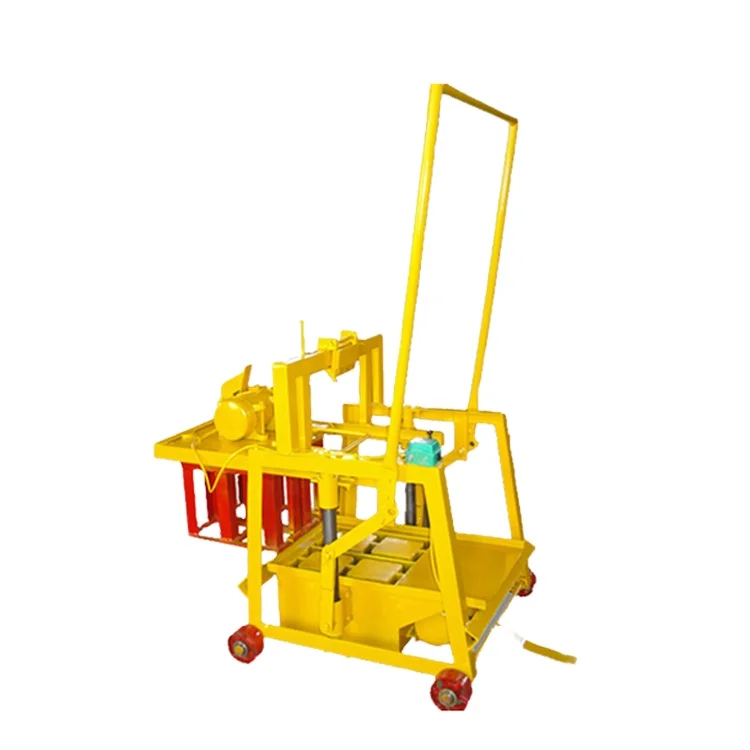
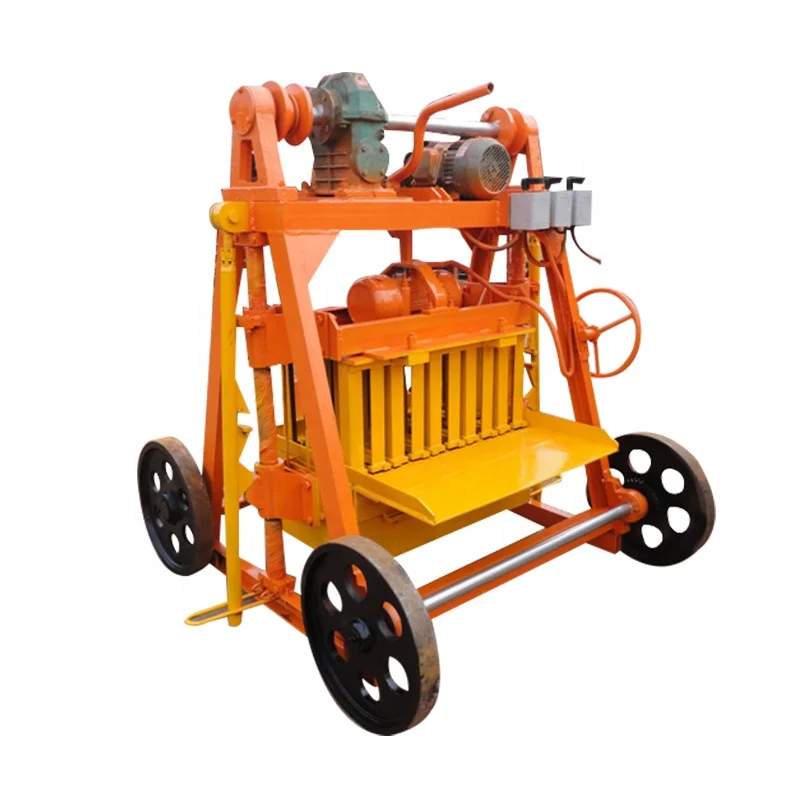
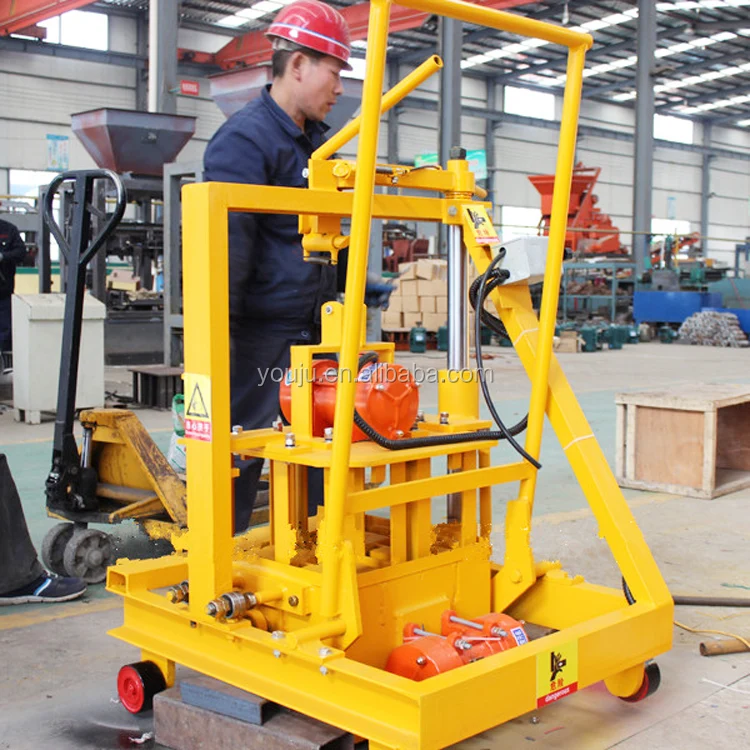
The egg-laying design of the QMY12-15 eliminates the need for a pallet circulation system, which reduces the plant footprint and lets the machine produce directly on a prepared concrete floor. However, this places extra importance on floor flatness and curing area layout, because blocks are laid in rows and must remain undisturbed until initial set. Hydraulic pressure and vibration force together determine the compaction density of each block; if either is under-matched to a heavy aggregate blend, the resulting hollow block will have lower wall strength. Mould change procedure is another practical concern — if switching from 6-inch to 8-inch format takes most of a shift, the multi-format flexibility the machine offers is lost in downtime. Voltage and frequency must be confirmed before build, because a machine wound for 380V/50Hz arriving at a 440V/60Hz site cannot be commissioned without a transformer or rewinding.
The Hidden Cost of Skipping the Format Conversation
When a mobile block machine arrives with moulds sized for a format the local market does not buy, the buyer either pays for new moulds or runs a product that sits in the yard. Voltage mismatches delay commissioning by weeks while transformers are sourced locally. And if the vibration setting was calibrated for a standard sand that the buyer cannot obtain, every batch produces inconsistent density until the parameters are reworked — burning raw material and labour in the process. [NEED_CITE: commissioning delays caused by voltage and frequency mismatch]
Why This QMY12-15 Mobile Block Machine Configuration Approach Works
Block machinery is the single focus here, so the QMY12-15 machine, mould, and supporting handling items are specified as one matched set rather than assembled from separate suppliers. Each configuration is validated against the buyer’s actual mix design and target block format, not a catalogue default. Mould design covers the 4, 6, 8 and 9 inch hollow block sizes the buyer’s market sells, with custom drawings available for non-standard dimensions. The mobile platform means a buyer can start production at one site and relocate the machine when a project ends, protecting the initial investment. Installation support includes operator training on mould change and daily maintenance routines specific to egg-laying machines.
Documentation & Verification
- Line layout showing QMY12-15 footprint and curing area requirement on your site
- Capacity calculation sheet stating block format assumed for each output figure
- Mould drawing and format list confirming included 4/6/8/9 inch sizes
- Voltage, frequency and control language confirmation before production
- Factory test record run on material blend matching your local aggregate
- Operation and maintenance manual with QMY12-15 mould change procedure
Installation, Commissioning & Support
- Floor flatness tolerance checked for egg-laying operation without pallets
- Voltage and frequency verified against QMY12-15 motor winding before dispatch
- Mould mounting and alignment completed during on-site commissioning
- Vibration and hydraulic pressure tuned to your confirmed mix design
- Operator training on multi-size mould change and daily inspection points
- Wear parts list provided with first-order recommendations for your production volume
Before You Request a Quote
To size the QMY12-15 mobile block machine correctly, share the specific hollow block formats your market demands, the local aggregate type and source, and the daily volume you need per format. Confirm the available voltage and frequency at your site along with the preferred control display language. If you already have curing area space or a concrete floor prepared, include the dimensions so the layout can be planned around them.
Frequently Asked Questions
Q: What is the realistic daily output of the QMY12-15 for each block format?
A: Output varies by format because cavity count and compaction time differ between 4, 6, 8 and 9 inch hollow blocks. Rather than quoting a single pieces-per-hour number, a per-format capacity sheet is provided showing cycle time and daily volume for each specific block size you plan to produce, based on your confirmed mix design.
Q: How long does a mould change take on this mobile block machine?
A: Mould change time depends on the specific format transition and operator familiarity. The QMY12-15 documentation includes a step-by-step procedure for each change so you can verify the actual downtime during commissioning and plan shift scheduling accordingly.
Q: What local aggregate characteristics does the machine require?
A: The QMY12-15 is configured around your actual material sample — particle size distribution, moisture content and density of your local aggregate all affect vibration and pressure settings. A material sample is reviewed before final specification to ensure consistent block strength with what you can source on-site.
Q: Which wear parts should be ordered with the first shipment?
A: The initial spare parts list covers hydraulic seals, vibration springs and mould liner components that experience the most wear during hollow block production. Recommendations are scaled to your target daily output so that replacements are on hand before the first changeover is due.
Q: What voltage and control language options are confirmed before dispatch?
A: Voltage, frequency and PLC or control display language are confirmed during the proposal stage, not at shipment. This ensures the QMY12-15 arrives with the correct motor winding and an interface your operators can read, avoiding commissioning delays at your site.