Description
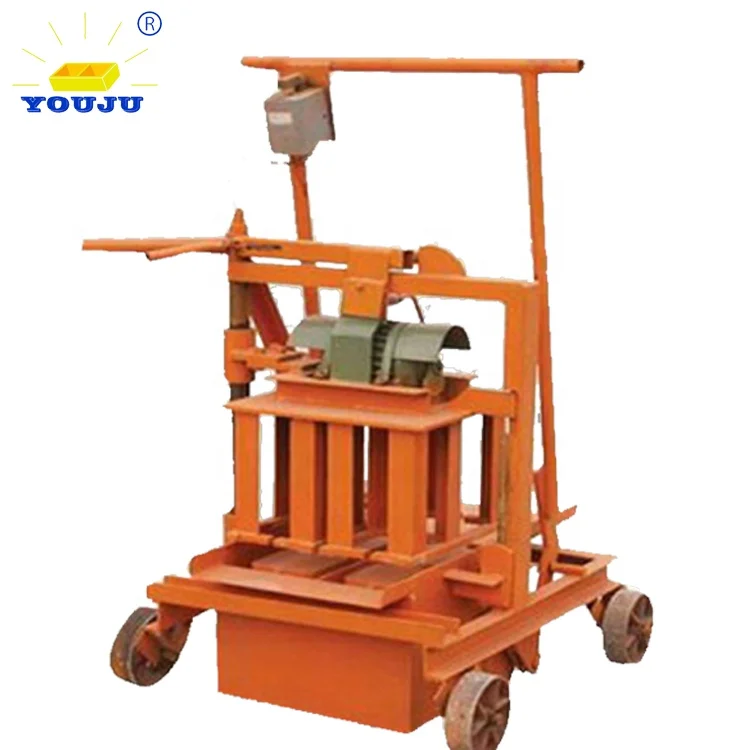
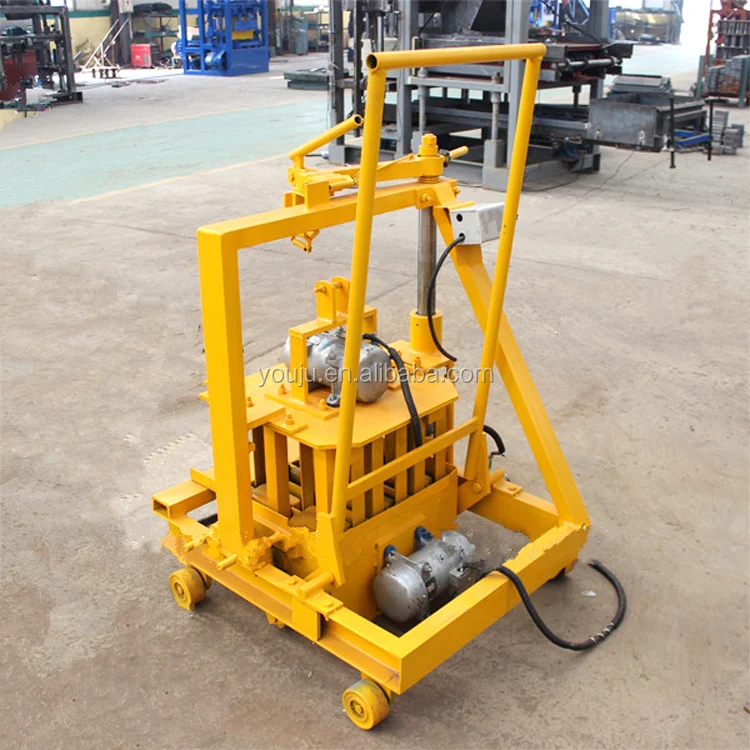
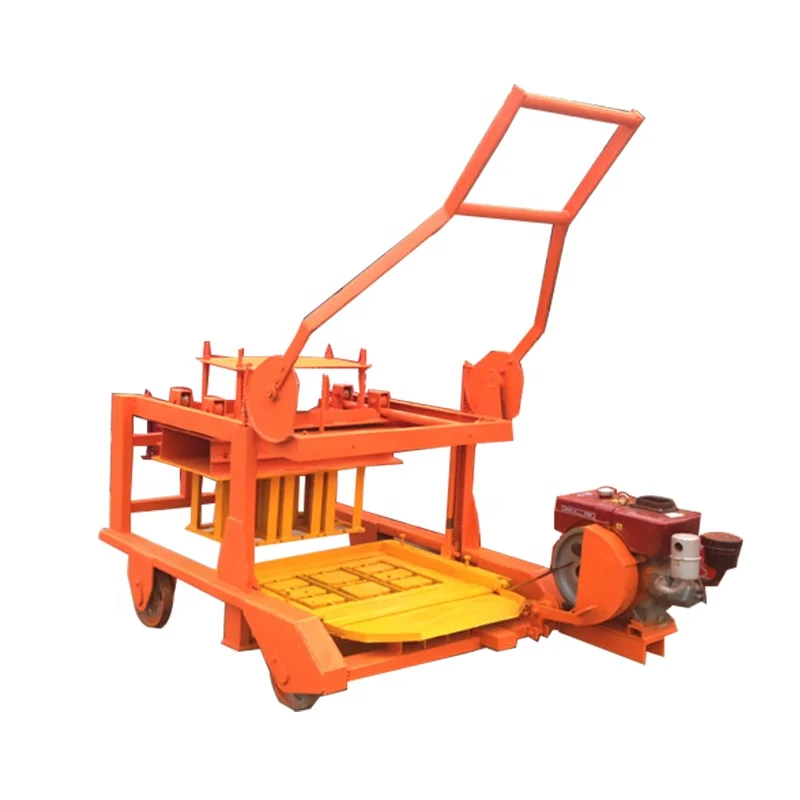
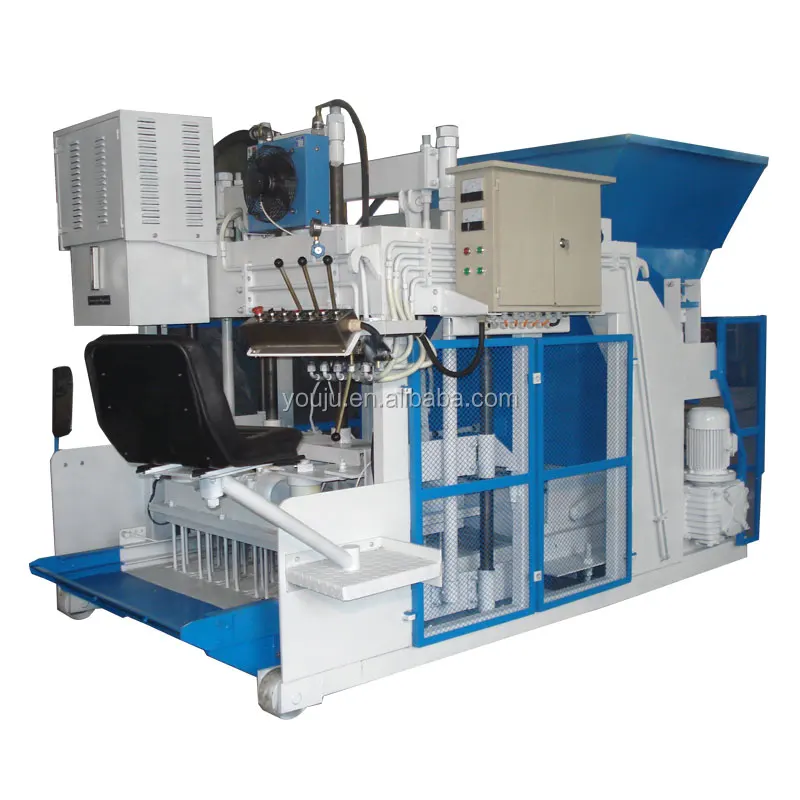
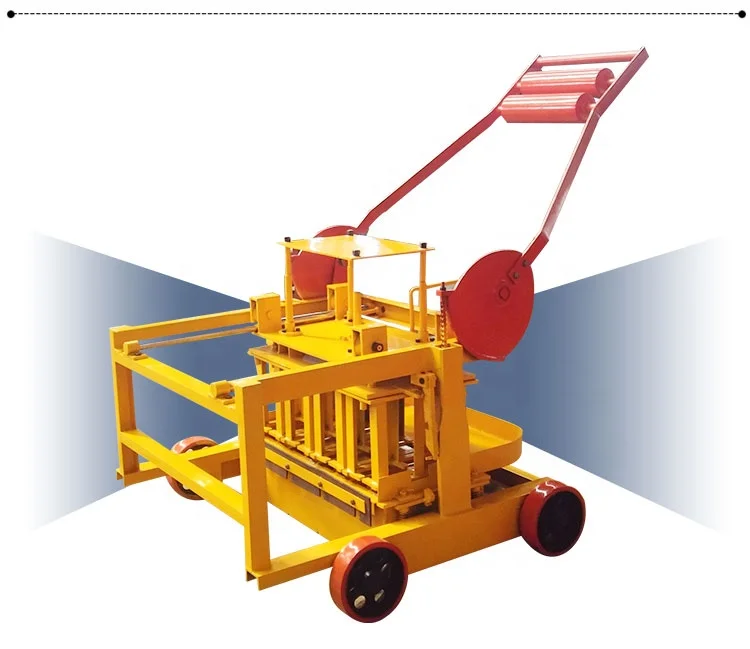
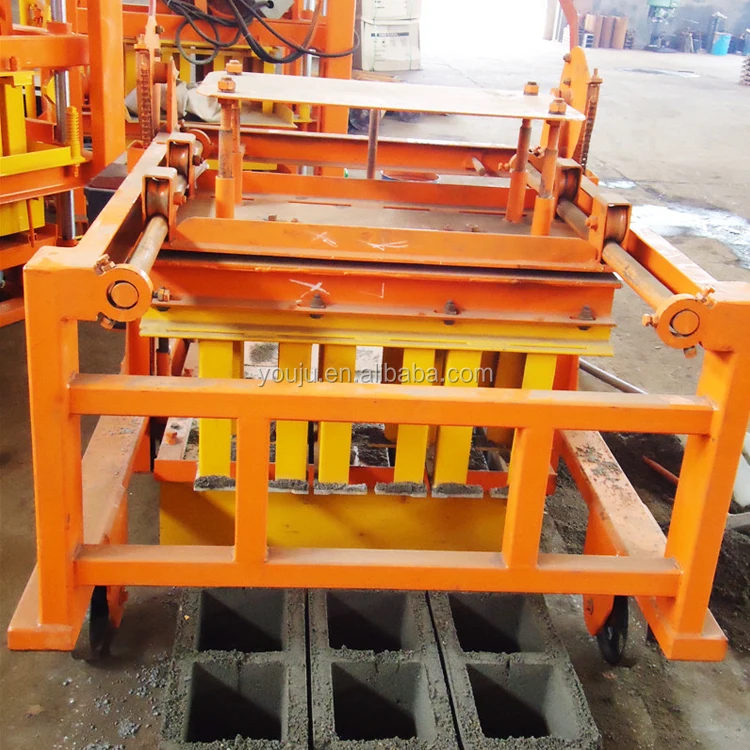
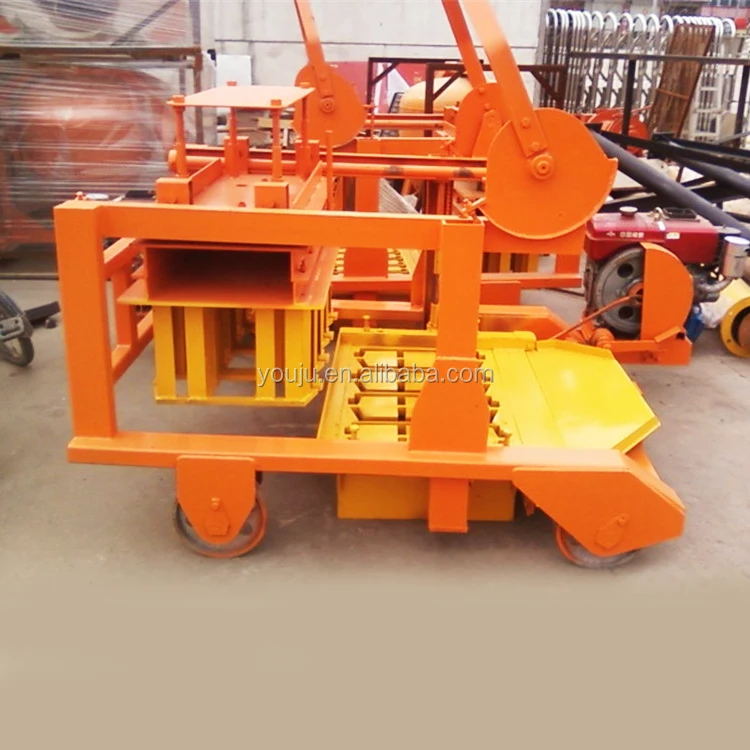
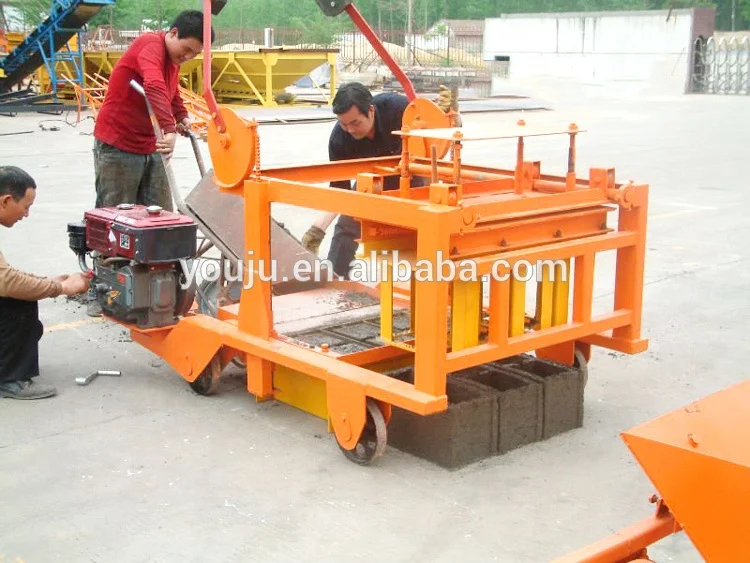
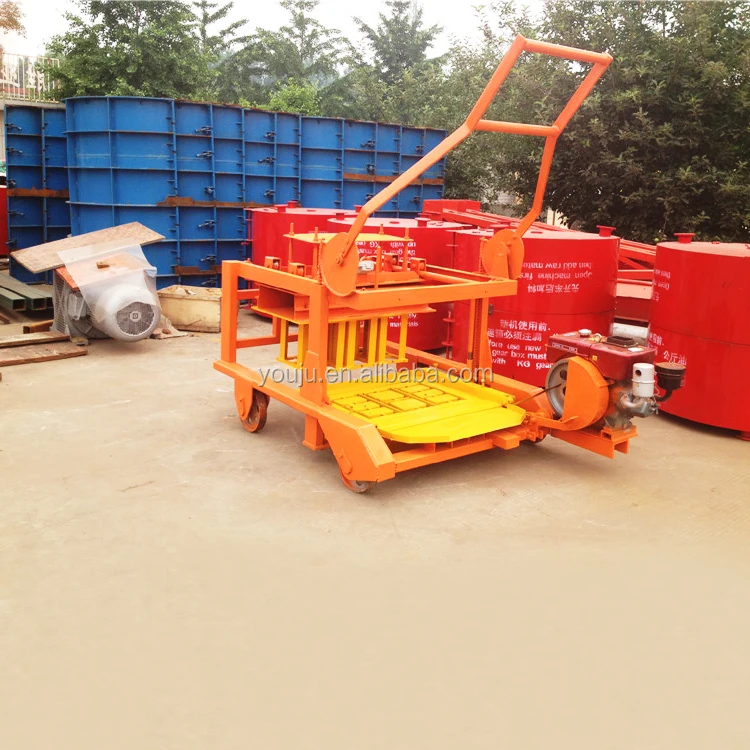
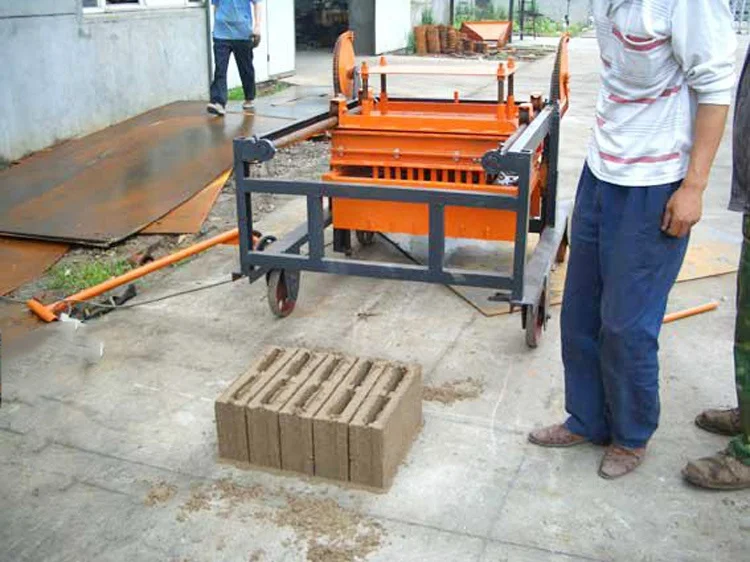
Matched System Design — The QMR4-45 mobile egg-laying block making machine is specified against your actual hollow block format and local aggregate, not a generic catalogue default.
Technical Specifications
| Parameter | Value |
|---|---|
| Model | QMR4-45 |
| Product Type | Mobile Egg-Laying Block Making Machine |
| Overall Dimensions (L×W×H) | 2420×1320×1650 mm |
| Net Weight | 810 kg |
| Rated Power | 6 kW |
| Diesel Engine Option | 6 kW or 6-8 HP |
| Voltage | 220 V / 380 V (customizable to local grid) |
| Pallet Requirement | None (egg-laying type) |
| Moulding Cycle | 40–45 s |
| Output Capacity | 3000 pcs/day (basis: 400×200×200 mm hollow block, 4 pcs/mould, 8-hour shift) |
| Output Capacity | 3500 pcs/day (basis: 400×150×200 mm hollow block, 5 pcs/mould, 8-hour shift) |
| Output Capacity | 4500 pcs/day (basis: 400×120×200 mm hollow block, 6 pcs/mould, 8-hour shift) |
| Automation Level | Manual operation with diesel-hydraulic assist |
| Assembly State | Fully assembled, mobile on wheels |
| Warranty | 1 year |
Application Suitability
| Application | Material or Output |
|---|---|
| On-site hollow block production | Crushed stone, river sand, cement, and water mixes |
| Remote or off-grid project sites | Diesel-powered operation where grid electricity is unstable |
| Small-scale block plant startups | Multiple hollow block thickness formats via mould change |
| Construction contractor self-supply | Mobile production directly at the building site without a fixed plant |
What "3000 Blocks per Day" Actually Means on Site
Capacity figures are meaningless unless tied to the exact block format you intend to sell.
Many suppliers quote a single headline output number for a Mobile Egg-Laying Block Making Machine without disclosing which block size, mould cavity count, or shift length produced that figure. I have walked onto project sites in Latin America where the machine sat idle because the daily target was calculated on a 120 mm block while the local market only bought 200 mm hollow blocks. The real output dropped to roughly two-thirds of what was promised, and the contractor had to renegotiate delivery schedules mid-project. Honest capacity planning starts with the format, not the brochure. [NEED_CITE: common discrepancies between quoted and actual block machine output]
Cycle Time and Output by Block Format
The QMR4-45 holds a 40–45 second moulding cycle across all supported hollow block formats. At four cavities per mould for the 400×200×200 mm block, the verified output reaches 3000 pieces per eight-hour shift. Switching to the 400×150×200 mm format adds one cavity per cycle, lifting the Mobile Egg-Laying Block Making Machine specifications to 3500 pieces per shift.
Mould Change and Format Flexibility
Every format shift requires a physical mould swap. The QMR4-45 uses a bolt-on mould mounting system that a two-person crew can change within a single break period. This matters because many block markets demand multiple wall thicknesses — 120 mm for partition walls, 150 mm for standard load-bearing, and 200 mm for foundation courses. A machine that takes half a shift to re-tool loses the very flexibility you paid for.
How Vibration and Hydraulic Pressure Shape Block Density
The rated power of 6 kW drives both the vibration table and the hydraulic clamping system. On an egg-laying machine, the vibration force must be matched to your specific mix design — particularly the fines content and aggregate grading of your local sand. I once saw a QMR4-45 unit in Peru struggle with river sand that carried excessive clay content; the vibration could not consolidate the mix properly, and daily output fell to a fraction of the rated figure. That experience cemented a rule I follow now: always run a sample mix before finalizing the machine configuration. The 810 kg machine weight provides the necessary mass for ground-coupled vibration, but only if the mix is compatible. [NEED_CITE: effect of aggregate fines content on block compaction]
The Hidden Cost of Ignoring Power Source Selection
Choosing between the electric motor and the 6–8 HP diesel engine seems straightforward until you arrive on site. Contractors who assume grid power will be available often discover that voltage fluctuation in rural areas causes the electric motor to trip repeatedly, leaving half-cured batches stuck in the mould. The diesel option eliminates that risk but requires fuel logistics planning. Either way, the decision must be locked in before the machine leaves the factory — rewinding a motor for a different voltage on a remote job site is neither cheap nor fast. [NEED_CITE: voltage instability effects on industrial electric motors]
Why Buyers Choose This Configuration
The QMR4-45 is treated as a matched system — machine, mould, and ground conditions are evaluated together rather than sold as isolated components. Capacity calculations are documented per block format so you can verify the numbers against your own market requirements. Mould designs are available for the specific hollow block dimensions your region sells, including custom drawings when standard formats do not match. The diesel-electric power option means the same Mobile Egg-Laying Block Making Machine can serve both grid-connected and off-grid sites without hardware changes. Wear parts and mould replacement lists are confirmed before shipment so the first maintenance cycle does not become a procurement crisis.
Documentation & Verification
- Line layout with capacity calculation per block format and shift length
- Mould drawing package with dimensional tolerances for each cavity
- Voltage, frequency, and control panel language confirmation sheet
- Factory test record run on material matching your aggregate profile
- Wear parts catalogue with part numbers for hydraulic seals and vibration components
Installation, Commissioning & Support
- Level compacted ground required — no concrete foundation needed for the 810 kg mobile unit
- Dedicated 220 V or 380 V circuit confirmed before motor wiring begins
- Machine arrives fully assembled on wheels for immediate positioning
- First-run moulding cycle adjusted to your local mix and aggregate gradation
- Operator training covers mould change procedure and daily vibration table inspection
- Wear parts list includes hydraulic seals and mould liner replacements
Before You Request a Quote
To size the QMR4-45 correctly for your operation, prepare the following: the exact hollow block dimensions your market demands, your target daily output, and a sample of the sand or aggregate you plan to use. If you are working off-grid, confirm whether diesel fuel logistics are already in place on your site.
Frequently Asked Questions
Q: How is daily output calculated for each block format, and what cycle time is assumed?
A: Output is stated per format using a 40–45 second moulding cycle and an eight-hour shift. For the 400×200×200 mm hollow block at four pieces per mould, the figure is 3000 pieces. For 400×150×200 mm at five pieces per mould, it is 3500. For 400×120×200 mm at six pieces per mould, it reaches 4500. These figures assume uninterrupted operation.
Q: Can the QMR4-45 run on diesel only, or does it require a grid connection?
A: The machine is available with a 6–8 HP diesel engine that powers the full hydraulic and vibration system independently. No grid connection is needed when the diesel option is selected. The electric motor variant requires a stable 220 V or 380 V supply confirmed before dispatch.
Q: What mould formats are available, and how long does a mould change take?
A: Standard moulds cover 400×200×200, 400×150×200, and 400×120×200 mm hollow blocks. Custom mould drawings are available for other dimensions. A mould change is completed by a two-person crew during a normal break period using the bolt-on mounting system.
Q: How do I match the machine to my local aggregate for consistent block strength?
A: Provide a sample of your sand or crushed stone before ordering so the mix design can be tested against the machine’s vibration force and hydraulic pressure. This ensures the consolidation cycle produces consistent density without material substitution after delivery.