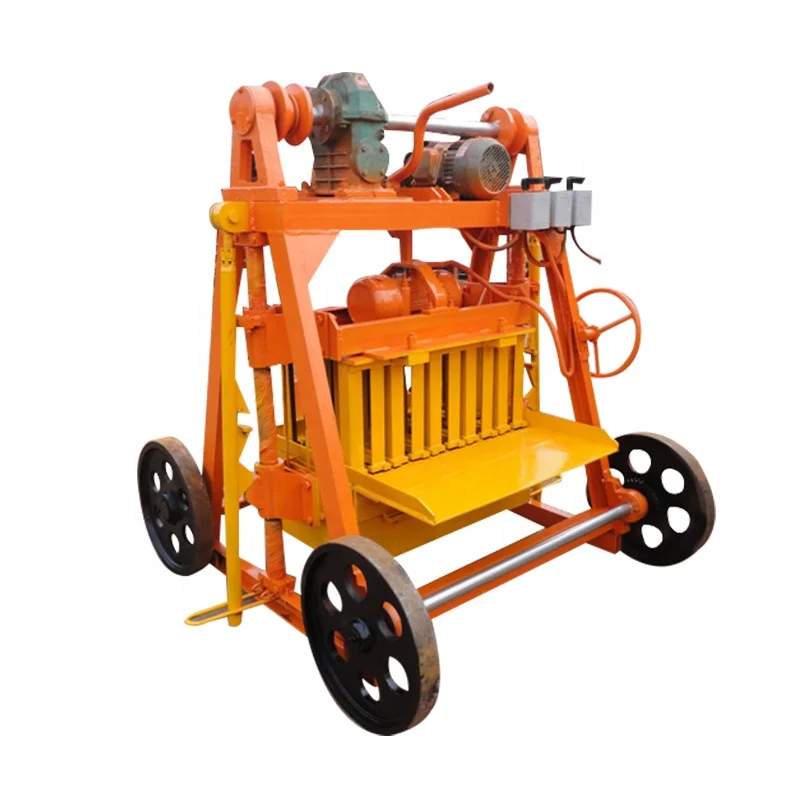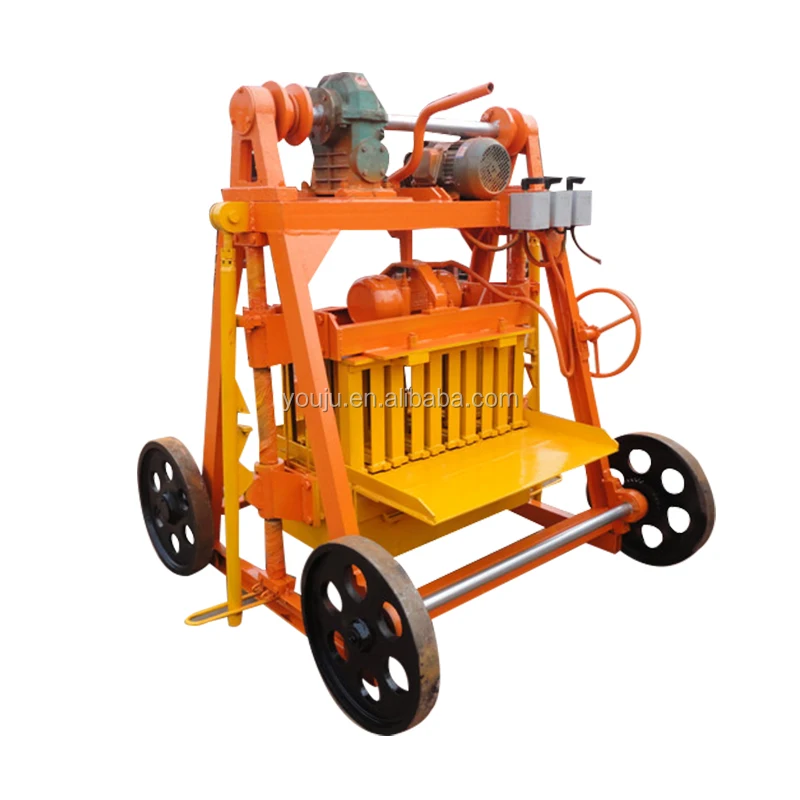
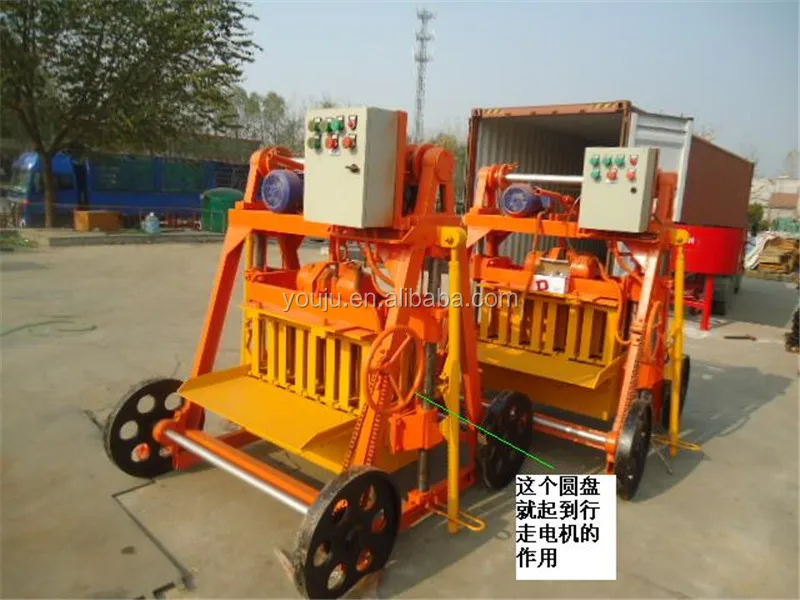
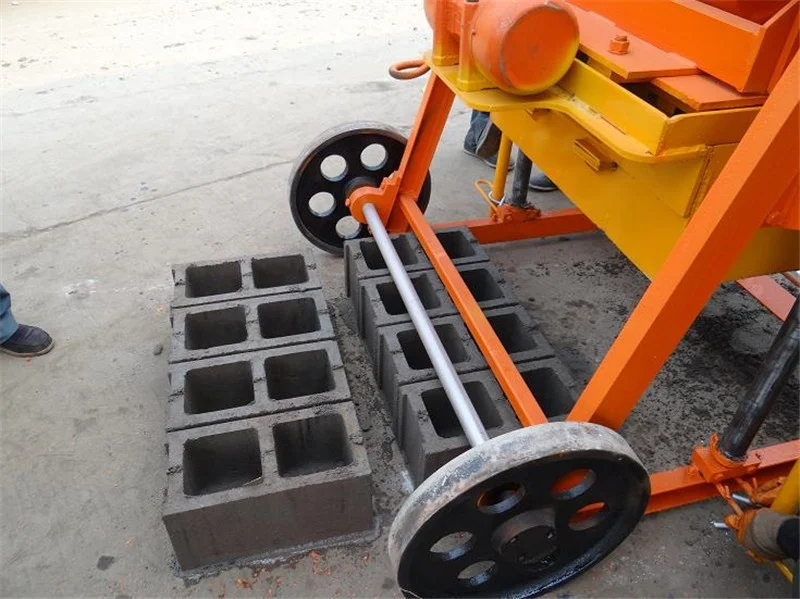

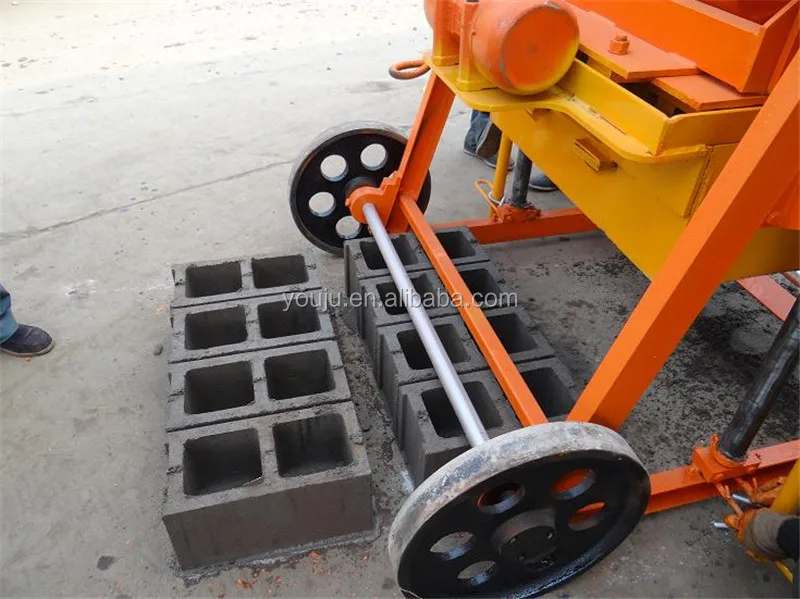
Description
Mould-to-Mix Matching — every QMJ4-45 mobile egg laying block machine configuration starts with the buyer’s local aggregate and target block format, not a catalogue default.
Technical Specifications
| Parameter | Value |
|---|---|
| Model | QMJ4-45 |
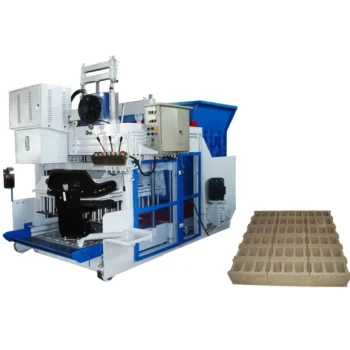
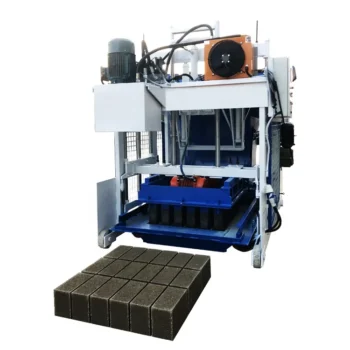
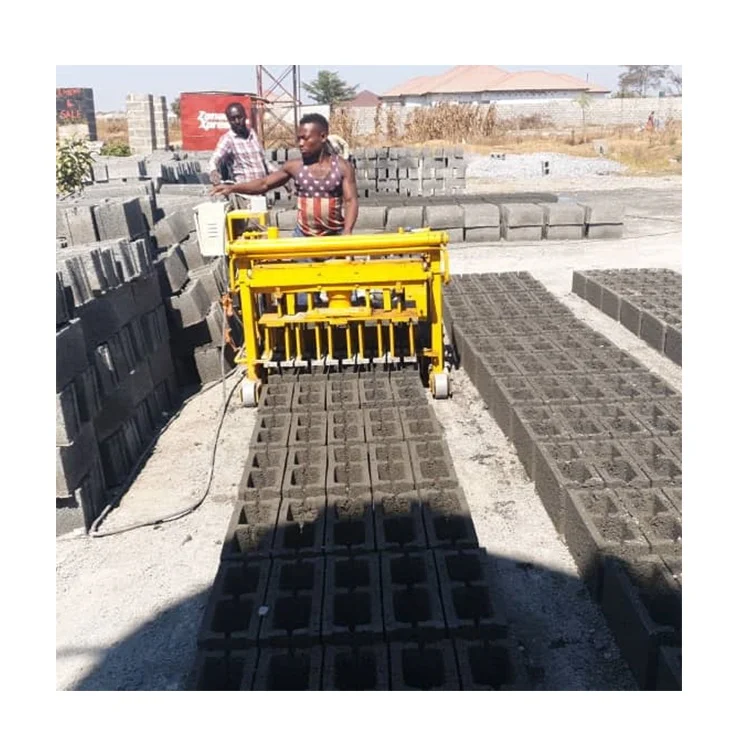
| Product Type | Mobile Egg Laying Block Making Machine |
| Molding Capacity | 4 pcs/mould (basis: 400×200×200mm hollow block) |
| Vibration Frequency | 2400 r/min |
| Productivity | 2600–4000 pcs/day (basis not stated in source) |
| Forming Method | Mould vibration (twice-vibration of molding core) |
| Demold Method | Manual |
| Turning Method | Manual |
| Total Power | 6 kW |
| Power Source | Diesel / Petrol engine |
| Molding Cycle | 45 s |
| Automation Level | Manual (egg-laying / mobile) |
| Pallet Requirement | No pallets consumed (egg-laying on ground) |
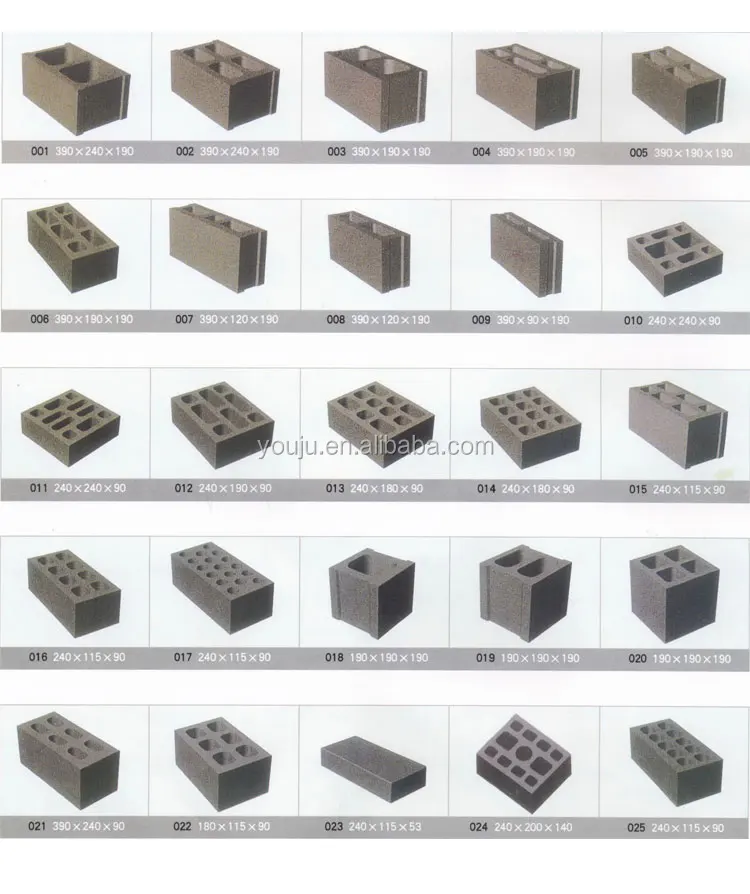
| Block Formats & Productivity (8-hour shift) | 400×200×200 mm hollow block: 4 pcs/mould, 40–45 s cycle, 3000 pcs/day; 400×150×200 mm hollow block: 5 pcs/mould, 40–45 s cycle, 3500 pcs/day; 400×120×200 mm hollow block: 6 pcs/mould, 40–45 s cycle, 4500 pcs/day |
| Warranty | One year for the whole machine (source value — verify against manufacturer catalog) |
Application Suitability
| Application | Material or Output |
|---|---|
| On-site hollow block production | Crushed stone, sand, cement and water mix laid directly on compacted ground |
| Construction contractor self-supply | Hollow blocks produced at existing cement working sites without fixed plant infrastructure |
| First-time block plant startup | Low-investment hollow block, multicellular brick and paving brick production |
| Housing project block supply | Local production paced to match daily site consumption |
What "3000 Blocks a Day" Leaves Out When Format Is Ignored
A daily output figure means nothing without the block format, cycle time and shift length that underpin it.
I have watched buyers compare two mobile egg laying block machine specifications side by side and pick the one with the bigger headline number. Months later the machine arrives, they load 150 mm hollow block moulds, and the daily tally lands well below what the brochure implied. The gap was never the machine — it was the missing assumption behind the quoted capacity. [NEED_CITE: block format impact on daily machine output]
Capacity Stated Per Format, Not as a Single Promise
The QMJ4-45 mobile egg laying block machine specifications list output separately for 400×200×200 mm, 400×150×200 mm and 400×120×200 mm hollow blocks. Each format carries its own mould cavity count — four, five or six — and a 40–45 second cycle that together determine an eight-hour shift total. This way the buyer knows the exact block they will sell before the machine ships, rather than discovering after commissioning that the headline figure assumed a format their market does not buy.
Matching Vibration to the Aggregate You Actually Have
Twice-vibration of the molding core consolidates the concrete mix around the mould walls. When the local sand carries high clay content or the crushed stone grading runs coarse, vibration frequency alone cannot compensate. The QMJ4-45 block machine how to choose conversation must therefore begin with a sieve analysis and a trial mix, so the 2400 r/min vibration force is confirmed against the density the buyer’s market requires. [NEED_CITE: effect of aggregate clay content on block compressive strength]
Reading the Specs That Decide Daily Reality
The 6 kW total power rating is delivered through a diesel or petrol engine, removing grid dependency for remote sites. This matters because voltage fluctuation at a temporary site can trip electric motors mid-cycle, leaving half-formed blocks in the mould. The manual demold and turning method keeps the machine light and movable, but it also means one operator handles every cycle — a staffing reality that must be planned before the first shift. The 45-second moulding cycle is the ceiling; actual pace depends on how fast the operator feeds mix and walks the machine forward.
The Cost of Skipping the Mix-Design Conversation
Buyers who order without sharing their local aggregate report inconsistent block density across a single shift. Weak blocks fail the drop test, and the contractor either re-crushes them or absorbs the loss. [NEED_CITE: common causes of block strength variation in mobile production] A machine configured for river sand will not perform the same way with quarry dust, and no amount of on-site adjustment recovers strength that was never designed in.
Why Source This QMJ4-45 Here
Block machinery is the single focus of this supply chain, so the QMJ4-45, its moulds and any pallet handling equipment are specified as one matched set. Configuration is built around the buyer’s actual mix design and target block format, not a catalogue default. Mould design covers the formats the buyer’s market sells, with custom drawings available. Automation level is selectable, allowing a buyer to start manual and add pallet feeding or stacking later. Installation support includes operator training so the crew understands cycle pacing and mix consistency from day one.
Documentation & Verification
- Line layout stating block format assumed in capacity calculation
- Mould drawing and format list for every quoted cavity size
- Power source confirmation matched to diesel or petrol availability
- Factory test record on buyer’s target block format before dispatch
- Wear parts and mould list with first-replacement lead times
- Operation and maintenance manual with engine service intervals
Installation, Commissioning & Support
- Level compacted ground required; no concrete foundation needed for egg-laying operation
- Diesel or petrol engine eliminates electrical circuit requirements at remote sites
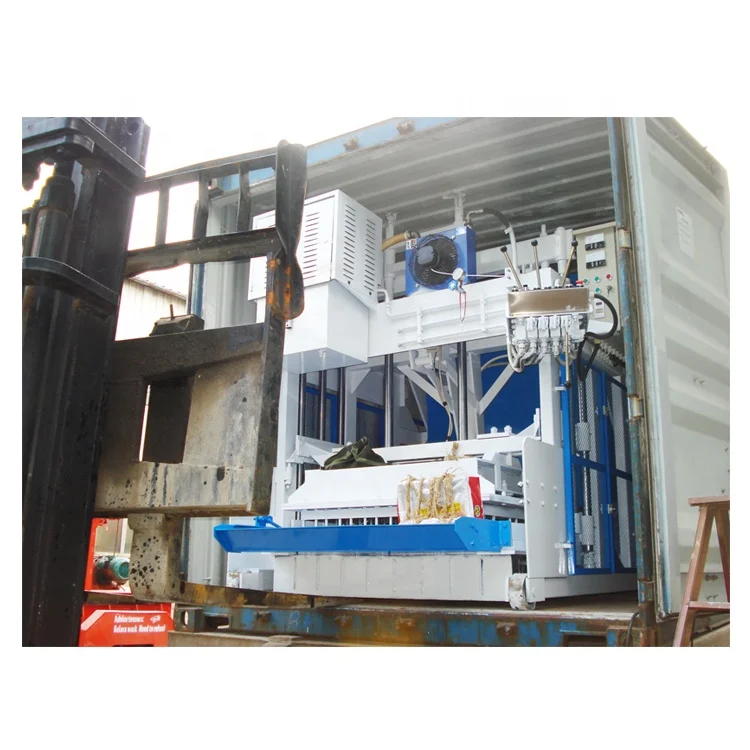
- Machine shipped assembled; only mould mounting bolts require on-site tightening
- First-shift commissioning includes trial runs at 40–45 second cycle with buyer’s mix
- Operator training covers manual demold technique and mix moisture control
- Mould wear plates and engine filters listed with reorder lead times
What to Share Before Requesting a Quote
Provide the hollow block format your market buys most, the daily volume your project or customers expect, and a sieve analysis of your local sand and aggregate. Confirm whether diesel or petrol is easier to source on-site, and describe the ground conditions where blocks will be laid. This information lets the configuration start from your reality instead of a generic baseline.
Frequently Asked Questions
Q: How is daily output calculated per block format, and what cycle time underpins each figure?
A: Output is calculated by multiplying mould cavity count by the number of cycles achievable in an eight-hour shift. For 400×200×200 mm hollow blocks the QMJ4-45 produces four pieces per cycle at 40–45 seconds, giving roughly 3000 pieces. Smaller formats have more cavities per mould, raising the shift total while keeping the same cycle window.
Q: Which mould formats are included, and can additional formats be added later?
A: Standard quotation covers one or more of the three hollow block sizes listed in the specification table. Additional moulds for paving bricks or solid bricks can be ordered separately and swapped on-site with basic hand tools, provided the mould mounting plate matches the QMJ4-45 frame.
Q: What local aggregate and mix design is the machine configured for?
A: Configuration begins with the buyer’s sieve analysis and cement ratio. If the local sand carries high clay or the stone grading differs from the trial mix, vibration force and moisture targets are adjusted before the machine ships. A new material source later may require a fresh trial to confirm block density.
Q: What block strength can be achieved with my local mix, and how is vibration matched to it?
A: Strength depends on cement content, aggregate grading and compaction. The 2400 r/min twice-vibration core consolidates the mix inside the mould. A trial batch with your actual materials confirms whether the resulting density meets your local standard, and adjustments to mix proportion or cycle duration are made before full production begins.
Q: How long does a mould change take, and what tools are required?
A: A trained operator can unbolt the current mould and mount a replacement within a portion of a shift using standard wrenches and the supplied alignment pins. The first change takes longer while the crew learns the sequence; subsequent changes become faster with practice.