Description
Matched System Design — Machine, mould and vibration tuned to the buyer’s actual block format and local aggregate, not a catalogue default.
Technical Specifications
| Parameter | Value |
|---|---|
| Model | QMJ2-45 |
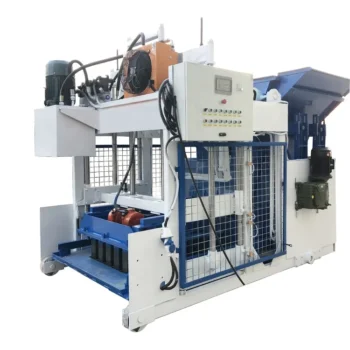
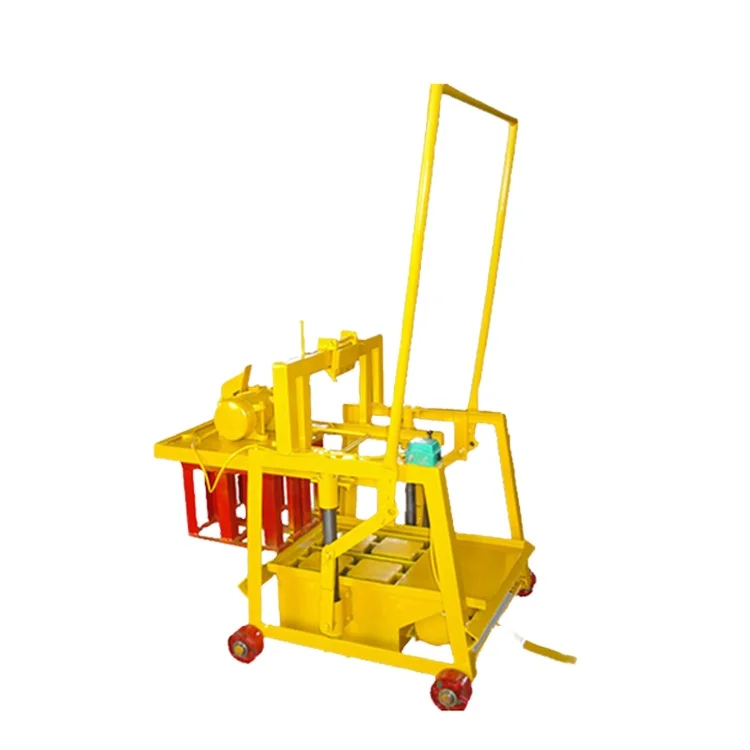
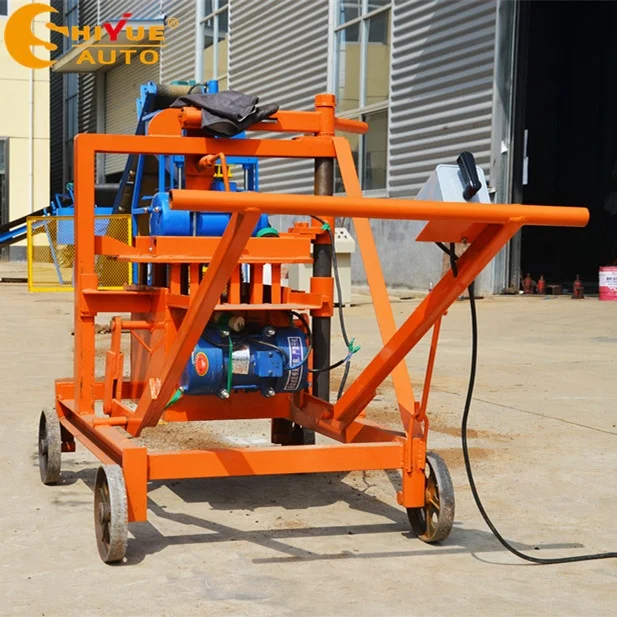
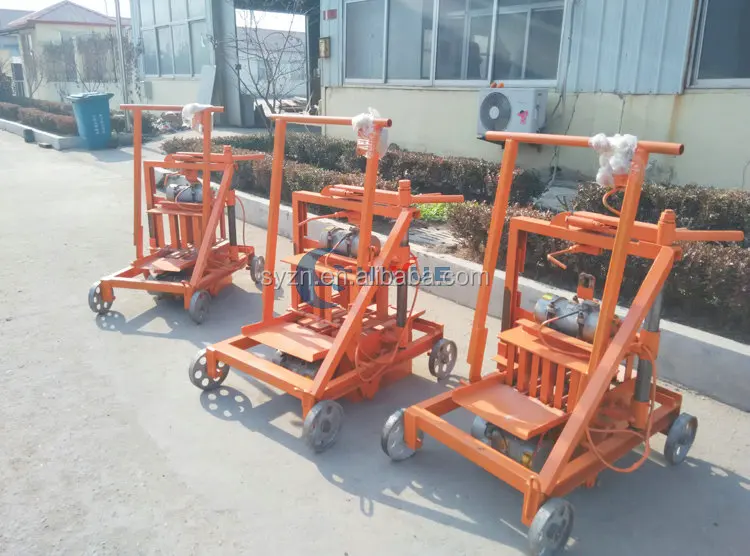
| Product Type | Mobile Egg Laying Block Machine |
| Machine Power | 1.5 kW |
| Molding Cycle | 45 s |
| Output Capacity | 1280 pcs/8 hours (basis not stated in source — confirm block format, material, thickness; theoretical table references 300×150×100 mm block, 2 pcs/mould, 160 pcs/hour) |
| Vibrators | 2 pcs/mould |
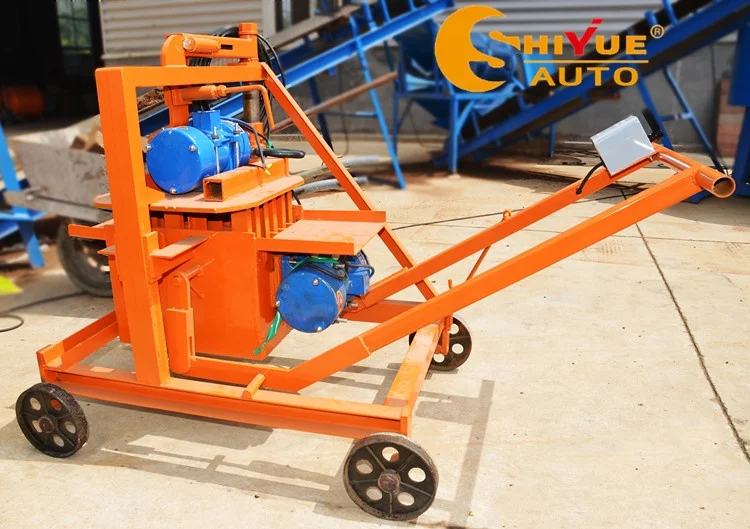
| Vibration System | Bed mould vertical vibration + upper mould compression vibration |
| Raw Material | Concrete, sand, cement |
| Machine Weight | 150 kg |
| Overall Dimensions (L×W×H) | 920×800×1258 mm |
| Voltage | Configurable to buyer local voltage and frequency |
| Automation Level | Semi-automatic, manual movable / egg-laying type |
Application Suitability
| Application | Material or Output |
|---|---|
| On-site mobile block production | Concrete, sand, and cement mix on a leveled ground surface |
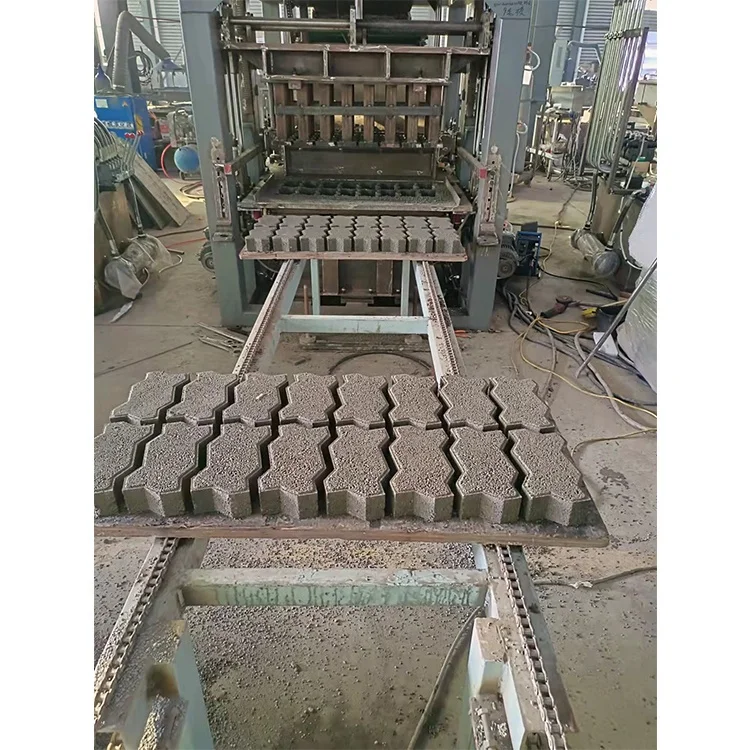
| Small-scale hollow block manufacturing | 300×150×100 mm hollow blocks at 2 pcs per mould cycle |
| Contractor job site production | Hollow blocks produced directly at the construction location |
| First block plant for entrepreneurs | Low-investment entry into block manufacturing with minimal infrastructure |
What "1280 Blocks per Day" Actually Means for Your Site
Capacity only becomes real when the block format, mix design, and local aggregate are all named on the same line.
When I was doing quality checks in the workshop, a buyer ordered a QMJ2-45 based on our standard sand test results. His local aggregate had high clay content, and the blocks crumbled on handling. Daily output dropped by half because most pieces were rejected. That mismatch between quoted capacity and on-site reality happens when the block format and raw material are not locked down before the machine ships [NEED_CITE: aggregate grading and clay content effects on block compressive strength].
Mould Format and Cycle Time Reality
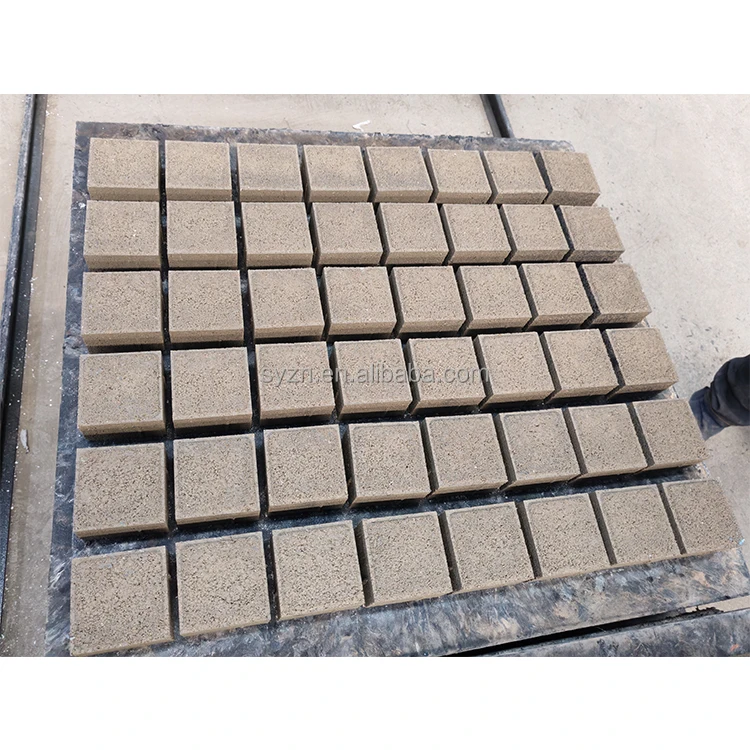
The QMJ2-45 comes with a 45-second molding cycle and dual vibration — bed mould vertical vibration combined with upper mould compression vibration. This Mobile Egg Laying Block Machine specification sheet references a theoretical output based on a 300×150×100 mm hollow block at 2 pieces per mould. When buyers request a different format, the cycle time shifts, and the realistic daily count must be recalculated per that specific format. Quoting cycles per hour without naming the block size leaves the buyer guessing what will actually arrive on the pallet by end of shift.
Egg-Laying Production Without a Fixed Plant
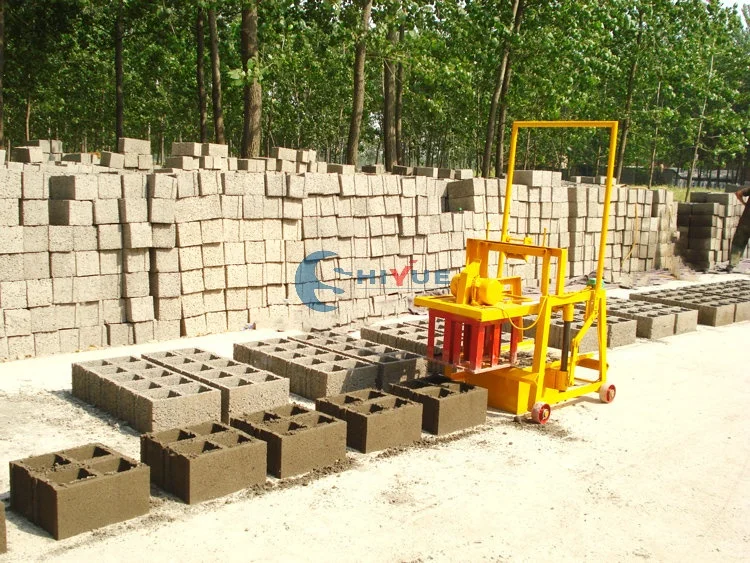
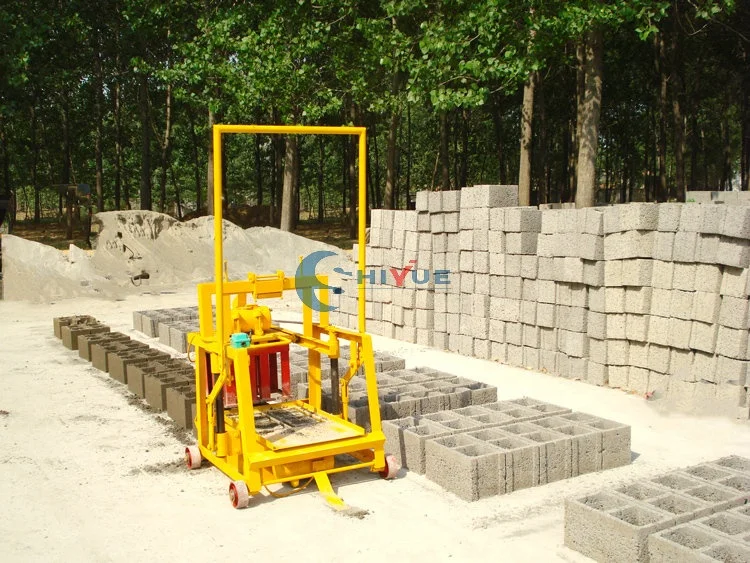
The mobile, egg-laying configuration means the machine lays blocks directly on the ground as it moves forward, eliminating the need for a fixed curing yard or pallet return system. For a contractor working a remote housing project, this removes the cost and footprint of pallet handling infrastructure. The 150 kg machine weight and 920×800×1258 mm footprint allow one or two operators to reposition it across a site. Blocks cure in place, which simplifies logistics but requires a prepared, level surface to maintain dimensional consistency across the run [NEED_CITE: ground preparation requirements for egg-laying block machines].
Vibration Force, Mix Design, and Block Strength
The 1.5 kW motor drives two vibrators per mould, generating vertical bed vibration and upper compression vibration simultaneously. For hollow blocks, this dual action compacts the concrete mix into the mould corners and around the core formers. However, vibration force must be matched to the specific mix design and aggregate grading available locally. A mix with high fines content responds differently than one with clean, washed sand. If the vibration frequency and mix water content are not aligned, blocks emerge with inconsistent density — strong on one side, friable on the other. This is where a factory test using the buyer’s actual raw material sample becomes essential before confirming the order.
The Hidden Cost of Skipping Voltage and Frequency Confirmation
I have seen machines arrive at port with the wrong motor winding because the local voltage and frequency were not confirmed before production. A 1.5 kW motor wound for 380V/50Hz will overheat and burn out on a 220V/60Hz supply within days [NEED_CITE: voltage and frequency standards by export market]. The QMJ2-45 voltage is configurable to the buyer’s local supply, but only if that specification is locked in writing before the machine enters assembly. Commissioning delays and motor replacements at the buyer’s cost are the typical outcome when this step is skipped.
Why Buyers Source This Model Through Our Configuration Process
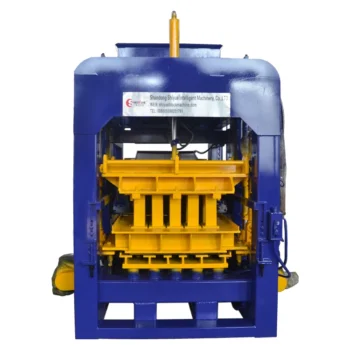
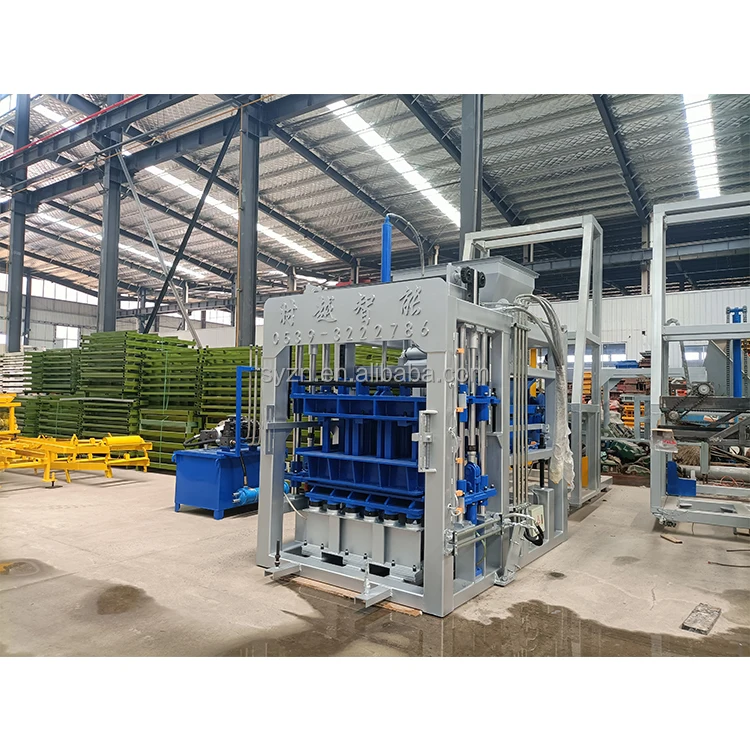
The QMJ2-45 is treated as one matched system — machine, mould, and vibration parameters are specified together against the buyer’s target block format and local material, not pulled from a generic catalogue page. Mould design covers the hollow block formats the buyer’s market actually sells, with custom drawings available for non-standard sizes. The semi-automatic tier keeps initial investment low while leaving a clear path to higher automation if production scales. Installation guidance includes operator training so the crew understands how mix water content, vibration time, and mould filling interact on this specific machine.
Documentation & Verification
- Line layout showing block format assumed for capacity calculation
- Mould drawing and format list for all available hollow block sizes
- Factory test record with cycle time and block density on buyer’s mix
- Voltage, frequency, and motor winding confirmation sheet before dispatch
- Operation and maintenance manual in the buyer’s preferred language
- Wear parts and mould replacement list with part numbers
Installation, Commissioning & Support
- Level ground surface prepared to 920×800 mm minimum working footprint
- Single-phase or three-phase power circuit matching confirmed motor voltage
- Machine arrives assembled; operators trained on mould filling and vibration timing
- First production run supervised to adjust mix water content and cycle consistency
- Spare vibrator and mould wear plate inventory recommended for first year
- Daily cleaning of mould cavity and vibrator mounting bolts after each shift
Moving Forward with a Configuration Inquiry
To size the QMJ2-45 accurately, we need the target hollow block dimensions, the local aggregate source with a sieve analysis or photo, and the site voltage and frequency. Share the planned daily output target and the curing space available so we can confirm whether the egg-laying mobile format fits your site conditions or whether a pallet-based system would serve you better.
Frequently Asked Questions
Q: How is the 1280 pcs/day capacity calculated and which block format does it assume?
A: The figure references a theoretical productivity table based on a 300×150×100 mm hollow block at 2 pieces per mould and a 45-second cycle. If your target format differs in size or wall thickness, the cycle time and pieces per mould change, so the daily output must be recalculated specifically for your block. We provide a capacity sheet naming the exact format assumed.
Q: What mould formats are available for the QMJ2-45 and what is the cycle time per format?
A: The standard mould produces hollow blocks, and custom moulds can be designed to buyer drawings for other sizes. Each format change alters the fill volume and vibration time needed for full compaction. We confirm cycle time per format during the factory test using your proposed mix before the machine ships.
Q: How do I match vibration force and mix design to my local aggregate for consistent block strength?
A: Send us a sample or sieve analysis of your local sand and aggregate along with the cement type you plan to use. We run a factory test on the QMJ2-45 adjusting water content and vibration duration until block density is uniform. This prevents the situation where blocks pass on standard sand but fail on your actual material.
Q: What curing surface does an egg-laying machine require on site?
A: The machine lays blocks directly on the ground, so the surface must be level, compacted, and free of debris to keep block dimensions consistent. A concrete floor is ideal but not mandatory; well-compacted gravel or a sand-cement screed also works. The curing area must accommodate the daily output footprint with space for workers to move between rows.
Q: How is voltage, frequency, and motor specification confirmed for my country?
A: We request your site voltage and frequency in writing before the machine enters assembly. The 1.5 kW motor is wound to match, and the confirmation sheet is included in the documentation package. This avoids commissioning delays and motor burnout caused by mismatched electrical supply at the destination.