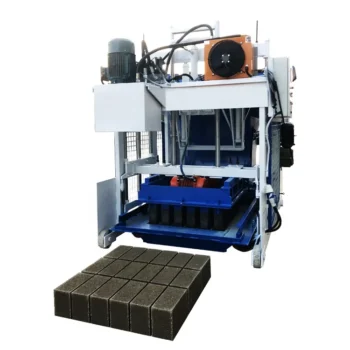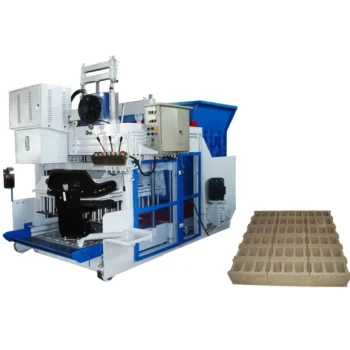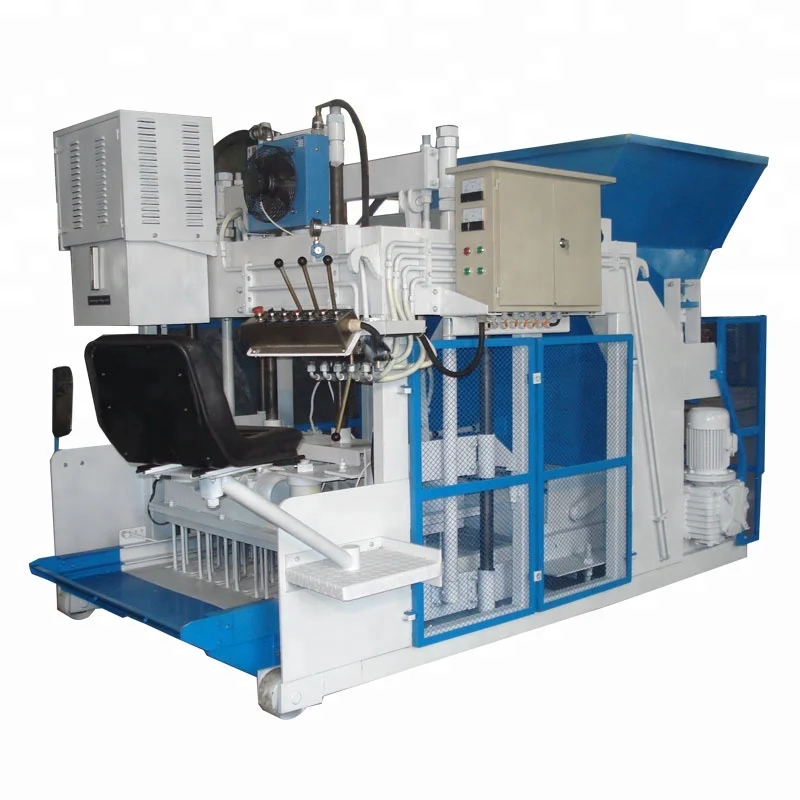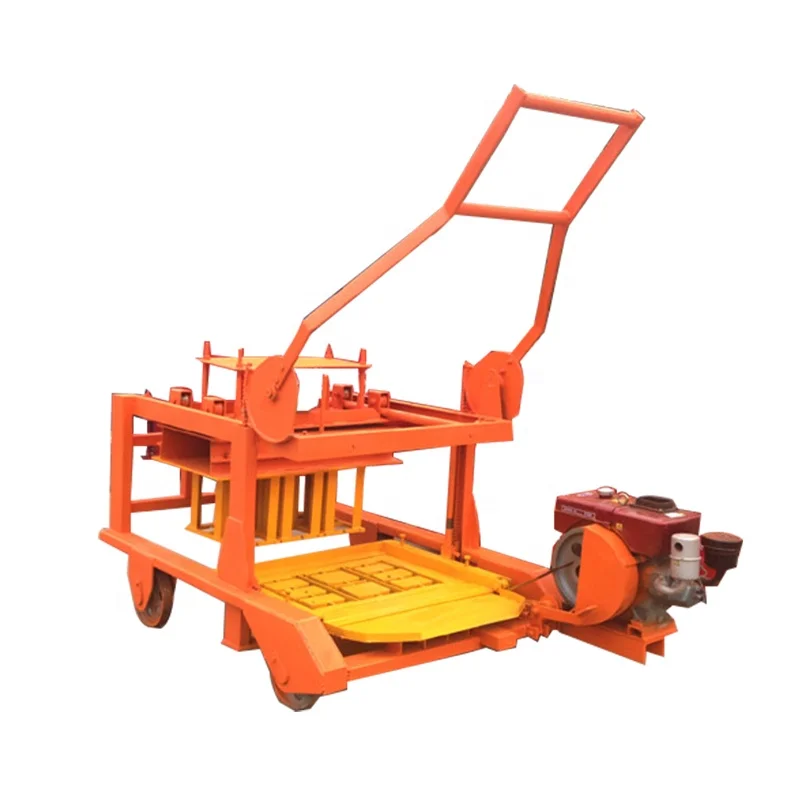
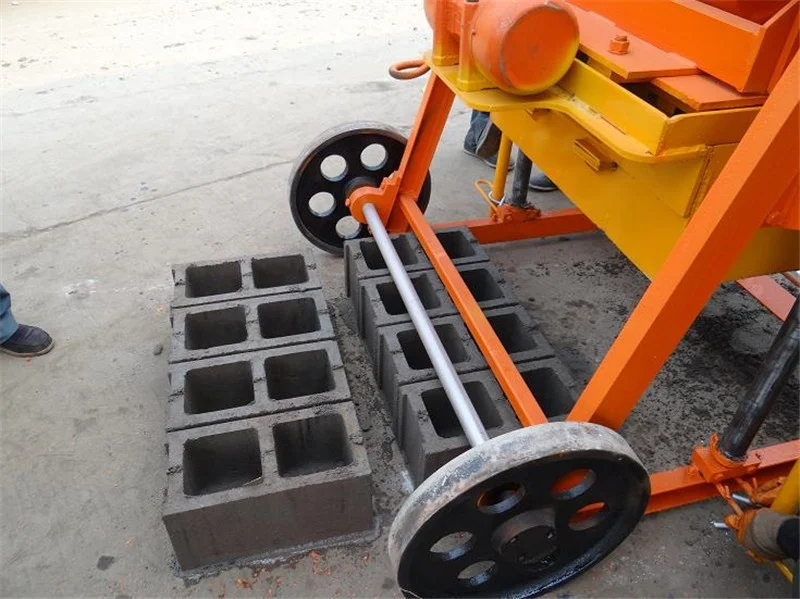

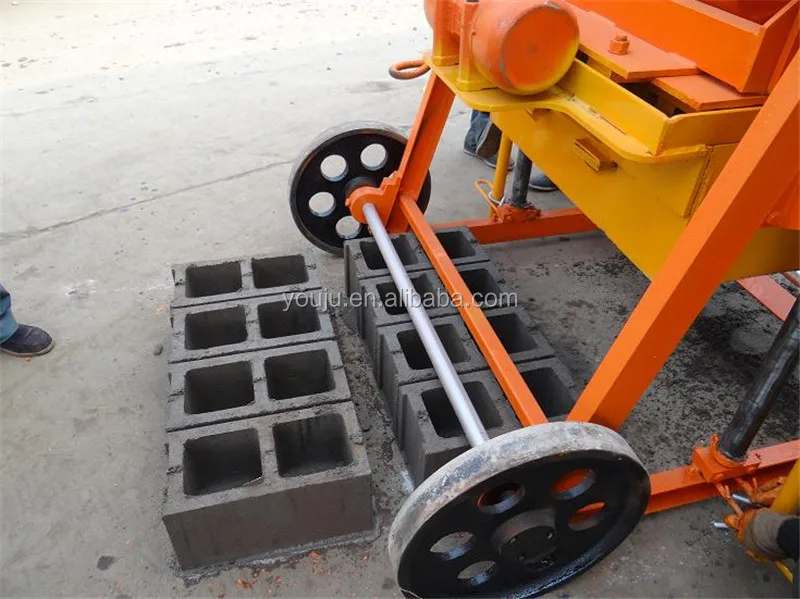
Description
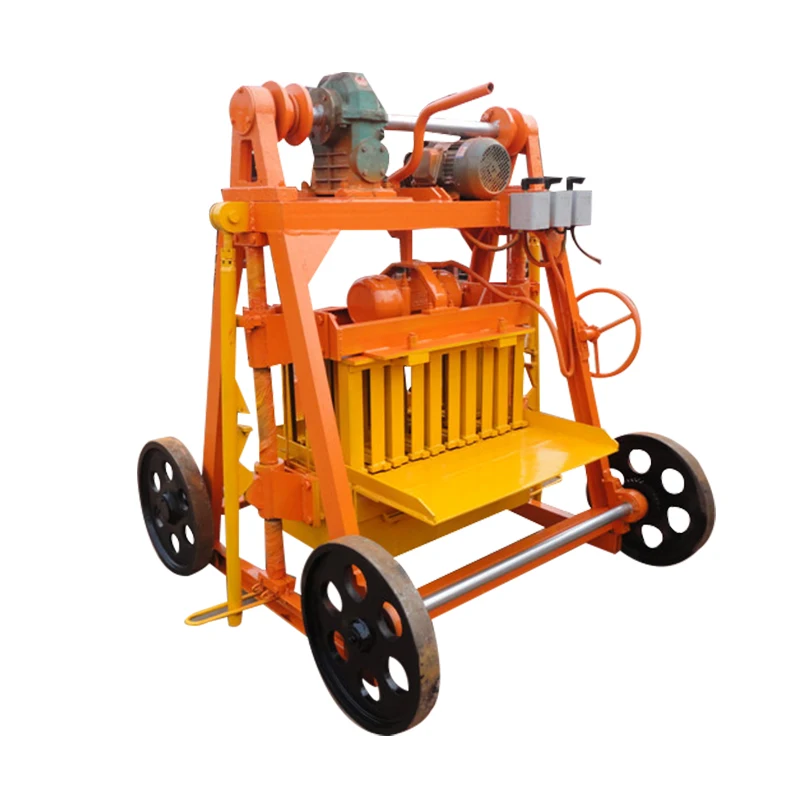
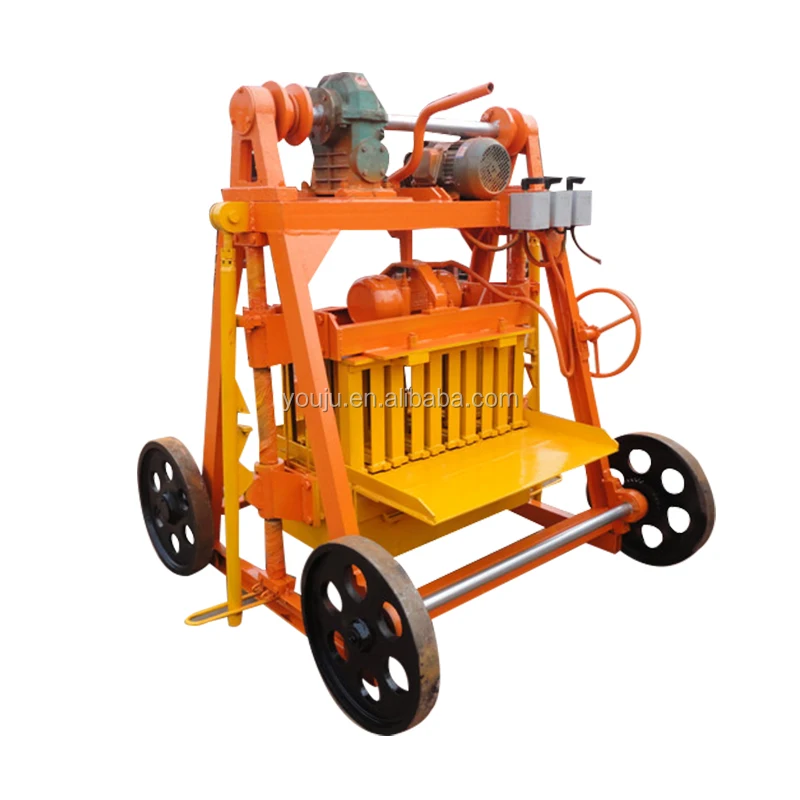
Matched System Supply — QMJ4-45 mobile block machine specifications are calculated against your actual hollow block format and local aggregate, not a generic catalogue default.
Technical Specifications
| Parameter | Value |
|---|---|
| Model | QMJ4-45 |
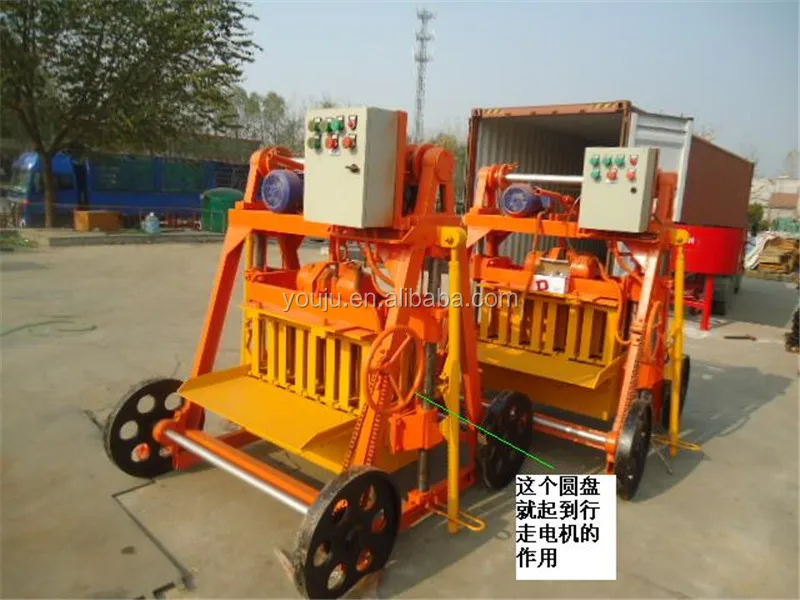
| Product Type | Mobile Manual Hollow Block Making Machine |
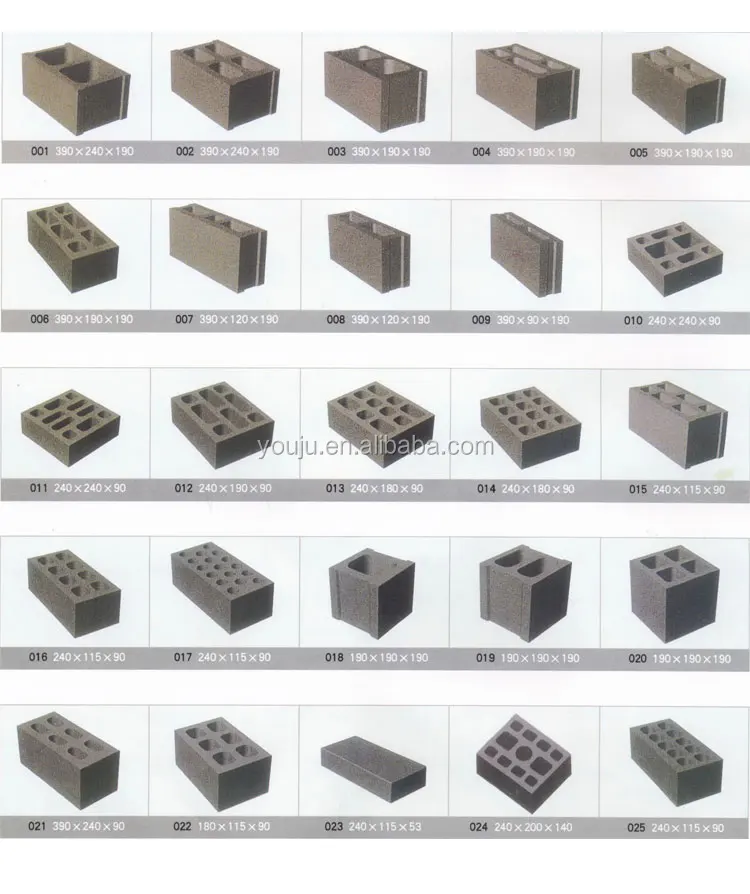
| Molding Capacity | 4pcs/mold (400×200×200mm), 5pcs/mold (400×150×200mm), 6pcs/mold (400×120×200mm) |
| Molding Cycle | 40-45s |
| Vibration Frequency | 2400 r/m |
| Hydraulic Method | Mold vibration |
| Demolding Method | Manual |
| Turning Method | Manual |
| Total Power | 6KW |
| Power Resource | Diesel/Petrol engine option |
Application Suitability
| Application | Material or Output |
|---|---|
| On-site construction | Hollow blocks from local crushed stone and cement |
| Housing project supply | Multi-cellular bricks and standard bricks |
| Remote site production | Paving bricks using diesel engine power source |
| Small-scale enterprise | Manual block making with existing cement working sites |
Why Mobile Block Machine Specifications Must Define the Block Format First
Capacity figures mean nothing without the block dimension attached to them.
When sourcing a mobile block machine, buyers often see a single daily output number and assume it applies to every format they intend to produce. In reality, the QMJ4-45 mobile block machine specifications show output shifting from 3000 pieces per day on 400×200×200mm hollow blocks to 4500 pieces per day on 400×120×200mm blocks, simply because the mold cavity count changes. If your market primarily demands the larger format, planning your project timeline around the higher number will leave you short. [NEED_CITE: construction material estimation standards for hollow block formats]
Cycle Time Reality Across Different Formats
The QMJ4-45 operates on a 40-45 second molding cycle. For a technical buyer, the relevant metric is how many cycles an operator can realistically complete in an eight-hour shift, accounting for manual demolding, turning, and raw material feeding. The mobile block machine specifications list 2400 r/m vibration frequency, which is necessary to compact the concrete mix within that short cycle window, but the actual daily throughput depends on the crew’s rhythm and the specific block format being run.
Matching Power Source to Site Conditions
A distinct advantage of this egg laying block machine is the availability of a Diesel/Petrol engine power resource. This configuration is essential for development contractors working on sites where grid electricity is either unavailable or too unstable to run a 6KW load continuously. Choosing the engine option removes the dependency on a generator or temporary grid connection, allowing production to start immediately upon machine arrival. [NEED_CITE: off-grid construction site power requirements for industrial machinery]
The Impact of Manual Operation on Output Consistency
Because the QMJ4-45 relies on manual demolding and turning, the consistency of block strength is tied directly to the operator’s technique and the vibration time applied per mold. The twice-vibration molding core is designed to increase density, but if the operator moves the machine before the cycle completes, the block edges may crumble. This machine is built for contractors who need format flexibility without the capital outlay of a fully automatic stationary plant.
Selecting the Right Mold for Your Local Market
The mobile block machine specifications include mold options for 400×200×200mm, 400×150×200mm, and 400×120×200mm hollow blocks. A technical buyer must verify which of these formats is actually sold in their region before ordering. We provide custom mold design to buyer drawings, ensuring the machine produces the exact dimensions your local construction codes require, rather than forcing you to adapt your sales to a standard catalog mold.
Vibration Force and Mix Design Compatibility
The 2400 r/m vibration frequency and 6KW total power dictate how the machine handles different aggregate sizes. If your local source uses volcanic aggregate or large-diameter crushed stone, the standard vibration force may not achieve the required compaction. During our technical review, we analyze your specific mix design to confirm the QMJ4-45 can achieve the necessary block strength, preventing the situation where a machine arrives on site only to produce blocks that fail compression tests. [NEED_CITE: concrete block compression testing standards by region]
The Hidden Cost of Ignoring Pallet and Curing Logistics
While the QMJ4-45 is an egg-laying machine that does not require pallets for the press cycle, the curing process still demands significant floor space. Buyers often overlook the fact that 3000 to 4500 blocks per day require a large, flat, and protected area to cure for several days. If your site lacks this space, the machine’s output will be bottlenecked not by the press, but by the inability to move and store the fresh blocks without damaging them.
Why Procurement Focuses on Format and Field Support
We specify the QMJ4-45 as a matched system where the mold, power source, and vibration settings are aligned with your target block format. Our technical sales team reviews your local aggregate and daily volume requirements to prevent the common failure of under-powered vibration on difficult mixes. Documentation includes a capacity calculation stating the exact block format assumed, so your project estimates remain accurate. We support installation and commissioning with operator training focused on manual cycle consistency.
Documentation & Verification
- Line layout and capacity calculation stating the specific hollow block format assumed
- Machine specification sheet with cycle time per mold cavity count
- Mold drawing and format list matching your local market dimensions
- Operation and maintenance manual with wear parts list for the vibration assembly
- Factory test record on your specified aggregate and mix design before dispatch
Installation, Commissioning & Support
- Site preparation requiring a flat, level concrete floor for the manual turning mechanism
- Power source setup for the 6KW diesel or petrol engine option
- Commissioning of the 2400 r/m vibration frequency against your local mix
- Operator training on the 40-45s molding cycle and manual demolding technique
- Supply of spare springs and vibration components for the molding core
Sizing the Machine to Your Project Requirements
To provide an accurate configuration, please share the specific hollow block dimensions your market requires and the source of your local aggregate. We also need to know the daily volume target and whether your site has access to stable electricity or requires the diesel engine configuration. This data allows us to confirm the QMJ4-45 mobile block machine specifications align with your actual production conditions.
Frequently Asked Questions
Q: How do I verify the daily output for my specific block format?
A: The daily output depends on the mold cavity count and the number of cycles completed in an eight-hour shift. For the QMJ4-45, a 400×200×200mm mold produces 4 blocks per cycle, while a 400×120×200mm mold produces 6. We provide a capacity calculation sheet based on the 40-45s cycle time and your specific format to give a realistic estimate.
Q: Can the QMJ4-45 handle volcanic or large-diameter aggregate?
A: The 2400 r/m vibration frequency is designed for standard mixes, but difficult aggregates like volcanic stone may require different compaction force. We review your local material source and mix design before confirming the machine, ensuring the vibration system can achieve the required block density and strength for your market.
Q: What power options are available for sites without grid electricity?
A: The QMJ4-45 is available with a Diesel/Petrol engine power resource, making it suitable for remote construction sites or housing projects where the electrical grid is not yet established. This 6KW configuration allows you to begin block production immediately without investing in a separate heavy-duty generator.
Q: How long does it take to change molds for different block sizes?
A: As a manual mobile machine, mold changes involve physical replacement of the mold box. While faster than some stationary setups, the time depends on the operator’s experience. We provide a format list and mold drawings so you can plan your production schedule around the formats your market actually demands.
Q: What documentation is provided to prove the machine meets my capacity needs?
A: We supply a technical specification sheet and a capacity calculation that explicitly states the block format and cycle time assumed. This ensures your project planning is based on the actual output of the QMJ4-45 for your chosen hollow block dimensions, rather than a generic industry average.