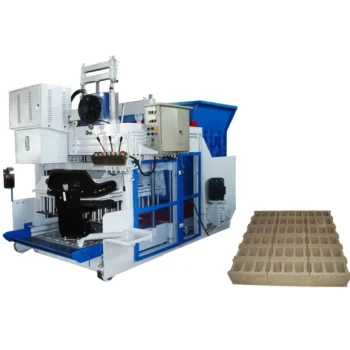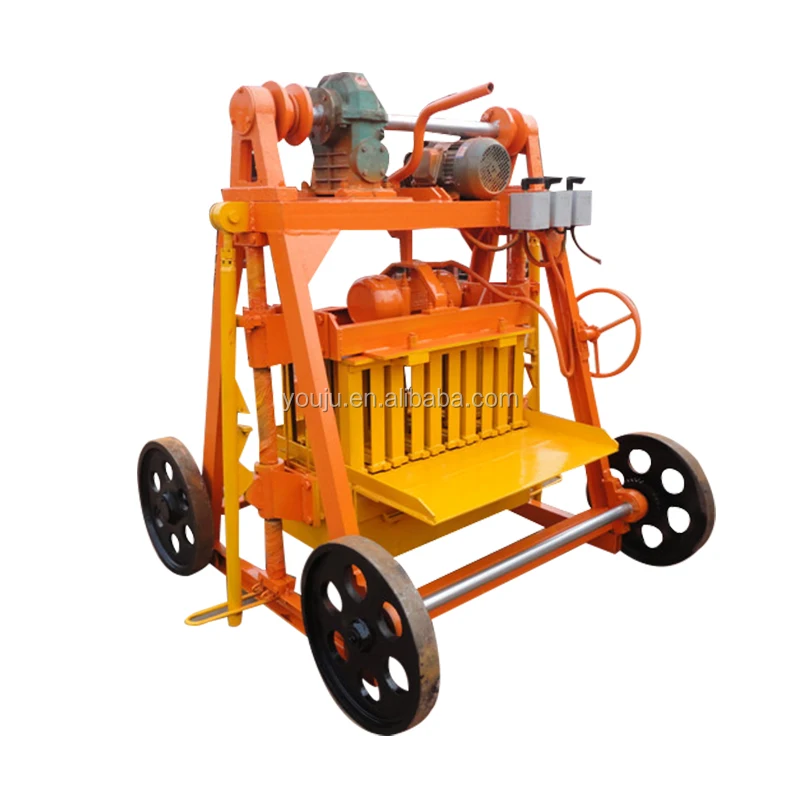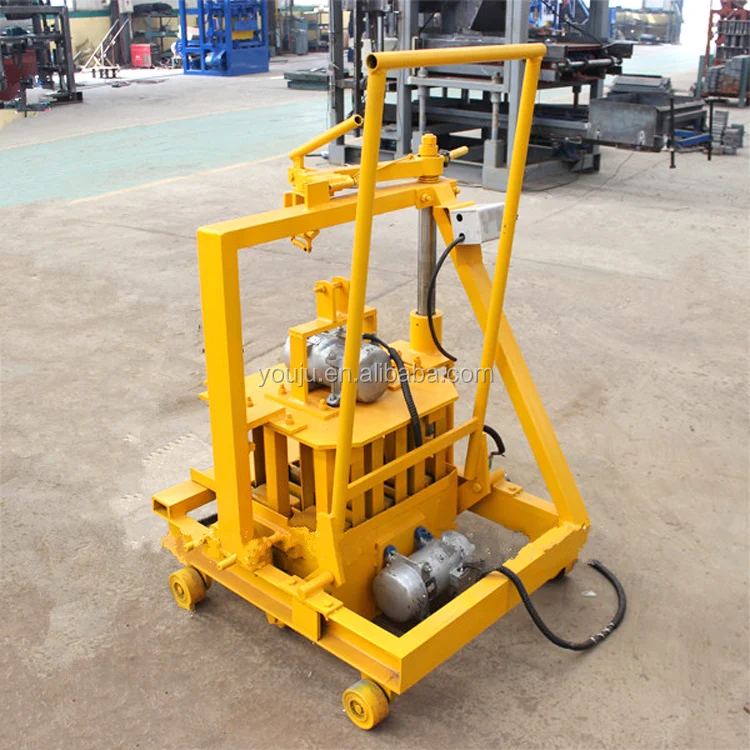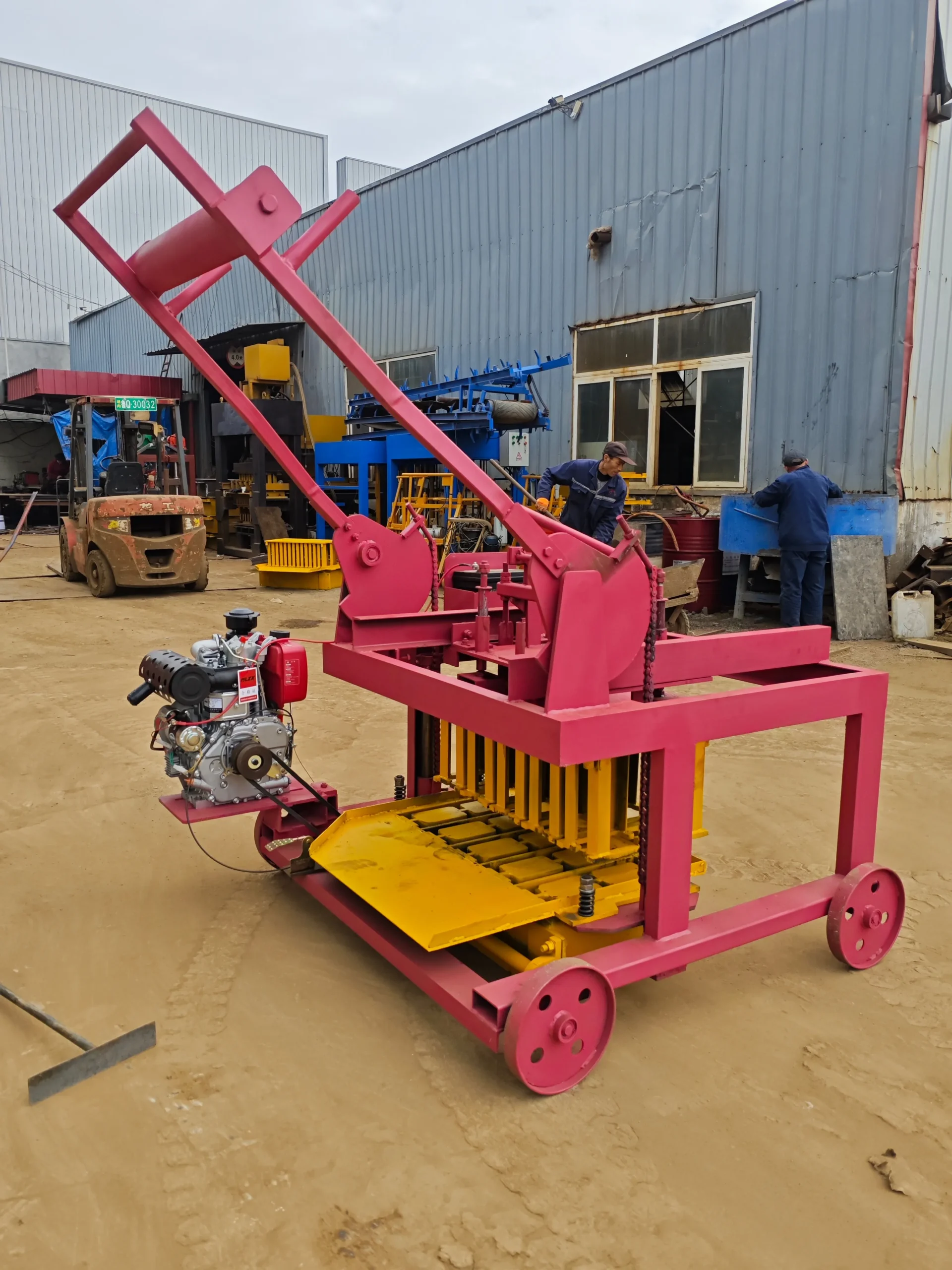


Description
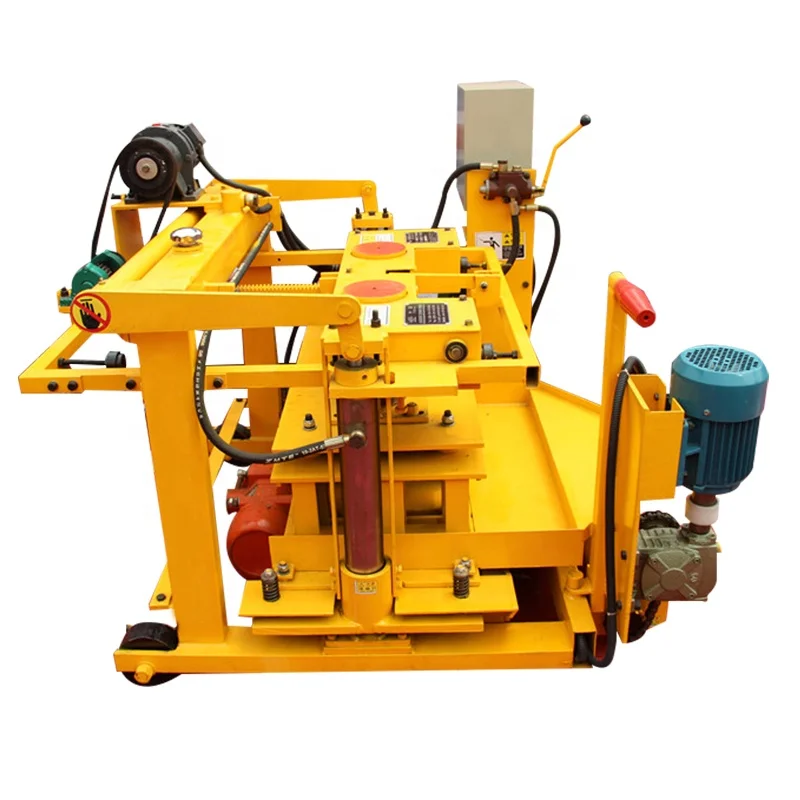
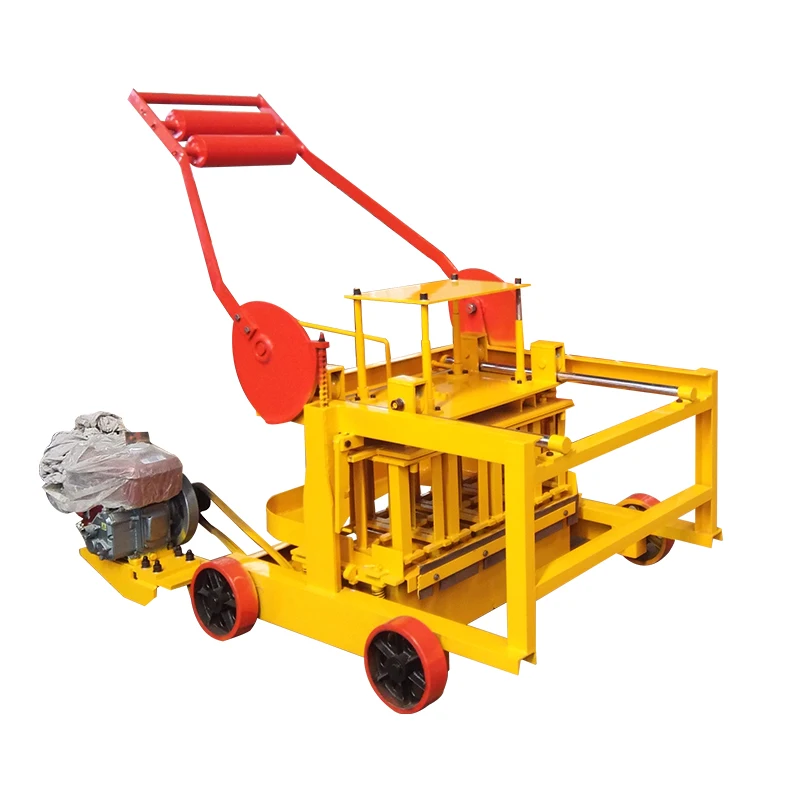
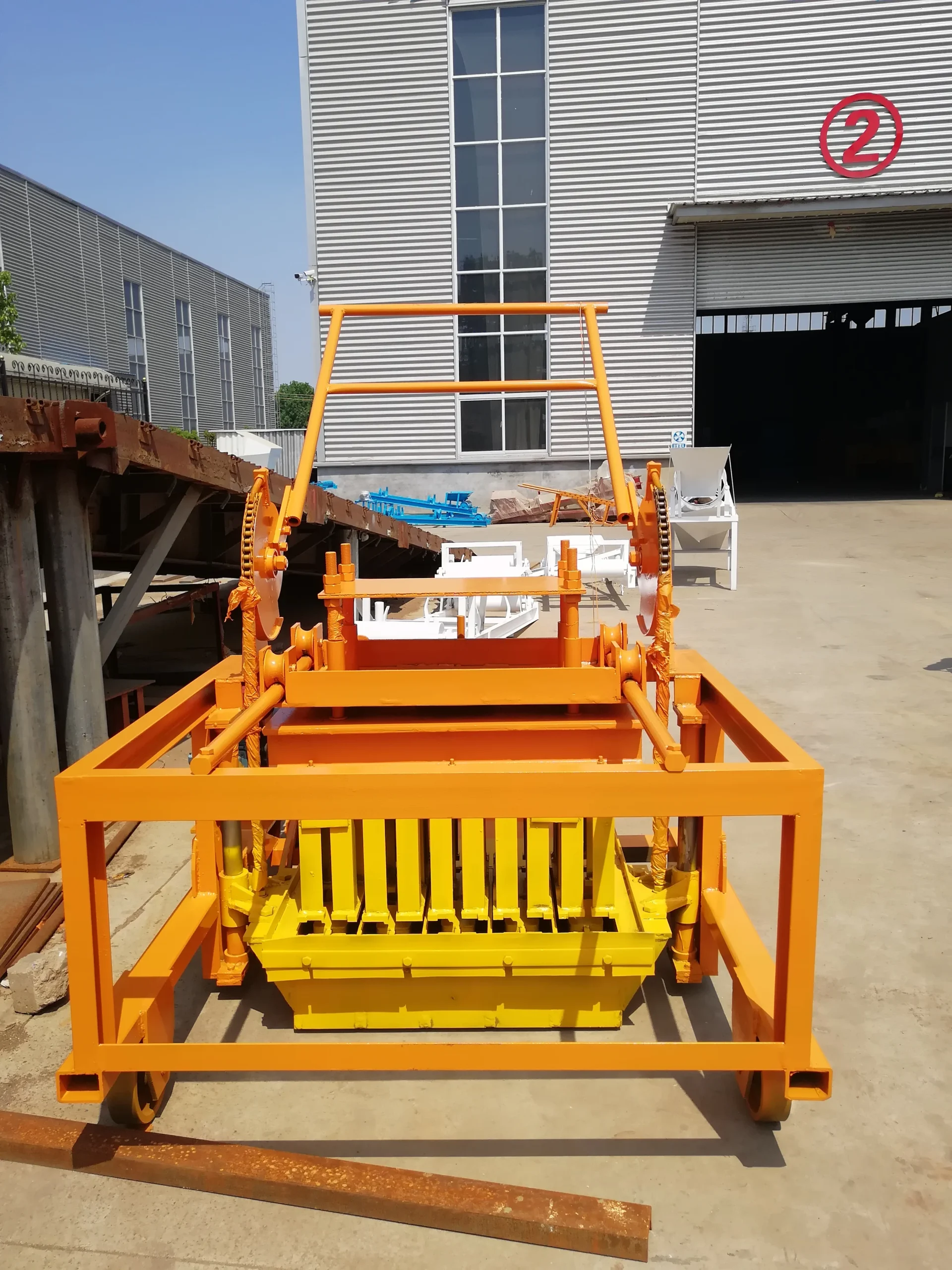
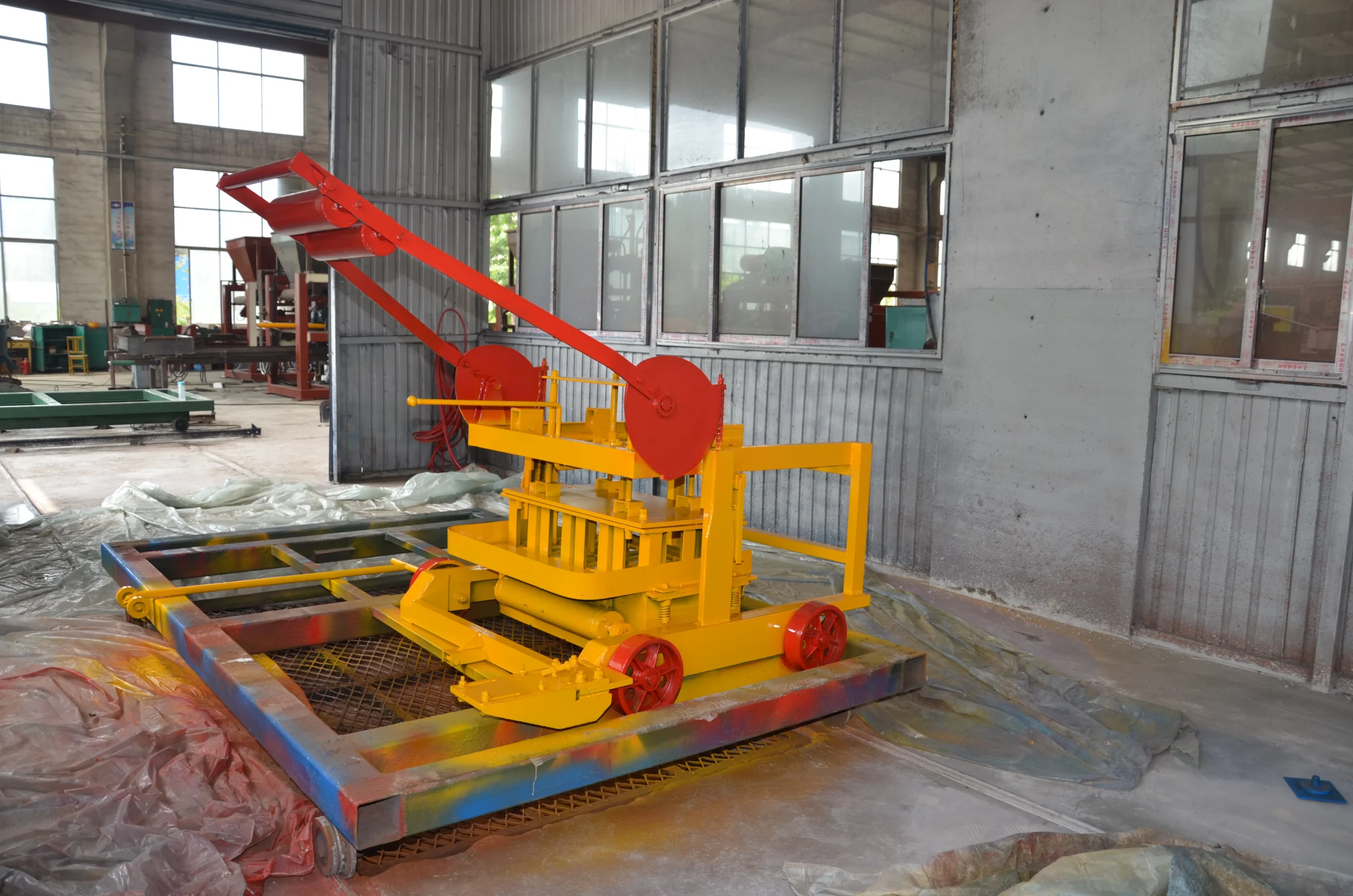
Block Machinery as a Single Focus — Every specification of the QMR4-45 diesel mobile egg-laying block machine is tied to a confirmed block format, local aggregate profile, and realistic cycle time before quotation.
Technical Specifications
| Parameter | Value |
|---|---|
| Model | QMR4-45 |
| Product Type | Mobile Manual Egg-laying Block Making Machine |
| Power Source | Diesel powered (basis not stated in source — confirm engine kW / HP rating) |
| Operation Type | Manual |
| Machine Type | Mobile / Egg-laying |
| Mould Format | Multiple block and mold samples available (basis not stated in source — confirm block format / dimensions / type) |
| Output Capacity | Stated in source image (basis not stated in source — confirm block format / material / thickness) |
| Cycle Time | Basis not stated in source — confirm block format / material / thickness |
| Vibration Force | Basis not stated in source — confirm value |
| Pallet Size | Not applicable (egg-laying type, no pallet required) |
| Automation Level | Manual |
| Assembly State | Mobile, no fixed plant required |
Application Suitability
| Application | Material or Output |
|---|---|
| On-site block production | Local crushed stone, river sand, and cement mixes |
| Construction contractors | Direct-to-site block laying for masonry walls |
| Small block producers | Remote or temporary job sites without grid access |
| Housing project contractors | Solid blocks and hollow blocks for perimeter and load-bearing walls |
What "1200 Pieces per Hour" Leaves Out About Mobile Block Machines
Any output figure that omits the block format it assumes is not a capacity number — it is a marketing placeholder.
The mobile egg-laying block making machine specifications you see on a datasheet often quote a peak number tied to the smallest, thinnest format the press can cycle through. When your actual product is a 200mm hollow block, that same machine may run at a fraction of the quoted pace because the vibration time, fill depth, and compaction pressure required are entirely different. I have watched contractors order a diesel mobile unit based on a headline number, only to find the real daily count fell far short because nobody matched the cycle time to their actual block size and local aggregate density [NEED_CITE: block machine capacity calculation standards].
Matching Cycle Time to Your Selling Format
The QMR4-45 operates on a manual egg-laying principle where the machine moves forward after each press cycle, leaving the freshly formed block directly on the ground. The cycle time for this mobile egg-laying block making machine specifications sheet must be read against the exact block dimension you intend to produce. A solid paver requires less fill and shorter vibration than a deep-cavity hollow block, and the difference compounds over hundreds of cycles per shift.
Diesel Power Stability on Variable Sites
Diesel engines driving this mobile egg-laying block making machine specifications package are subject to ambient temperature, fuel quality, and altitude. I once spent two weeks on a Southeast Asian job site where the diesel engine’s RPM fluctuated because the local fuel had higher water content than expected, which directly reduced the vibration force delivered to the mould. The block density dropped and rejection rates climbed until we corrected the fuel filtration and recalibrated the throttle linkage. Engine output must be verified under site conditions, not just at the factory test bench [NEED_CITE: diesel engine performance under tropical operating conditions].
Reading the Spec Sheet Without Being Misled
Vibration force, hydraulic pressure, and cycle time interact to determine the density and compressive strength of every block the QMR4-45 produces. A high vibration force rating means little if the diesel engine cannot sustain consistent RPM under load. The mould cavity count defines how many blocks drop per cycle, but the actual daily output depends on how fast the operator can reposition the machine, refill the hopper, and initiate the next press. Buyers should request a capacity calculation that names the specific block format, the assumed mix design, and the realistic operator-paced cycle time rather than accepting a single headline figure [NEED_CITE: concrete block compressive strength testing methods].
The Cost of Skipping the Format Conversation
A buyer who orders without confirming which mould format the quoted output is based on will often receive a machine configured for a standard hollow block, only to discover their local market demands interlocking pavers or kerbstones. The mould swap itself is straightforward, but the cycle time and mix proportions change with every format, meaning the production forecast the buyer built their business plan around no longer holds. This mismatch surfaces only after the machine is on-site, container freight is paid, and the project deadline is already slipping [NEED_CITE: concrete block mould change procedures and downtime].
Why Sourcing the Machine Here Changes the Outcome
Block machinery as a single focus means the QMR4-45 is never quoted as a standalone press. The diesel engine rating, mould cavity design, and vibration parameters are matched against your target block format and local aggregate before the quotation is issued. Configuration is set against the buyer’s actual mix design rather than a catalogue default. Mould options are confirmed with drawings showing exact dimensions and cavity counts for every format the buyer intends to produce. The automation level is manual by design, keeping the unit self-contained for sites with no fixed infrastructure.
Documentation & Verification
- Capacity calculation sheet stating the exact block format and cycle time assumed for each output figure
- Mould drawing and format list confirming included and optional block types
- Diesel engine specification with kW or HP rating documented before dispatch
- Operation and maintenance manual listing wear parts and mould replacement intervals
- Factory test record on the buyer’s confirmed block format
Installation, Commissioning & Support
- No fixed foundation required; the QMR4-45 operates on compacted level ground at the project site
- Diesel fuel grade and filtration requirements confirmed before first start-up
- Vibration force and throttle linkage calibrated on-site to match local aggregate density
- Manual mould change procedure demonstrated with the buyer’s confirmed block formats
- Wear parts list provided for vibration springs, mould liners, and hopper gates
- Daily maintenance schedule covering engine oil, hydraulic fluid, and vibration motor inspection
Moving Forward With the Right Information
To size this machine correctly, share the block formats your market demands, the local aggregate and cement types available, and the daily output target you need to sustain. Confirm whether the site has flat compacted ground or whether grading is needed before the machine arrives.
Frequently Asked Questions
Q: What block format and cycle time is the quoted output based on?
A: Every output figure we provide is tied to a named block dimension, cavity count, and confirmed mix design. The capacity calculation sheet shows the cycle time per format so you can forecast daily production honestly rather than relying on a single headline number that assumes the smallest possible block.
Q: Which mould formats are available and how long does a mould change take?
A: The QMR4-45 supports multiple mould formats including solid blocks, hollow blocks, and pavers depending on the cavity plate installed. Mould change is manual and typically completed within one shift once the operator is trained. We supply a format list with drawings so you can confirm which types are included and which are optional before ordering.
Q: What local aggregate and mix design is this machine configured for?
A: The vibration force and fill depth are adjusted based on the aggregate size, cement ratio, and moisture content available at your site. We request a sample or description of your local raw materials before finalising the machine configuration so the block density and strength meet your market requirements without requiring a costly material substitution.
Q: How is daily output calculated from cycle time per block format?
A: Daily output is derived from the confirmed cycle time per block, the number of blocks per mould cycle, and the realistic operating hours your crew can sustain. The calculation accounts for hopper refill intervals, machine repositioning, and brief pauses for mould inspection, giving you a production figure that reflects actual site conditions rather than an uninterrupted factory test.
Q: What spare moulds and wear parts are included and how are replacements sourced?
A: The initial shipment includes a wear parts list covering vibration springs, mould liners, and engine consumables. Replacement moulds and parts are manufactured to the same drawings as the originals and can be ordered separately. We recommend stocking critical wear items on-site to avoid production delays during the first year of operation.