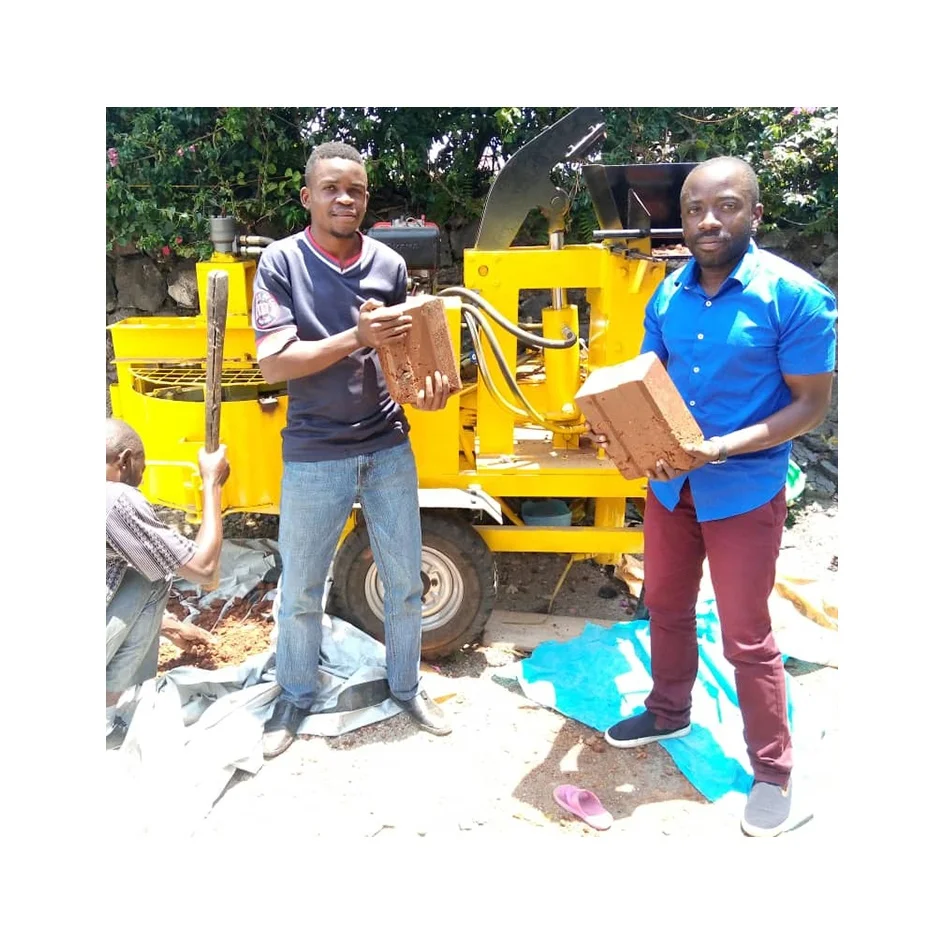
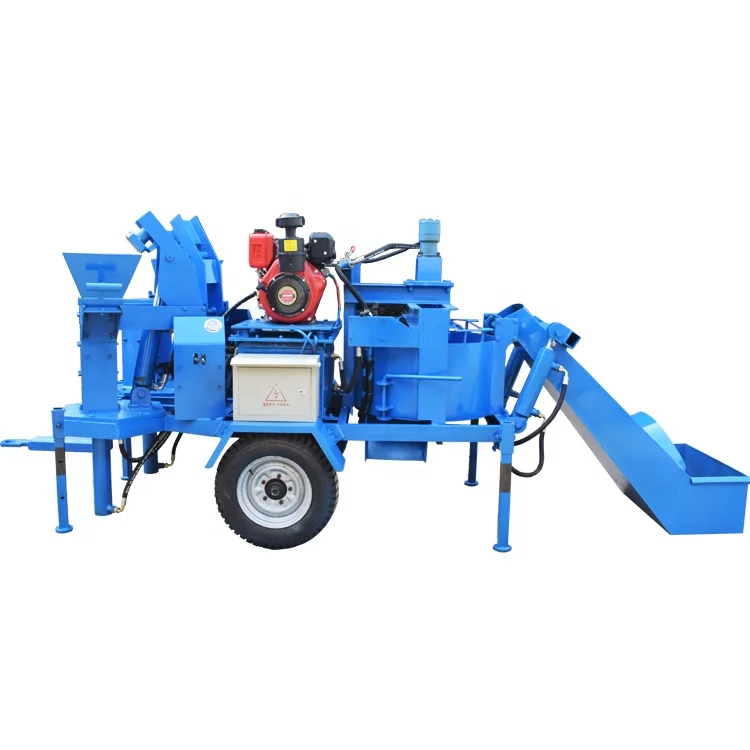
Description
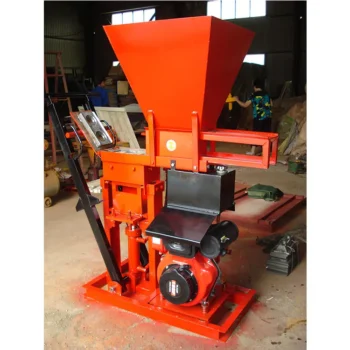
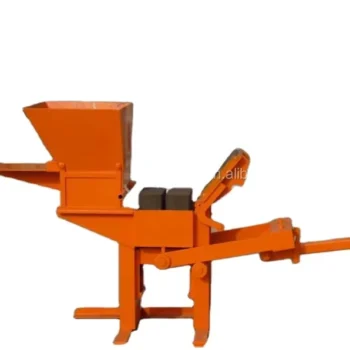
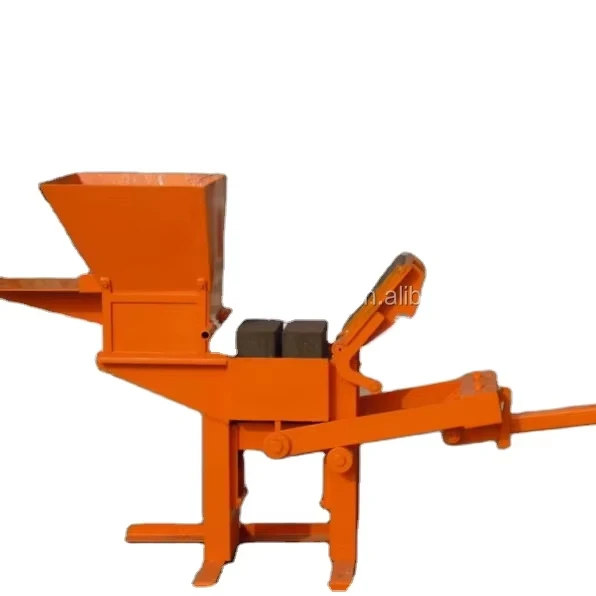
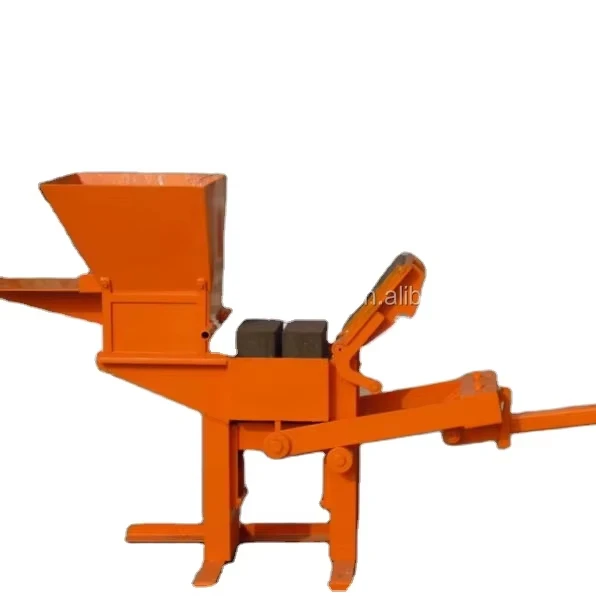
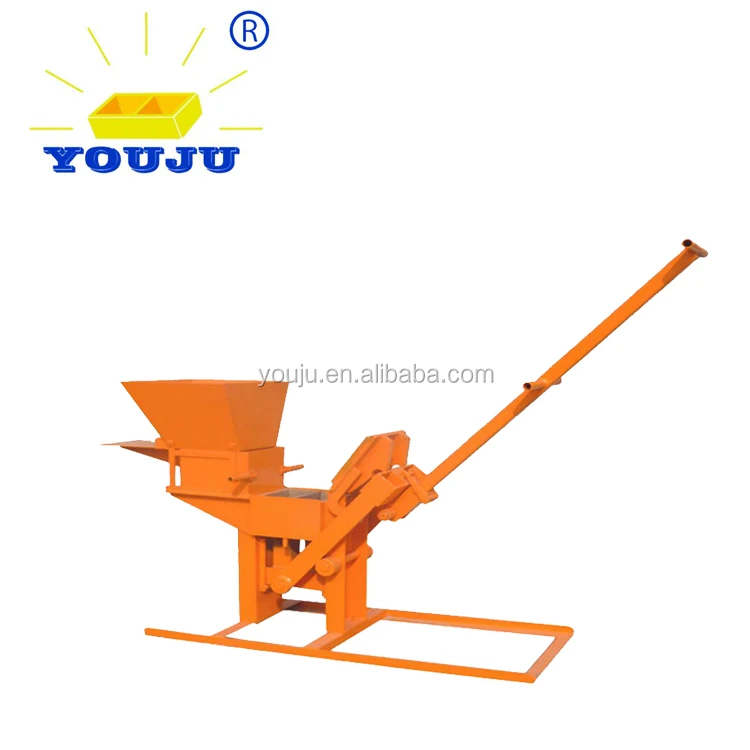
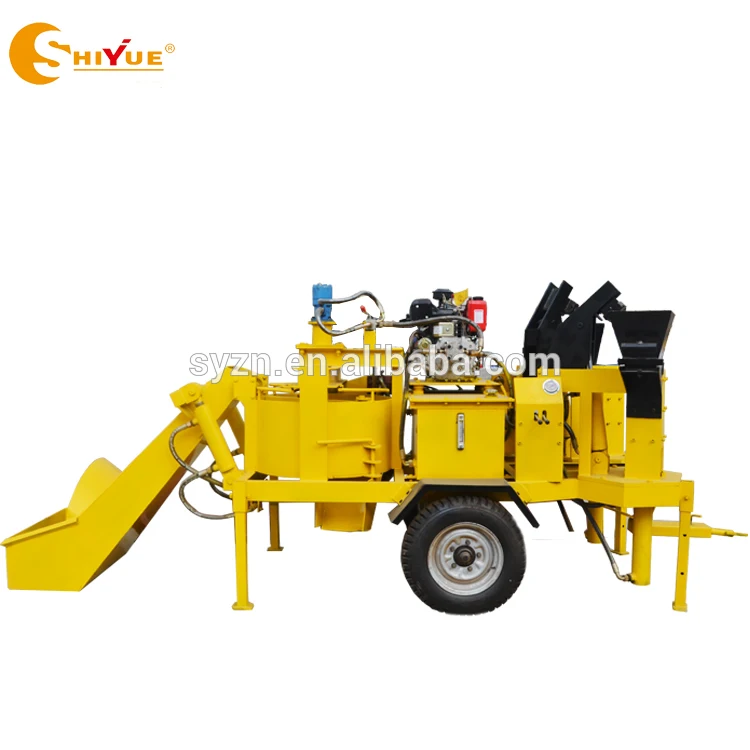
Mobile Frame Matched to Your Site — the M7MI TWIN SUPER is specified around your local clay mix and block format, not a generic catalogue entry, so output stays honest from day one.
Technical Specifications
| Parameter | Value |
|---|---|
| Model | M7MI TWIN SUPER |
| Product Type | Mobile Clay Interlocking Brick Making Machine |
| Production Capacity | 3200 pcs/8hr (basis: 300×150×100mm interlocking block format) |
| Output per Hour | 400 pcs (basis: 300×150×100mm interlocking block format) |
| Molding Cycle | 20s |
| Qty per Mould | 2 pcs |
| Block Size Supported | 300×150×100 mm |
| Mixer Type | Integrated pan mixer |
| Power Source | Diesel engine |
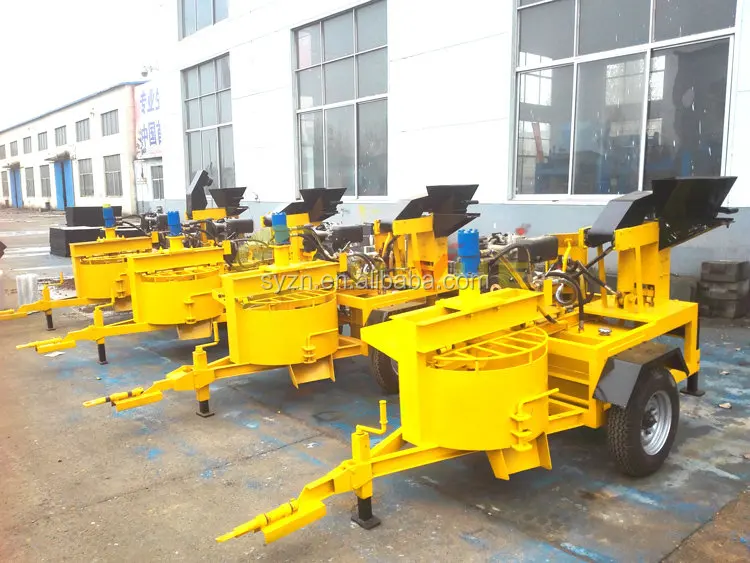
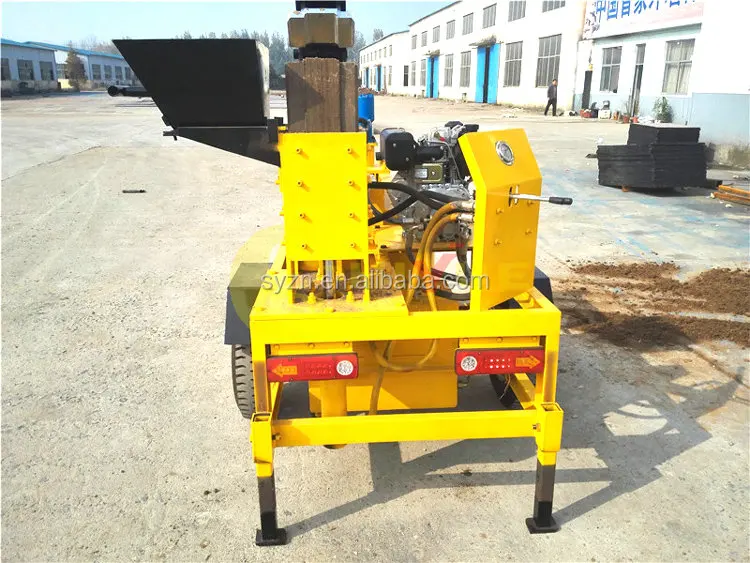
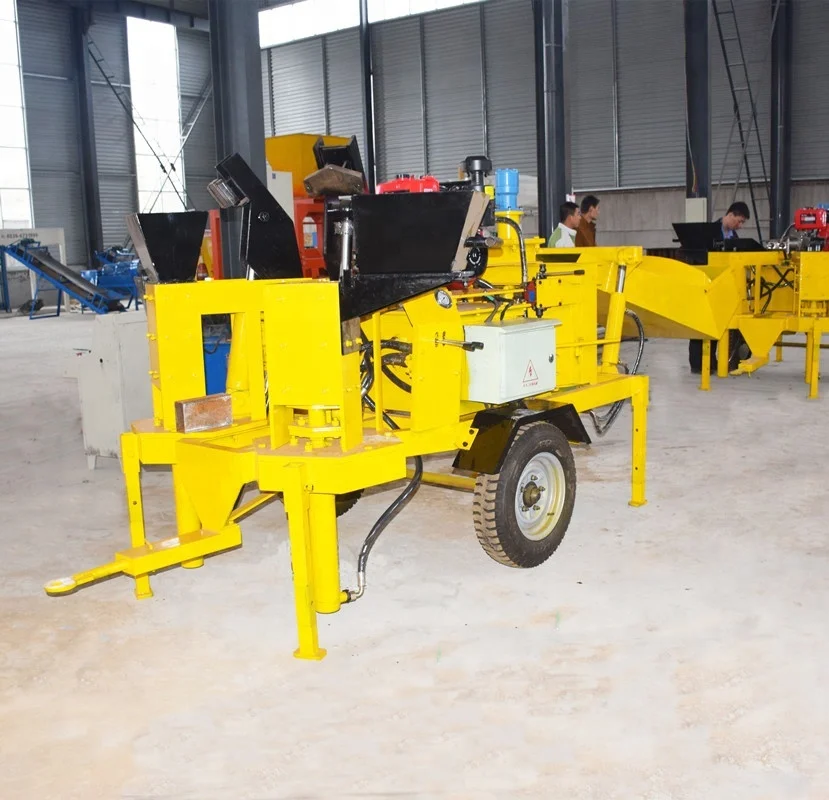
| Frame Type | Mobile frame |
| Automation Level | Manual / mobile egg-laying type |
| Daily Output Claimed | Minimum 2200 blocks (basis not stated in source — confirm block format / material / thickness) |
Application Suitability
| Application | Material or Output |
|---|---|
| On-site housing project block production | Local earth and clay interlocking blocks at building sites |
| Remote construction camp block making | Diesel-powered production where grid electricity is unavailable |
| Small-scale interlocking block enterprise | Low-infrastructure startups producing 300×150×100mm blocks |
| Development contractor local supply | Earth blocks reducing transport distance from factory to wall |
What "400 Blocks per Hour" Actually Means for Your Site
Every output figure here is tied to the 300×150×100mm interlocking block format — change the mould and the number changes with it.
I once watched a crew in West Africa unbox a clay interlocking brick making machine, run it for a full shift, and end up with barely half the quoted daily tally. The catalogue number assumed a small solid brick, but they were pressing large interlocking blocks with a sticky laterite mix. The machine was fine; the expectation was wrong. When you evaluate clay interlocking brick making machine specifications, the cycle time, mould cavity count and block format must all be read together — otherwise the capacity claim is meaningless [NEED_CITE: common causes of output shortfall in mobile block machines].
Cycle Time, Mould Cavities and Real Hourly Output
The M7MI TWIN SUPER completes one molding cycle in 20 seconds and releases two 300×150×100mm interlocking blocks per cycle. That cadence yields roughly 400 blocks per hour on this specific format. Switch to a wider or thicker interlocking profile and the cycle stretches; switch to a smaller paver format and it shortens. Stating the clay interlocking brick making machine specifications against one fixed block size keeps the hourly number grounded in something you can actually measure on your site.
Diesel Mobility and the Integrated Pan Mixer
The diesel engine and pan mixer sit on the same mobile frame as the press, so the entire unit relocates between building plots or project sites without separate haulage. No fixed foundation, no pallet return conveyor and no curing rack system are needed — the egg-laying design drops blocks directly onto a levelled ground bed. For contractors working multiple housing phases across a large development, that mobility removes the cost of transporting finished blocks over unpaved roads [NEED_CITE: logistics cost share in remote block supply].
How Clay Plasticity and Mixer Residence Time Interact
Interlocking earth blocks demand a narrow moisture window: too dry and the block crumbles on ejection, too wet and it slumps before the next course is laid. The integrated pan mixer on this clay interlocking brick making machine keeps batch size small and mixing time short, which helps operators adjust water addition between batches as the clay’s natural moisture shifts through the day. Match the mixer residence time to your soil’s plasticity index and the blocks leave the mould with enough green strength to stack two or three courses high within hours.
The Hidden Cost of Ignoring Mix Design
Order a mobile clay interlocking brick making machine without sharing your local soil profile and you risk arriving on site with a mixer and mould that fight your material every shift. Operators spend hours scraping clay from mould walls, cycle times drift well beyond 20 seconds, and daily output drops far below expectation. In the worst cases I have seen, the mould release faces had to be re-machined locally because the original surface finish was specified for sandy loam, not high-plasticity laterite [NEED_CITE: mould release issues in high-plasticity clay block production].
Why Sourcing From a Block-Machine-Focused Supplier Matters
Shandong Shiyue Intelligent Machinery keeps block machinery as a single focus, so the press, mould, mixer and frame are specified as one matched system rather than assembled from separate vendors. Configuration starts with your target block format, local clay properties and site conditions — not a default line from a catalogue. Mould drawings are provided for the interlocking profiles your market actually sells, and custom profiles can be designed to your sketches. Documentation ships with the machine: specification sheet, mould format list, factory test record, and an operation manual that names every wear part you will need during the first year. Voltage and language questions do not apply here since the unit is diesel-powered, but the same discipline goes into confirming fuel grade and engine service intervals before dispatch.
Documentation & Verification
- Capacity calculation sheet stating 300×150×100mm format and 20s cycle assumption
- Mould drawing and interlocking profile list matching your block market
- Factory test record on your specified clay mix before dispatch
- Operation and maintenance manual with wear part identification
- Diesel engine service schedule and fuel grade recommendation
Installation, Commissioning & Support
- Levelled compacted ground bed required; no concrete foundation needed for the mobile frame
- Diesel fuel grade and engine break-in procedure confirmed before first start
- Integrated pan mixer blade clearance set against your clay plasticity on site
- Mould release face inspected and adjusted to local soil adhesion during commissioning
- Operator training covers cycle pacing, moisture adjustment and daily greasing points
- Wear parts list identifies mould liners, mixer blades and ejector pins for first-year stocking
What to Include in Your Inquiry
Share the exact interlocking block profile and dimensions your market demands, a sample of the local clay or earth you plan to use, and the target daily output for that format. If you are moving the machine between multiple sites, note the ground conditions and altitude so the diesel engine can be tuned accordingly.
Frequently Asked Questions
Q: How is daily output calculated and which block format is assumed?
A: The 3200-piece figure in eight hours assumes continuous pressing of 300×150×100mm interlocking blocks at a 20-second cycle. Change the block dimensions or mould cavity count and the number shifts. We state output per format so your planning starts from a realistic baseline.
Q: Can the mould be changed to produce different interlocking profiles?
A: Yes. The mould is bolted to the press frame and can be swapped on site. Different interlocking profiles require a matching mould set. Share your target profile drawing and we confirm feasibility and cycle time before you order.
Q: What local clay mix is needed for the integrated pan mixer?
A: The mixer handles a range of earth-clay blends, but moisture content and plasticity must fall within a workable window. Send a soil sample or lab report and we adjust mixer residence time and mould release surface to suit your material.
Q: What site preparation does a mobile machine require?
A: A level, compacted ground area large enough for block curing and machine movement. No fixed foundation, pallet system or electrical connection is needed — the diesel engine powers the entire unit. Clear access for fuel delivery is the main logistic requirement.
Q: Which spare parts should be stocked from day one?
A: Mould liner inserts, pan mixer blades, ejector pins and diesel engine consumables such as fuel and oil filters. The operation manual lists every wear item with part numbers so you can order before the first replacement falls due.