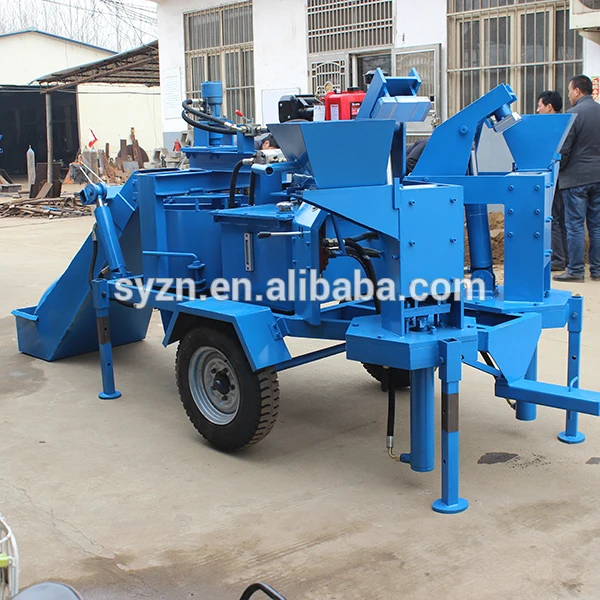
Description
Matched Mould and Soil Profile — capacity figures for the M7MI TWIN are stated per interlocking block format and tested against the buyer’s actual clay sample, not pulled from a generic brochure.
Technical Specifications
| Parameter | Value |
|---|---|
| Model | M7MI TWIN SUPER |
| Product Type | Clay Soil Interlocking Brick Making Machine |
| Block Size | 300×150×100 mm |
| Molding Cycle | 20 s |
| Qty per Mould | 2 pcs |
| Output per Hour | 400 pcs (based on 300×150×100 mm interlocking block, 2 pcs per mould, 20 s cycle) |
| Output per 8-hour Shift | 3,200 pcs (based on 300×150×100 mm interlocking block) |
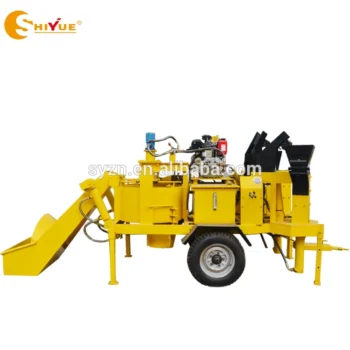
| Integrated Mixer | Pan mixer |
| Power Source | Diesel engine |
| Frame Type | Mobile frame |
| Brick Type | Non-burning clay soil interlocking brick |
| Automation Level | Manual / mobile operation |
Application Suitability
| Application | Material or Output |
|---|---|
| On-site housing project production | Locally sourced clay soil, non-burning interlocking format |
| Remote or mobile construction sites | Diesel-powered operation without grid electricity |
| Small-scale block entrepreneurship | Low-infrastructure start-up with mobile relocation capability |
| Complementing existing block ranges | Interlocking profile added to solid or hollow block production |
Why "Blocks per Hour" Means Nothing Without the Format Attached
The only capacity number that matters is the one tied to the exact block size you intend to sell.
I have watched contractors unload a clay interlocking brick making machine at a project site, fire it up, and then stand around wondering why the daily tally never reached the figure on the quotation. The brochure promised a certain output, but that figure assumed a smaller paving format, not the 300×150×100 mm interlocking block the local market actually buys [NEED_CITE: block format assumptions in capacity quotations]. When the cycle time and mould cavity count differ from the quoted basis, the gap between expectation and reality widens fast. The M7MI TWIN rates at 400 pieces per hour based on the 300×150×100 mm interlocking block with two cavities per mould and a 20-second cycle. Any other format changes that arithmetic.
Matching the Mould Profile to the Local Building Code
Interlocking brick profiles are not universal. A tongue-and-groove geometry that works in one country may not satisfy the seismic bonding requirements or mortar-less stacking tolerances enforced in another. Before the M7MI TWIN ships, the mould drawing should be checked against the buyer’s local standard for interlocking masonry units. This step determines whether the block stacks dry or requires a thin-bed adhesive, which in turn affects wall speed and structural approval [NEED_CITE: regional interlocking masonry standards]. Confirming the profile early avoids the cost and delay of re-cutting moulds after arrival.
Diesel Power and the Pan Mixer on a Single Frame
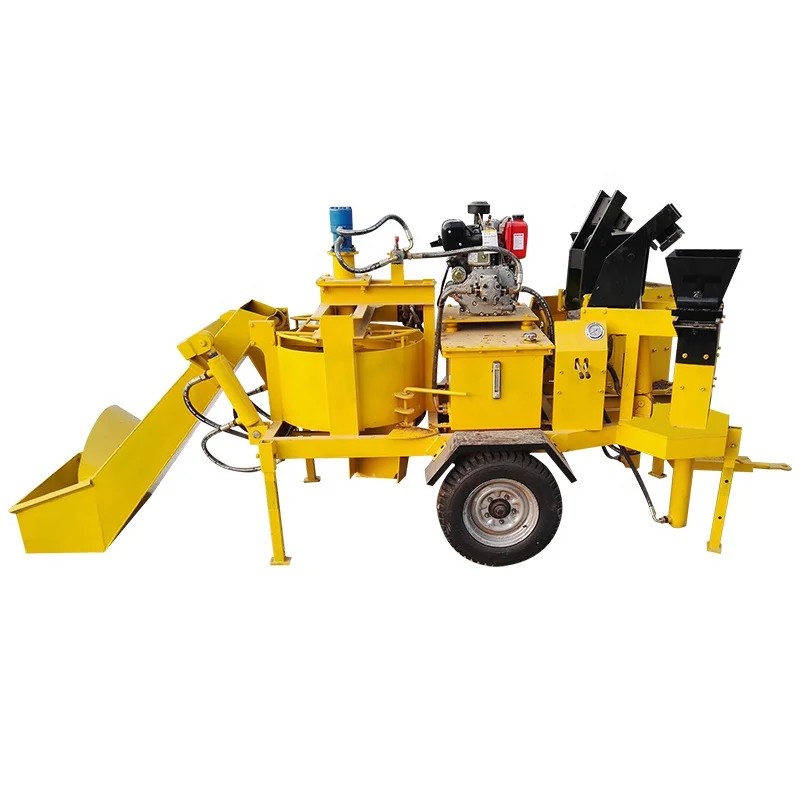
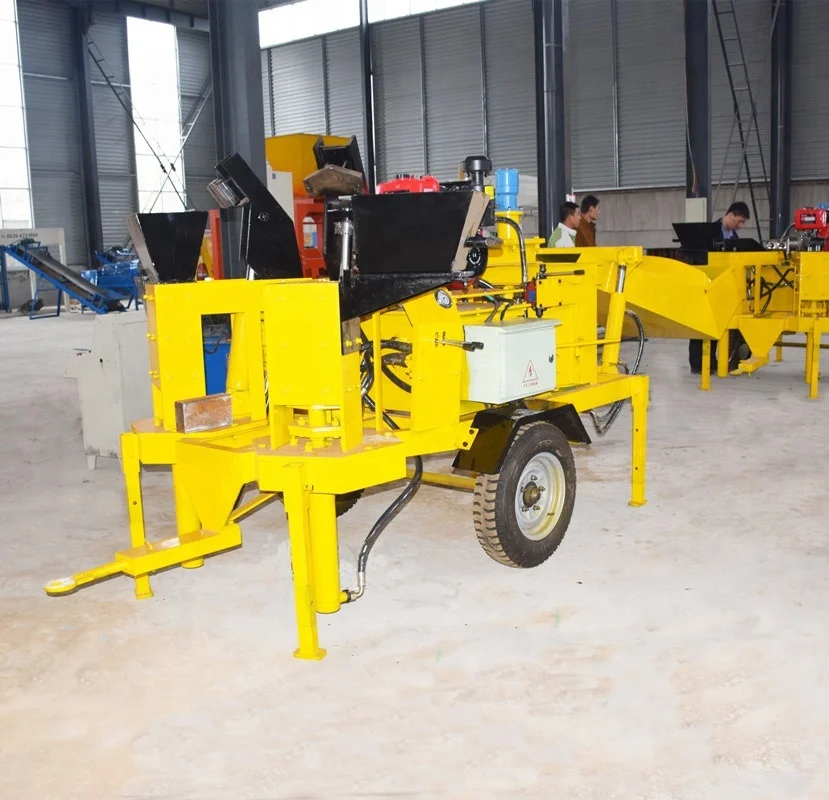
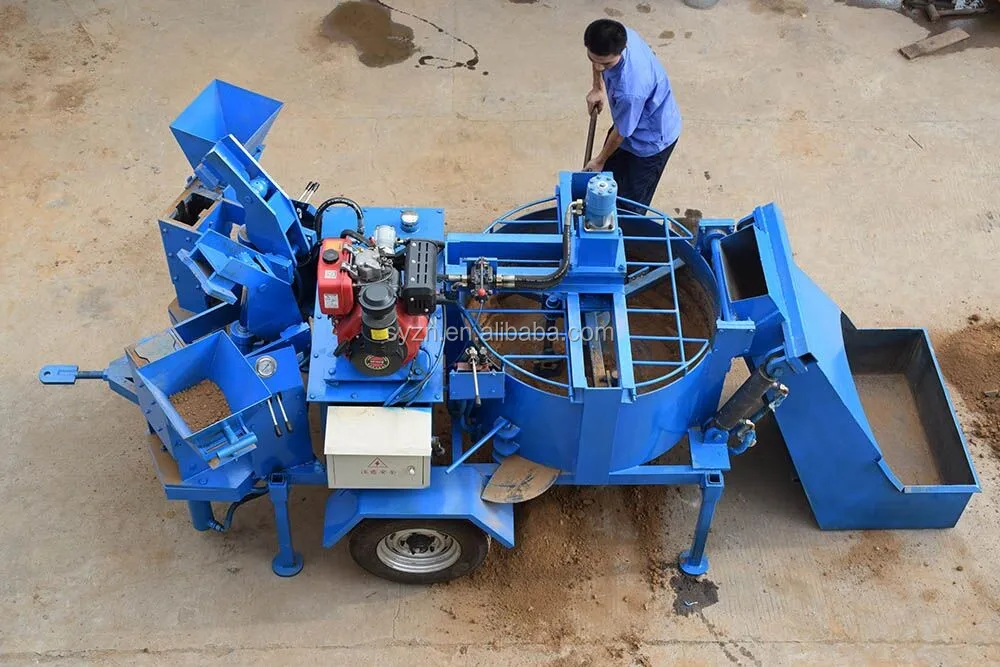
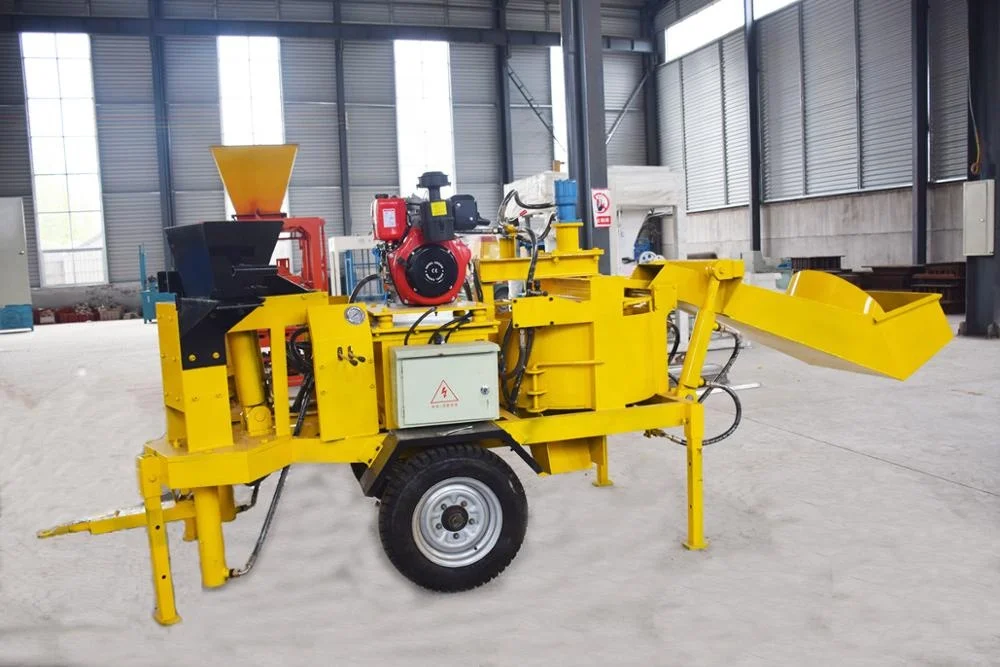
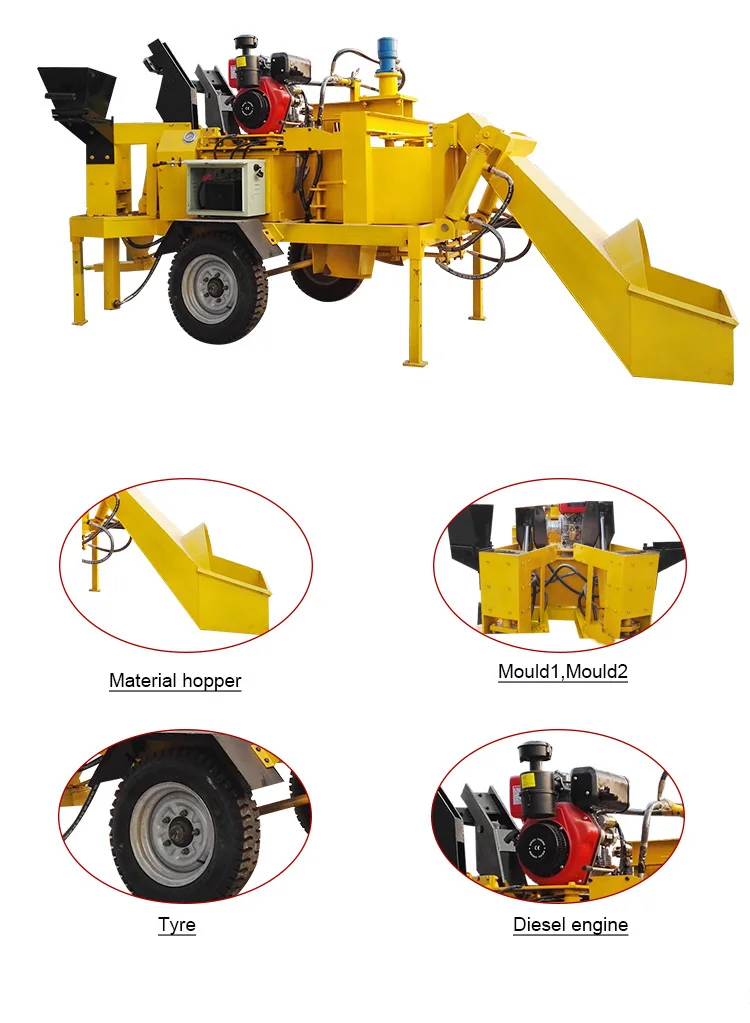
The integrated pan mixer and diesel engine sit on the same mobile frame as the press, meaning the entire production cell arrives as one unit. No external power connection is needed, and no separate batching plant has to be built before the first block is pressed. For housing project contractors working on sites where the grid is unreliable or absent, this self-contained layout removes a common commissioning bottleneck. The pan mixer handles stiff clay-soil mixes that would stall a ribbon blender, keeping the feed consistent into the mould box.
What the Cycle Time and Cavity Count Actually Mean for Your Shift
A 20-second moulding cycle with two cavities yields one pressing every 20 seconds, or roughly three per minute. Over an eight-hour shift, the theoretical maximum is 3,200 pieces of the 300×150×100 mm interlocking block. That figure assumes uninterrupted material feed, no mould changes, and no downtime for mixer cleaning or diesel refuelling. In practice, a clay interlocking brick making machine of this class delivers somewhat less once you factor in the reality of site conditions — pallet-less egg-laying operation means freshly pressed blocks cure on the ground, so floor space and curing logistics set the true ceiling on daily output [NEED_CITE: mobile block machine curing area requirements]. Understanding this gap between theoretical and practical output is what separates a realistic production plan from a disappointing one.
The Cost of Skipping the Soil Test
Clay soil varies drastically from one plot to the next, even within the same region. I have seen a contractor in Southeast Asia ship a mobile interlocking press to a site where the local red clay had far higher plasticity than the sample tested at the factory. The first day’s output cracked along the edges because the moisture content and compaction pressure were calibrated for a different soil profile. Four days of on-site parameter adjustment followed before acceptable blocks came off the line. The lesson is simple: send a representative soil sample before ordering, run a test batch at the factory, and lock in the mix ratio and moisture range before the machine leaves. Skipping this step turns commissioning into an expensive experiment.
Why Procurement Through This Channel Works for Site-Level Buyers
The M7MI TWIN is configured against the buyer’s actual clay sample and target interlocking profile rather than a catalogue default. Mould design covers the specific tongue-and-groove geometry the buyer’s market demands, including custom drawings when local building codes diverge from standard profiles. The automation level starts at manual mobile operation, keeping initial investment contained while leaving room to add electric assist or conveyor feeding later. Installation guidance covers ground preparation for the mobile frame so the machine is level and stable before the first press cycle. Wear parts and mould replacement lists ship with the machine, so the first reorder does not become a sourcing emergency.
Documentation & Verification
- Capacity calculation sheet stating 300×150×100 mm interlocking format as the basis
- Mould drawing showing interlocking profile dimensions and tongue-and-groove geometry
- Factory test record run on the buyer’s submitted clay soil sample
- Diesel engine specification and fuel consumption data sheet
- Operation manual covering mix ratios, moisture range, and mould change procedure
- Packing photographs showing frame securing and mould protection for transit
Installation, Commissioning & Support
- Level compacted ground required for the mobile frame; no concrete foundation necessary
- Diesel fuel supply and basic hand tools needed before first press cycle
- Pan mixer and press commissioned together to match feed rate to the 20-second cycle
- On-site operator training covering clay moisture adjustment and mould release technique
- Wear parts list identifying high-friction surfaces for first-year stocking
- Mould change instruction included for switching interlocking profiles on site
What to Include in Your First Inquiry
To size the M7MI TWIN correctly, share the specific interlocking brick profile your market sells, a representative clay soil sample or geotechnical report, and the daily output target for your project timeline. If the site lacks grid power, confirm that diesel operation is preferred and indicate the ambient temperature range. Any local building code references for interlocking masonry will speed up mould profile confirmation.
Frequently Asked Questions
Q: How is daily output calculated and which block format is the capacity figure based on?
A: The stated output of 3,200 pieces per eight-hour shift is based on the 300×150×100 mm interlocking block, two cavities per mould, and a 20-second cycle. If your target format differs in size or cavity count, the cycle time and hourly rate will change accordingly. Always request a capacity recalculation tied to your specific block drawing.
Q: Can the M7MI TWIN work with my local clay soil — what testing is needed before ordering?
A: Send a representative soil sample to the factory before purchase. A test batch is pressed to determine the correct moisture range, compaction pressure, and any stabiliser ratio required. This step ensures the clay interlocking brick making machine arrives configured for your actual material, not a generic assumption.
Q: What interlocking brick profiles are available and how long does a mould change take on site?
A: Mould profiles are designed to match the buyer’s local market demand, including custom tongue-and-groove geometries. Mould change on the M7MI TWIN is a manual procedure using hand tools. Confirm the profile drawing before shipment to avoid the lead time and cost of re-cutting after arrival.
Q: Is the machine truly mobile — what ground preparation is needed at each new site?
A: The M7MI TWIN sits on a wheeled mobile frame and can be towed between project locations. The ground at each site must be compacted and reasonably level so the frame sits stable during pressing. No concrete slab or fixed foundation is required, but soft or uneven ground will affect block dimensional consistency.
Q: What spare parts and mould replacements should I stock for the first year of operation?
A: A wear parts list ships with the machine identifying high-friction components in the press and pan mixer. For the first year, stocking replacement mould liner plates, mixer blades, and hydraulic seals is advisable. Confirm the list against your planned production volume before the machine departs the factory.