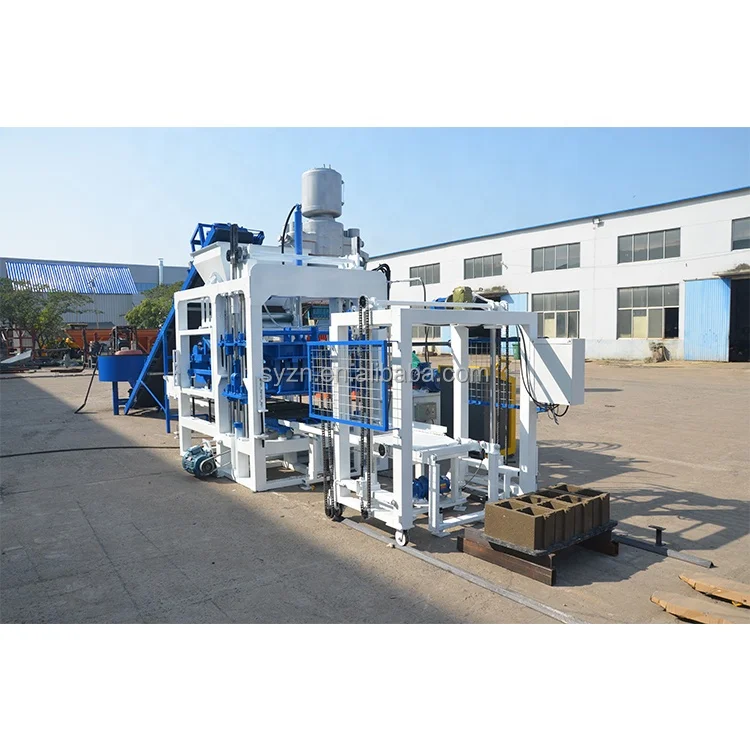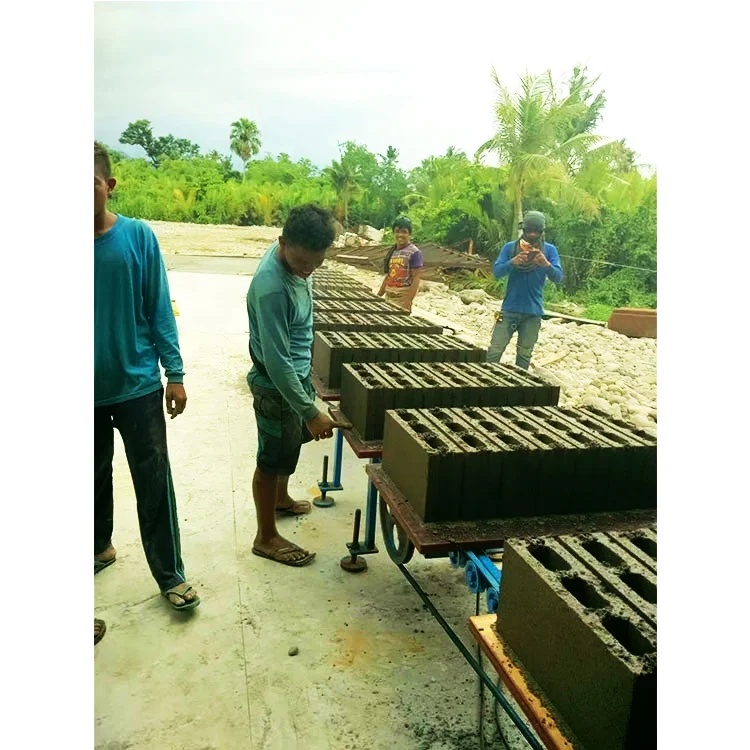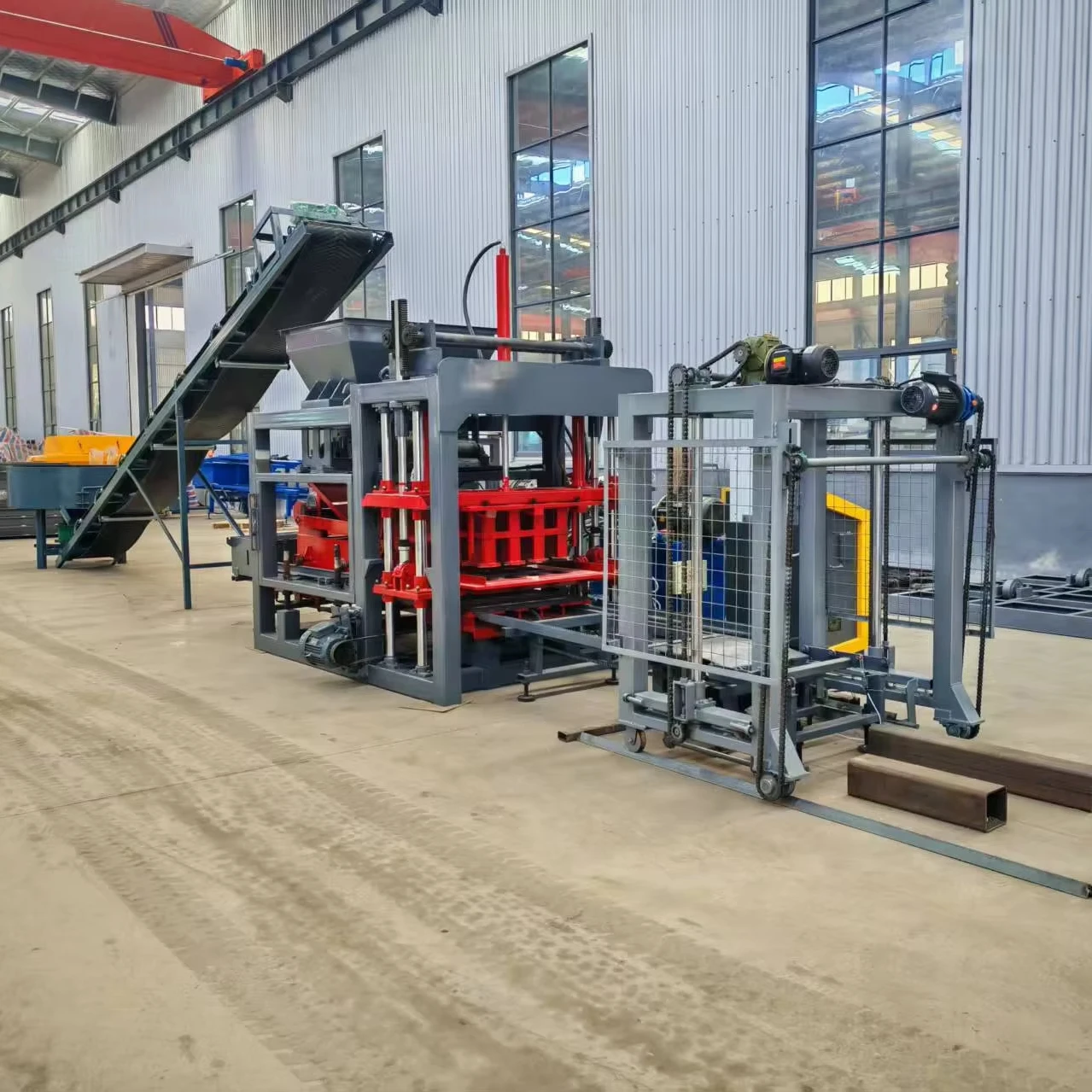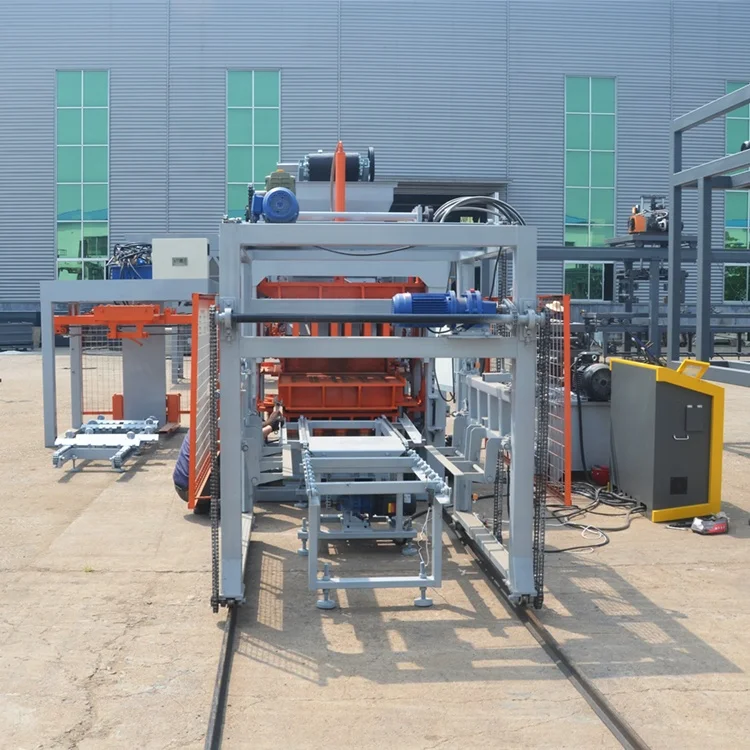

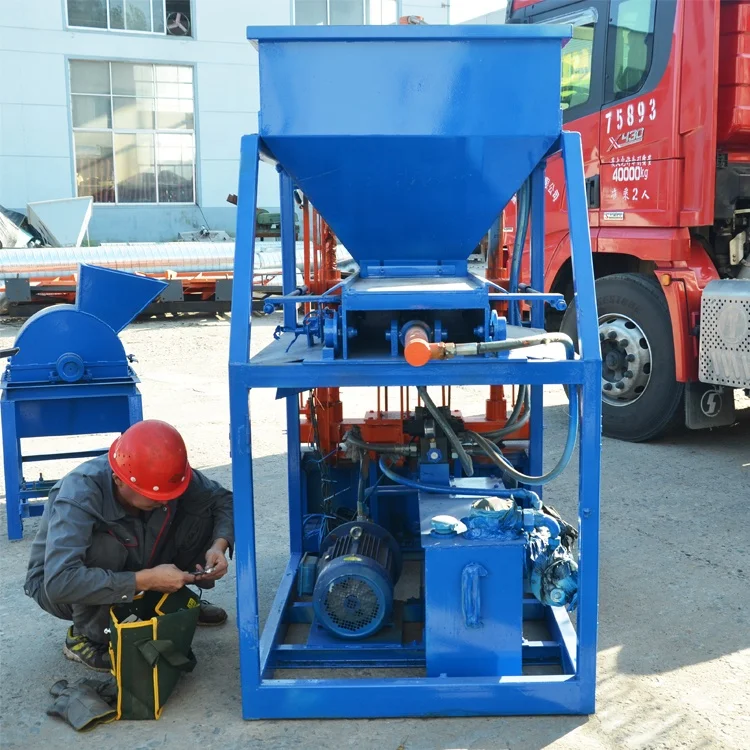
Description
Matched Mould Configurations — every LY2-10 dispatch is confirmed against the buyer’s actual interlocking brick format and local clay or cement mix before production begins, not pulled from a catalogue default.
Technical Specifications
| Parameter | Value |
|---|---|
| Model | LY2-10 |
| Product Type | Clay Interlocking Block Making Machine |
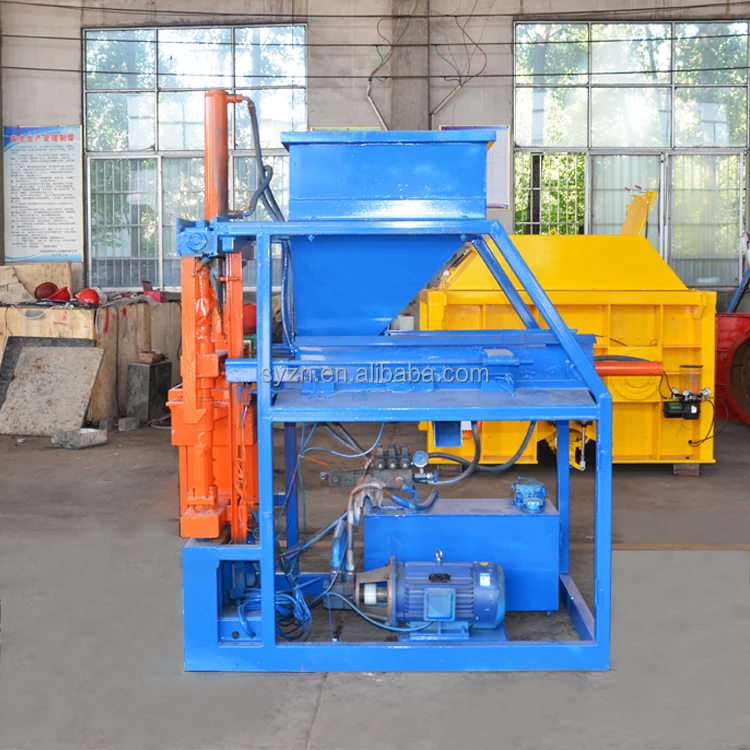
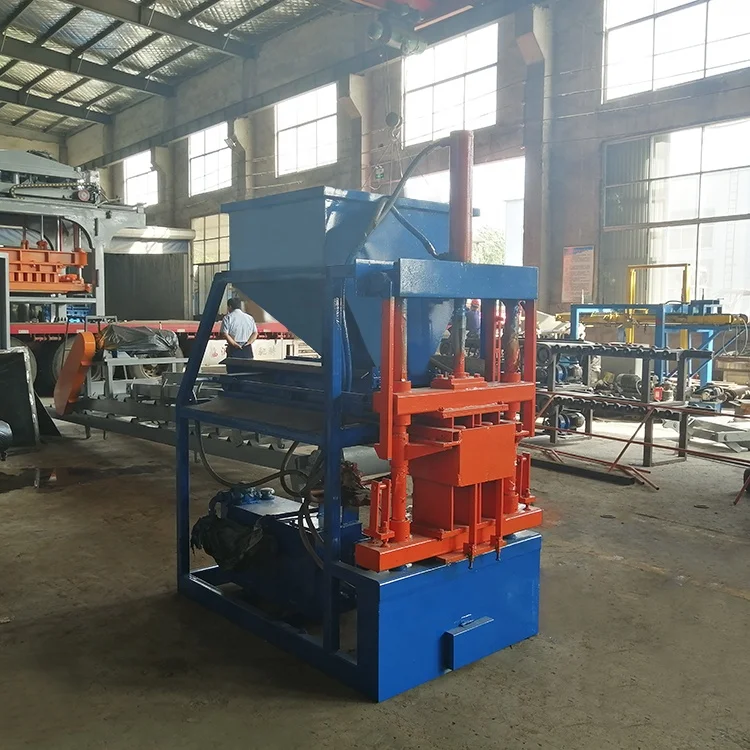
| Machine Type | Semi-automatic clay and cement interlocking brick making machine |
| Rated Power | 7.5 kW |
| Molding Cycle | 10 s |
| Output Capacity | 6000 pcs / 8 h (basis not stated in source — confirm block format / material / thickness) |
| Capacity per Format | 300×150×100 mm — 1 pc/mould, 750 pcs/h; 250×125×75 mm — 1 pc/mould, 750 pcs/h; 230×220×115 mm — 1 pc/mould, 750 pcs/h |
| Raw Materials | Clay, soil, earth, mud, concrete, cement, fly ash |
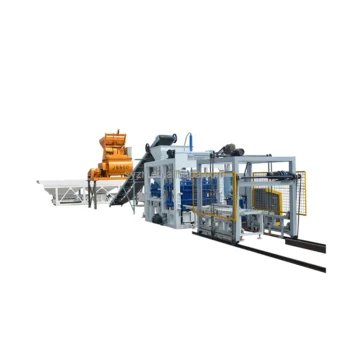
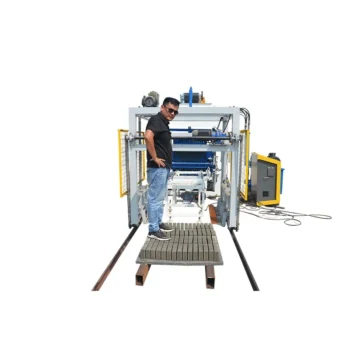
| Overall Dimensions (L×W×H) | 1300 × 1800 × 2400 mm |
| Bricks per Mould | 1 |
| Automation Level | Semi-automatic |
| Mould Change | Supports varied block, brick and floor formats on one machine |
Application Suitability
| Application | Material or Output |
|---|---|
| Small-scale interlocking brick production | Clay, soil, or cement-based mixes in local workshops |
| On-site block production for housing projects | Locally sourced clay or earth with cement stabilization |
| Entrepreneur first-plant setup | Low-investment semi-automatic operation with multiple format options |
| Concrete product range expansion | Interlocking bricks, solid blocks, and floor blocks on a single press |
Why "6,000 Bricks per Day" Means Nothing Without the Format
Capacity is only meaningful when tied to a specific block size, mix design, and mould configuration.
I have seen buyers compare two clay interlocking block making machine specifications sheets side by side, pick the higher number, and then discover on commissioning day that the quoted figure assumed a small solid brick while their market actually demands a 300×150×100 mm interlocking format. The real daily output drops, the project schedule slips, and the argument with the supplier starts. [NEED_CITE: common causes of block plant output shortfall versus quoted capacity] The LY2-10 capacity table above lists three formats — each at one piece per mould and a 10-second cycle — so you can see exactly which number applies to your product before you commit.
Matching the Mould to the Block Your Market Actually Buys
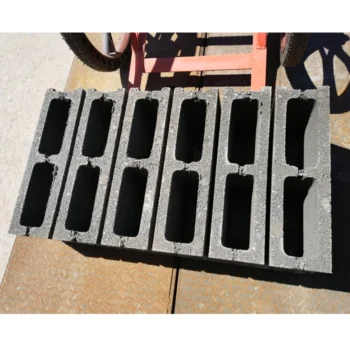
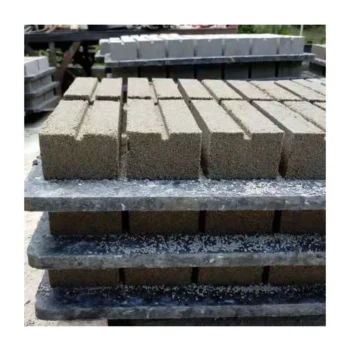
The clay interlocking block making machine specifications mean little if the mould does not produce the format your local builders specify. The LY2-10 ships with a mould matched to your chosen dimension — whether 300×150×100 mm for load-bearing wall courses, 250×125×75 mm for partition work, or 230×220×115 mm for paving and floor applications. Mould change on this semi-automatic press is manual but straightforward, letting a small plant switch formats within a shift without a second machine investment.
Cycle Time, Format, and the Honest Output Conversation
A 10-second molding cycle sounds fast until you factor in manual pallet placement, mix feeding, and block stripping on a semi-automatic line. The 750 pieces per hour figure in the table assumes uninterrupted operation at one piece per mould for each listed format. In a real workshop with a two-person crew handling pallets and fresh blocks, sustainable throughput will settle lower. This is the number we calculate with you during the proposal stage, format by format, so the clay interlocking block making machine specifications you sign off on match what the plant actually delivers. [NEED_CITE: factors affecting semi-automatic block press real-world throughput]
Reading the Specs That Actually Matter
Rated power at 7.5 kW tells you the electrical demand and the pressing force envelope — enough for clay-soil stabilization mixes but not for high-pressure concrete paver production. The overall footprint of 1300 × 1800 × 2400 mm fits inside a standard workshop bay, but you still need clearance on three sides for pallet handling and mould access. Raw material range covers clay, soil, earth, mud, concrete, cement, and fly ash — yet the mix ratio and moisture content must be validated with trial blocks before the machine is configured, because vibration and pressure response differ sharply between a sandy desert soil and a high-clay riverbank material.
The Hidden Cost of Skipping the Mix Trial
Buyers who skip the material trial often discover after arrival that the block strength falls below their local building code, and the entire first production run is scrapped. The mix that works in the supplier’s factory test rarely matches the aggregate available at your site. [NEED_CITE: block compressive strength variation with local aggregate substitution] I have watched contractors lose weeks sourcing an alternative sand because the machine was set up for a material they could not buy locally. A simple trial block pressed from your actual clay or soil, shipped back for lab testing, prevents this.
Why Source the LY2-10 Through This Channel
Block machinery is the single focus here, which means the press, mould, pallet, and handling equipment are specified as one matched system rather than assembled from separate suppliers. Configuration is set against your actual mix design and target block format, not a catalogue default. Mould design covers the formats your market sells, with custom drawings available when standard options do not fit. Automation level is selectable — you can start semi-automatic on the LY2-10 and plan an upgrade path later. Installation support includes operator training so your crew knows mould change procedure and daily maintenance before the first production week ends.
Documentation & Verification
- Machine specification sheet confirming voltage, frequency, and control language before production
- Capacity calculation document stating the exact block format and mix assumed for each output figure
- Mould drawing and format list showing which formats are included and which are optional extras
- Factory test record showing actual cycle time and block dimensions achieved with your specified mix
Installation, Commissioning & Support
- Foundation pad leveled to tolerance for the 1300 × 1800 mm machine footprint with anchor bolt provisions
- Dedicated 7.5 kW circuit with correct voltage and frequency confirmed before electrical hookup
- Machine arrives as a single-unit press requiring pallet table and manual handling station setup on site
- First-run commissioning includes cycle timing verification against the agreed format and mix design
- Operator training covers mould change procedure, daily lubrication points, and block stripping technique
- Wear parts list provided with recommended replacement intervals for press ram seals and mould liners
What to Include With Your Inquiry
Send your target interlocking brick format and dimension, the daily output you need for that specific size, and a sample or description of your local clay or soil. Confirm your site voltage and frequency, and whether you need the control panel in a specific language. If you already have pallets or a curing area in place, share those dimensions so pallet compatibility is checked before the machine is built.
Frequently Asked Questions
Q: How is the 6,000 pieces per day figure calculated for the LY2-10?
A: That number appears in source data without a stated block format, so it cannot be taken as a confirmed daily output. The per-format table above shows 750 pieces per hour at one piece per mould across three listed dimensions, assuming uninterrupted 10-second cycles. Real workshop throughput depends on crew size, pallet handling speed, and mix preparation continuity.
Q: How do I match the LY2-10 to my local clay or soil?
A: Send a sample of your raw material along with your target block strength requirement. Trial blocks are pressed and tested to confirm the mix ratio, moisture content, and cement stabilization level before the machine is configured. This prevents strength failures on your first production run.
Q: What mould formats are available and how long does a change take?
A: Standard options include 300×150×100 mm, 250×125×75 mm, and 230×220×115 mm interlocking formats. Custom moulds are available to buyer drawings. Mould change is manual on this semi-automatic press and can be completed within a shift by a trained operator.
Q: What voltage and control language will the machine use?
A: Voltage, frequency, and control panel language are confirmed with the buyer before production begins. This avoids commissioning delays caused by electrical mismatch or an interface the operator cannot read.
Q: Can the LY2-10 run both clay and cement-based mixes?
A: The raw material range covers clay, soil, earth, mud, concrete, cement, and fly ash. However, the machine configuration — particularly pressure and vibration settings — must be matched to the specific mix you will run most often, which is validated during the trial block stage.