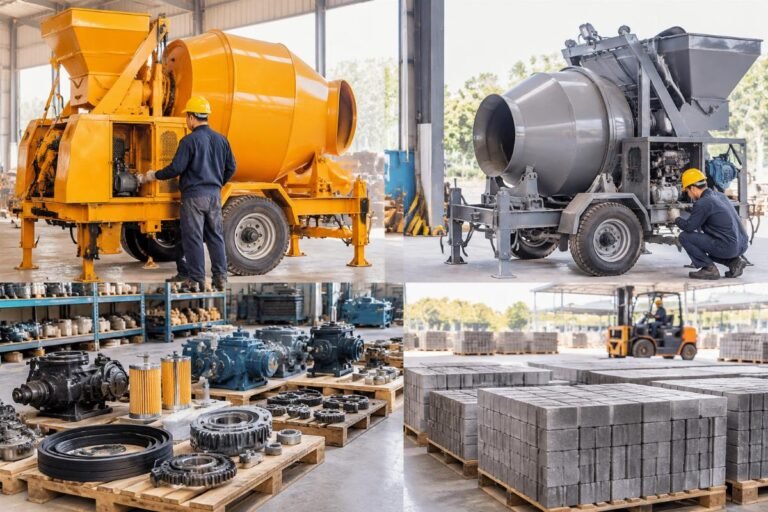
Shiyue Egg-Layer Block Machine vs Aimix: Warranty & Supplier
A two-year warranty is worthless if the replacement part takes six weeks to arrive.
The most critical factor in selecting an egg-layer block machine warranty comparison is not the duration of coverage, but the logistical protocol for spare parts dispatch. Buyers in remote regions should prioritize suppliers who include critical spares in the initial shipment or maintain local stock, rather than those offering long-term promises that require returning defective components to China for inspection.
I still remember the silence on the phone line from a client in Nigeria. He had purchased a mobile block machine for a road embankment project. Three months into operation, the hydraulic station began leaking. The original manufacturer’s response was standard procedure: ship the faulty valve back to Linyi for testing. The client faced a choice: wait over a month for sea freight return and analysis, losing daily labor costs and missing project milestones, or pay exorbitant air freight fees for a new unit without any guarantee of approval. That delay cost him far more than the price of the valve itself. It was a harsh lesson in how vague warranty terms shift hidden logistics costs onto the buyer. [NEED_CITE: common after-sales disputes in machinery exports]
This experience highlights why a detailed egg-layer block machine warranty comparison must look beyond the printed number of years. It requires understanding who bears the risk when things break.
Why "1-Year Warranty" Is Often a Trap for Overseas Buyers?
Vague warranty clauses frequently exclude wear parts and shift freight responsibilities to the buyer, turning a safety net into a financial burden.
Most buyers assume a one-year warranty covers everything. In reality, the scope is often narrowly defined. Core components like the PLC or main motor might be covered, but high-wear items such as molds, tires, and hydraulic seals are typically excluded or subject to strict "proper use" clauses. [NEED_CITE: standard exclusions in industrial machinery warranties]
When a dispute arises, the burden of proof usually falls on the buyer. If a mold cracks prematurely, the factory may claim it was due to improper concrete mix ratios or operator error. Without a local technician to verify site conditions, the buyer has little recourse. The real trap lies in the "return for inspection" policy. For an egg-layer block machine warranty comparison, this clause is a major red flag. It implies that the supplier does not trust their own quality control enough to send a replacement immediately. Instead, they force the buyer to endure weeks of downtime while waiting for a verdict from thousands of miles away.
The cost of downtime is rarely calculated in the initial purchase price. Idle labor, delayed project handovers, and penalty clauses from end-clients can quickly eclipse the savings gained from choosing a cheaper machine with a longer but less executable warranty.
Aimix vs. Typical Linyi Factories: Who Covers What?
Comparing warranty scopes reveals significant differences in how manufacturers handle core components versus wear parts.
To understand the landscape, we must look at how different suppliers structure their support. Aimix, as a larger branded entity, often has standardized policies that may include broader coverage but stricter compliance requirements. Typical Linyi factories, including Shiyue, may offer more flexible, negotiation-based terms but vary in their logistical capabilities. [NEED_CITE: comparative analysis of Chinese construction machinery supplier service models]
| Warranty Aspect | Standard Factory Policy | Branded Supplier (e.g., Aimix) | Shiyue Approach |
|---|---|---|---|
| Core Components | Covered for 1 year | Covered for 1-2 years | Covered for 1 year |
| Wear Parts | Excluded or limited | Excluded or limited | Critical spares included in initial load |
| Logistics Cost | Buyer pays return freight | Negotiable case-by-case | Express dispatch for urgent failures |
| Inspection Requirement | Mandatory return for claims | Remote diagnosis preferred | Remote support + local agent visit |
| Response Time | Days to weeks | Hours to days | Hours for remote, days for local |
This table illustrates that while the duration might seem similar, the execution differs. A branded supplier might have a more polished remote diagnosis system, but a factory like Shiyue focuses on preventing the need for diagnosis by ensuring parts are on hand. In an egg-layer block machine warranty comparison, the inclusion of critical spare parts in the initial container load is a decisive advantage. It bypasses the entire claim process for common failures.
Buyers should not just ask "how long is the warranty?" but "what happens when a part fails on day 90?" The answer defines the true value of the support.
The Hidden Cost of "Return for Inspection" Policies
Calculating the real losses from shipping delays reveals that downtime costs often exceed the price of the replacement part.
Consider a hydraulic pump failure. The part itself might cost a few hundred dollars. However, if the policy requires returning the old unit for inspection, the buyer faces sea freight costs, customs clearance delays, and weeks of idle production. [NEED_CITE: logistics timeline analysis for international machinery parts]
In one case, a client in Latin America experienced a PLC failure. The factory insisted on receiving the damaged board before sending a new one. Due to poor internet connectivity at the site, remote diagnosis was impossible. The board took weeks to arrive in China, another week for testing, and then weeks to return. The total downtime lasted over a month. The lost revenue from halted block production, combined with the wages paid to idle workers, amounted to a mid-six-figure loss. This was far more than the cost of simply air-freighting a new PLC immediately.
This scenario is common in an egg-layer block machine warranty comparison. Suppliers who insist on returns are prioritizing their own risk mitigation over the buyer’s operational continuity. A better approach is to negotiate a "advance replacement" policy for critical components, where the supplier sends a new part immediately upon video verification, with the old part returned later or credited against future orders.
How to Negotiate Better Warranty Terms Before Signing?
Demanding local spare parts kits and clear response protocols is more effective than seeking extended warranty durations.
Negotiation should focus on execution, not just duration. Instead of asking for a two-year warranty, ask for a comprehensive spare parts kit to be included in the first container. This kit should include filters, seals, solenoid valves, and even a backup PLC module. [NEED_CITE: best practices for machinery procurement in emerging markets]
Another key term is the response time guarantee. Specify that technical support must respond within hours, not days. For complex issues, require the option for a local agent visit if available, or clear guidelines for remote troubleshooting. Avoid clauses that mandate return-to-factory inspection for all claims. Instead, propose a tiered system: minor parts are replaced immediately upon photo/video evidence, while major components may require further investigation.
By shifting the focus from "how long" to "how fast," buyers can secure a warranty that actually protects their investment. In an egg-layer block machine warranty comparison, the supplier willing to put skin in the game by pre-shipping spares demonstrates confidence in their product and commitment to the client’s success.
Conclusion
Warranty length is meaningless without clear execution protocols.
The true cost of a broken machine is not the part itself, but the weeks of idle labor while waiting for cross-border returns. A smart buyer looks beyond the one-year label and examines the logistics of support. Prioritize suppliers who offer immediate spare parts availability and clear, fast-response protocols. This approach minimizes downtime and ensures that your production line keeps running, regardless of where you are located.